


Anger as prisoners claim they were ‘punished’ for speaking Welsh
Stephen Price
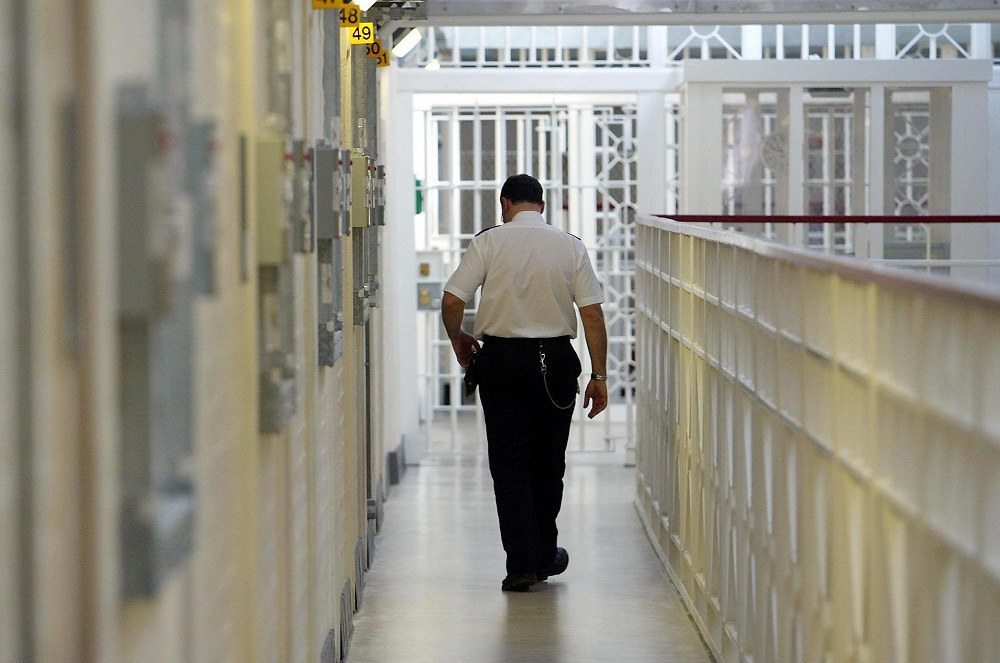
A new report has caused widespread anger, after inmates at a Welsh prison claimed they were punished for speaking Welsh, with prison staff displaying ‘outright hostility’ to the language.
The report, titled Rights, Pains and Illusions: The Experiences of Welsh-Speakers at Wales’ ‘Flagship’ Prison was written by Robert Jones of Cardiff University, and Gregory Davies from the University of Liverpool, draws attention to several shortcomings in terms of Welsh language services at HMP Berwyn.
Among claims from prisoners, according to the report, Welsh correspondence from prisoners was very slow to reach the recipient, there wasn’t an attempt to place Welsh prisoners in the same wing and prisoners didn’t come into contact with any other Welsh-speaking inmates.
The most damning concern has arisen around claims that prisoners were being prevented from speaking Welsh and being threatened with punishment.
Drawing on semi-structured interviews and extensive documentary research, the researchers found that Welsh-speaking prisoners at Wales’ ‘flagship’ prison have experienced widespread neglect of their needs and overt interferences with their use of the Welsh language.
Neglect
HM Prison Berwyn is a Category C adult male prison in Wrexham. It is the largest prison in the UK, opened in 2017, and is operated by His Majesty’s Prison Service.
The researchers chose to concentrate on Berwyn due to the facility holding the largest number of Welsh speaking prisoners in the UK.
The researchers shared: “Our principal finding is that Welsh-speaking prisoners in Wales’ ‘flagship’ prison, HMP Berwyn, have experienced neglect of their language needs and overt interference with their use of the language by prison staff.
“Despite the protections offered by UK legislation, the Welsh language at Berwyn is evidently not treated on the basis of equality with the English language.”
The researchers identified several symptoms of neglect during the course of their research including a lack of opportunities to speak Welsh with other prisoners and staff, inconsistent access to bilingual forms
and information, delayed correspondence and inadequate educational provision.
Taken together, they maintain that “there was no sense that Welsh-speaking prisoners were able to live their lives through the medium of Welsh at Berwyn”.
A lack of Welsh-speaking staff at Berwyn also presents serious challenges, according to the researchers, who wrote: “Even before it opened, HMPPS faced significant criticism over its approach to staffing at the prison.”
Feelings of isolation were shared by many of the prisoners in interviews, with one telling the researchers: “You need someone Welsh to speak to if you’re Welsh.
“You feel more at home, basically.
“That’s all it was in my eyes, that I felt awkward and left out.”
Delays
Several prisoners shared their experience of delays in receiving and sending correspondence. with one telling researchers: “My pad mate, he sent a letter [in English], and it arrived within two, three days. My letter [in Welsh] takes two weeks, three weeks, and if not, [it will] go missing. It was pathetic.
“I stopped writing letters in the end just because of the fact of they never received some of them.
Another shared: “Yeah, this was to my solicitor. I wrote to him in English. And I got a reply back off him straight away. I wrote to [my probation officer, in Welsh], and it took a week.
“And I was like… thinking, ‘Why is it taking so long?’ I thought he was being funny with me; do you know
what I mean?”

The absence of any advanced educational provision in Welsh was also highlighted in the report, meaning that English language programmes dominate the curriculum.
For prisoners educated and raised through the medium of Welsh, often with limited experience of learning in English, this was found to be a significant impediment.
Hostility
During the interviews, the researchers were given a variety of examples of staff interfering with the use of Welsh by prisoners. Several individuals described being confronted by prison officers when speaking Welsh with fellow prisoners on prison landings and association spaces.
In some instances, they had been asked to convey what had been said. On other occasions, prisoners were
instructed by staff to switch to English.
According to one prisoner, such interventions occurred on a ‘daily basis’.
Some also described outright hostility toward the language from staff. One, for example, said that the officers ‘hated it’. Another, similarly, recalled frequent hostility from staff on the prison landings
This was not the only example of overreach by prison staff. One interviewee recounted how he had been told not to speak Welsh with his solicitor during a supposedly private and confidential meeting. He shared: I was on video link with my solicitor and I was speaking Welsh with him, and the officer come in and told me to stop speaking Welsh, or else I’d get done for it.”
Prisoners all felt a deep and shared awareness that this prison was not for them, and not the Welsh prison that the nation had been promised. Some characterised Berwyn as an English prison that had failed comprehensively in its stated purpose.
One prisoner shared: “It was the lack of that Welshness, if you like. It was very English.”
While another added: “To me, it’s an English jail. That’s how I feel about it. It was an English jail.”
Among their conclusions, the researchers wrote: “The experiences of the small sample of Welsh-speaking prisoners documented in this article cast serious doubt on claims about the ‘inherent’ bilingualism of Wales’ ‘flagship’ prison.”
They continue: “In the context of wider operational failures at Berwyn, it appears that Welsh has often been regarded either as a potential security concern or an administrative inconvenience.”
Finally, they add: “The glaring weaknesses of prisoners’ Welsh language rights also demand fresh consideration of the anomalous constitutional arrangements governing prisons in Wales. The only
common law country in the world to have its own legislature and executive without its own justice system.”
‘Disgraceful’
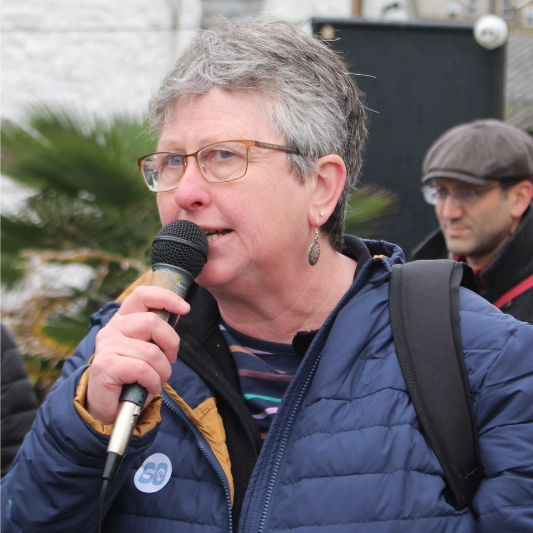
Responding to comments from ex-prisoners that they were prevented from speaking Welsh by prison officers during their time in Berwyn prison Siân Howys, Cymdeithas yr Iaith Deputy Chair with responsibility for Campaigns said: “Despite these being claims for periods up until 2022, there is nothing to suggest that the situation has changed.
“Prisoners are in a vulnerable position, if officers threaten to punish prisoners for speaking Welsh they will hardly feel able to make a complaint about it.
“The Welsh Language Commissioner can investigate concerns, and we call on her to do so, without waiting for an official complaint.
“She has said that she has a meeting with prison officers next month, the role of the Welsh Language Commissioner is to ensure that no one is prevented from speaking Welsh and to ensure that the Welsh Language Measure is implemented effectively.”
“The fact that the Prisons and Probation Service has a voluntary language scheme under the old Language Act 1993 regime is a fundamental weakness. Cymdeithas yr Iaith is calling for the prison service and other bodies such as the Passport Office, DVLA, the Department of Work and Pensions, which all currently have a language scheme, have Welsh Language Standards placed on them.
“Last week there was a disgraceful example of devaluing the Welsh language by the General Register Office in the context of death certificates. We understand that this Office comes under the Passport Office, and they should certainly come under the Standards as well.
“Cymdeithas yr Iaith is calling on the Secretary of State for Wales and the Welsh Government to ensure that they place Welsh Language Standards on all Crown bodies.
“The Welsh Language Standards set statutory expectations on bodies and the Welsh Language Commissioner can take action and punish bodies that don’t comply with them.
“The Welsh Government has been very slow to give the Welsh Language Commissioner the right to set these Standards on bodies, and this is the latest example among many to show that this is taking away the freedom to use the Welsh language.”
“Security reasons”
A Prison Spokesperson said: “We welcome the use of the Welsh language by prisoners, visitors and staff, and take all complaints seriously.
“There are occasions when prisoner communications are restricted to English for security reasons.”
Chair of the Welsh Affairs Committee Ruth Jones MP said: “Suggestions that the rights of inmates to speak Welsh at HMP Berwyn are not always being respected are troubling and seem to be symptomatic of more general problems we’ve heard about the approach to the provision of the language in prisons in Wales.
“The same researchers have outlined their concerns to our committee about how this provision is assessed by the prisons inspectorate and I have now written to the Chief Inspector of Prisons on the matter.
“The Chief Inspector has previously committed to ensuring that prisons communicate effectively with all prisoners, and I intend to work with all relevant parties, including the leadership team at HMP Berwyn, to ensure there is true inclusivity when it comes to Welsh speaking inmates.”
The Committee is currently carrying out an inquiry into prisons, probation and rehabilitation in Wales.
The Welsh Government said: “We are proud of the progress made during this term of the Senedd in extending Welsh language standards to health regulators, water companies, and more public bodies. We also intend to lay final regulations for housing associations early in 2026.
“Setting priorities and preparing an action plan beyond this term is a matter for the next Government.”
Efa Gruffudd Jones, Welsh Language Commissioner, said: “As an organisation that operates a Welsh language scheme, and in accordance with the Welsh Language Act 1993, the Prison Service is required to submit a scheme to the Commissioner outlining how it will meet the necessary requirements in providing Welsh language services.
“The Prison Service has recently submitted a revised language scheme, in which it commits to improving its provision for prisoners and the public. These commitments build on the Commissioner’s previous work, including a report that formed the basis of the earlier scheme.
“I have a meeting scheduled with the Governor and senior managers of Berwyn prison to discuss the contents of the scheme and to ensure that the identified improvements are being implemented.
“The issues raised in this research are concerning and suggest that the fundamental rights of Welsh speakers are not being adequately considered. I agree with the calls in the research to ensure that language rights are fully respected.
“This situation underlines the need to extend Welsh language standards to UK Government bodies, such as the Prison Service, to ensure that Welsh language provision is strategically planned and consistently implemented across Wales. This is one of the key priorities in our manifesto and is essential to ensure linguistic fairness for Welsh speakers in all aspects of their lives.
“The forthcoming meeting will be an opportunity to discuss these issues and to ensure significant improvement in provision in the future.”
Support our Nation today
For the price of a cup of coffee a month you can help us create an independent, not-for-profit, national news service for the people of Wales, by the people of Wales.


This issue is endemic in the Welsh Government.
Their procurement support site discriminates against Welsh speakers, I sent a freedom of information request and had no meaningful response
https://www.gov.wales/welsh-government-and-social-value-portal-introduce-well-being-reporting-across-wales
Johnnny Bull orientated prison officers will have no regard whatsoever for a language they consider “foreign”. In some cases Welsh speakers will be seen as no better than terrorists as they undermine their cosy sense of Englishness.
Security reasons. Warthus
Time for Welsh organisations to start taking the native language seriously across the board.
This is absolutely appalling and outrageous in a prison in Wales. Moreover, it is surely unlawful and should be vigorously challenged in a court of law.
If the convicted criminals cared about the rights of their victims they wouldn’t be there in the first place.
I used to use the lack of Cymraeg speaking prisoners as an example of the lower cost on the taxpayer than English or English speaking comparisons. These individuals and those championing them are obviously kicking that argument into touch.
So all prisoners regardless of their crime are not entitled to speak their first language. Mmmmm