


Covid crisis was ‘detrimental to brain health’ – study
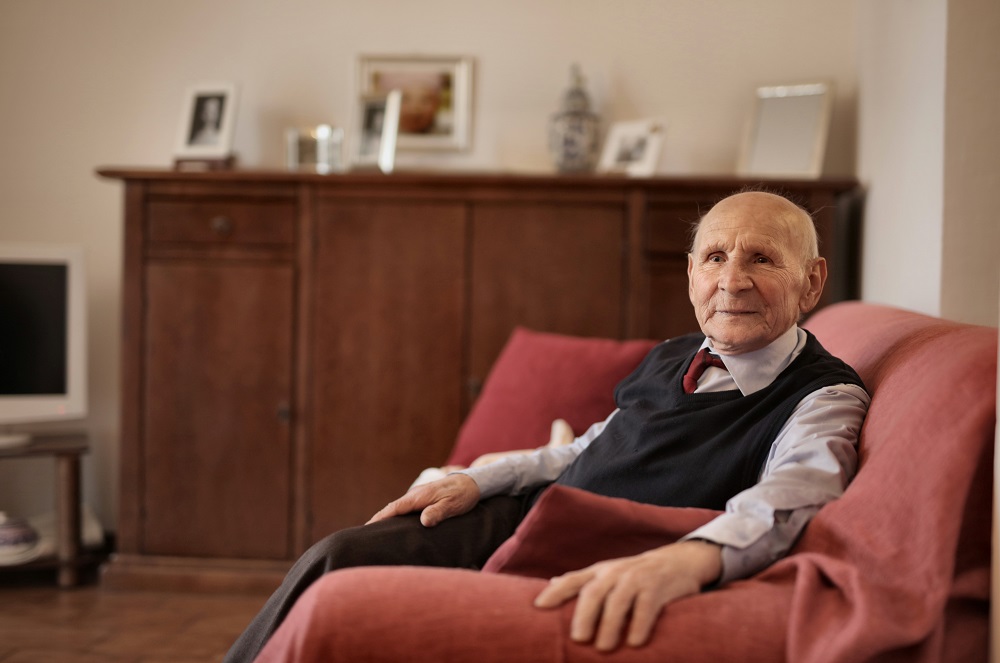
The Covid-19 pandemic was “detrimental” to brain health, even among people who were never infected, a new study suggests.
Academics suggest the strain on people’s lives – from isolation for weeks on end to the uncertainty surrounding the crisis – may have aged the brains of the nation.
They found that brain ageing during the pandemic was “more pronounced” among men, older people and people from deprived backgrounds.
Brain ageing models were trained on more than 15,000 healthy people.
These were then applied to almost 1,000 people taking part in the UK Biobank study – a long-term study tracking the health of middle and older aged adults.
Brain scans
Half of the group had brain scans before the pandemic while the others had brain scans before and after the global crisis.
After looking at the scans, academics said that the pandemic “significantly” accelerated brain ageing.
This was assessed by their brain age, as determined by the scans, compared with their actual age.
The research team found that, on average, the scans taken after people had lived through the crisis had a “5.5-month higher deviation of brain age gap”.
“We found that the Covid-19 pandemic was detrimental to brain health and induced accelerated brain ageing… regardless of SARS-CoV-2 infection,” the experts from the University of Nottingham wrote in the journal Nature Communications.
Brain ageing rates
Dr Ali-Reza Mohammadi-Nejad, who led the study, said: “What surprised me most was that even people who hadn’t had Covid showed significant increases in brain ageing rates.
“It really shows how much the experience of the pandemic itself, everything from isolation to uncertainty, may have affected our brain health.”
The research team also examined whether having Covid-19 affected someone’s cognitive performance by examining the results of tests taken at the time of the scans.
They found that people who were infected with the virus appeared to perform more poorly on cognitive tests when they were assessed again after the pandemic.
Professor Dorothee Auer, professor of neuroimaging and senior author on the study, added: “This study reminds us that brain health is shaped not only by illness, but by our everyday environment.
“The pandemic put a strain on people’s lives, especially those already facing disadvantage. We can’t yet test whether the changes we saw will reverse, but it’s certainly possible, and that’s an encouraging thought.”
Support our Nation today
For the price of a cup of coffee a month you can help us create an independent, not-for-profit, national news service for the people of Wales, by the people of Wales.



This period also includes the launch of GB News.