


Planning report reveals history of ‘nationally important’ site in rural Wales
Dale Spridgeon – Local democracy reporter
A new planning report has revealed the diverse history of a peaceful corner of rural Wales which saw bombings, bards and pilgrims as well as providing home to exiled Polish servicemen.
The report has been commissioned as part of the planning conditions for a housing development on land in the Pen y Berth area of Penrhos on the Llŷn Peninsula.
During World War II it was the home of RAF Penrhos and had been the site of a bombing school established in 1936.
The RAF base was heavily targeted by the Luftwaffe during the Second World War and endured several bombing raids between July and October 1940.
One event is vividly described in the details of a Cyngor Gwynedd archaeological planning report.
Written by Aeon Archaeology the document cites an account by L.A.C. (CPL) Peter Baxter, who said of one of the raids: “We had been thrown to the floor… a German Bomber overhead, a Dornier 217 with its machine guns rattling away” (Annand, 1986; Parry & Stokes, 2022).
The last use of the site was as a home for expatriate Polish, which had grown out of the disused RAF base and its buildings.
Refuge
The Polish Village at Penrhos, the report said stood “as a vital cultural, social, and historical refuge for displaced Polish nationals in Britain after World War II”.
It added: “This community, deeply rooted in the Polish contribution to the Allied war effort, became a haven for those unable to return to Poland.”
It also details the site’s area’s medieval origins, its transitioning manorial estate and farming history from the 16th – 19th centuries, and includes tales of bards, pilgrims, dissident Catholics and its influence on Welsh nationalism.
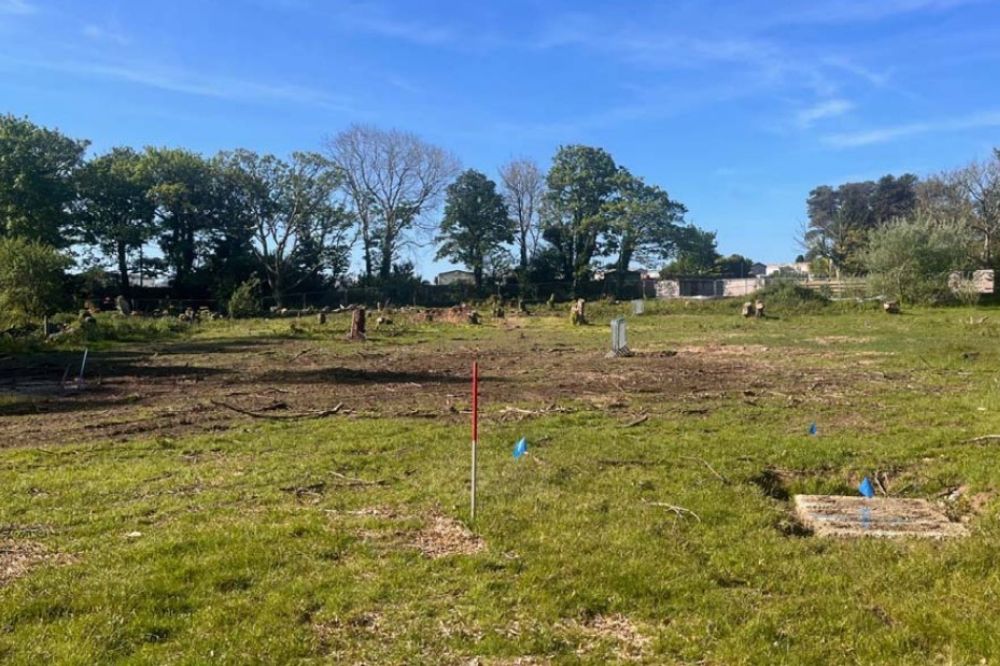
The latest chapter in the area’s history will see work at the Polish Village site to create 107 new homes, in a development by Clwyd Alyn Housing Ltd & Williams Homes (Bala). The first phase is expected to deliver 44 new homes.
The report aims to record the “significant, nationally important” site, logging it’s various roles in both modern Welsh and Polish history, and its wartime architecture that still survives.
It tells how in 1936, the British government had purchased Pen y Berth, described as “a culturally significant” farmstead of approximately 250 acres to build an RAF bombing school.
Poets
Historically, the area had also been known as a home to a prominent recusant Catholic dissenter family in the late 16th to early 17th century.
It also served as a patronage centre for Welsh poets and as a way-station for pilgrims travelling to Bardsey Island.
But the area would also become a place of “controversy,” the report said.
In 1936, when the British government decided to construct the RAF bombing school and aerodrome, it meant the historic Welsh farm’s demolition.
Welsh nationalists, including Saunders Lewis, the poet, politician and dramatist, had viewed this as “an affront to Welsh identity, language, and culture,” the report said.
Lewis, co-founder of Plaid Cymru, had emphasised the importance of
cultural nationalism and the revival of Welsh traditions.
The report noted that the “bombing school was seen by many inhabitants of the Llŷn Peninsula as a form of colonial rule”.
“Lewis famously criticised the British government for transforming Pen y Berth from a place of culture to one that would instead “promote a barbaric method of warfare. (Morgan, 1981; Parry & Stokes, 2022)”.
But the report also stated that the establishment of RAF Penrhos, in 1937, also marked “a significant turning” point in the history of the Llŷn.
Construction took place through the late 1930s and early 1940s, resulting in an airfield, barracks and depots.
Despite the outcry, the RAF bombing school and airfield played an “essential role” in the UK’s war efforts, training airmen for bombing and gunnery operations, air observations and it hosted various units, the report said.
Armament training continued throughout World War II, and the Llŷn Peninsula used for offshore bombing practice.
The Penrhos Polish Village would eventually grow out of the disused air base.
The transition from a wartime base to a thriving Polish community presented “challenges” but “gradually reshaped Penrhos’ social and cultural identity”.
The RAF site was “initially equipped with wooden Air Ministry Type A Huts, the site’s facilities were later supplemented by concrete buildings and hangars”.
The report noted “over the decades, Penrhos Polish Village became not only a sanctuary for those displaced by war but also an example of successful integration and cultural preservation”.
Landscape
It added: “Today, remnants of its wartime past, such as hangars and air-raid shelters, remain alongside modern residential buildings.”
This included wooden huts, originally intended to last 10-15 years, which have “endured for over 80 years” in the Polish Village.
The report noted “proposed developments aim to preserve key elements of this landscape, including the Polish Village, while limiting impacts elsewhere”.
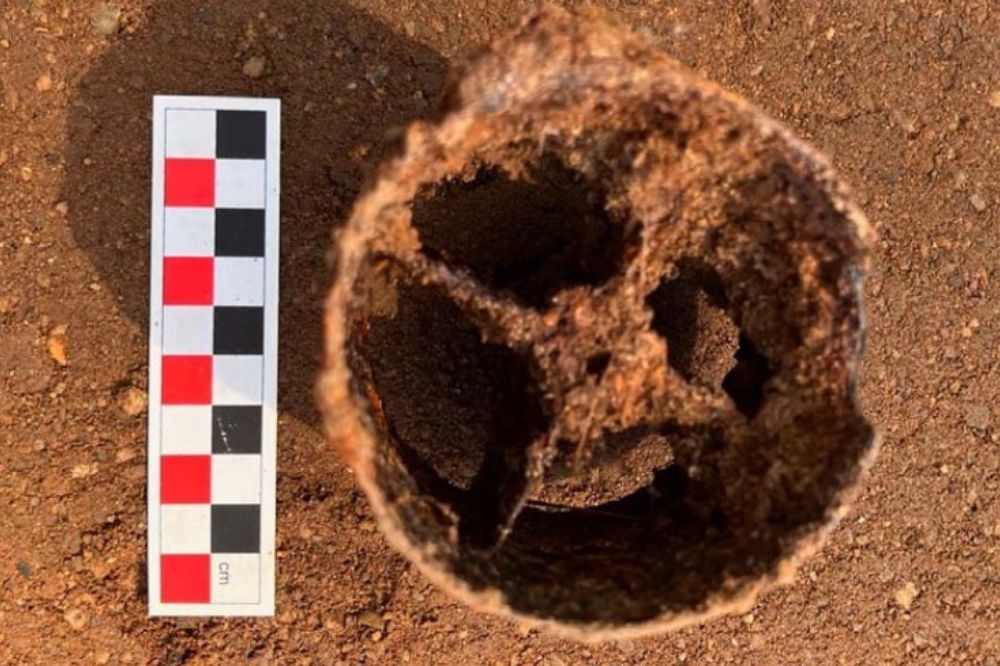
The report also documents artefacts recovered during archaeological trenching at the site including a tail fin from a 10lb British practice bomb.
“These small bombs were routinely used in training exercises to drill bomber crews in air-delivered targeting techniques and are commonly encountered on or around former RAF training bases,” it said.
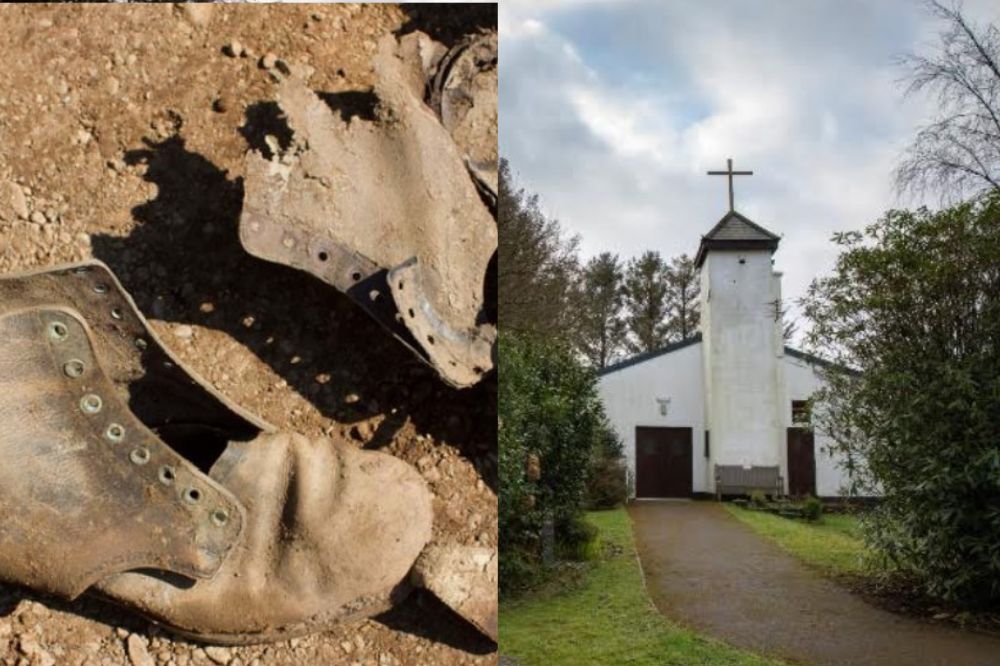
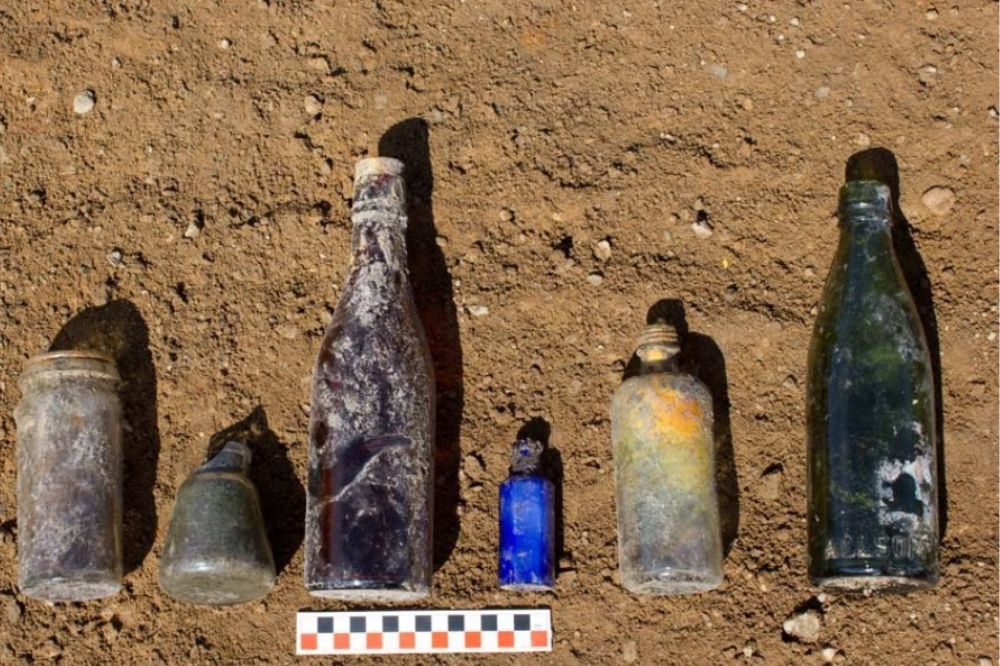
Other finds included items including a heavily degraded pair of British military issue boots, consistent with post-war production dating to the late 1940s or 1950 as well as a number of old glass bottles, and other small remains of equipment and items of everyday life.
The report noted that due to the nature of the site there is some potential for sensitive remains on-site.
If there, it notes “…could be in the form of human remains (where concealed or displaced burials can occur during times of conflict)”.
It could also be “in the form of unexploded ordnance, relating both to stored munitions and live unexploded bombs”.
Support our Nation today
For the price of a cup of coffee a month you can help us create an independent, not-for-profit, national news service for the people of Wales, by the people of Wales.


