


Stroke patients at higher risk by travelling to A&E themselves, charity warns
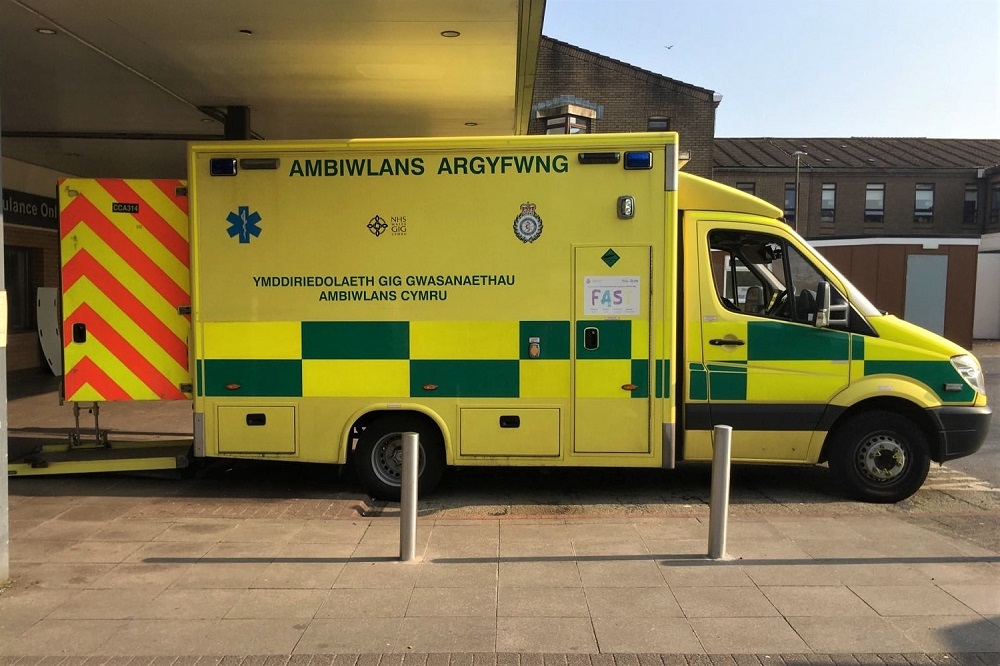
A rising number of stroke victims are putting themselves at risk by taking themselves to A&E instead of waiting for an ambulance amid concerns about long waits for an ambulance, a charity has warned.
Stroke patients who seek help via 999 have a better chance of getting specialist help, the Stroke Association said.
The charity acknowledged people’s concerns about ambulance wait times, but this is still the “fastest and most efficient way to get the best treatment and care for stroke”.
A stroke occurs when the blood supply to part of the brain is cut off and it is classed as a medical emergency.
Timely
Certain treatments can reduce the risk of death and long-term disability if they are delivered in a timely way.
But new analysis from the Stroke Association shows that a stroke patient makes their own way to A&E, instead of arriving by ambulance, every 22 minutes across England, Wales and Northern Ireland.
Overall 26.8% of stroke patients – some 23,491 people – reported making their own arrangements to get to the hospital in 2024/25, according to the Sentinel Stroke National Audit Programme.
It is the highest number since the stroke audit began more than a decade ago.
The figure has been steadily rising over the last few years, standing at just 19.4% in 2020/21.
999
The Stroke Association is encouraging people to call 999 rather than making their own way to A&E, saying this is the fastest way to get specialist stroke treatments.
Paramedics know which units are the best for emergency stroke care – which are not available at all hospitals, it added.
Ensuring patients get to these specialist hubs means they are more likely to get timely access to stroke treatments including a procedure to remove the blood clot causing the stroke, known as a thrombectomy, or fast-track brain scans – which can be requested before an ambulance even arrives at the hospital.
They can also be admitted straight to an acute stroke unit which has been shown to improve a patient’s survival odds and leads to better recovery among stroke victims.
The charity highlighted how timely treatment is essential to increase the chances of a patient surviving a stroke and to minimise brain damage which can leave stroke survivors unable to move, see, speak or swallow.
‘Medical emergency’
Professor Deb Lowe, medical director of the Stroke Association, said: “Stroke is a medical emergency so anyone who is experiencing symptoms should call 999 and wait for an ambulance.
“We have long supported the NHS’s Fast campaign which highlights the most common symptoms of stroke – facial drooping, arm weakness, slurred speech – as that’s when it is time to call 999.
“Even with the undeniable pressures the NHS is experiencing, we stand firm on that advice as it is the best way to get rapid and evidence-based care.”
She added: “The UK’s population is ageing rapidly and we’re expecting the number of people having strokes every year to rise by 50% to 151,000 by 2035.
“It is vital each and every person affected by stroke gets the treatment they need as quickly as possible.
“We do understand people’s concerns about long ambulance waits but, in most cases, it’s still the fastest and most efficient way to get the best treatment and care for stroke.
“This is especially pertinent when supported by technologies, such as prehospital video triage, which can help diagnose stroke on the road to a specialist stroke unit.
“Getting to the right place for rapid and effective treatment can make the difference between a stroke patient walking out of hospital or leaving in a wheelchair.”
The charity pointed out that in July, the average ambulance response time for category 2 calls, which includes stroke, was 28 minutes and 40 seconds – within the current 30-minute target.
And it said that ambulance handover times – how long a patient waits in an ambulance before being taken into hospital – have been decreasing in recent months, though the average is still above the 15 minute target.
Support our Nation today
For the price of a cup of coffee a month you can help us create an independent, not-for-profit, national news service for the people of Wales, by the people of Wales.



Unfortunately the ambulance response times are so bad that self referral may be a better bet in which case publishing the location of stroke services might be a better option.
This is all well & good in theory but relies solely on the ability and efficiency of the ambulance getting to a patient quickly , as per FAST guidelines. My brother had a bleed three weeks ago and was quoted a minimum 3.5 hour wait for an ambulance, not 30 minutes for a suspected stroke/ brain bleed. His wife & son got him to hospital within an hour after seeking guidance from 999. I have little doubt his outcome and stay in hospital would’ve been longer if he’d been forced to wait for 3.5 hours an ambulance to arrive that… Read more »
The fact that the stroke unit in Merthyr has been moved to Llantrisant someone having a stroke between Brecon & Llandovery would be lucky if they got to hospital within 2 hours if they waited for an ambulance,