


Study reveals gaps in palliative care access in Wales
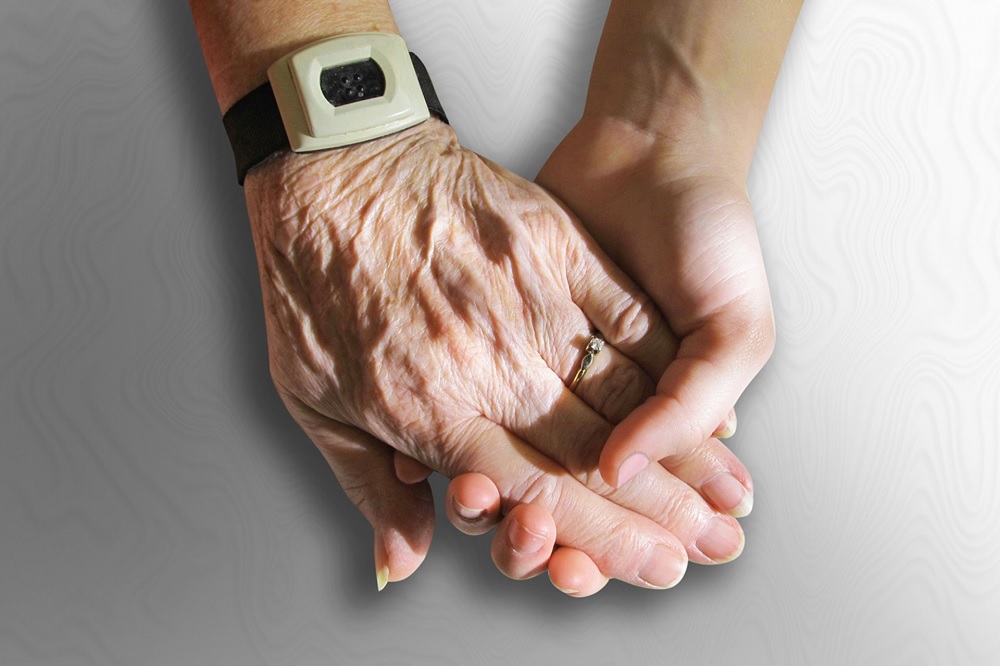
A new study has revealed major disparities in access to palliative care in Wales, highlighting the need for earlier identification and stronger support for people at the end of their lives.
The Swansea University research, published in The Lancet Regional Health – Europe, analysed population-scale data to examine how people used health and care services in their final year of life.
It found that while most people spent much of their last year at home, demand for urgent hospital care rose sharply as death approached.
The study showed that those registered for palliative care were more likely to receive support at home and had shorter stays in emergency hospital settings, due to faster discharge processes. In contrast, people living in care homes – both with and without nursing – accessed fewer health and care services in their final year.
Inequalities
However, the researchers uncovered significant inequalities. Men, urban residents, those living alone, and people in deprived communities were all under-represented on palliative care registers, raising concerns about whether the current system adequately serves the most vulnerable groups.
Professor Rhiannon Owen, who led the research from Swansea University’s Faculty of Medicine, Health and Life Science, said:
“This work, enabling a system-wide evaluation for the entire population of Wales, was only made possible by linking anonymous health and administrative data through the SAIL Databank. Our findings provide a vital, evidence-based foundation to support ministerial policy in designing more efficient, compassionate, and equitable end-of-life care in Wales.”
Earlier identification
The research was carried out in response to the Welsh Government’s National Programme for Palliative and End of Life Care and commissioned via the Health and Care Research Wales Evidence Centre.
The team concluded that earlier identification of people who could benefit from palliative care is critical, alongside greater investment in home-based support.
They also stressed the importance of system-level planning and data-driven approaches to cope with rising demand for end-of-life services.
Support our Nation today
For the price of a cup of coffee a month you can help us create an independent, not-for-profit, national news service for the people of Wales, by the people of Wales.


