


Wales records UK’s earliest ripe blackberry as season starts weeks early
Nation.Cymru Staff
The earliest ripe blackberry in the UK this year has been recorded in Wales, raising questions about how recent weather and a changing climate may be affecting nature.
The Woodland Trust shared the news on social media on 9 July, announcing that its Nature’s Calendar ‘citizen science project’ was open for submissions.
The project invites members of the public to record sightings of birds, amphibians, insects, grasses, flowers, fungi, shrubs, and trees to help track how wildlife responds to changing weather.
The Trust then analyses the observations gathered through the survey to predict how wildlife will be affected as the climate changes.
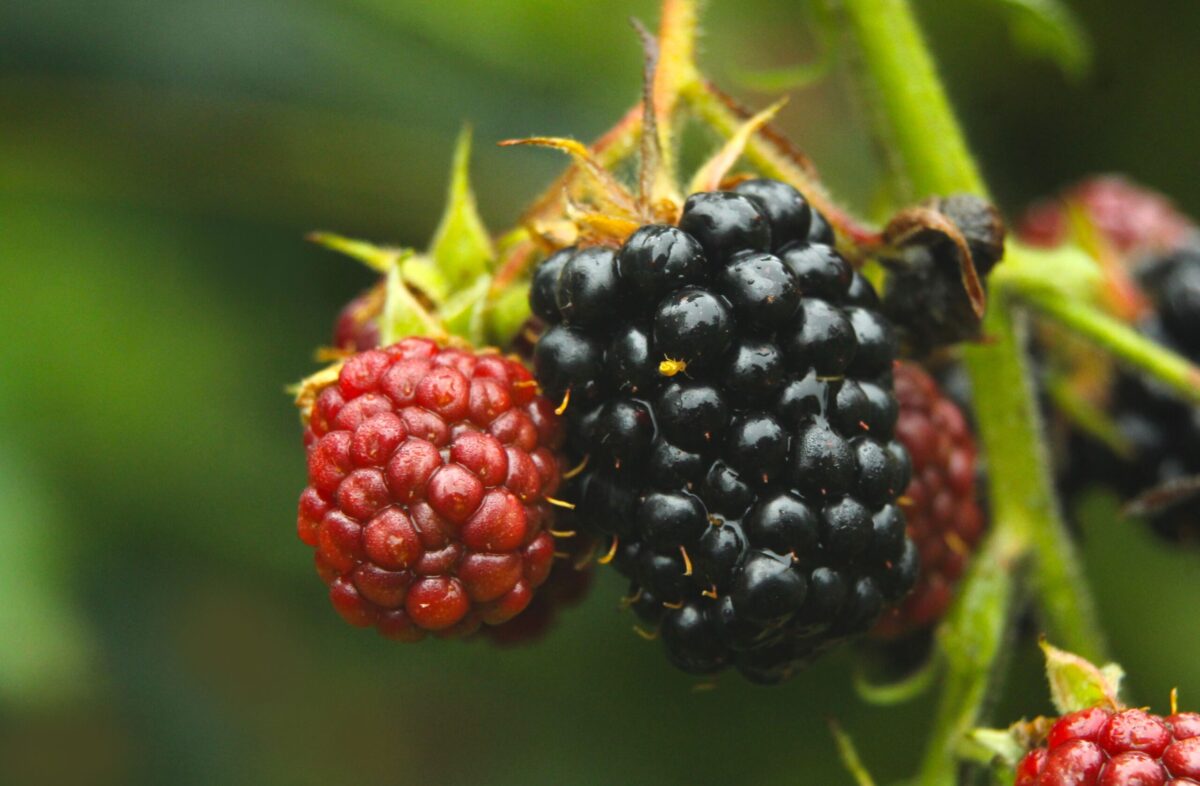
They wrote: “Ripe blackberries were recorded on 28 June near Swansea, Wales. This could be an early sign of high insect activity and pollination rates, possibly leading to an abundance of fruit crops.
“However, early fruit ripening could also be a response to the recent heatwave across much of the UK.”
The Trust highlighted that brambles require specific weather to develop blackberries, with little frost and warm springs providing optimal conditions.
They explained that early May 2026 had below average temperatures, while the second half of the month saw record breaking heat, which may explain the earlier appearance of fruit.
The post continued: “Help us understand how nature is responding to the weather and climate change by recording when you see a ripe blackberry this summer!
“Tip: do a ‘squish test’ to check if the berries are ripe. If they still feel hard, that means they’re not ready yet, but you only need to find one ripe berry on a bramble bush.”
Nature’s Calendar data suggests the average first ripe blackberry is usually recorded in early August, making the Swansea sighting several weeks earlier than expected.
Pointing this out, Henry Rossiter from the Belmont Estate, who also found a ripe blackberry in early July, shared concern, writing: “A study published via the The National Institutes of Health, analysing 419,354 first-flowering records across 406 UK plant species since 1753 found that since 1986, first flowering has advanced by almost a month on average!
“That’s a system shifting, not a single plant having a good year… Warmer springs bring volatility, reduced winter chilling, desynchronised flowering, and unpredictable harvest windows that hit yield directly.
“This is where climate, nature and food security SHOULD stop being separate conversations. Shifting seasons are the operating environment for every farmer and food business in the country.
“Healthy soils and functioning habitat are the buffers that make land and the food it produces more resilient to that disruption.”
Others shared that they had found ripe blackberries far earlier in the season than normal, with one writing: “Picked the first blackberry on the allotment on 27 June this year was still picking strawberries – it’s not normal.”
However, a commenter in north Wales shared that brambles in their area had not yet finished flowering, and that it was “very dry, so they will probably be tiny again, like last year.”
The Woodland Trust’s Nature’s Calendar database now contains around 2.9 million records and is believed to be the longest continuous biological record of its kind in the UK. To add to the records, visit the calendar here.
Support our Nation today
For the price of a cup of coffee a month you can help us create an independent, not-for-profit, national news service for the people of Wales, by the people of Wales.



There are two main species of wild blackberry in Wales. Rubus caesius which is mainly found in coastal margins like Gower and Pembrokeshire which actually fruits later in hot dry summers and then there is Rubus fruticosus or common blackberry which does fruit earlier in hot dry summers. Their early fruiting is more as a result of good bio-system of pollinating insects, which is a good thing, however, it’s usually to have the fruit ripen throughout the season, even on the same droop, from July through to September. Green, red and black.