


Britain’s Murder Map: Exclusive interview with Vicky McClure and Jonny Owen

In a unique historical crime series, actress Vicky McClure, and her historian husband, Jonny Owen, travel the UK exploring historic, culturally significant crimes that have changed the face of modern Britain.
Britain’s Murder Map sees the married couple investigate unsolved murders, miscarriages of justice and milestone cases that have changed the law. Speaking to experts, historians, police officers and victims’ families, they examine the lasting impact each murder has left on the community and why these cases still resonate today.
Joining Vicky and Jonny across their journey through these crimes are a range of contributors, including Trainspotting author Irvine Welsh, historians Dr Fern Riddell, Huw Williams, Phil Carradice, criminologist Professor David Wilson and more, as well as families of both victims and suspects.
Episode One – Burke and Hare
Tuesday 7th April
Vicky and Jonny head back to Edinburgh in 1828 to examine how the proliferation of private medical schools needing a fresh supply of corpses for dissection lead to the phenomenon of grave-robbing and the infamous murders of serial killers Burke and Hare. Features Trainspotting author Irvine Welsh, who took inspiration from the Burke and Hare case for his other works and historian Owen Dudley Edward, often considered the authority on the murders.
Episode Two – 10 Rillington Place
Tuesday 14th April
Vicky and Jonny examine what led to the biggest miscarriage of justice in British Criminal history; the execution of Welshman Timothy Evans in 1950 for crimes committed by John Christie. To understand more, Jonny visits his – and Timothy Evans’ – hometown of Merthyr Tydfil and together the duo meets experts who shed new light on the case, including Edward Fitzgerald CBE KC who represented the Evans family in the case of his wrongful execution.
Episode Three – Bible John
Tuesday 21st April
This time Vicky and Jonny explore the relationship between the press and the police in 1960’s Glasgow as a manhunt was underway for a serial killer the press labelled ‘Bible John’. Vicky and Jonny examine the case, how the victims were treated by both the press and the Police, sitting down with people on both sides and examining theories about an explosive cover up. Actor Jonathan Watson (Two Doors Down, Only an Excuse?) discusses his former neighbour Joe Beattie, detective involved in the original enquiry.
Episode Four – Kelso Cochrane
Tuesday 28th April
Vicky and Jonny travel to Notting Hill in 1959 to examine how racial tensions in the area lead to Antiguan carpenter Kelso Cochrane’s murder. The duo explores why nobody was ever charged with his murder despite damning evidence and how Kelso’s death inspired change in the community with the Notting Hill Carnival. Dr Jak Beula, a cultural activist helping to memorialise Britain’s rich and diverse history, introduces the duo to the case, and DJ Norman Jay MBE breaks
own the iconic history behind Carnival.
Episode Five – Dr Crippen
Tuesday 5th May
This time Vicky and Jonny go back to North London in 1910 and ask new questions about the treatment of Edwardian women in the context of Cora Crippen, who was murdered by her husband Dr Crippen. True crime historian Lindsay Siviter and Dr Fern Riddell, a historian specialising in gender, sex and Victorian culture join the duo to ask: why is this domestic murder remembered as one of the most sensational cases in British criminal history?
Britain’s Murder Map with Vicky McClure and Jonny Owen starts Tuesday, April 7 at 9pm on Sky History and History Play.
INTERVIEW WITH VICKY MCCLURE AND JONNY OWEN
Why did you want to do take on this series?
Jonny: I’m a massive history buff. I studied history for my degree and loved it so I’ve always been interested in doing something historical-based. When we first spoke to Sky History, we spoke about doing cases that had a historical impact on the country, on the world, really. Ones that changed laws and the cases that you should know about, you should be taught, in many respects. So we wanted to do something that was interesting to us, but also had a historical impact. But I think the biggest reason was to do something really interesting, not just the crime itself, but the era, the city, all that kind of stuff. It was a personal one for me as well, because obviously cases like John Christie and Timothy Evans (Timothy Evans and Jonny are from the same town in Wales), were something I heard about when I was a young boy. And it was a good chance to work together as well!
Vicky: I was just about to say that! When we did My Granddad’s War, it was made for educating other people. I always think whether it’s drama or factual, when you go away knowing more than you did before watching, it’s done its job. It was a great opportunity to work together. But also, I know how incredibly studied he is. It was an opportunity for people to see that as well, because I’m kind of thinking, “Wow, oh, my God.” Whereas Jonny’s got a lot more information in his brain than I do in that kind of regard. So we work quite well together, where he can actually explain things to me in layman’s terms,. And so, if you’re wanting to educate people in history, then I think there are certain ways that can make sure people take an interest for the right reasons.
This is not true crime, it’s a history lesson because you explore the societal context these crimes were unfolding in. Was that important to you?
Vicky: Yeah. I feel like now more than ever because of the way of the world, whether it’s through social media, or the news, , we need to make sure there’s context to what we’re looking at.
Jonny: I think with this it was important that we give context at the time, it was something we were constantly talking with each other about during filming.
Vicky: I’ll go, “Oh, my God, that’s awful,” and then he’d go, “Well, actually, in that time that’s what the law was!” I think you can be appalled, but it’s a time when history didn’t know any different, and that’s how women were regarded, or that’s what the law stated because of this reason. And actually what we found was some of the cases, because of those awful murders, it did change the law for the better. And that was always something that we were really keen to make sure we got right, so that people can see what can happen, and still does now. Even though it’s difficult to change a law, it’s not just a quick fix.
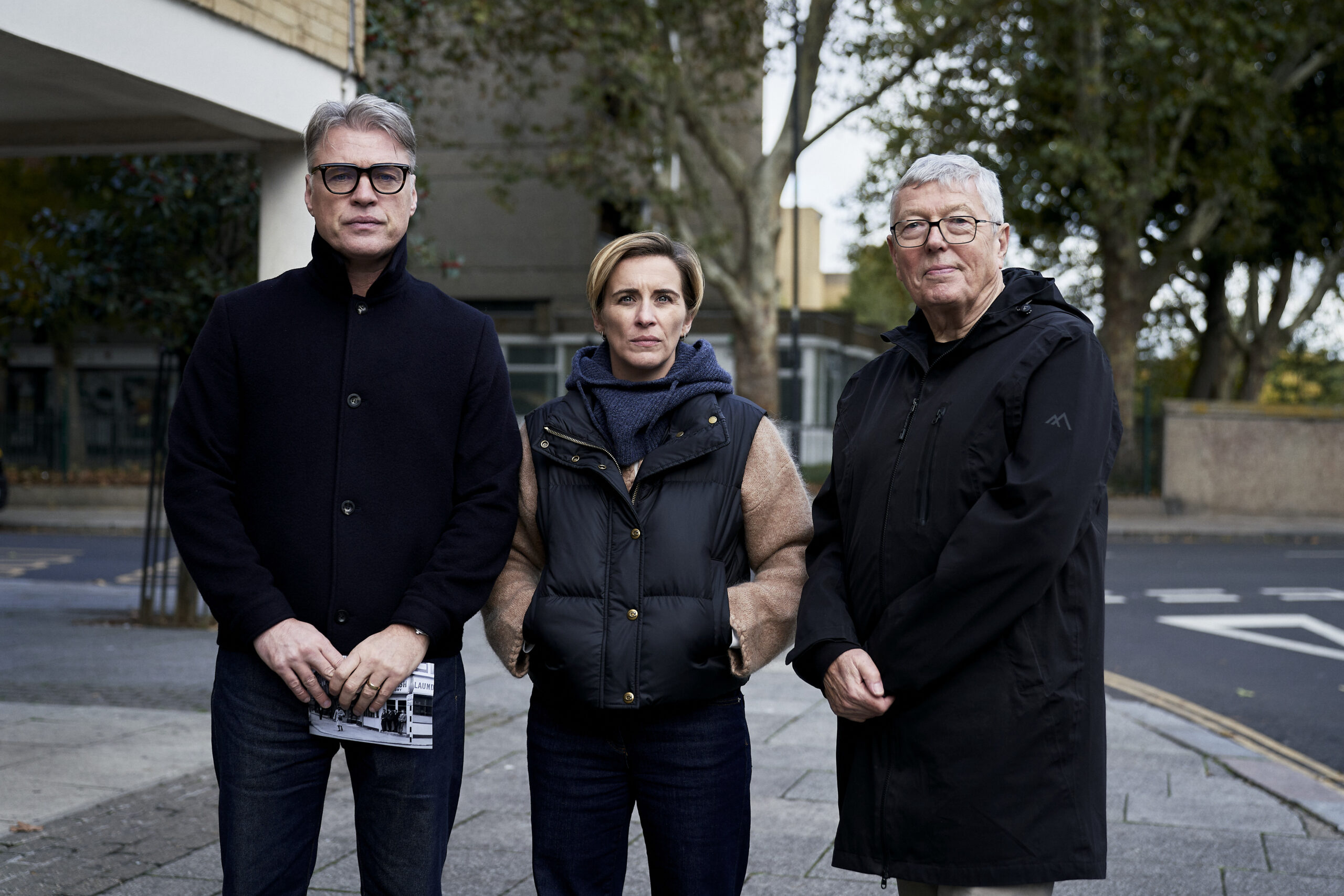
Jonny: You realise attitudes and laws are constantly evolving. It’ll be different in 20, 30, 40 years. One of the interesting things is that technology has evolved so quickly that it’s more difficult to be a criminal anymore. You can get caught much more quickly now and that’s something we kind of take for granted. We had some brilliant criminologists and crime historians who were excellent in the series, who helped contextualise the technological scene to us. This has changed already in the last 20, 30 years, and especially a hundred years back. We’re talking about cases like the body snatchers in Edinburgh. Often they were known as body snatchers, but what they’re famous for in history, they didn’t do. They were serial killers, actually. So it was things like that that you learn on this show that you might not know. We’re almost correcting the record, or the myths.
Vicky, you say Jonny brings the educational side to the show, what do you bring?
Vicky: I’m the viewer just being like, “Really? Did that actually happen?!” I’m just an ordinary person really. I am. I might have an extraordinary job, but at school I didn’t take to history, science, maths, all those kinds of things. It wasn’t me. I was always wanting to just perform and be in those kinds of spaces. But what you learn as an actor is you have to educate yourself on whatever it is you are playing. And so therefore, because of Line of Duty, I have done work with the real police outside of the show, and that made me interested in crime. No matter what the topic is, you’ve got to educate yourself, and that has to come from history and people’s experiences. And I’m really nosy! I’m one of those really nosy people, I like to know everything. I like context. So for me, this was all about questioning whatever it was I was being told.
Jonny: Vicky is brilliantly emotionally intelligent as well. As you see in the series, she’s fantastic with people. Meeting victims’ family, and handling that brilliantly, which is a really, really difficult thing to do and she was fantastic. I think we’re a bit of a double act really, like George and Mildred. Mildred was always the emotional intelligent one compared to George. I think Vicky brings amazing things in that respect. Sometimes if you’re a bit cold-eyed and just looking at the analysis and all that, , bringing that sort of emotional intelligence can change the dynamic.
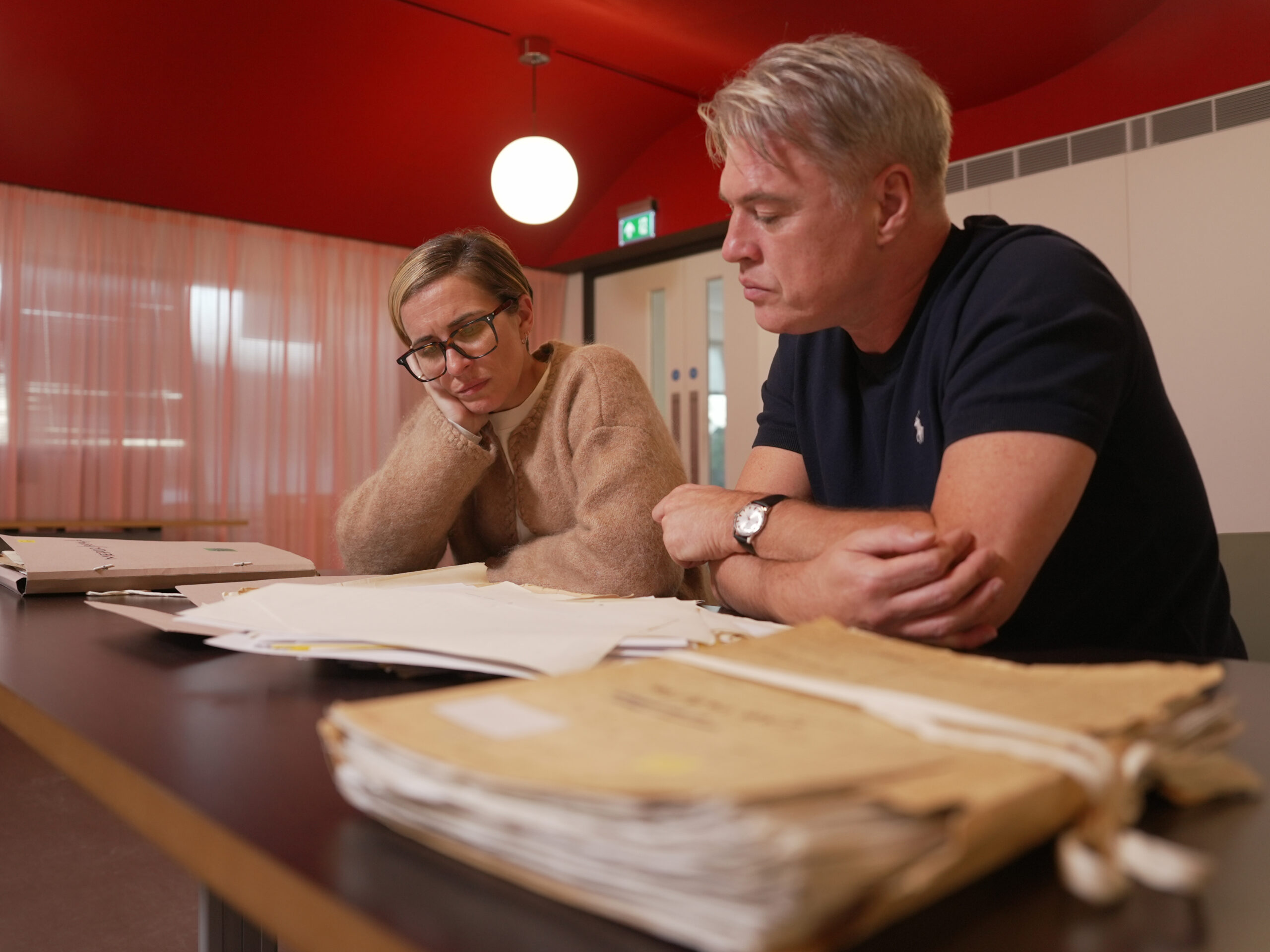
Vicky: Well, I tend to jump to my own conclusion! Do you know what I mean? Then I’ll make an assumption, and the guilty is charged before I’ve got all the facts. And Jonny’s great at sort of going, “Wait, wait, wait. Hold on!”
Is that because he’s a researcher?
Vicky: Yeah, exactly. One person will tell you, “Go with your gut,” and then another person will tell you, “Don’t go with your gut. You need all the facts. And every case is so different.” But I think we’re all curious, and we all want the truth. We all want the victims to have justice, whatever that looks like. And because predominantly a lot of the people that were killed throughout the show were women, I guess there was a part of me that was feeling like you’re on the back foot again, where you want justice for these people. The show was never about finding new information and reopening these cases and so on. But it was about digging deeper because of where we are now. And if we’re able to open up a file, brilliant, because there are still members of families that are still living and still wanting to know what happened to their loved ones.
Vicky, fans know you from shows like Line Of Duty and Trigger Point, and now you’re doing this crime based show. What is it about crime that draws you in?
Vicky: It’s all been written in the stars, I’ve not lent into that, I don’t think. I think we’re getting out of it a little bit now but the industry just wanted a lot of crime thrillers, and they’ve made a lot of crime thrillers. So for a lot of actors, that’s kind of all that’s been on the table for offerings. I think it’s important to call a spade a spade and go, “It’s not like there’s loads of comedies out there for us all to go, ‘Well, let’s pick which one we want to do’.”..I am just lucky that with Line of Duty in particular, Jed has always been very clever at using stories that are happening in the real world, and finding ways to educate people and to highlight certain issues within the police that really do need to be highlighted. He’s able to do that dramatically, and create an audience that stuck with us as long as we have. With Trigger Point, the minute that was put on the table, I was interested, because it was something I knew nothing about. I actually didn’t really know who, why, and how, then all of a sudden you put somebody in that position, especially a woman, which is so rare, I was drawn to it. I like playing strong women. I think that’s because I come from a family of strong women, so it’s something that I’m drawn to. But yeah, I’d rather do crime than petticoats, put it that way!
Do you think working with real police to help with Line Of Duty has made you a better detective in real life?
Vicky: For sure. I mean, there’s no way on Earth I could do either of the jobs, policing, bomb disposal, those kinds of roles. People train for so many years and have to have such a vast amount of experience and bravery, and when you look at all the elements to what it is that makes a really, really good police officer, or a really, really good EXPO, that’s in you, I think. It’s not in me! But what it has taught me is process, character, determination, and being so specific about things, and questioning pretty much everything, whether that’s EXPO or a police officer, you can’t walk into any situation and just think, “Oh, what…” There was an interview we did on this show where they were talking about the police taking statements, and how they took the statement and then went away and wrote it up later, and then that was presented to the jury. And I’m like, “You’ve missed out a whole heap of context here. Even I know that!” The way in which it’s being said to them, one word can have such a detrimental effect to the outcome of that case. We live in a modern world now where we can capture it through listening, or vision, or whatever. But back then, they weren’t thinking like that. And it’s great to have Jonny there to say, “Historically, that’s all they had.” In my head I’m like, “They could have done more!”
In the case of Bible John, nobody’s ever been charged, did you feel a sense of frustration that nobody has been brought to justice for those murders
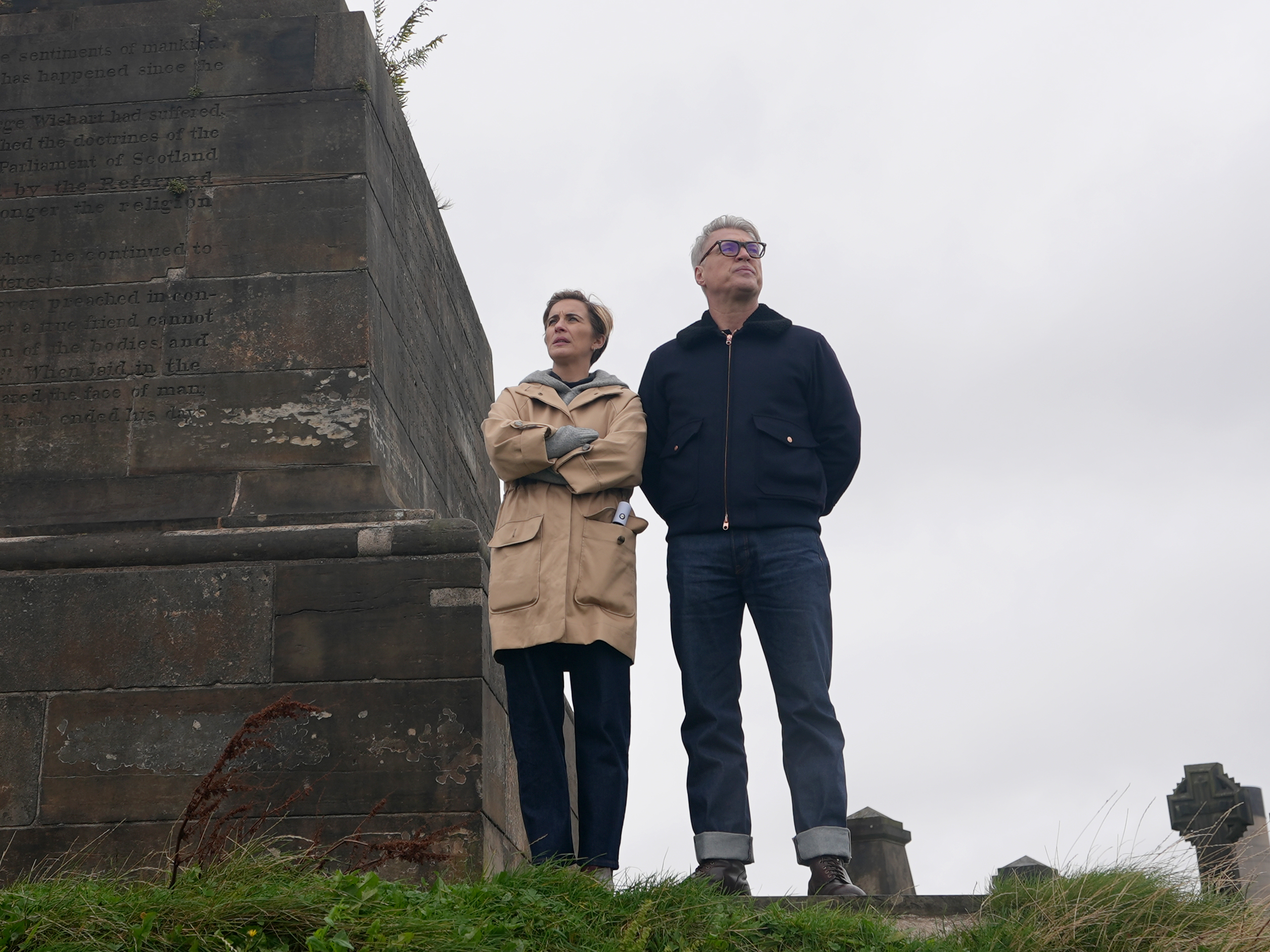
Jonny: Yeah, I think so. I mean, Bible John was very interesting that it needs a re-investigation. Certainly speaking to the family of one of the victims, it seems it was probably not just one killer, it was a few killers. But the press had come up with this name ‘Bible John’, which sort of took off and became so associated with the murders, and also the image. But actually, the police closed themselves off to any other kind of avenue, which is fascinating, really. So it ended up where, in their opinion, it was probably more than one killer I think that’s why something like Bible John ended up becoming almost like a bogeyman for the Scottish kids in Glasgow I first went to Glasgow in 1990, played football in my late teens and I knew Bible John, because his name had traveled that he was this serial killer in Scotland. One of the producers on this, when he was a boy he said his mother would shout, “Come in because Bible John will get you,” it was kind of used. And everywhere we went, they spoke about that to us. But actually, it was possibly not the serial killer they thought he was. But the press had become so obsessed with this one boy that had quoted from the Bible, and they’d name him Bible John, they were all chasing just one person. It was fascinating.
You interviewed relatives of victims, did you feel a sense of responsibility to handle it sensitively?
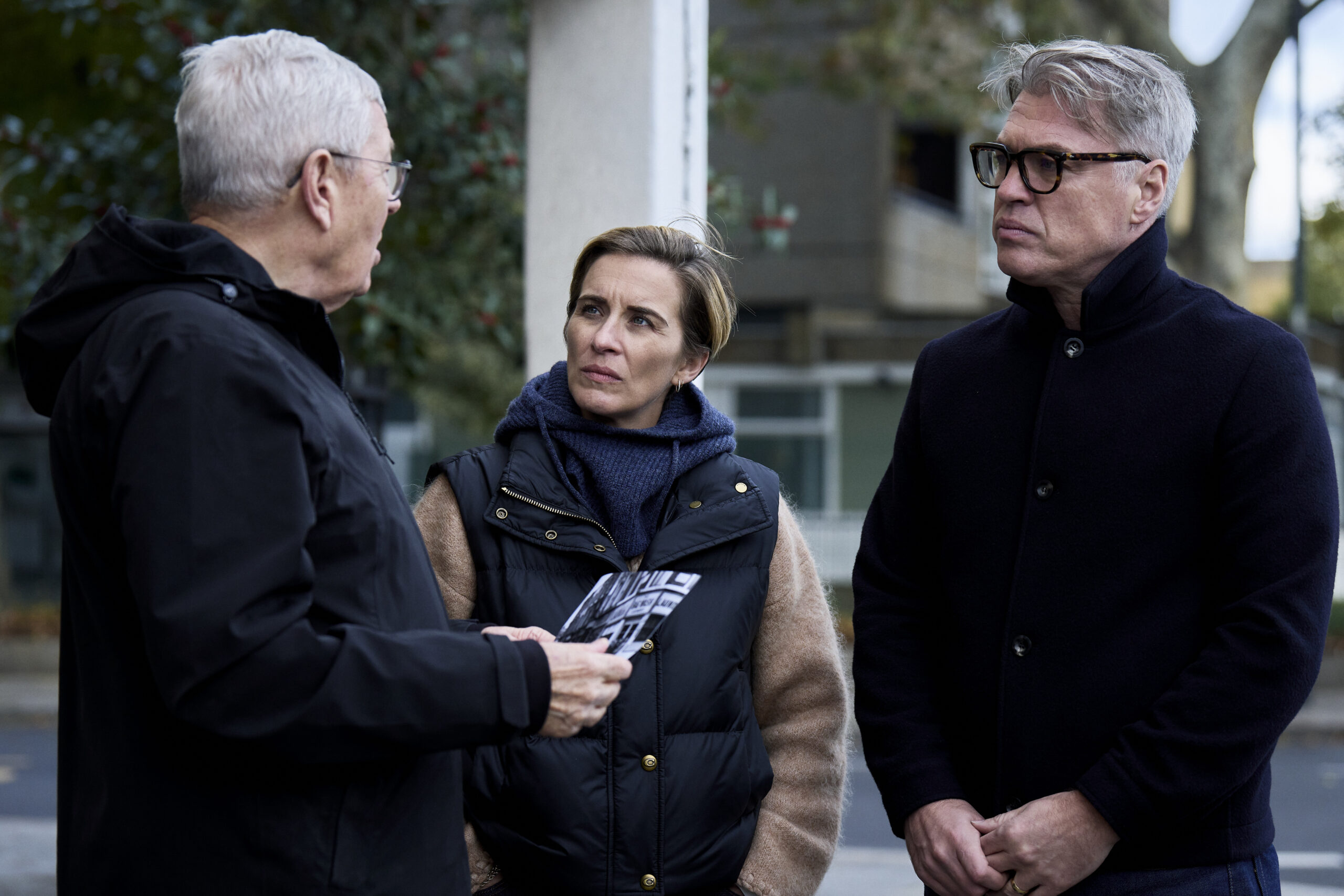
Vicky: Yeah, we made it really clear when we met them that there was absolutely no pressure. And the reason that they want to talk is because they want to continue to find justice. These people haven’t been caught. And it’s really frustrating when you go to look at files and things have been redacted, or they’re not going to open the case files for another 20 years, in which case we know that immediate family won’t be here to actively bring that case back and all those kinds of things. I think everybody that we spoke to feels a sense of this may not be brought up again in their lifetime, so it’s an opportunity for them to be able to speak.
Jonny: You were very good at that though. I mean, I was nervous. I was much more nervous than you. You were always like, “It’ll be okay.” I was always like, “this is somebody directly affected, “. They were very happy to talk and they were brilliant. But you are very conscious of it when you are speaking to somebody. The responsibility was huge.
Vicky: I think people want to be heard, and you want to give them that platform to be able to tell their truths and have that opportunity. And when you do take conversations like that on, it’s just about being authentic and honest. It’s not a performance, we’re not acting, we’re not being given a script. I’m not Vicky off the telly. And I really like people. I find interacting with peopleeasier than interacting with the industry, which sometimes isn’t quite as truthful. Do you know what I mean? And I mean that respectfully. These people are going to work, they’re just living their lives, and then all of a sudden they’re brought into an environment that they’re not used to. So for me, I’m like, “Ignore all the lights, ignore the cameras, ignore the noise that comes with it. Let’s just have a chat.”
The facts of the Crippen case are still being debated today, what do you think happened?
Jonny: I think he did it, but I think he disposed of the body, but when they found this other bit of flesh in the cellar he couldn’t quite believe it. That’s why I think he was so stunned at the trial, he couldn’t quite believe it. Why would he just leave one little bit? I genuinely think he got done for the right crime, but the evidence wasn’t correct.
Timothy Evans confessed to a crime he didn’t do, why do you think he behaved like that?
Vicky: some people say things because they feel forced into it or even coerced. If you’re not privy to how the law works, or how it’s all going to unfold, it’s impossible for us to say why.
Jonny: There were also some fascinating things about him like he had two accents, so he could speak like me and he could speak in a Cockney accent from a young age, because he was always traveling between Merthyr and London. So he was a Walter Mitty character, he was always exaggerating. He’d go back home to Merthyr and say, “I’ve been to London, I’m doing this, this and this.” He enjoyed the attention, and then suddenly he’s got an audience, even though it’s the police.
He ended up being hung for a crime he didn’t commit but it helped turn the tide on society’s view on capital punishment, didn’t it?
Jonny: Yeah. There were three cases but Timothy Evans probably became the most high profile, in the sense that pretty quickly after he was hung they established that he didn’t do it. I think it was huge pressure then on that government. But it really shocks people when you think The Beatles released their first single at the same time as people were still get hanged in Britain. That feels like a Dickensian thing but it’s not, it was happening right up to 1964. So it’s within our lifetime. All those things. When you talk historically, homosexuality was illegal until 1967 . Again, this is within our lifetime. So, the world’s changed. That’s why the context of the time these cases unfolded in is so different to where we are now. It’s hard to sort of imagine it, really.
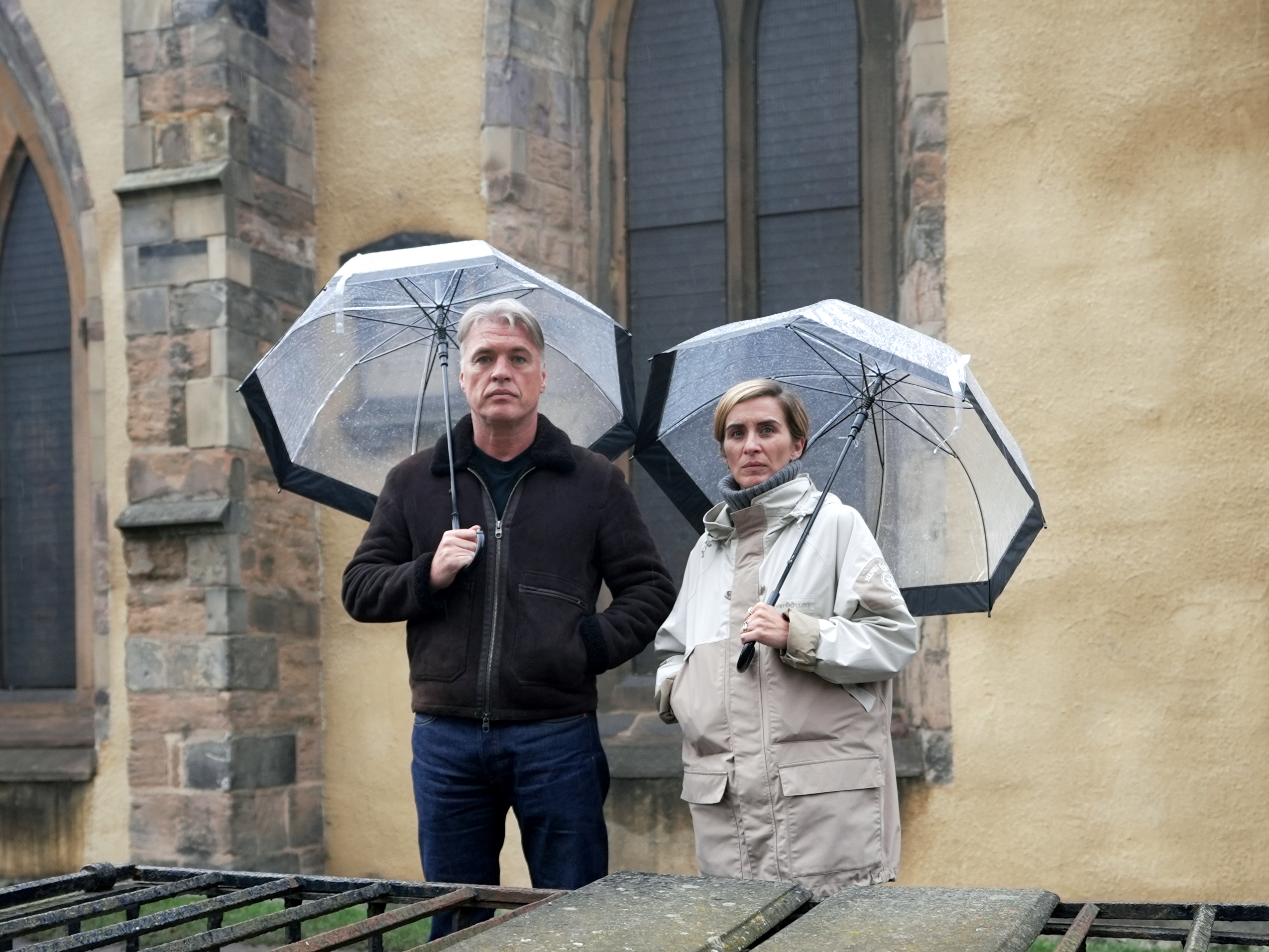
It may be shocking to many viewers that files in the case of Kelso Cochrane are still sealed, does that make you suspicious that there’s some kind of cover up?
Vicky: Well, something’s being hidden. I mean, why would somebody redact, or hide, or lock files away for a period of time? What’s really, really heartbreaking about that particular case, it feels like there was so much evidence with the two lads, Pat Digby and John Breagan, everyone was saying it’s the worst kept secret. Even Digby’s stepdaughter told us he did it.
Jonny: I might sound naive saying this, but when you’re a kid brought up in our country with all we had in the 70s and 80s, you do kind of think there’s some kind of benevolent thought in the establishment, that we are kind of taking care of in a way. It’s hard for us to imagine that behind closed doors awful things go on. I think when you see redacted files it makes you think, “God, there are people that will protect people within an establishment, or some kind of apparatus of the state, while they’re still on the earth, to make sure that nothing comes out”. But the truth always comes out. I think when the truth in this case comes out in 50 odd years, it won’t have the same effect, sadly.
Were you shocked to learn that because of serial killers Burke and Hare using bodies for science was regulated for the first time?
Vicky: I mean, my jaw was dropping on the floor every day, because I genuinely didn’t know an awful lot about an awful lot! And I want to be honest about that, because I want people to watch this that aren’t particularly into history, you don’t need to be into these kind of shows or cases. It’s not about that. It’s just giving you context to why we are where we are when it comes to law changes. I was constantly surprised, and shocked, and appalled, and then pleased. It’s a whole range of feelings and thoughts on what came out of making this show.
Jonny: When we were in Edinburgh, we were at Arthur’s Seat, which overlooks the city, and I was saying to Vicky, the amount of people that are on history groups tracing Burke and Hare, and then obviously there’s all this stuff with Harry Potter and Trainspotting. This city is alive with tourists from across the world, Americans especially.
People are absolutely fascinated by Burke and Hare, right across the world, because obviously there’s this amazing story that Edinburgh was seen as one of the great medical areas of Europe at the time. All these doctors needed corpses to practice on, so two men became serial killers to provide the corpses. It’s an obvious story, in a way. It’s such an interesting case, tens of thousands of people saw one of them get executed, one of them was a grass and got away with it. The rich doctor who took the bodies never got charged. There’s all the things that we talk about now, justice only for some and not for others. And how if you’re a part of the establishment, you can get away with it.
You said that you were continually shocked. Is there one element from across the series that really stuck with you?
Vicky: Oh, my god, so many. I think Cora’s story]. I think it was very important that we looked into what went on behind the scenes of how it was done. And Cora’s death was so twisted, and so psychologically harrowing to figure it all out, then knowing that her girls were the ones that kind of championed her, and were able to find that she was missing, and not be okay with the answers they were getting, and back in that time as well. It was incredibly brave of them. I remember having such a great chat with historian Dr Fern Riddell because so many of the murders were predominantly women. And listen, it’s a case of going, murder’s murder, nobody ever wants their life to end in that kind of horror, but there’s the vulnerability of women. We do something called Day Fever, which is a daytime disco, and one of the biggest things that I enjoy about it is I’m not worried when I walk home, because it’s eight o’clock at night, it’s not two o’clock in the morning. And again, we’ve just got to call it out. It’s not the safest place, the world, for a woman. You do walk around sort of conscious that, “Is that person following me? Do I need to put my keys in between my fingers?” I’d be lying if I said I didn’t. I don’t have the physical strength to protect myself, and these women didn’t have the physical strength to protect themselves.
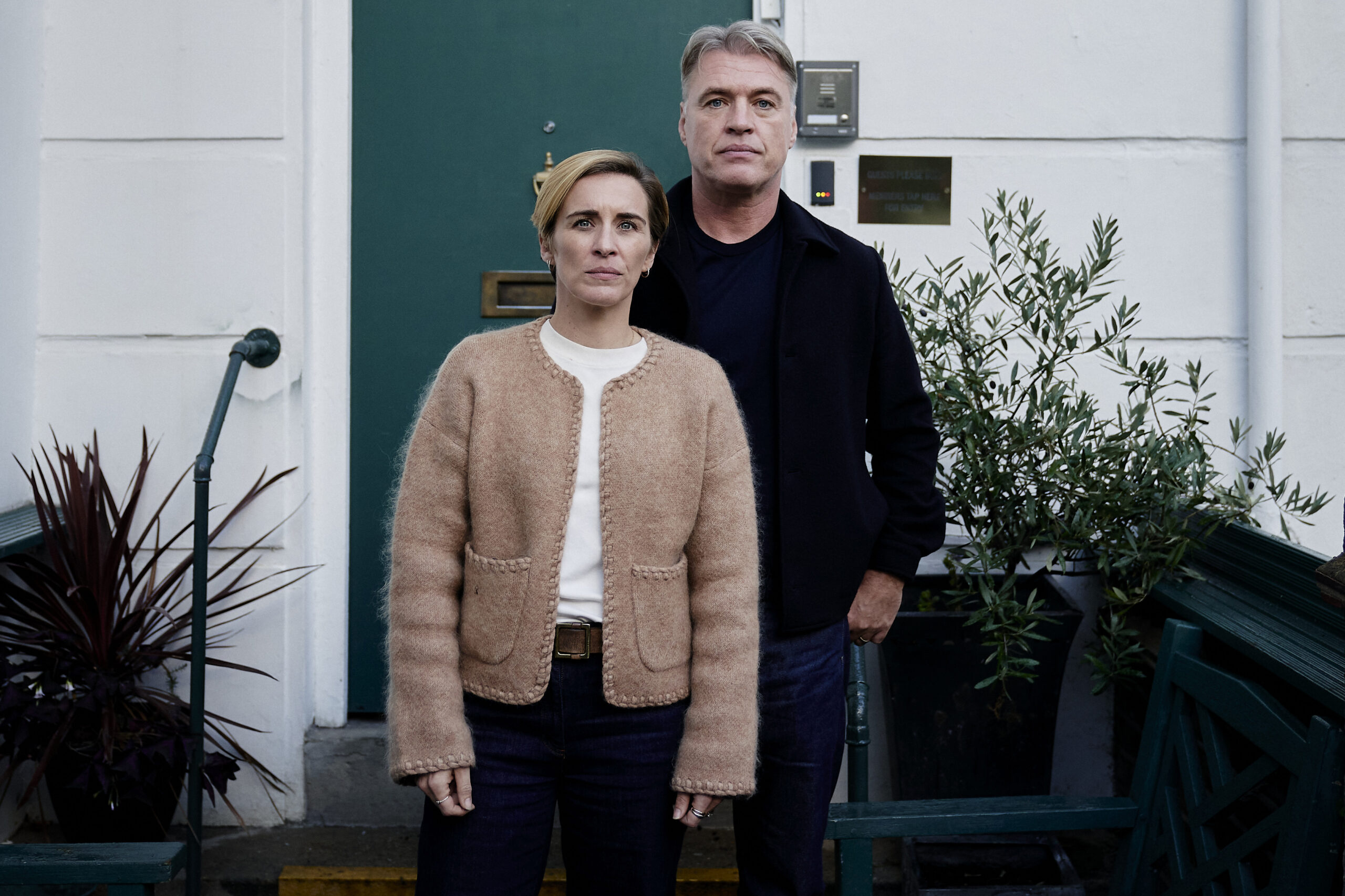
You speak to retired detectives during the series, how do they react to you given your role in Line Of Duty?
Vicky: I think what the real police like about Line of Duty is we try and make it sound and feel as authentic as we can. And I suppose when we all started with The Bill, which we all loved and served its purpose incredibly, I think because we’re policing the police, that was a bit of a different genre. What I love is when it started to really kick off, all we kept being told is there’s a lot of interest for people going into police corruption within the force. And that’s no bad thing. It obviously meant that there was people out there who thought they want to work in the police, but they want to work in that particular sector We have had some great responses from the real world police.
This is your first factual show working together on screen, what is it like working together?
Jonny: I mean, Vicky takes the lead! I don’t need to answer who’s the boss! It’s good.
Vicky: I wouldn’t have done it on my own. It needs the intellectual element, it needed us both to be able to create the show that we wanted to create. I’m the nosy one that’s had lots of interactions with crime, but Jonny, his history knowledge is second to none. I just don’t hold that kind of space in my brain unfortunately. So, it was great to be able to feel comfortable that whoever we’re speaking to we can go at it from both angles, and cover off the story wholeheartedly. And to be fair, when I’m working away we don’t really get to see each other, so it wasn’t bad to wake up together, travel together and just spend so much time together. It was a real treat.
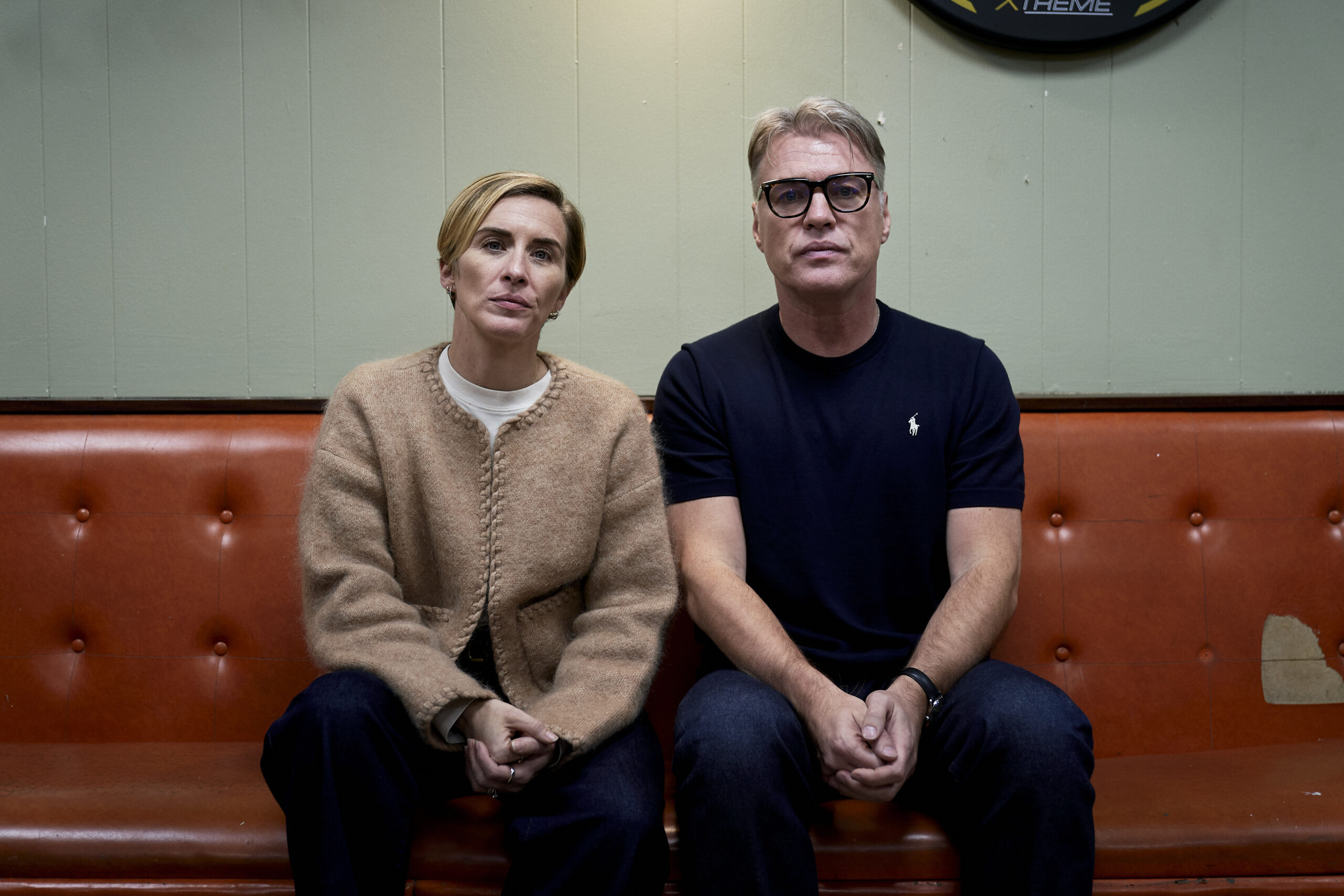
You have both done so much in your careers, how do you decide what projects you take on?
Jonny: It’s got to be something that interests me. I’m very lucky that I ended up making a few films that did well, so you get offered stuff. Something like this would be massively interesting to me anyway, because I come from a history background, I suppose. So yeah, it’s got to be something that we both want to do. I think Vicky’s the same in that as well. You want to work with good people, you want to tell a truthful story, if you can. And you want to enjoy it as much as you possibly can as well. That’s the three for me.
Vicky: Yeah, I love being able to give someone a shot. I love being able to enhance people’s opportunities. And even on things like Trigger Point, we have loads of trainees on set, and having actors that this is their first gig. And because of the people that I work with, they have a really similar desire to keep opening the doors, especially for working class creatives, because it’s just dire, and we’ve got to keep calling it out because TV production just keeps getting posher and posher as it goes. It’s still at an all-time low of 9% of people in the creative industries coming from working class backgrounds, which just means the content that we have, and the creative minds, and the writers, and all those kinds of things, are missing out. That’s the reason we set up Build Your Own Films, purely to give as many opportunities and to tell those stories. Line of Duty is a great example, Martin Compston, myself, Adrian Dunbar, were all from working class backgrounds. We’ve all got accents that people can recognise, and we have those kinds of work ethics. I think that’s why people love Line Of Duty so much. You’ve got real authentic depth of character to the characters on screen and that comes from working class people bringing their experiences. It’s a battle that I’ll always want to be a part of, really, because we’ve just got to give people those opportunities to give the audience the variety of shows.
Do you have a bucket list job?
Jonny: I’d like to do a returning drama series with Build Your Own Films, that would be nice. I’ve got a podcast called If You Know Your History, which I love doing. I love history so that’s why this has been a dream for me.
Vicky: I would love to do a comedy at some point, because I’m hilarious! I would love to do some lighter stuff, definitely. I feel like it’s just being able to spin variety as well. I do feel very drawn to dark and tragic characters but I would love to step into a slightly lighter space at some point.
Support our Nation today
For the price of a cup of coffee a month you can help us create an independent, not-for-profit, national news service for the people of Wales, by the people of Wales.


