

Historic Welsh name restored to Nature Reserve
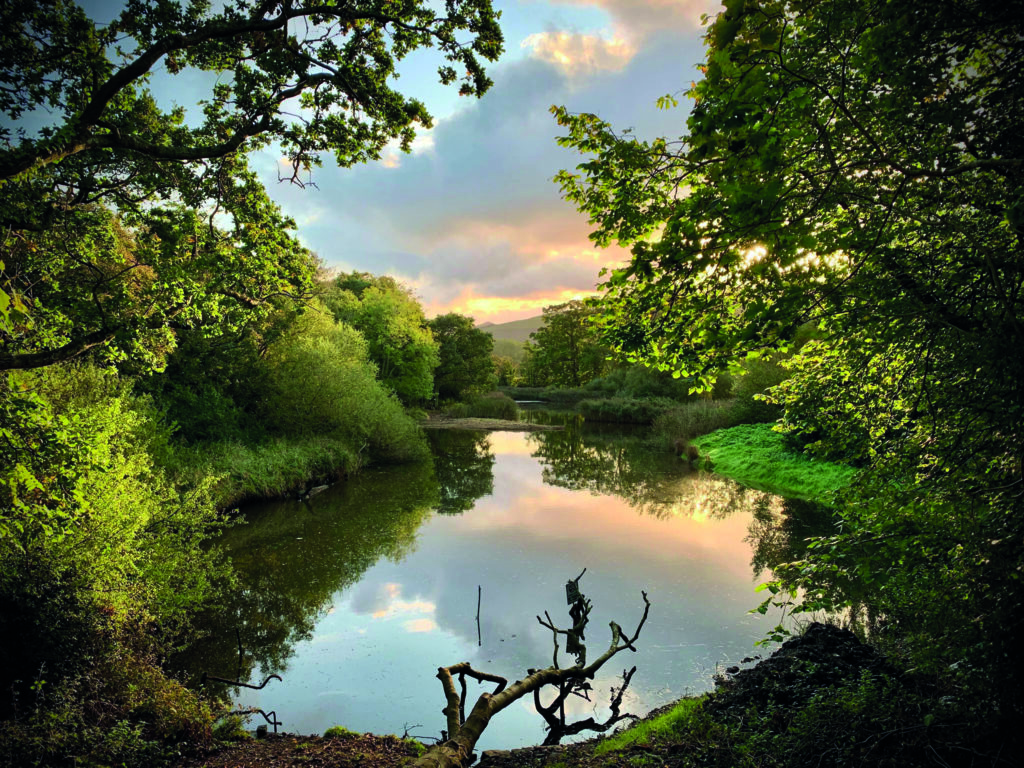
Following an extensive public consultation, North Wales Wildlife Trust has announced that its nature reserve near Tal-y-bont, Bangor, will once again be known by its historic Welsh name, ‘Llyn Celanedd’, replacing the more recent title ‘Spinnies Aberogwen’.
The decision honours the site’s rich cultural heritage and aligns with the Trust’s policy of restoring traditional Welsh place names where appropriate.
North Wales Wildlife Trust has received wide-ranging support from its members and supporters, neighbours, local individuals and organisations, as well as national bodies including Cymdeithas Enwau Lleoedd Cymru, Cymdeithas Edward Llwyd, Clwb Mynydda Cymru, Menter Iaith Gwynedd, Mudiad Meithrin, Cymdeithas yr Iaith, Dyfodol i r Iaith and the Welsh Language Commission.
Historical literary and geographical information suggests that ‘Llyn Celanedd’ was the last pool within the winding course of the Afon Ogwen before it was straightened in the early nineteenth century. The canalisation process discarded numerous items of environmental and cultural significance: the river mouth and a pool treasured by anglers; a link between land, river and sea; oyster beds – and the given name of this special site.
Chris Wynne, Nature Reserves Manager, North Wales Wildlife Trust, said: “We are privileged to be able to support the reinstatement of an element of our local culture and heritage, especially a place name which captures the environmental history of our surroundings.”
The name ‘Llyn Celanedd’ translates to ‘Pool of Dead Bodies’, a striking reminder of its storied past.
During the Middle Ages, the bodies of deceased members of the Penrhyn aristocratic family were carried by boat from Llyn Celanedd, across the Menai Strait, to a special burial ground at Llanfaes on the coast of Anglesey.
Established around 800 years ago, this cemetery was reserved for members of the royal family of Gwynedd and other noble families of the kingdom. Among those laid to rest were Siwan, wife of Llywelyn ap Iorwerth (Llywelyn the Great), and Elinor, wife of Llywelyn ap Gruffudd (Llywelyn the Last).
The pools visible today provide a haven for waders, wildfowl, kingfishers — and the birdwatchers who come to enjoy them. Over time, this ever-changing landscape has seen a transformation: while we have lost some of the river and estuarine wildlife that once thrived here, new and much-loved species have taken their place.
These changes are still unfolding, reminding us that this dynamic coastal habitat stands on the frontline of pollution and climate change.
Policy
Frances Cattanach, Chief Executive Officer, North Wales Wildlife Trust, said: “Our policy is that where a property has an English name, the Trust will endeavour to determine and use its Welsh name. We have been fortunate with this site, as research has uncovered the name ‘Llyn Celanedd’.
“We will be adopting a phased approach to implement the name change to ensure funds are not unnecessarily spent. We are extremely careful with our valued funds and changes to information boards, leaflets and other materials, will be done as things need reprinting, or using funds which can only be used for Welsh language-related work.”
Members of the public are encouraged to help the Welsh Government capture Welsh place names not yet recorded on digital maps by adding names to https://datamap.gov.wales/survey/wpnc/
Llyn Celanedd
Llyn Celanedd (Spinnies Aberogwen) Nature Reserve, features a series of lagoons and surrounding habitat providing shelter and food for wildfowl, waders and smaller birds, especially during the autumn and spring migrations.
The reserve is next to the estuary of the River Ogwen and the tidal mudflats known as Traeth Lafan, and the constant ebb and flow of the tides attract some amazing species including, on rare occasions, osprey. Tall, graceful stands of common reed provide sheltered nest sites for moorhen as well as an excellent place to watch grey heron and little egret hunting! For much of the year, the brightly coloured kingfisher is a familiar and well-loved sight as it perches around the reserve and dives into the water in search of prey. Bird hides and feeders provide fantastic opportunities to enjoy the wildlife close at hand.
Frequently Asked Questions
Thanking everyone for sharing their comments, consultation responses, and emails, North Wales Wildlife some of the most frequently asked questions, along with their responses.
The reserve is widely known as The Spinnies, Aberogwen — could changing the name cause confusion or create a short-term challenge for marketing and recognition?
We understand that many people will continue to use familiar names for the reserve, such as Spinnies Aberogwen. However, we hope that over time, this fascinating historic name—Llyn Celanedd—will return to common use. Sharing the story behind the name offers a valuable opportunity to connect with more people and deepen appreciation of the area’s heritage.
Historical evidence suggests that Llyn Celanedd may be the original name — but was it ever widely used by local people?
Yes, it was used in the local spoken language, particularly by fishermen. Llyn Celanedd referred to the final pool—one of over 120 along the Afon Ogwen—before it flows into Traeth Lafan.
Is Llyn Celanedd difficult for non-Welsh speakers to pronounce?
Welsh is phonetic, so words are typically pronounced as they are written, with a relatively consistent relationship between letters and sounds. Try saying this; Thlin Kel-an-ith and you’re not far off!
Why choose a name that translates to “Lake of the Dead”? This is a place full of life!
We didn’t select the name ourselves—it is the historic name of this site, dating back to when it was a meander on the Afon Ogwen. While the name does reference death, it reflects an important part of the area’s history and story. After all, death is a natural and integral part of life’s cycle.
In the bigger picture, aren’t there more pressing issues to focus on?
One of our top priorities is ‘bringing nature back’ to North Wales. Equally important is inspiring people to take action for nature, as this helps drive the societal changes needed for its recovery. We aim to strengthen the connection between people, place, and wildlife. Since the Welsh language is deeply tied to place, restoring its use in local names helps foster a stronger bond with the natural environment.
Updating signage does come with costs — could these funds be better allocated to conservation efforts?
We deeply value the donations and grants that support our conservation work. For the name change, we will aim to use funding specifically available for promoting the Welsh language, which can help cover the cost of new signage. Printed materials such as leaflets and booklets will only be updated when they are due for reprint, and the cost of updating digital information is minimal.
How will you implement the name change, and aren’t you wasting money on it?
We are adopting a phased approach. There will be a gradual increase in the use of Llyn Celanedd, recognising that it will take time for us to get used to the change. The first steps will be on digital media when we will use Llyn Celanedd (Spinnies Aberogwen); and then we will use Llyn Celanedd alone in time.
We are extremely careful with our valued funds and changes to information boards, leaflets and other material, will be done as things need reprinting, or using funds which can only be used for Welsh language related work.
Are you undervaluing the feelings and involvement of English speakers?
We value everyone who loves wildlife and who support the Trust. We carried out a thorough consultation of our members, supporters, volunteers, visitors and neighbours, and 78% who responded were in favour of the change. 73% of those in support were from people responding in English or using the English language function of the survey.
Are you going to change the name of any other nature reserves?
We have two other nature reserves with English names; Old Pulford Brook Meadow and Big Pool Wood, and our policy is, that where a property has an English name, the Trust will endeavour to determine and use its Welsh name. We have contacted a respected local historian in search of original names, but they have been unable to find evidence of a Welsh name anywhere. It is sad that sometimes, Welsh names are not recorded as ‘official’ names, as they were used through the spoken language. An old name may be unearthed but in the meantime, we have no plans to change the names.
Find out more about North Wales Wildlife Trust and help support their work here.
Support our Nation today
For the price of a cup of coffee a month you can help us create an independent, not-for-profit, national news service for the people of Wales, by the people of Wales.


