


‘I feel as though I’m only just beginning’: From the Rhondda to the Royal Shakespeare Company with Daniel Evans
Nation.Cymru Staff
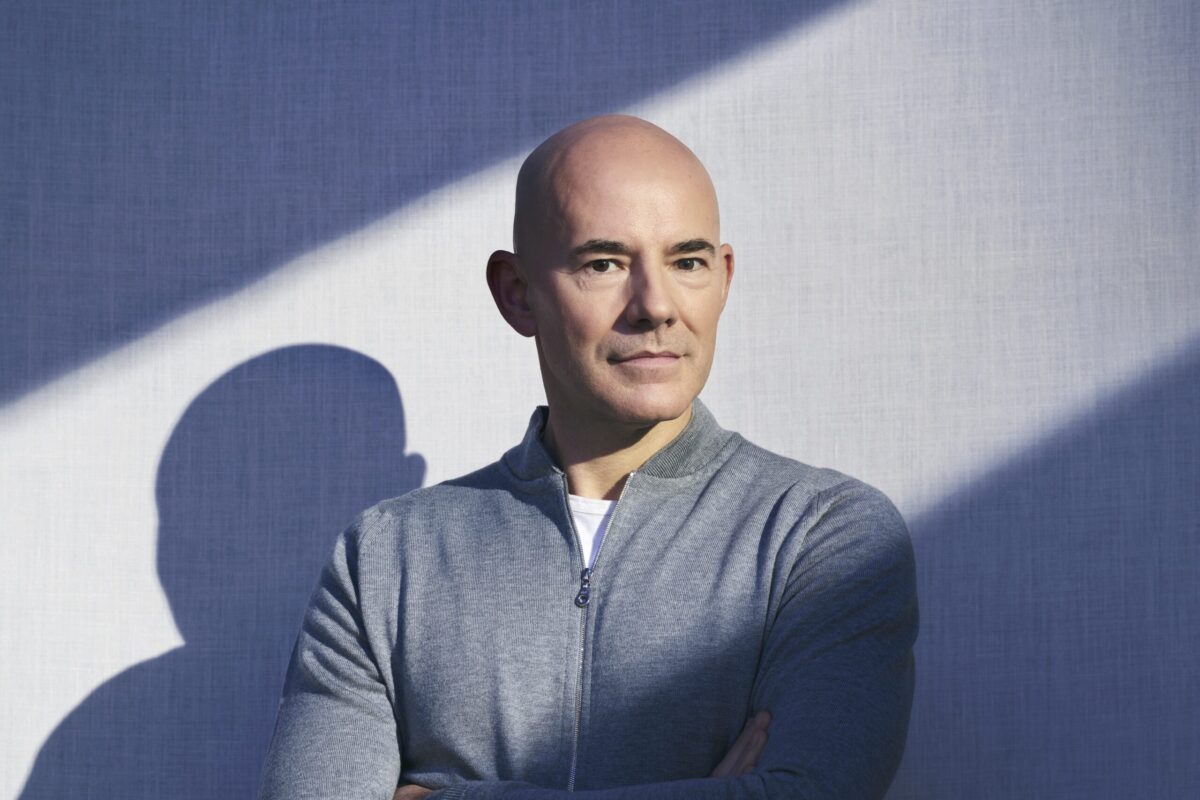
From the chapels and eisteddfodau of the Rhondda to the heights of British theatre, the Royal Shakespeare Company’s artistic director has never lost sight of where his story began.
Now, as Matilda comes to Cardiff, Daniel Evans reflects on the power of imagination, the importance of live theatre and the people who shaped his journey.
Today, Evans is one of the most influential figures in British theatre, overseeing an institution synonymous with William Shakespeare while championing new writing, musical theatre and ambitious contemporary productions.
Yet, despite a career that has taken him from acting and directing to leading some of the country’s most prestigious theatres, he remains deeply conscious of the Welsh upbringing that helped shape him.
A Welsh education in storytelling
Long before Evans found himself at the helm of the RSC, he was learning how to hold an audience’s attention at eisteddfodau, performing drama at school, and developing an early love of poetry. Going to chapel with his aunt Doris was another part of the cultural environment that shaped him.
He later trained at the Guildhall School of Music and Drama, but he sees those early Welsh experiences as an education in their own right, laying the foundations for everything that followed.
“My roots are fundamental to me,” Evans says. “I feel incredibly fortunate that I grew up in that tradition of being able to learn and sing and recite pieces of poetry in front of people from when I was a boy.”
Even now, in his fifties, he can still remember the poems he learned as a child.
“That is the golden thread between my childhood and now,” he reflects. As artistic director, much of his responsibility involves creating the conditions in which artists can tell stories to audiences.
For Evans, the Welsh tradition of performance, language and communal participation helps explain why he remains so conscious of the responsibility that comes with leading a major cultural institution.
Learning from the greats
Evans is quick to acknowledge the people who have helped him along the way. One particularly important influence was the “genuinely inspirational” Patsy Rodenburg, his voice and Shakespeare teacher at Guildhall.
Their professional relationship has continued over the years, with Rodenburg now working with the RSC as director of voice emeritus in Stratford.
Other formative collaborations include the late Cardiff-born playwright and director Peter Gill, from whom Evans learned much about language, acting and directing, and the legendary American composer and lyricist Stephen Sondheim, with whom he worked on two musicals.
He has also long admired Sir Ian McKellen, having looked up to the actor since his teenage years before eventually working with him.
Such encounters have been a privilege, Evans says, but he is equally energised by the next generation of artists.
Meeting people who want to create new work, driven by a desire to contribute something meaningful to the world, remains one of the greatest pleasures of his job.
That openness to new voices is central to his vision for the RSC, where Shakespeare’s plays sit alongside contemporary drama and musical theatre.
Genius
Evans recently directed As You Like It in Stratford, an experience that reaffirmed his belief in Shakespeare’s extraordinary capacity to speak to modern audiences.
“The word genius is overused,” he says, “but when you hear those words again and again in a rehearsal room, and you see actors grappling with his work, there is no doubt in my mind that there is a kind of divinity about him.”
More than 400 years after Shakespeare’s death, his plays continue to illuminate questions of identity, humanity and love.
Evans relishes the challenges and changes that come with leading one of the world’s most celebrated theatre companies, embracing the responsibility of honouring its extraordinary legacy while ensuring it continues to move forward.
For him, the RSC’s history is not something to be guarded from change, but a foundation from which new ideas, voices and forms of storytelling can emerge.
Shakespeare remains central to its identity, but productions such as Matilda and Les Misérables – which began its journey at the RSC – demonstrate the company’s willingness to push creative boundaries, while new writing brings contemporary playwrights into conversation with the great dramatists of the past.

It is this dialogue between tradition and innovation that excites Evans most: the opportunity to respect the company’s heritage while continually reimagining what theatre can be, who it can reach and how it can speak to the world today.
Matilda
As the RSC’s celebrated production of Matilda The Musical arrives at Wales Millennium Centre in Cardiff for the festive season, Evans is particularly delighted to see the show come to Wales.
The production, based on Roald Dahl’s much-loved story and featuring music and lyrics by Tim Minchin, has become an international phenomenon.
Having recently celebrated 15 years in the West End, it has enjoyed success on tour, completed its third tour of China and is heading to Australia next year.
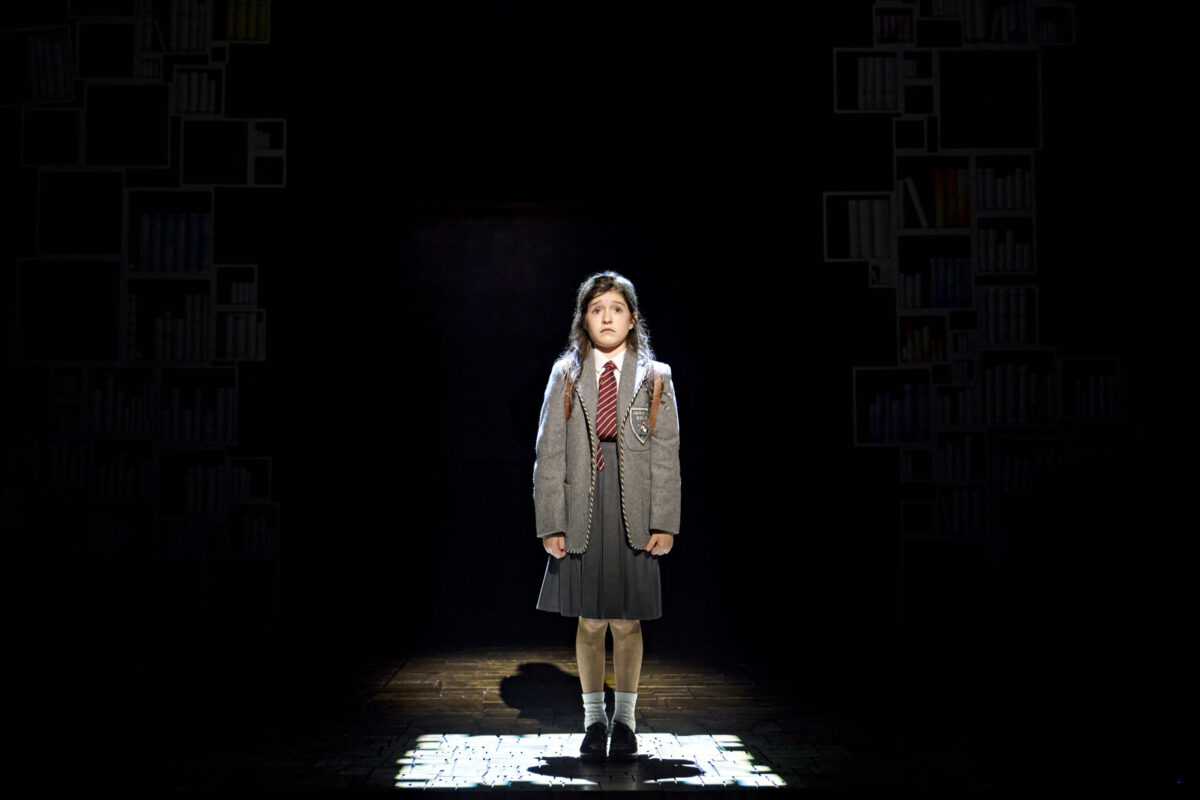
For Evans, its longevity is testament to the extraordinary quality of the production, from its performances and direction to Minchin’s infectious score.
“I saw the show recently, and it’s a show that brings so much fun and joy to people,” he says. “I’m very proud that the Royal Shakespeare Company production is coming to Wales Millennium Centre.”
There is, of course, a particularly Welsh connection to the story. Dahl spent part of his childhood in Llandaff, Cardiff, and the arrival of Matilda in the capital offers an opportunity for Welsh audiences to reconnect with one of the country’s most celebrated literary associations.
But Evans’s enthusiasm goes beyond geography. He takes particular pleasure in seeing a production of such international standing arrive in the Welsh capital, allowing audiences at home to experience the quality of theatre enjoyed elsewhere.
The power to change your story
At the heart of Matilda is a young girl who finds herself in an unhappy home but discovers a teacher who believes in her.
Through her imagination, intelligence and determination, she begins to take control of her own future.
For Evans, that is the source of the musical’s enduring appeal.
“There is something at the heart of the play that tells us and shows us how important imagination is, so that we can imagine a better life and better worlds,” he explains.
It is a theme with a particular resonance in an age when the treatment of young girls and their access to education remain pressing issues around the world.
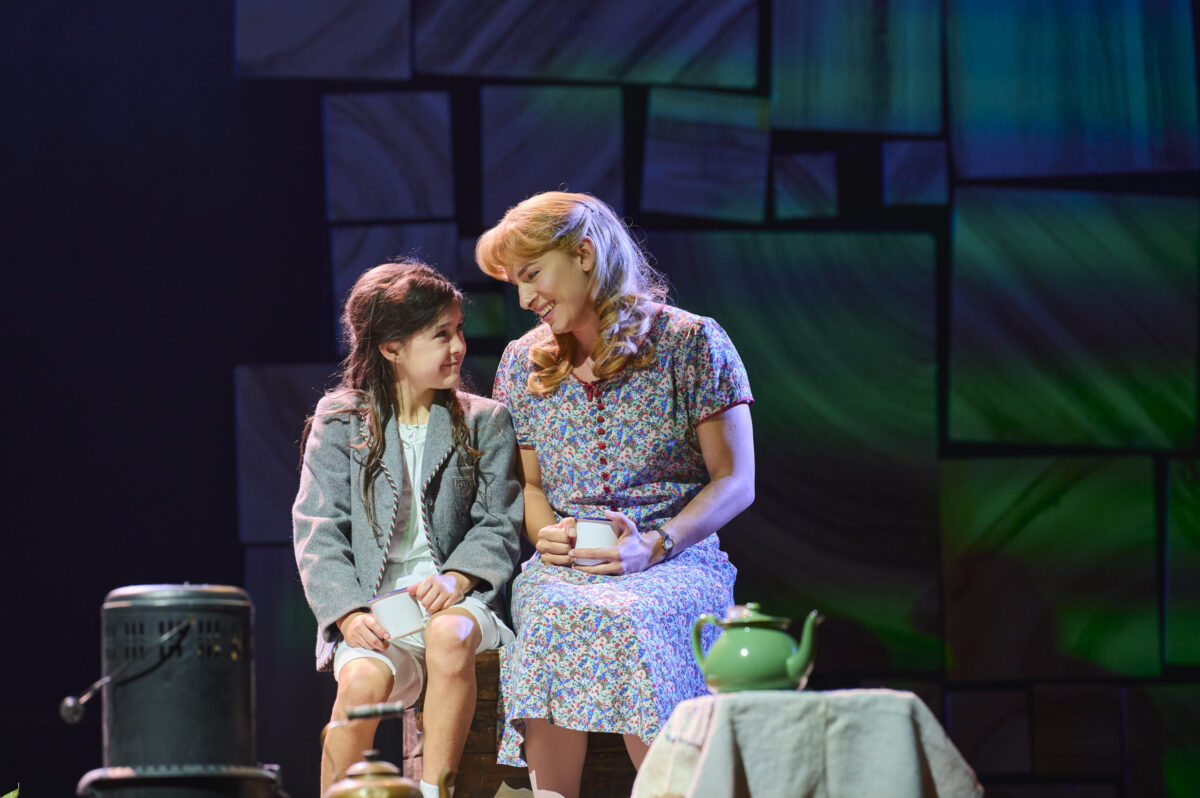
Yet the musical’s humour, memorable songs and mischievous spirit have helped it appeal across generations, bringing families together for a shared theatrical experience.
The songs, Evans points out, have a habit of staying with audiences long after the curtain falls. “You can’t help singing them for weeks after you’ve seen the show,” he says, praising Minchin as a master songwriter.
The production has also helped demonstrate the possibilities of musical theatre, with Minchin’s distinctive personality and humour woven into the score and dialogue.
For Evans, Matilda has influenced the wider form, showing how a songwriter’s individual voice can shape an entire production.
He is equally impressed by the young performers who lead the show. The demands placed on child actors are considerable, requiring intensive training, physical fitness and careful attention to their mental and physical wellbeing.
Behind the apparent ease of a performance lies a huge amount of work by the young actors and the teams supporting them. It is a reminder that theatre’s magic depends not simply on imagination, but on discipline, preparation and collaboration.
Bringing audiences back to live theatre
One of the biggest challenges facing theatres today is attracting audiences in a world dominated by smartphones, streaming services and instant digital entertainment. Evans, however, sees reasons for optimism.
He points to the fact that 40 per cent of the audience for As You Like It were visiting the RSC for the first time. For Game of Thrones: The Mad King, a play based on the world of George R.R. Martin, the figure rose to 57 per cent.
These are encouraging signs that audiences are still willing to discover theatre, even when competing with an almost limitless choice of entertainment at home.
Indeed, Evans believes the increasing availability of digital content may be making the live experience more precious.
People want to switch off their phones, leave the outside world behind and immerse themselves in a story for two or three hours. During The Mad King, which ran for just under four hours, audiences were even keen to return for another viewing.
There is something unique about the collective experience of theatre, he argues: people enter as individuals but leave having shared something.
“We’re all laughing at the same time and crying at the same time,” he says.
That shared emotional experience is difficult to replicate on a screen. In a theatre, an audience becomes part of the event itself, responding together to the same unfolding story.
For Evans, preserving that connection is central to the RSC’s future. The challenge is to ensure Shakespeare, theatre and the pleasure of seeing a play remain relevant to everyday life. It is a responsibility he approaches with the same curiosity that has carried him through his career.
Saying yes to the journey
Evans admits that if someone had told him at 15 that he would one day lead the Royal Shakespeare Company, he would never have believed them.
After spending 15 years training and working as an actor, including time performing in New York, he moved into directing and became artistic director of Sheffield’s Crucible Theatre, where he spent seven years. He then spent another seven years leading Chichester Festival Theatre before taking on his role at the RSC.
Looking back, his advice to young people hoping to follow a similar path is straightforward.
“Say yes,” he says.
His philosophy was to accept opportunities whenever they came along, rather than turn them down too readily. He recognises that he has been fortunate, particularly in experiencing relatively few periods without work, something many performers struggle with throughout their careers.
Even now, he insists he has not reached the end of his learning journey. Acting and directing inform one another, he explains.
Having experienced the vulnerability of performing, he understands the importance of giving actors the space, patience and encouragement they need to do their best work.
That empathy matters in a company employing more than 700 permanent staff and working with over 1,000 freelancers.
Leading such a large organisation means ensuring everyone understands its purpose and is moving in the same direction. It is a challenge that combines artistic ambition with the practical realities of running a major institution.
Yet Evans continues to approach it as a student as much as a leader, inspired by the artists around him and the possibilities of what theatre can achieve.
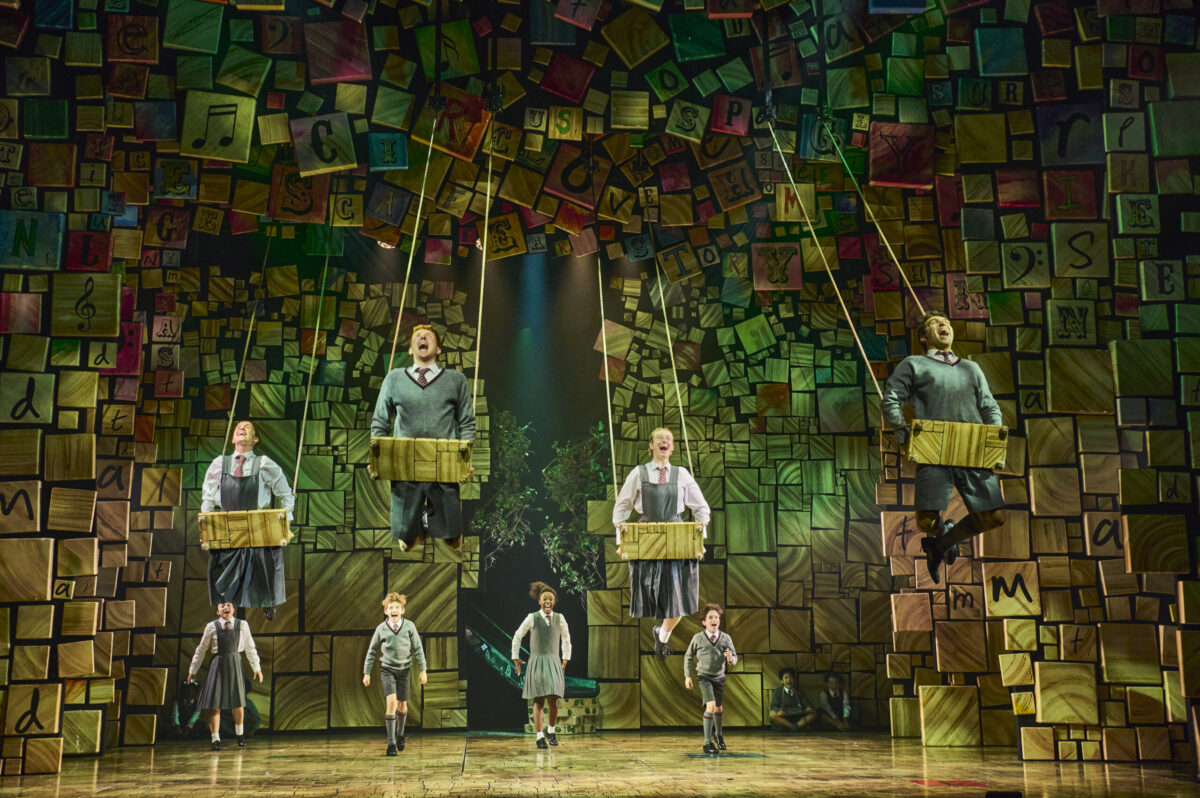
For Welsh audiences heading to see Matilda in Cardiff, his message is simple: expect an evening filled with humour, emotion and a story with something meaningful to say. Above all, expect to have fun.
And perhaps that is the most fitting reflection on Daniel Evans himself. From the Rhondda’s eisteddfod stages to the Royal Shakespeare Company, the thread running through his life has been the belief that stories can bring people together, open up new worlds and help us imagine something better.
It is a lesson he learned as a boy in Wales, and one he continues to share with audiences around the world.
Matilda, which has now been seen by 13 million people in more than 100 cities worldwide, arrives at Wales Millennium Centre from December 9, 2026, to January 17, 2027. More information and tickets are available here.
Support our Nation today
For the price of a cup of coffee a month you can help us create an independent, not-for-profit, national news service for the people of Wales, by the people of Wales.
Get more trusted Welsh news
Choose Nation.Cymru as a preferred source in Google News to see more of our journalism.


