

Major project launched to safeguard Wales’ nonconformist chapels
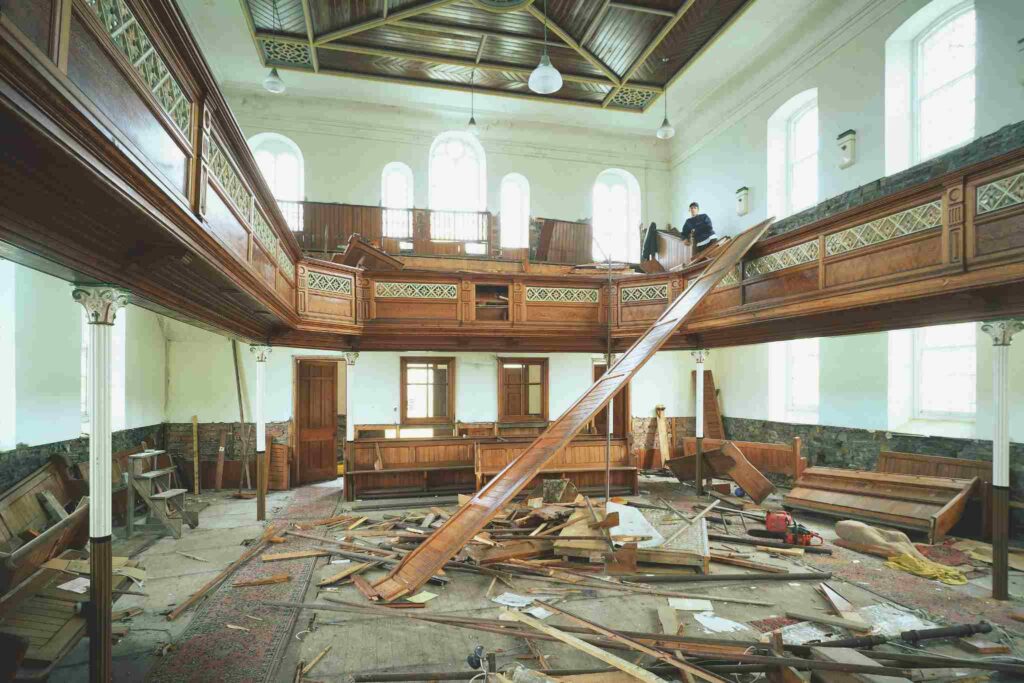
The Royal Commission on the Ancient and Historical Monuments of Wales has gained support from The National Lottery Heritage Fund to develop a major new project Capeli Cymru: Preserving the Nonconformist Heritage of Wales.
The Royal Commission has received initial support from The National Lottery Heritage Fund’s Heritage in Need: Places of Worship strategic initiative which is investing a minimum of £15 million in projects that have an impact at a regional or national level.
Made possible thanks to National Lottery players, this ground-breaking new project aims to safeguard the heritage of Welsh Nonconformity by ensuring it is preserved, understood, and valued for future generations.
Working in partnership with denominations, congregations, heritage organisations, and local communities, the project will develop innovative and practical strategies to safeguard chapel heritage across the country.
For more than three centuries, Nonconformist chapels have stood as a defining feature of the Welsh landscape.
From industrial towns to remote rural valleys, they have shaped the nation’s sense of place and identity, embodying stories of faith, politics, language, music, education and community life.
Today, however, these nationally significant buildings face unprecedented challenges.
Decline
With congregations in sharp decline, many chapels are struggling to maintain large and aging structures.
Already, three-quarters of chapels in Wales are estimated to have closed their doors for worship. Each closure brings with it the risk of losing not only important buildings, but also objects, archives, and intangible heritage such as oral histories and community traditions.
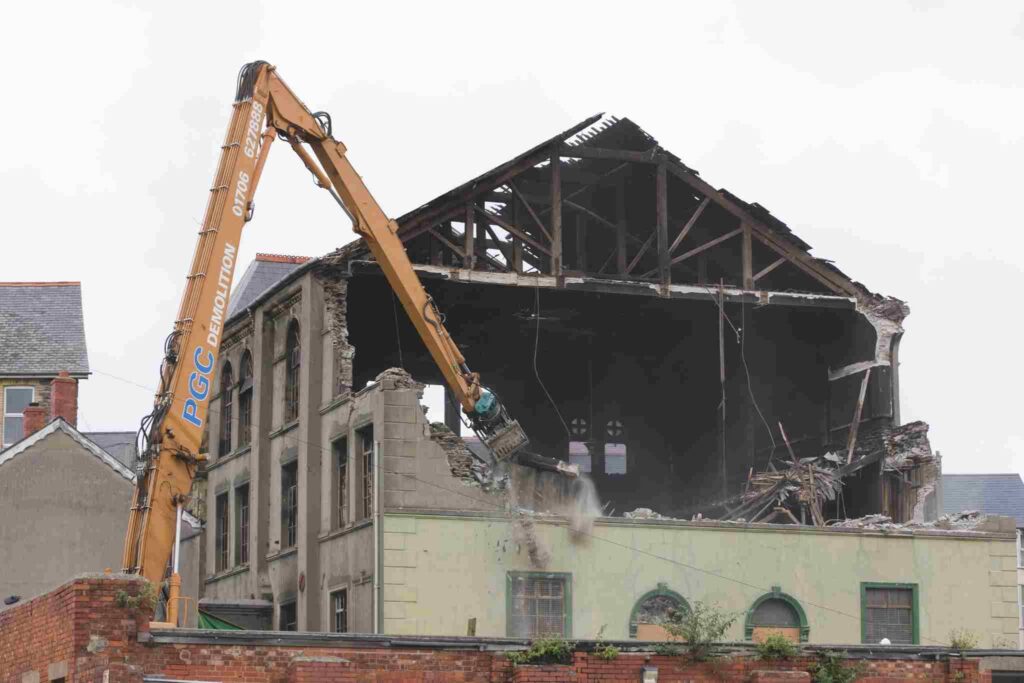
As chapels are converted, sold, or demolished, much of Wales’s cultural memory is in danger of being forgotten.
Development funding of £151,833 has been awarded by the Heritage Fund for a 15-month project to carry out preparatory work and fully develop plans to apply for a full National Lottery grant of £1.25m. During this phase, the Royal Commission will work closely with denominations, congregations, archives, museums, local authorities, and communities to comprehensively explore, understand, and assess the range and depth of issues being faced and develop strategies for protecting chapel heritage. A substantial step in informing this work will be a national chapel survey, which will map active, closed, and converted chapels across Wales, capturing data on their sustainability, architectural value, and the status of nationally protected heritage assets.
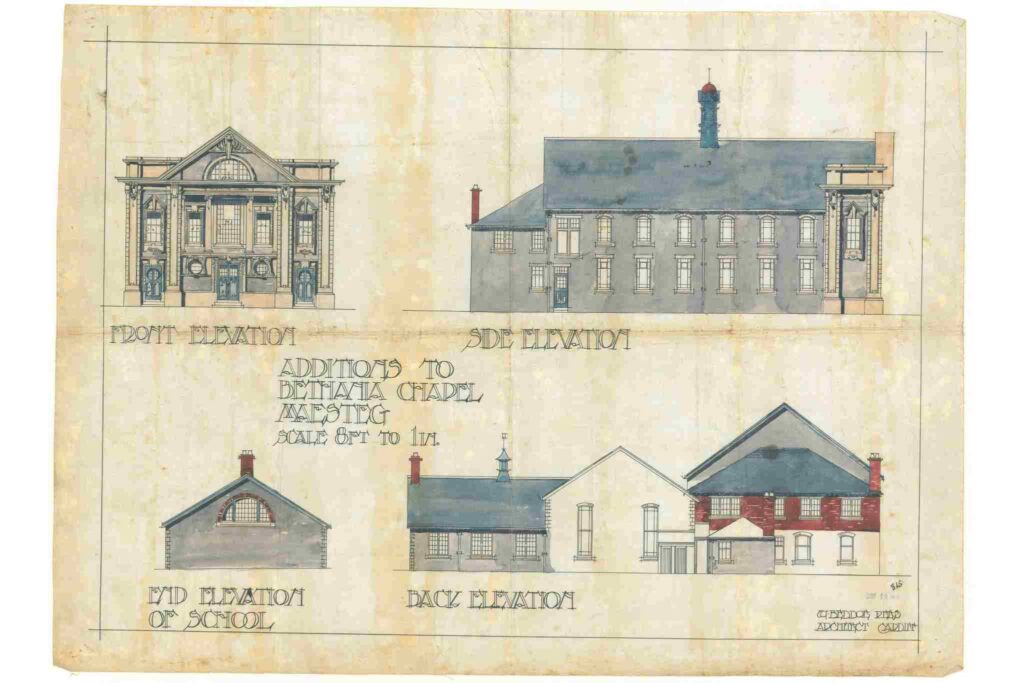
As well as working with denominations and congregations, volunteer networks and digital crowd sourcing opportunities will be established to draw on valuable local and regional knowledge about the status of these buildings. The findings of this survey will be shared via workshops and reports and will directly support the Royal Commission and project stakeholders in developing proactive policies and strategies for chapel buildings through the subsequent Delivery Phase. The data will also feed into Cadw’s national survey of historic assets and contribute to new and updated heritage listings.
Partnerships
By gathering new data, building partnerships, and raising awareness, the project aims not only to safeguard the most architecturally and historically significant chapels but also to ensure that their cultural legacy remains alive and accessible.
To help facilitate this project the Royal Commission is advertising two new posts running for the duration of the development phase, details of which can be found via the website. There will be various workshops and engagement sessions running in the coming months, so please keep an eye on the Royal Commission’s website and social media feeds.
Susan Fielding from the Royal Commission said: “We are thrilled to have received this initial support from The National Lottery Heritage Fund. Nonconformist chapels are central to Wales’s cultural identity. Thanks to National Lottery players we can now develop our plans to ensure that their legacy – both physical and cultural – is not only recorded and safeguarded but remains accessible and meaningful for generations to come”.
Andrew White, Director of National Heritage Lottery Fund in Wales, said “This is an ambitious project aiming to safeguard a vital part of Wales’s heritage. We wish the Royal Commission well as they enter the development stage of their project and look forward to seeing how it evolves prior to their delivery round application.”
Find out more at the Royal Commission website.
Support our Nation today
For the price of a cup of coffee a month you can help us create an independent, not-for-profit, national news service for the people of Wales, by the people of Wales.



The project aims to “safeguard the heritage of Welsh Nonconformity by ensuring it is preserved, understood, and valued for future generations.” I wonder if they will sanitise it or if they will give due emphasis to some of its truly appalling aspects? Guilt, hypocrisy, repression both personal and social and a truly dreadful cramped respectability. I think it was Caradoc Evans who said that Wales would not be free until the last black-coated Minister had been beaten to death with his black book. As ever, Caradoc did not mince words. But if many of the buildings are now deserted and… Read more »
This is a wicked waste of money and worse it supports a culture of cruelty and shame. Generations have been blighted by this appalling faith. Not many realise the only unique teaching of this religion is permanent eternal punishment in hell. Other faiths have a temporary punisment period only then return to another life or progression to another level. Women have especally been shamed and punished for being female and the doctrine of female inferiority has burned deep. (Sadly it was Roman women who first funded and established this cult.) Children have suffered terribly by being labelled as poisoned illegitimates,… Read more »
Nicely put. Thank you for saying it. Yes, a lot of it is about money. But also about power, control and yes, women had an especially hard time. “Loose women” publicly shamed in the Chapel while it was known one or two of the Deacons had fathered half the bastards in the local area, not that anyone would dare to say a word openly. There was a nasty business in Wales, with bible salesmen peddling bibles to the poor, payment on an instalment plan. The more expensive bible you purchased the better your chances of redemption. Shades of the mediaeval… Read more »