


Music created from Welsh bluestones aims to reveal the ‘sound of Stonehenge’
Mark Mansfield
The sounds of Welsh stones used to build Stonehenge have been captured on a new minimalist music album.
Composer and pianist Mike Adcock created Playing Bluestone using pieces of bluestone from the Preseli Hills, where the smaller stones at the prehistoric monument are believed to have originated.
The eight-track album consists entirely of improvisations produced from the stones and is intended to document what its creators describe as the “sound of Stonehenge”.
Stonehenge’s bluestones, composed primarily of spotted dolerite, were transported from west Wales to Salisbury Plain around 5,000 years ago, a journey of nearly 300 kilometres.
While much archaeological debate has focused on how the stones were moved such a distance, another question is why they were considered important enough to transport.
Adcock said: “Some years ago, a team of British researchers led by Jon Wozencroft and Paul Devereux began investigating the hypothesis that the bluestones were selected for a specific property: their ability to produce a bell-like sound when struck.
“Consistent with the customs of many cultures worldwide, it is believed that the sound produced by these rocks may have been used during ritual practices at Stonehenge.”
Adcock’s interest in the musical properties of stone stretches back more than 20 years and has taken him to Vietnam and Indonesia.
Last year he published a book, Music Stones – The Rediscovery of Ringing Rock, which examined the use of stone to create music.
Rock fragments
The recordings that became Playing Bluestone have their origins in a trip Adcock made to the Preseli Hills in 2018 with photographer and filmmaker Tony Clancy.
During the visit Adcock played some of the bluestones in situ, while Mr Clancy returned rock fragments he had previously collected to their original location.
Before travelling to Wales, the pair had also made audio and video recordings using the fragments. Those recordings have now been edited to create the album.
Adcock said all eight pieces were entirely improvised, with no predefined musical structures.
He described the recording process as an exploration of the stones, experimenting with the different sounds produced depending on where and how they were struck and what was used to strike them.
Earlier this year, Adcock rediscovered the recordings after not listening to them for several years and decided the individual performances could work as a series of pieces.
He said the process involved “exploring the musical potential of unprepared stones” gathered from a Welsh hillside.
Recordings
The recordings were made in two studios at the University of Gloucestershire, each providing different acoustics.
The larger studio produced greater reverberation, allowing reflected sound to become part of the music, while a smaller room produced a drier and more intimate sound.
Playing Bluestone was released on August 1 by independent label Archaeological Records in digital, CD and limited-edition vinyl formats.
It is Adcock’s first album devoted entirely to musical stones and runs for just over 40 minutes.
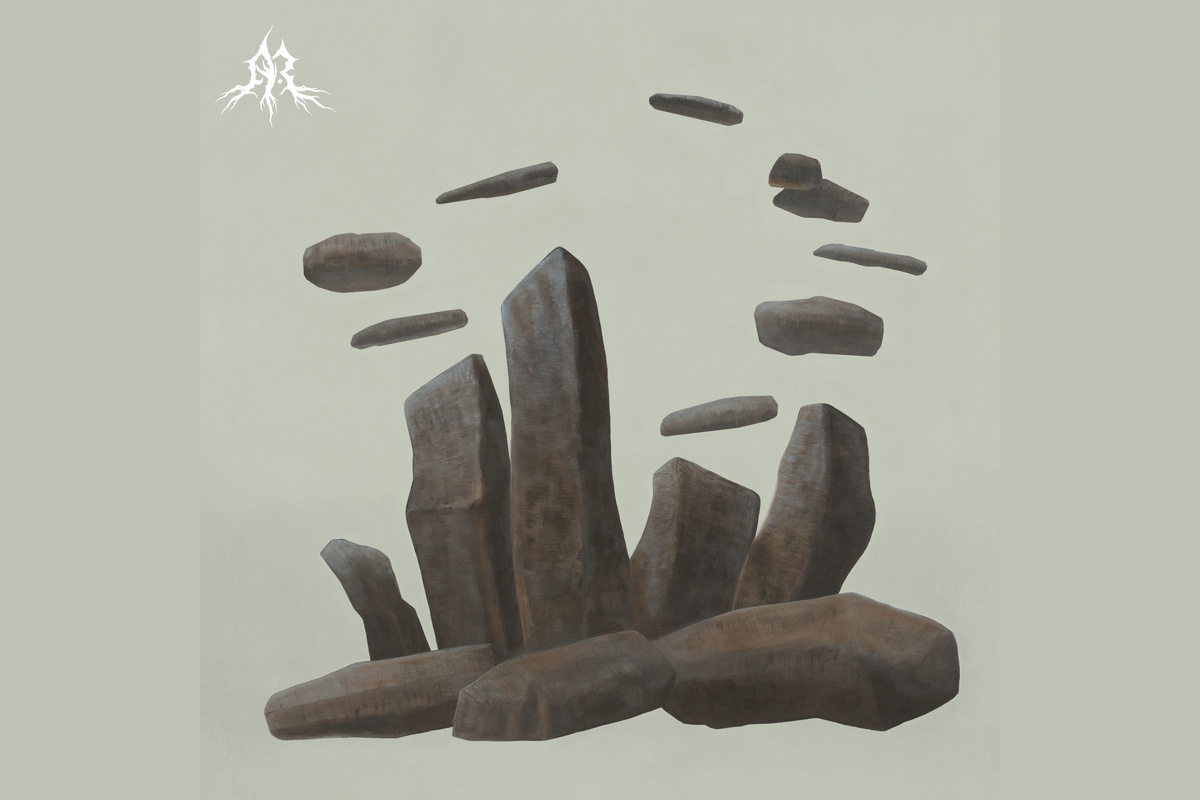
Only 100 CDs have been produced, while the vinyl edition is limited to 10 copies and features a transparent lathe-cut disc and a screen-printed cover by artist Greg Slick.
Slick’s artwork, titled Preseli Aural Wave, was inspired by the music and photographs taken by Adcock during his visits to the Preseli Hills.
Support our Nation today
For the price of a cup of coffee a month you can help us create an independent, not-for-profit, national news service for the people of Wales, by the people of Wales.
Get more trusted Welsh news
Choose Nation.Cymru as a preferred source in Google News to see more of our journalism.



The Welsh bluestones were chosen for a reason. First quarried from the Preseli Hills and erected in Pembrokeshire, they were then transported 140 miles, along with the ashes of our ancestors, and placed in pits at the current Salisbury site. It’s fascinating to think that the stones actually chime with a metallic sound. Perhaps Stonehenge was not a calendar, as is often theorised, but a Neolithic instrument that once struck resonated with an audible tone.
Does anyone from Blaenau remember Roger’s Slate Rock concert in the Quarry with the thunder storm backing track…talking of rock music…
Litho drums, I can’t believe…they have been around since the Flintstones !
The stones were not quarried and thet were not transported by humans all the way to Stonehenge. That tired old narrative is unsupported by any hard evidence. You should not believe everything that you read in the media……