

On Being a Writer in Wales: Norena Shopland
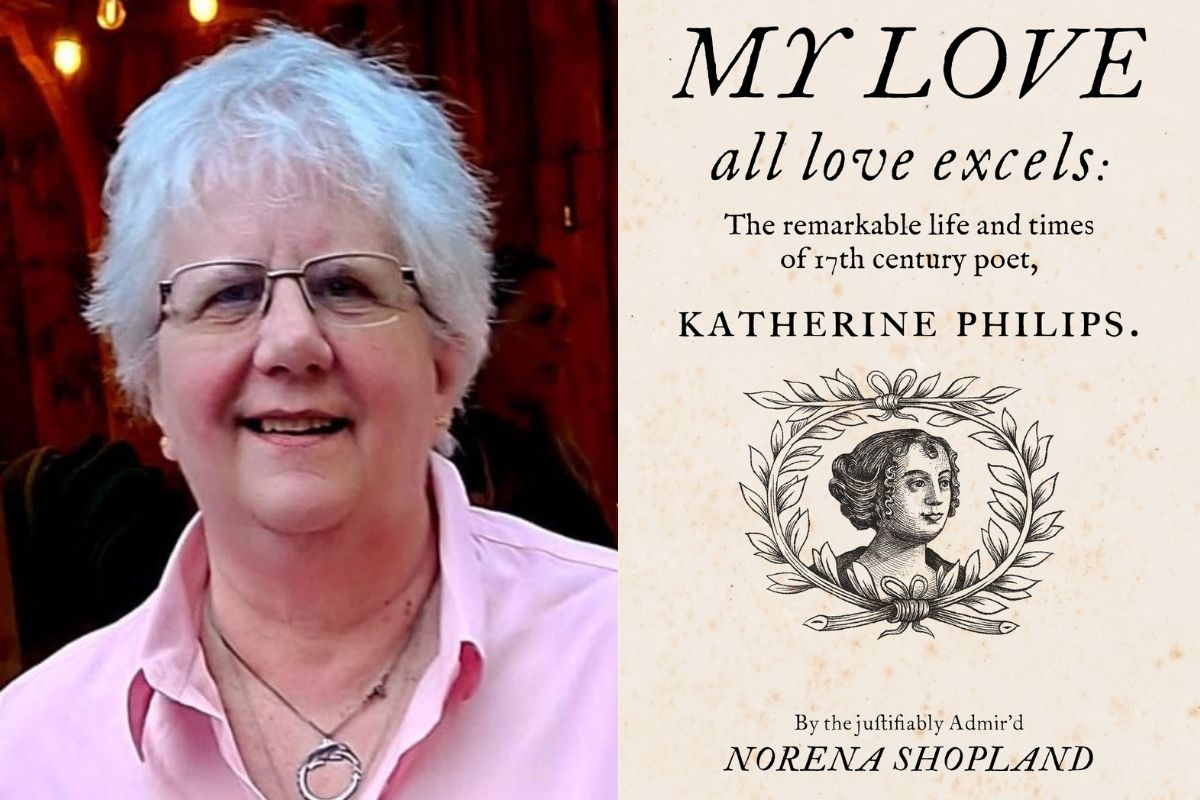
Norena Shopland
Being a writer of Welsh history is both very satisfying and very frustrating.
But I should confess at the outset that I have more or less given up writing about men. So many people do it, there is no need for me to do so.
The reason, as I have written elsewhere, is that platforms such as Wikipedia, the Dictionary of Welsh Biography (DWB), and others have less than 20% of biographical articles about women. Citing this does make some people defensive, but these are statistics, not personal opinions.
The reason for the gap is simple: history has been dominated by men, and as far as the mid-twentieth century, the inclusion of women’s lives was not considered as important as those of men. Where they were included, they tended to be the low-hanging fruit, women already famous.
Modern efforts by both the Women in Red project at Wikipedia and the recently funded project at DWB to increase not just women’s history but diversity are paying dividends. New research is uncovering women who did amazing things.
Take, for example, a biography I am currently compiling on Gwenllian Morgan – she rarely left Brecon and yet was not only the first female mayor of a Welsh town, but was the British secretary for the astonishing temperance Polyglot Petition for which she raised some 500,000 signatures. The Welsh Women’s Peace Petition, which has been celebrated extensively in the last few years, raised almost 400,000 signatures from people across Wales. That Gwenllian and her small local team outdid the Peace Petition is a remarkable achievement by anyone’s standards, particularly when you consider the average size of international online petitions today is 40-60,000. Of course, these achievements should be writ large in history.
In addition, organisations such as Women’s Archive Wales are producing fascinating stories, for example, their history of Welsh women in sport. Their annual conference provides myriad opportunities to speak of such histories, and submissions are welcome from everyone, not just academics.
There are so many more women like Gwenllian who need to be added to history to provide accurate narratives of UK history. Without the contributions of people from Wales, Scotland, and Northern Ireland, it remains an ‘English’ history. (I still shout at the TV screen when the UK is referred to as England.)
This leads to why being a writer of Welsh history is so satisfying.
All that new ground to explore. Becoming a detective, hunting for the smallest clues to build new stories. Several of my monthly articles for Nation Cymru are about women, either not well-known or little known, and it is a pleasure and an honour to bring the achievements of these women back to life.
We are in need of more historians, though.
To that end, I have been running a Proud Writing workshop since 2024, which showcases people from Welsh history for participants to creatively interpret historic individuals. Five e-booklets have been produced and have featured people’s own personal stories or their fiction, non-fiction, or artistic responses. Many of the works published have been outstanding. There are so few platforms for new writers to access; it bridges that gap, and several participants have gone on to research and publish in other blogs and publications. Forming new and expanding existing writers of Welsh history.
Being a Welsh writer also provides opportunities to tackle racism that existed, and still exists (just read the racist comments on football social media sites when Wales plays England). In my new biography of Civil War poet Katherine Philips, I tackle descriptions that place Katherine as a lonely, isolated, and rather sad woman because she’s been relegated by marriage to that obscure little backwater: Wales. It is satisfying to correct this misinformation and show she loved Wales and that it boasted vibrant communities.
The frustrating part of being a writer in Wales is being in Wales.
Mainstream media tends to ignore our country. As do dedicated presses.
I write extensively on diverse sexual orientations and gender identities, and rarely will the pink press (those publications dedicated to these subjects) cover anything from Wales. The same is true of women’s history.
There are no (or none that I can find) literary agents in Wales, and most of us need to directly submit to Wales-based publishers who are generally oversubscribed. Several times I have approached mainstream literary agents, but the answer is always the same – Wales is such a ‘niche’ subject. The spurious argument being that nobody else in the big wide world would be interested in a Welsh person. It is insulting and deeply disappointing that people still think this way.
The only thing that should matter is whether it’s a good story – and Wales certainly has those in abundance.
Support our Nation today
For the price of a cup of coffee a month you can help us create an independent, not-for-profit, national news service for the people of Wales, by the people of Wales.
Get more trusted Welsh news
Choose Nation.Cymru as a preferred source in Google News to see more of our journalism.


