

Poet Profile: Suzanne Iuppa
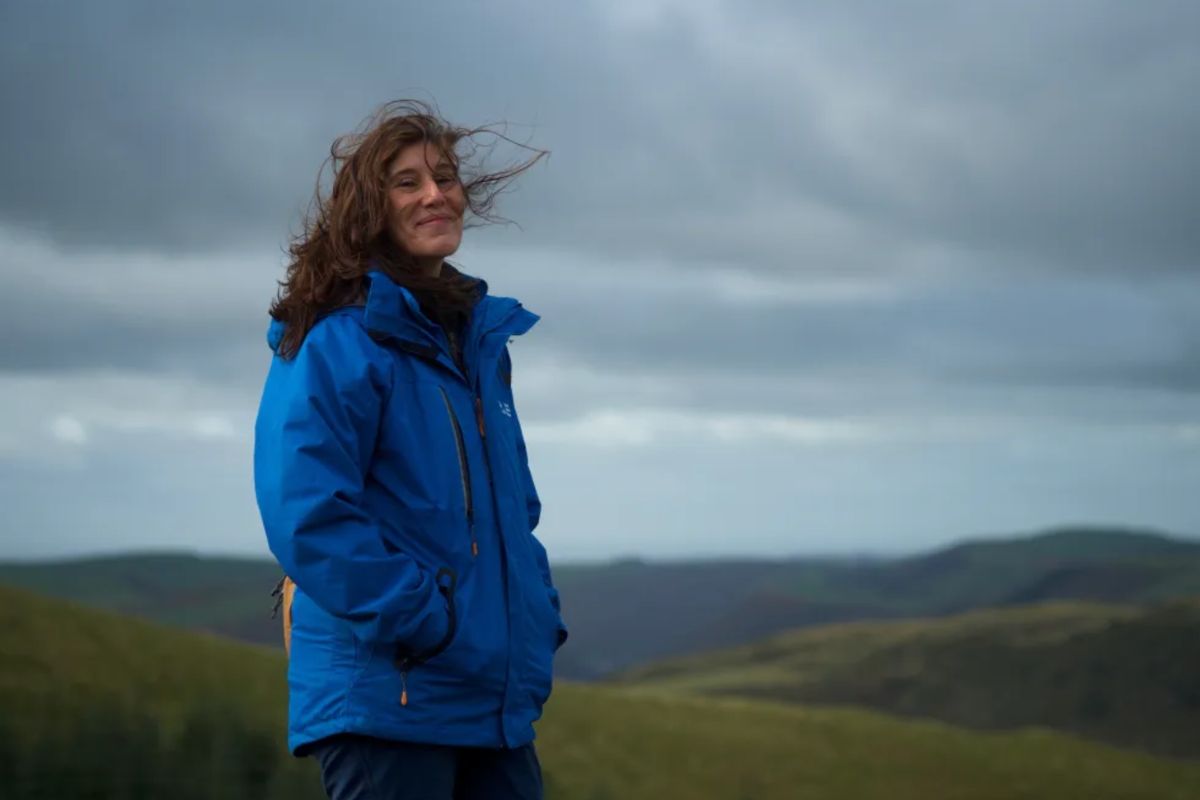
Dr Seuss, earwigging and unpopular choices: poet and conservationist Suzanne Iuppa joins CJ Wagstaff to talk inspirations and share a brand-new poem.
With a distinctive poetic voice and an eye carefully trained on the living world, Suzanne Iuppa has performed and published her work widely, appearing in major magazines including Magma and Poetry Wales, shortlisted for the Bridport Prize in 2016 and twice nominated for the Pushcart Prize.
Iuppa’s work grows out of recovery efforts for our most vulnerable spaces, species and communities. She is the founder of ETA CIC, a project bringing together climate adaptation and cultural exchange. Here, she becomes the next guest in Nation.Cymru’s ongoing series of poet profiles, where we put ten burning questions to the poets helping to shape the literary landscape of Wales.
Do you remember what first drew you to poetry?
Yes, my mother reading Dr Seuss and nursery rhymes to me, and acting out rhymes with my younger siblings (yes, I accept ‘goody-goody sister’ as my younger sister Lisa says).
Do nursery rhymes set you up to always be a goody-goody? No, as Sylvia Plath proves. I read her at 12 years old and then started copying my rambling poems long-hand to school friends to pass as notes, you know, under the desk, hidden by the sole of the shoe trick, or behind the cover of a notebook, often entrusting the person in front of you, to pass it to the intended recipient, but then sometimes that person reads the poem, and adds more lines in the note, usually very smutty, or just absurdist humour. I guess it was a way of saying what you really think and getting away with it.
I liked the shock-value of poetry and still do. Personally, I associate it with outdoors and lack of control- of thoughts, of bodies.
I think there is a prose poem about eating a picnic in bed in Erica Jung’s Fear of Flying or maybe it was Marilyn French’s The Women’s Room, which my aunts made sure I read before I reached puberty. My course was set pretty early.
Who are some of your favourite living poets, and what resonates with you in their work?
Paul Henry, for his lyricism and love/acceptance of loss.
Holly Pester for internalised, unhinged postgrowth economies.
Zaffar Kunial for blistering narrative poems which hitch all the tangents in eventually, and the beautiful formal shorts– he can do it all.
Natasha Tretheway for her rhymes and images that make the American South for me.
I am very much enjoying Milk Wood Memoir, a new collection by Samantha Wynne-Rhydderch. She is precise, funny, and the setting could be nowhere but New Quay. Her poetry is also so cinematic.
Is there a poem by someone else you wish you’d written?
‘The Act’ by Greta Stoddart.
What have you read recently that excited or surprised you?
Matt Howards’ new collection Broadlands from Bloodaxe Books (2024). A conservationist’s book of poetry.
I loved your poem ‘The Farrier’ in Propel, CJ!
‘She was having an abortion in the supermarket’ by Caroline Druitt. Issue One of And Other Poems— as Tom Bailey started to edit (Summer 2023)
‘Fishing for Barrels’ by Dan Powers. Poetry Birmingham Literary Journal 11.5 guest-edited by Paul Roberts (Autumn 2025)
‘Je m’excuse’ by Amy Dugmore. Poetry Wales 61.1, 2025. This is a shit-tonne of a found poem and I have read this aloud to several friends and family members, diolch Amy.
‘Silicon Valley, in the Backseat of a Tesla’ by Carson Wolfe. Poetry. (July/August 2025)
Anything by Rhiannon Fielder-Hobbs.
What inspires you outside of literature?
Nature, day-to-day living, earwigging, working in fields or on farms, long distance walking, romance. Grandchildren. My parents.
What projects or poems have you been working on lately?
I am writing poems about not dying yet and being outside. I also write fiction about women making unpopular choices.
Do you have any rituals or habits that help you write?
For nearly 50 years I have been writing in the cracks of my time. I think it’s the same for many people. I applaud anyone who is writing and however it works for them. I work with a mentor for my poetry and find the monthly deadlines a good motivation. I also use submission deadlines as motivators to finish drafts, or go back to drafts and edit.
In 2026 I’ve set up a work project which will allow me more writing time going forward so I can support myself, and write. I have been not treated well by male employers who know I am writing and therefore, having independent thoughts. It is particularly bad to be an older woman working for a man who hates you for being an older, experienced, skillful woman. Hate is the right word. Well, I hope my previous employer’s testes shrivel and drop off as a result of a mysterious fungal disease, and that he knows I wished for it, and then it happens.
What’s one word you wish you could use in a poem but never have?
Cum. (Rhiannon Fielder-Hobbs has! I have used the word ‘jizz’.)
If your poems were a type of animal, what would they be and why?
Fawn (like to get up close).
One last thing! Would you like to share one of your poems and tell us why you chose it?
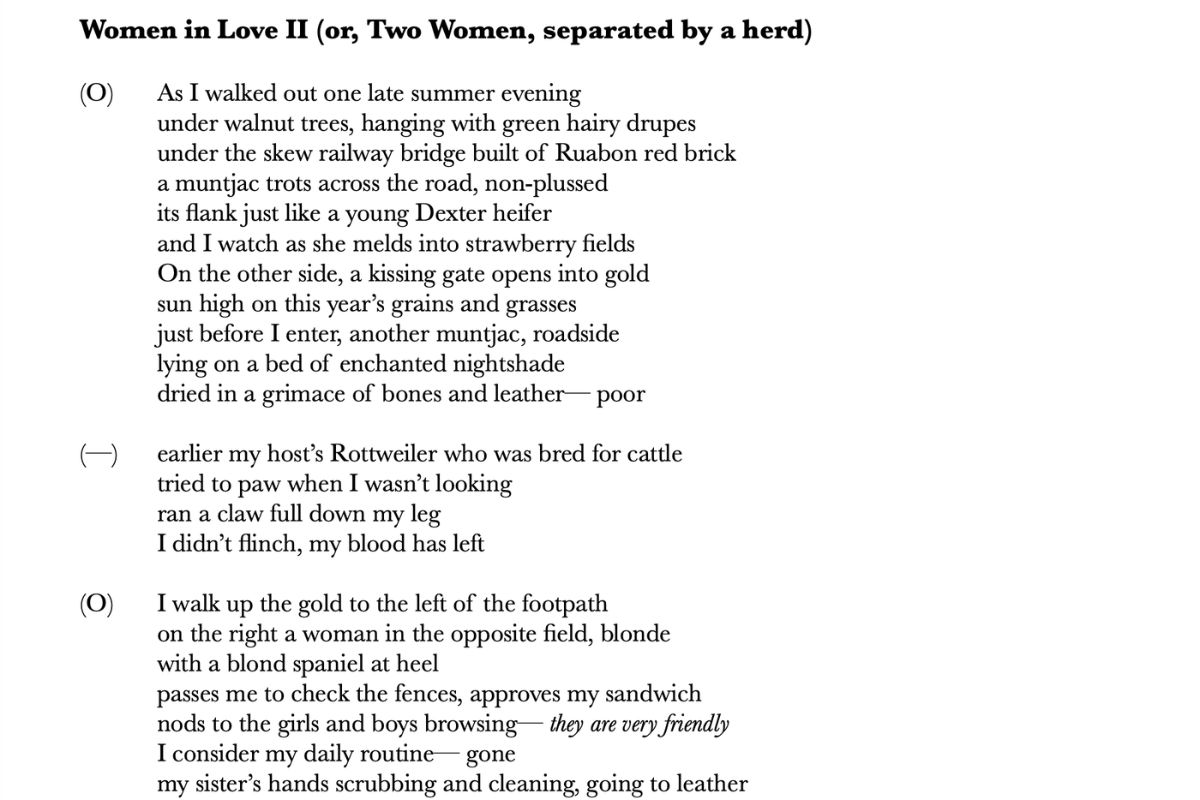
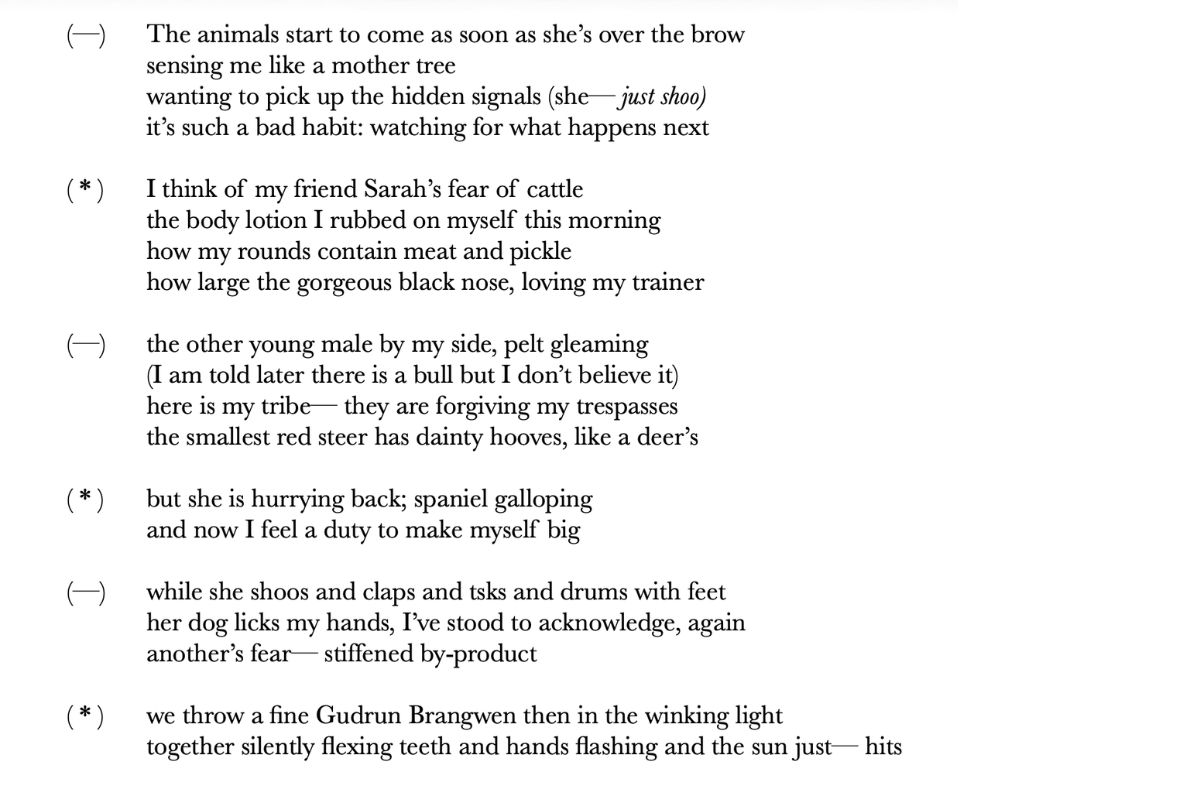
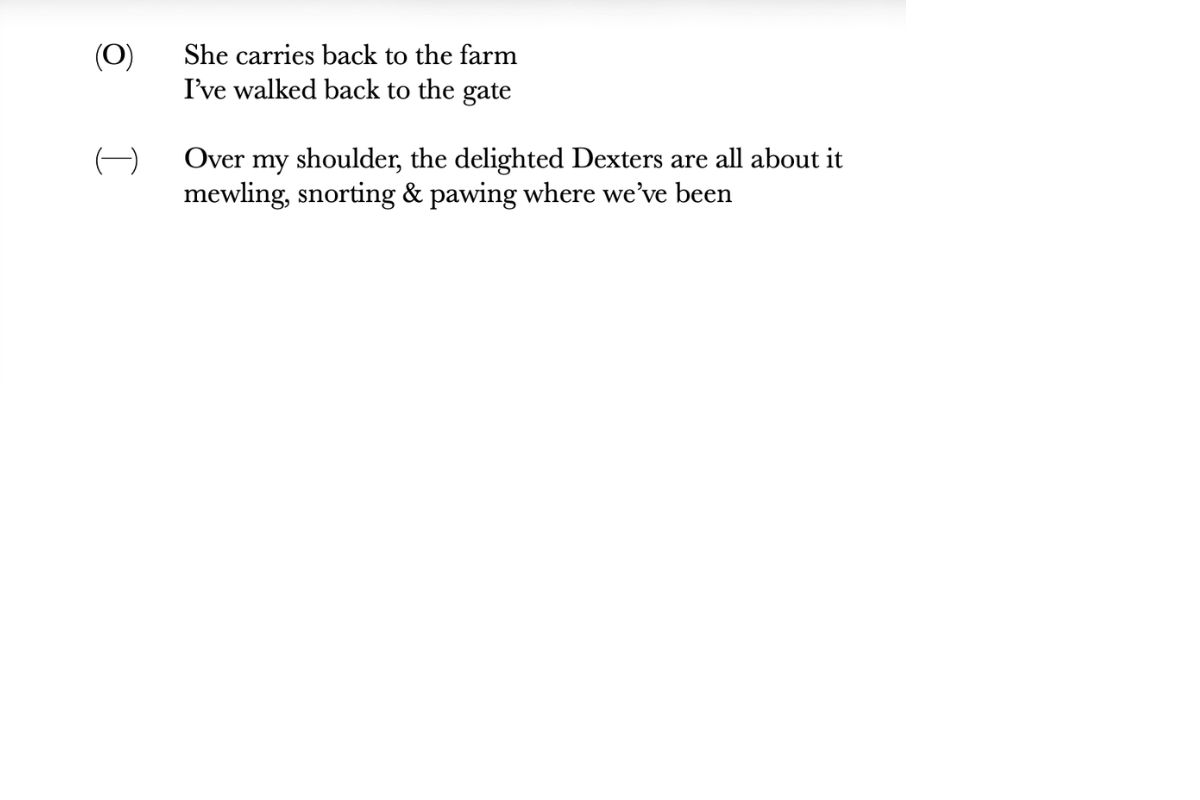
Women in Love II has not been published yet and this interview gave me a reason to look at the draft again…. Thanks so much for reading.
Here it is.
Support our Nation today
For the price of a cup of coffee a month you can help us create an independent, not-for-profit, national news service for the people of Wales, by the people of Wales.
Get more trusted Welsh news
Choose Nation.Cymru as a preferred source in Google News to see more of our journalism.


