

60 years of the Severn Bridge
Twm Owen, Local Democracy Reporter
Gridlock, delays and time spent waiting in traffic may be a daily complaint in Chepstow but that is nothing to the situation the town faced for much of the 20th century.
Long queues of traffic snaking through the town had prompted the Chepstow Urban District Council to call for a river crossing as long ago as the 1920s, said John Burrows who has studied the history of Chepstow’s bridges.
“Traffic was queuing from the ferry site over the 1816 iron bridge, across the Wye, and the town arch where you could only get one lorry through,” said Mr Burrows of the gridlock that came to characterise a town that has long been a crossing point between Wales and England.
A road crossing over the Severn eventually materialised in the 1960s when the government began building, at a cost of £8 million, the Severn Bridge. It opened on September 8, 1966 – meaning this year marks the 60th anniversary of the direct road link across the Severn connecting South Wales and the South West of England.
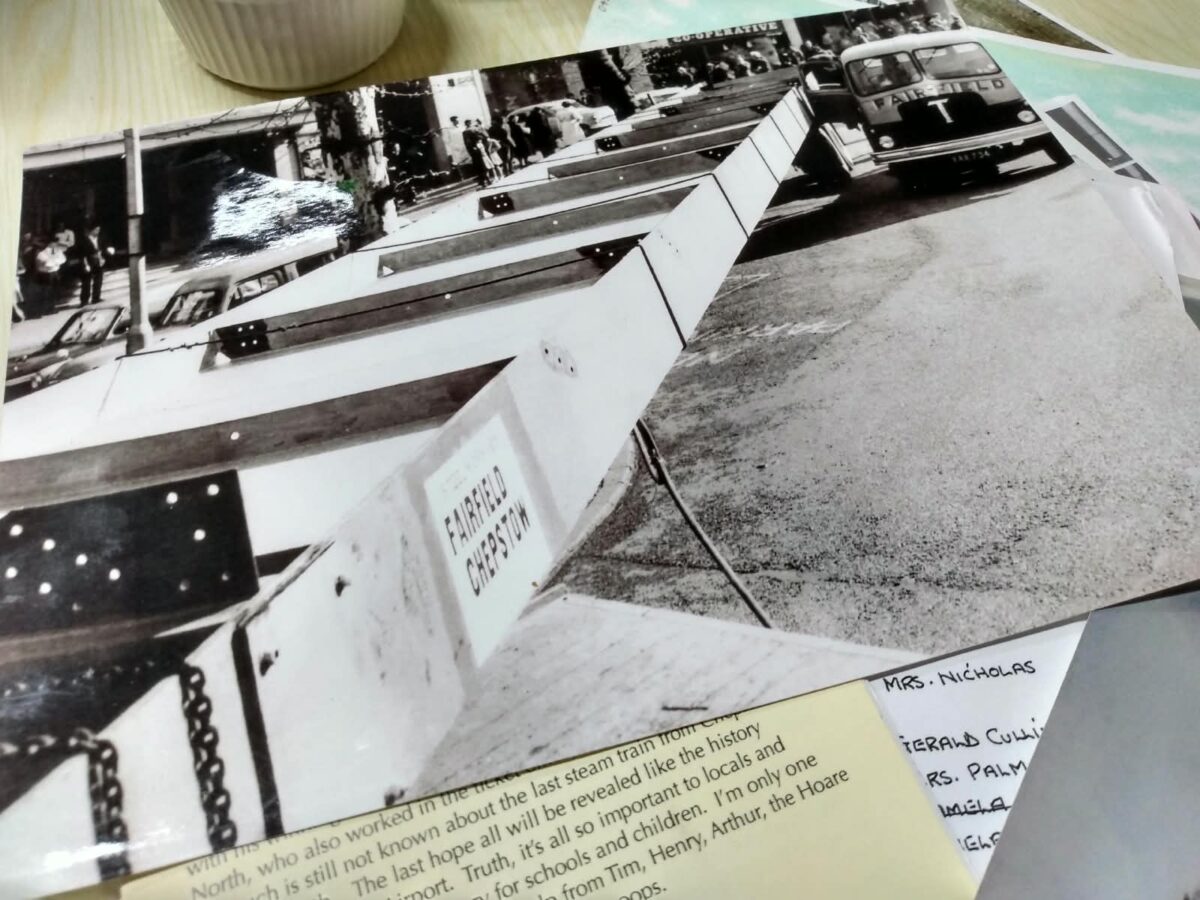
A second bridge, since renamed the Prince of Wales Bridge, opened 30 years later but the original crossing remains vital to the economy of Chepstow, having made a significant impact even before it opened with construction centred around the Fairfield Maby shipyard.
“The day the bridge opened the ferry stopped,” said Mr Burrows of what had previously been the only mode of transport between Chepstow and Aust on the English bank for cars and lorries: “Some people working on the ferry went to work on the tolls or got other jobs around the operation of the bridge.”
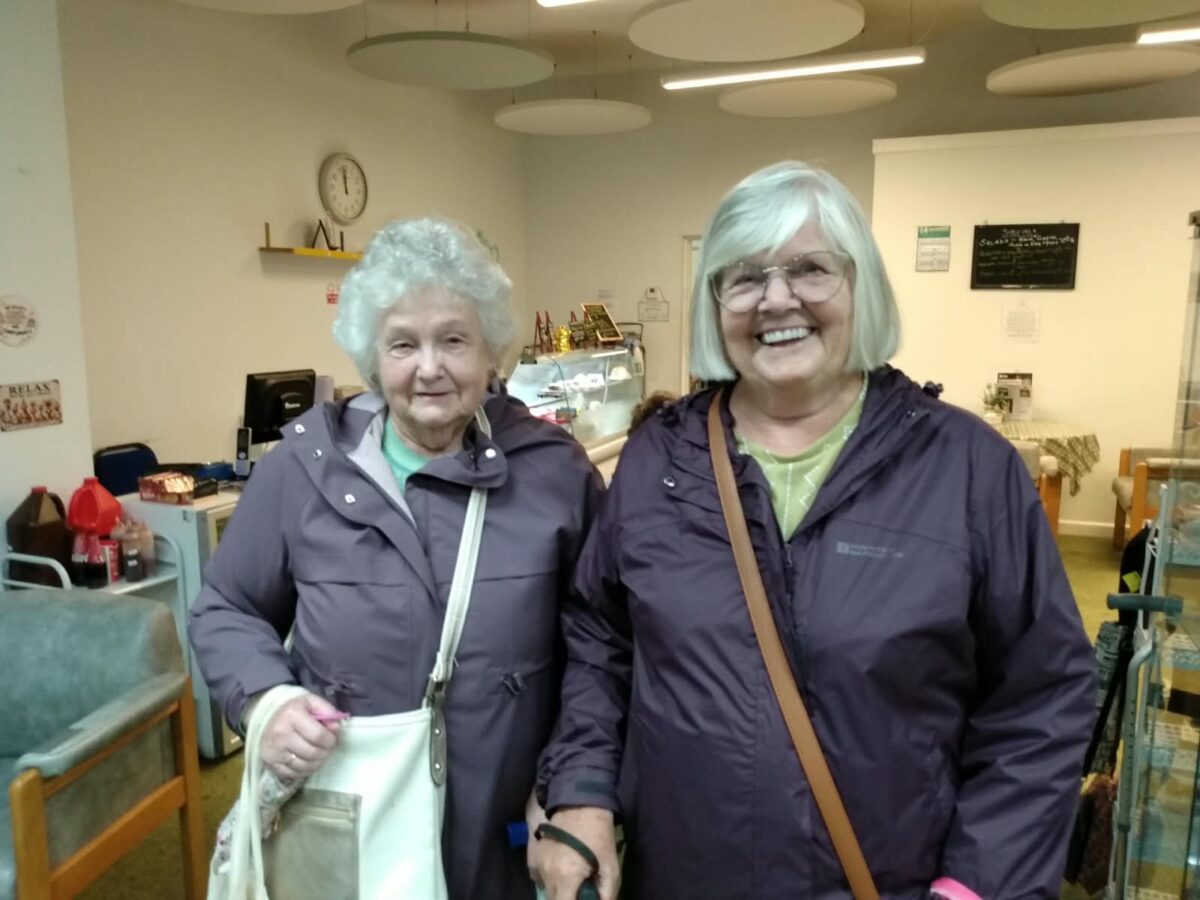
Audrey Coles remembers the week the bridge opened as she was working at the Racecourse Garage near Chepstow Racecourse.
“It was so busy with people coming across to see the Wye Valley from over the water,” said the now 81-year-old: “On the Sunday I had started at 10am and was supposed to work until 7pm and it was so busy I had to keep working and my boss made me tomato sandwiches, which I hated, but I was so hungry I ate them, and I still eat them now.”
At the Palmer Community Centre a number of photographs of the bridge and its construction are included on its memory wall, including one from its opening ceremony donated by centre manager Margaret Gore’s cousin John Roberts.
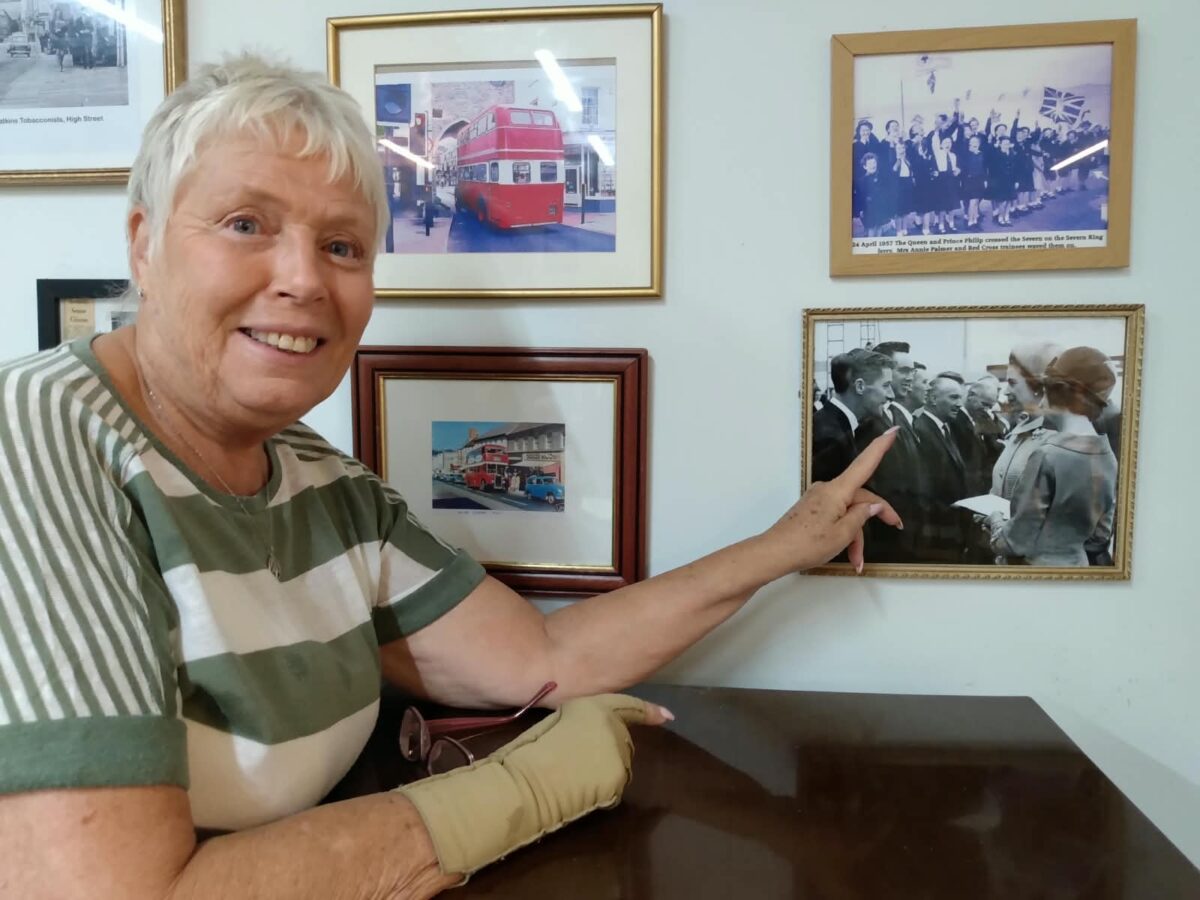
“I really don’t know what he was doing, all I know is he worked on the bridge,” said the 76-year-old, who remembers the ferry crossing, while pointing at the black and white photo of her cousin meeting Queen Elizabeth on the bridge.
Travel between South Wales and England was now significantly quicker and easier, removing the need to either take the car ferry or a long land diversion.
“To get to and from London from South Wales you no longer needed to go round to Gloucester,” said Mr Burrows: “But it also made a huge difference to Bristol as it was a real hassle to go all the way up to Gloucester just to come back down on the other side to get to South Wales.”
Removal of the tolls on both bridges, in 2018, has also made a significant difference said Mr Burrows describing the decision as leading to a “much more open economy between Bristol and this side of the Severn.”
Bridge tolls were unpopular and described by the Freight Transport Association as “effectively a tax on doing business between Wales and England” when their impact was examined by Westminster’s Welsh Affairs Select Committee in 2010.
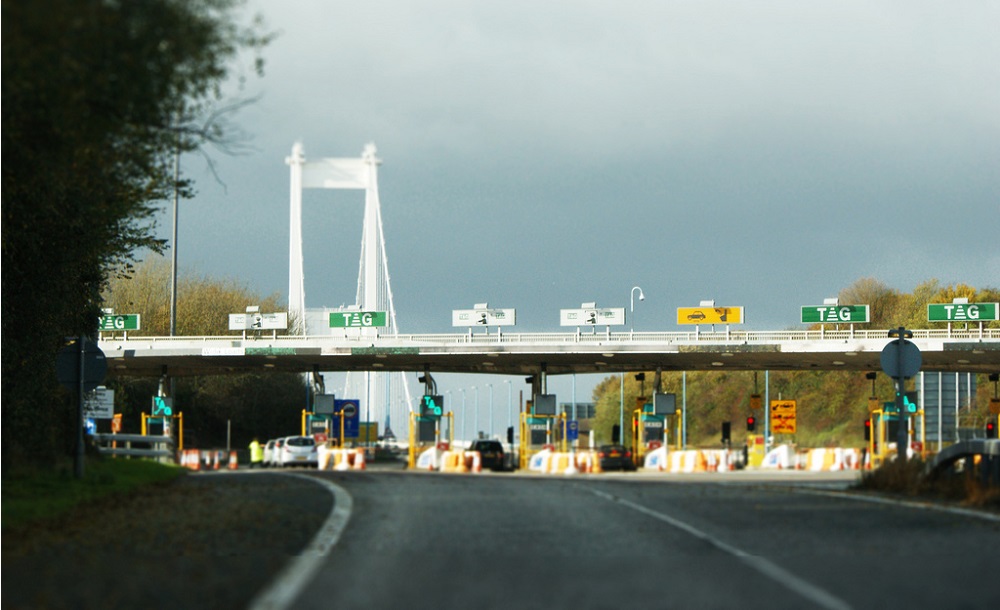
Costs running into thousands of pounds for some hauliers had become an increasing concern and irritant to private motorists. The committee was told one logistics firm was paying £200,000 a year when heavy goods vehicles had to pay £16.40 to enter Wales.
Logistics has become an important industry for Monmouthshire with the giant Newhouse Farm Industrial Estate developed alongside the bridge junction in Chepstow and it is home to a distribution centre for supermarket ASDA.
Some 32,000 vehicles cross the bridge every day, with UK Government agency National Highways which is responsible for both bridges, having said around 10 per cent weighed more than the 7.5 tonne weight limit it introduced in May 2025.
That prompted fears over the direct impact on Chepstow and the wider economy of South East Wales. Cllr Catrin Maby, who is responsible for Monmouthshire’s road network, compared the impact to the potential closure of the Scunthorpe Steelworks that the government stepped in to save.
The council had sought to impress upon the UK Government the continued importance of the M48 crossing: “We have emphasised the impact and job losses that may occur with over 2,500 jobs at risk at Newhouse alone that is equivalent to the potential job losses at Scunthorpe steelworks.”
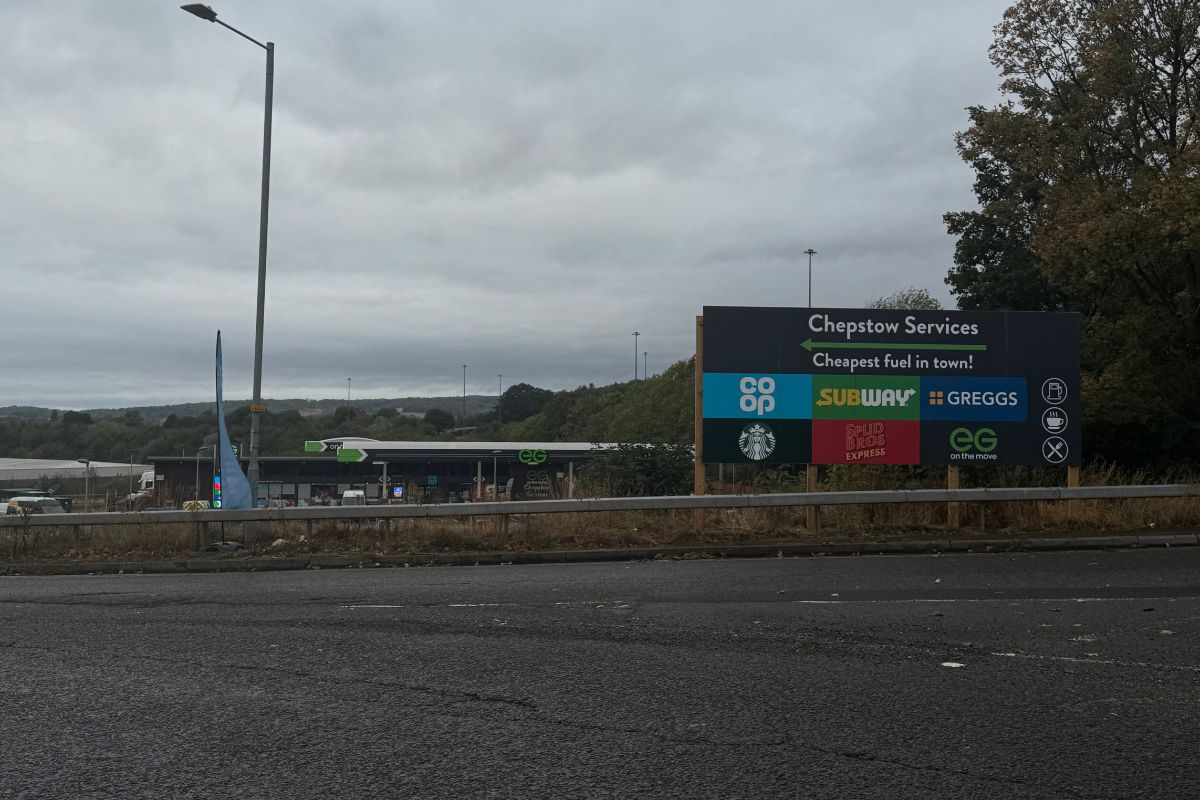
Despite the Prince of Wales Bridge carrying M4 traffic since it opened in 1996 the volume of traffic crossing at Chepstow continues to attract linked businesses. A fuelling station, and various drive throughs, opened opposite the industrial estate earlier this year while McDonald’s had wanted to open a drive through on the estate.
Firms have valued easy access to not only the M4 but the M5 corridor while a 2017 deal that saw a logistics firm expand its Newhouse base by taking over the former Tesco distribution centre. At the time it was reported the base would be “enhanced” the impending removal of the tolls.
The Journal of European Real Estate Research, in a 2024 study, suggested property prices in Newport and Monmouthshire increased as a result of the tolls being lifted.
Its study of the housing market suggested there was “a statistically significant increase” of 5.8 per cent compared to properties in Bristol and South Gloucestershire from 2019 to 2021.
It said the impact can reach up to 13.1 per cent for properties located in a 10km radius of the bridge. Researchers said the results indicate that the toll removal enables the ripple effect across the two markets by reducing commuting costs.
Monmouthshire Councillor Armand Watts, whose Bulwark and Thornwell ward includes the Severn Bridge, said the removal of tools has allowed the town to share in the prosperity of Avonmouth.
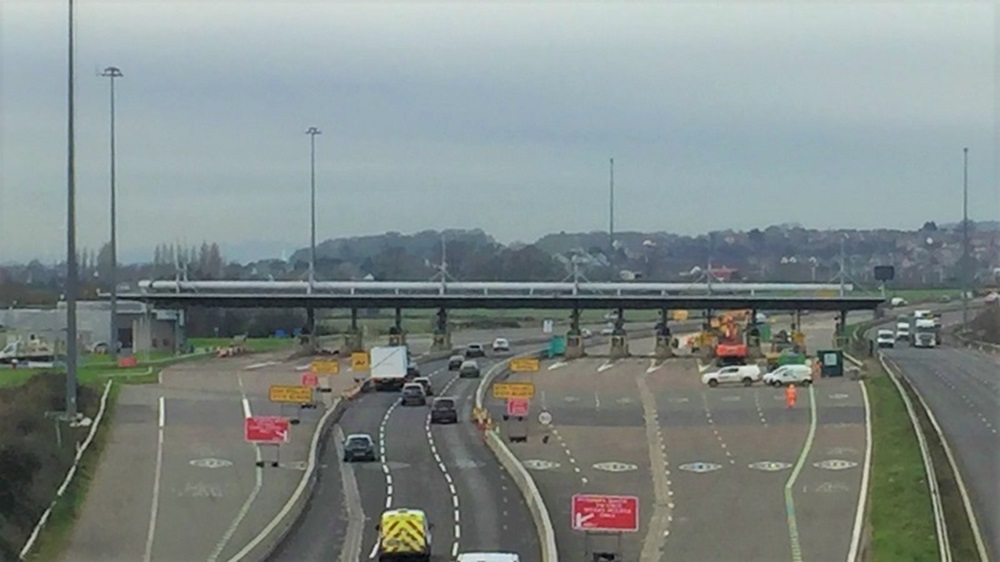
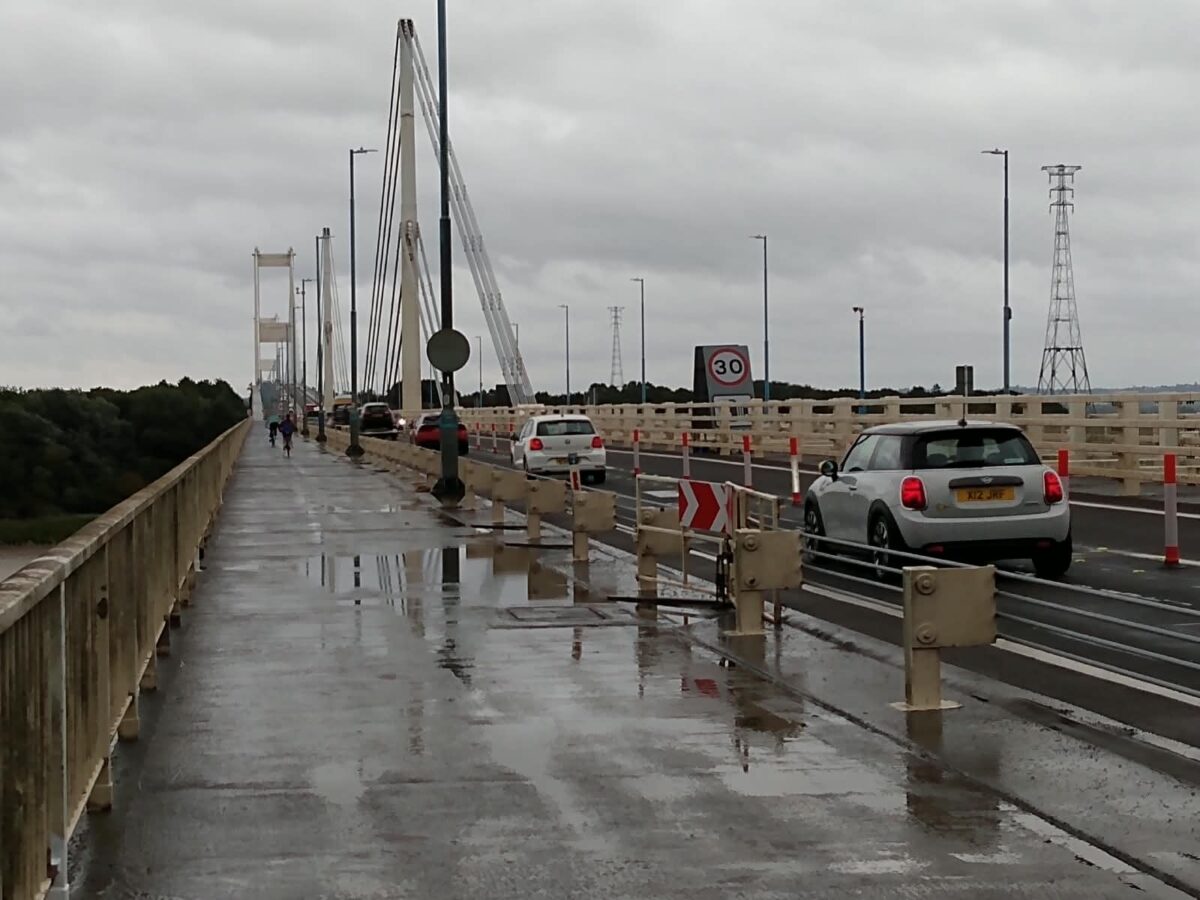
Ongoing resurfacing work, that has reduced the bridge to only one lane in each direction during August and September, has proved a frustration for Chepstow residents “getting back from shopping at Cribbs Causeway or going for work” said Cllr Watts.
Frustration, and some uncertainty, remains over the long-term future of the bridge with a plan to allow the return of HGVs, beyond a temporary measure to be introduced this year, is still being worked out but the bridge is still a vital link.
“Chepstow is part of the catchment for 9,000 jobs at Avonmouth,” said Cllr Watts: “The relationship between Chepstow and Bristol is greater than it’s ever been.”
John Burrows’ talk on “Chepstow’s bridge that changed the world” takes place at the Drill Hall, Chepstow on Wednesday, September 16 at 7.30pm, with tea and coffee from 7pm. All are welcome with the fee for non-members £4 and £1 for members.
Support our Nation today
For the price of a cup of coffee a month you can help us create an independent, not-for-profit, national news service for the people of Wales, by the people of Wales.
Get more trusted Welsh news
Choose Nation.Cymru as a preferred source in Google News to see more of our journalism.



With the 60th anniversary of the Severn Bridge, I find it bittersweet: since its construction, it has been both an aid and a hindrance to Wales and our economy. And who can forget the Conservatives cynically and deliberately placing the toll booths on the Welsh side, meaning we in Wales had to pay to enter England, while our English counterparts paid to leave Wales? Also it was only in 2018, some 52 years later, that the tolls were abolished—and by then the damage was done. Westminster refused to devolve power to Wales over the tolls, and, to rub our noses… Read more »
It’s the Gareth Bale bridge to locals.
Athough not a name I’d choose, anything is better than the name, Prince of Wales.
Only the newer bridge has that name. The original is still available to be named after Owain Glyndŵr to really muddy the Tory waters.