

A Church of the People: how The Rules of Discipline shaped rural Wales
Antony David Davies, FRSA
In the upland farms and chapel-lined lanes of Victorian Wales, religion was far more than a private conviction. It was a framework for living that governed speech, work, leisure — even a neighbour’s opinion of your worth.
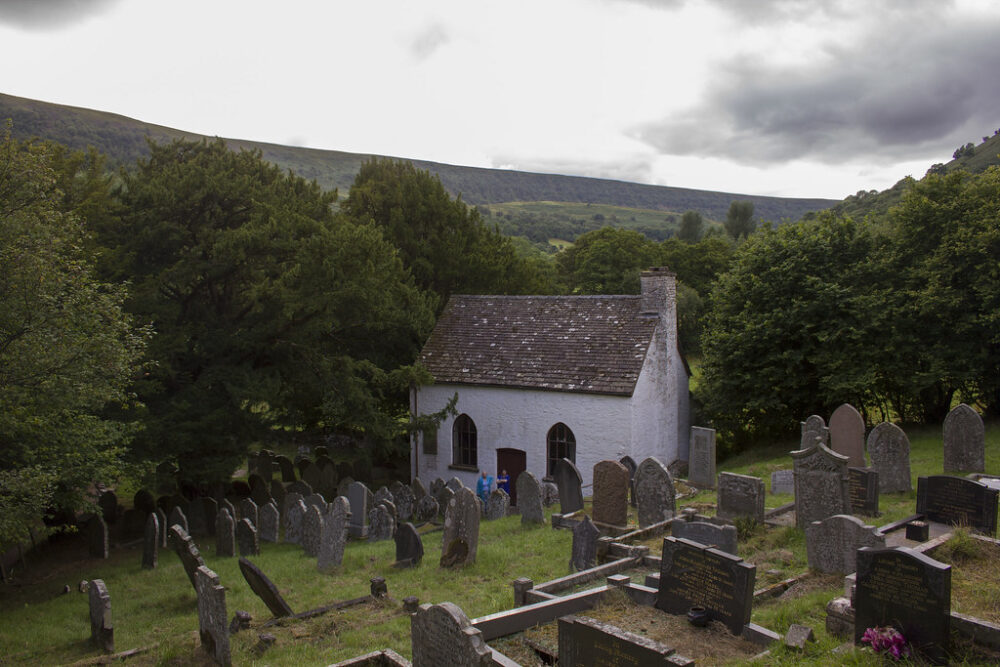
Nowhere was this more visible than in the Calvinistic Methodist chapels that dotted the hills of Merionethshire and Montgomeryshire, where the Rules of Discipline gave order and meaning to rural life.
The Calvinistic Methodist Church of Wales, formally constituted in 1821, was the child of the evangelical awakenings that swept Wales from the 1730s. Unlike Wesleyan Methodism, which remained tied to English structures, the Calvinistic Methodists forged something profoundly Welsh: a church governed by its own people, speaking their own language, and anchored in the rhythms of agricultural communities.
By the 1850s, this church had become the moral heart of rural Wales. Its chapels rose in stone on lanes where drovers’ bells once rang, its Sunday Schools taught scripture and literacy hand in hand, and its pulpits thundered in the rolling cadences of Cymraeg.
Living constitution
The Rules of Discipline might sound like dry by-laws, but they were far more — a living constitution that shaped how people worshipped, governed themselves, and understood right and wrong. Printed in both Welsh and English, but lived almost entirely in Welsh, they demanded strict Sabbath observance, regular chapel attendance, and participation in the “means of grace”: prayer meetings, sacraments, scripture readings.
Yet they went deeper still. The Rules laid out expectations for daily life: honesty in trade, chastity, temperance, a rejection of frivolous amusements. Members who fell short could be quietly admonished, publicly suspended, or, in rare cases, excommunicated.
To outsiders this might seem harsh. But for countless tenant farmers, shepherds and craftsmen, these standards offered dignity — a way to rise above the grinding realities of rural poverty through moral seriousness and communal respect.
At a time when the vote was still denied to most Welsh peasants and smallholders, the Presbyterian structure of the church gave them a voice. The local seiat (or society meeting), often led by lay elders rather than ordained ministers, decided matters of membership, discipline, and dispute.
Monthly Meetings gathered representatives from several chapels to deliberate cases, and sent delegates to Quarterly Associations and the national General Assembly. This was democracy before the ballot box arrived. A farm labourer who might never petition a landlord could stand and speak in the vestry, helping determine whether a neighbour’s repentance was sincere or if doctrinal errors threatened the flock. It was also a subtle training ground.
Many who first found their voice in chapel meetings would go on to serve on school boards, county councils, or even as Liberal MPs in the movement for Welsh disestablishment and land reform.
Badge of defiance
All of this happened through Welsh. The language was not just a medium for prayer but a badge of defiance. As state schools — under the notorious “blue books” — sought to stamp out Welsh in the classroom, the chapel preserved it in sermon and song.
Hymns by Ann Griffiths or William Williams Pantycelyn did more than stir hearts; they linked language, land and faith in ways that formal politics never could. Even the disciplinary process, daunting as it could be, was softened by the intimacy of the mother tongue. An elder gently correcting a wayward young man did so as a neighbour, often a cousin, speaking the language of childhood kitchens and lambing pens.
Long before rural Wales had formal welfare systems or local police forces, the chapel’s rules functioned as a kind of community oversight. Public censure was not just spiritual: it could mean fewer customers at your smithy or suspicion at the next cattle fair. But the goal was nearly always restoration.
Private warnings, then public admonitions, gave people chances to mend their ways and return to the fold. Women, though barred from formal eldership, wielded enormous moral influence. They led many of the local societies, organised hymn-sings and mission work, and were often the most unflinching in calling out lapses of conduct.
By the late 19th century, the Calvinistic Methodists — later the Presbyterian Church of Wales — were a powerhouse of Welsh life. They helped spearhead campaigns for education, temperance, and parliamentary reform. Even as industrialisation pulled young people to the valleys or the emigrant ships, the chapel’s ethos of self-discipline and community duty clung on in rural corners.
Today, many of these chapels stand shuttered, their pulpits silent. Yet the old Rules of Discipline still echo faintly in the Welsh instinct for mutual aid, in the village show committee, in the respect for chapel graves. They remind us that the moral order of our grandparents was not imposed from above but forged, often sternly, by neighbours looking one another in the eye and agreeing what kind of people they meant to be.
Antony David Davies FRSA is a historian of Welsh upland communities, author of Old Llyfnant Farming Families, with deep family roots in Montgomeryshire.
Support our Nation today
For the price of a cup of coffee a month you can help us create an independent, not-for-profit, national news service for the people of Wales, by the people of Wales.
Subscribe
0 Comments
Oldest


