


A first time voter’s guide to the Welsh elections
Joshua Romain
Like many, this will be my first time voting, an experience that can be both overwhelming and confusing.
Like many, I worry that the young voter turnout could be low – with data from the 2021 election marred by the impact of Covid on young people’s political education, it’s tricky to know how many young people want to vote.
With less than 50 days until election day, you can expect to see and hear much more about Welsh politics.
But the truth is, getting clued up doesn’t have to be stressful, boring, or full of jargon. There are tons of ways to make politics approachable, even exciting, and help you make an informed choice when you finally step into that voting booth.
Here’s a guide to some of the best resources and steps for first-time voters that I’ll be using, and some practical tips for actually understanding what’s going on as someone studying and covering Politics ahead of the 7th of May.
Because I truly believe it’s supremely important that we, young people vote.
Register to vote
Without this step the ballot day will be incredibly disappointing.
Even if you’re uncertain about voting, having the option is always great.
The Senedd has powers over devolved matters which include; education, health and transport – meaning your vote can impact policies in these areas and your everyday life.
If you have not registered yet you can do so through this link.
The deadline to register is the 20th of April.
Podcasts
Podcasts are perfect if you want to digest politics without staring at a screen, while on the bus, tidying your room or on a walk as a break from revision.
One of the best options, and my favourite for Welsh politics is For Politics See Wales. It’s made by people who actually know the Welsh political scene, but also love a good laugh.
Breaking down what’s happening in the Senedd in a way that’s clear and relatable. Comedians Mel Owen and Robin Morgan join award-winning journalist Will Hayward who is the king of all things Welsh Politics and will definitely be mentioned again later.
Other podcast options include:
- Senedd Sources
- Gwleidydda (Welsh Language)
If podcasts are the long read, Instagram is your quick-hit politics fix. Accounts like Senedd Explained are fantastic for this.
They break down the news from the Senedd into bite-sized posts with graphics, polls, and short videos.
You don’t need to know every single policy inside out; these posts help you get a sense of the bigger picture, highlight the debates that matter most, and show what’s happening right now.
They can also help explain the new proportional representation which means we wont have a winner takes all election this year.
For Welsh speakers, there’s Hansh Dim Sbin, which does something similar but fully in Welsh. It’s great if you want political content that actually uses the language and feels relevant to your culture and identity.
Both accounts also post interactive content like quizzes and polls, which is an easy way to test what you know – or think you know.
They are both non partisan which means they’re neutral and simply there to give you the information.
I think this is crucial in a time where social media can push us into echo chambers and deep into a singular political ideology, it’s important to get the facts right.
Reading
Reading the news is the traditional way of getting any information but reading around election time can extend beyond just that in the news.
Manifestos are a party’s published aims, it sets out what they will do if they gain power or are elected to govern.
Usually many pages long, you don’t have to read the whole thing – you can just scan them.
Two parties have already published theirs; The Welsh Conservatives and Reform Uk but over the coming weeks all parties will.
Talk about it
Talking about politics with others, especially those who you don’t necessarily totally politically align with, will only enhance your knowledge and develop your own ideas and thoughts around a subject.
I have frequently tweaked or considered different elements of my own views due to conversations with peers.
Sometimes we can all be guilty of having a myopic view on politics.
Substack and Newsletters
If you like things curated directly to you, newsletters are the way forward.
Platforms like Substack allow writers to publish regular, in-depth takes on politics. You can subscribe to writers who cover Welsh politics specifically, giving you analysis that goes beyond the headlines.
Some even include links to sources and reading lists, making it easy to explore further. It’s a low-effort direct way to get smarter about political issues.
I would recommend Will Hayward’s newsletter with over 10,000 readers, the award winning newsletter is great for all.
But remember to balance it with a range of different political views.
My top tips on how to vote
Don’t feel like you need to understand everything at once. Focus on one or two issues that actually matter to you, whether that’s housing, climate, education, or healthcare.
It’s important to know enough to be confident in your vote.
Mix your sources. Listening to a podcast, scrolling Instagram, reading a newsletter, and talking to friends all together gives a much clearer picture than sticking to one platform.
Fact-check. If something sounds wild or extreme, check it against another source before accepting it as truth.
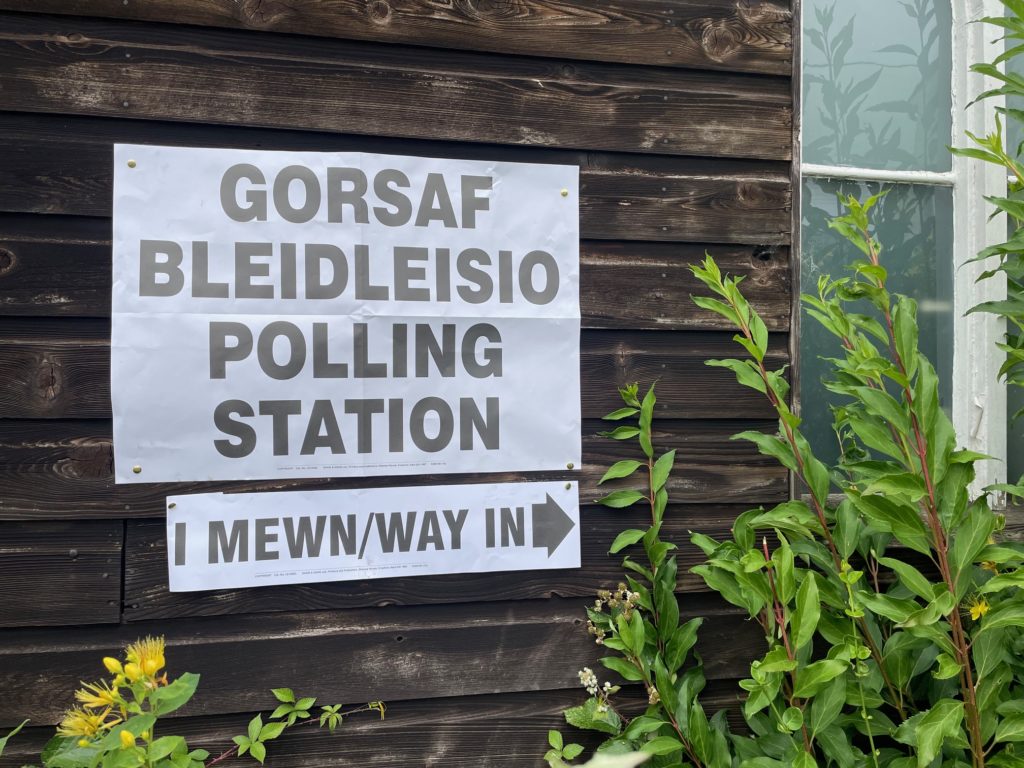
On election day, you’ll vote at a local polling station (or by post if you’ve registered), where you’ll be given a ballot to choose your preferred party I don’t believe that politics is just for journalists, politicians, or people with fancy degrees. It’s for anyone who’s about to cast a vote – and that means us young people.
With the right resources, it can be engaging, empowering, and even fun.
By the time election day arrives, you won’t just be voting because it’s your first time, you’ll be voting because you actually know what’s at stake.
Because your vote matters.
Support our Nation today
For the price of a cup of coffee a month you can help us create an independent, not-for-profit, national news service for the people of Wales, by the people of Wales.


