


Autumn equinox to take place overnight
Nation Cymru staff
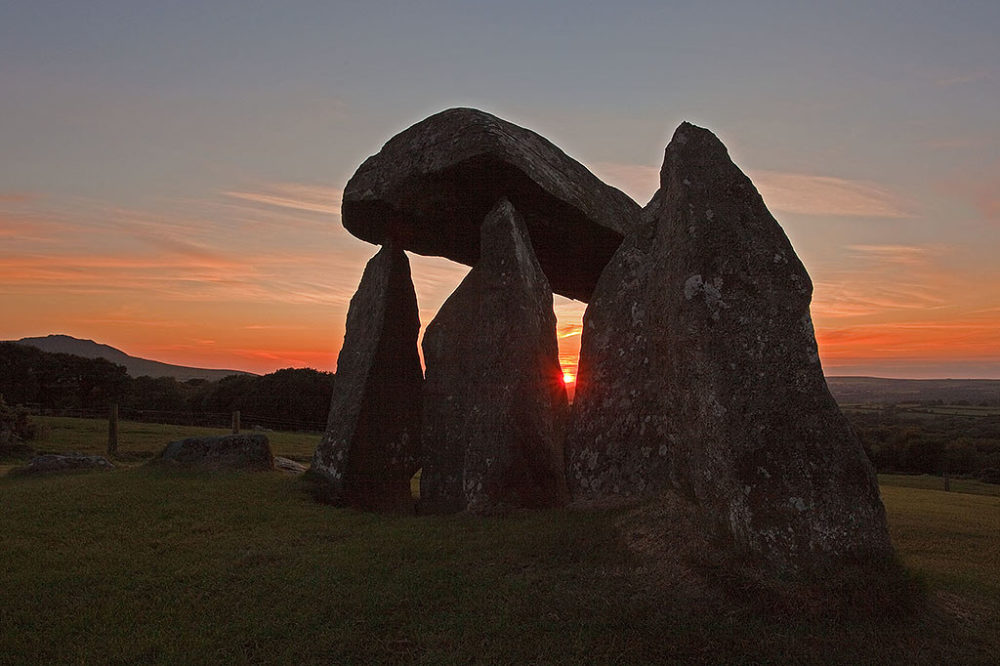
The autumn equinox – or Cyhydnos yr Hydref – is set to take place in the early hours of Wednesday morning – officially marking the astronomical start of autumn.
The equinox will occur at 01:06 BST on Wednesday 23 September. Astronomical autumn begins with the autumn equinox, which usually falls on 22 or 23 September each year. During the equinox, the Sun shines directly above the Earth’s equator, resulting in day and night being nearly equal in length across the globe.
Unlike meteorological seasons, astronomical seasons are determined by the Earth’s position in its orbit around the Sun. Because the Earth’s orbit is not perfectly uniform, the exact date of the equinox can vary slightly from year to year.
After the autumn equinox, nights become longer than days in the Northern Hemisphere, continuing until the spring equinox the following year.
Meteorological autumn always begins on 1 September and ends on 30 November. This definition divides the year into four fixed seasons, each lasting three complete calendar months. Autumn therefore consists of September, October and November.
Meteorologists use this system because it aligns neatly with annual temperature cycles and makes it easier to compare weather and climate statistics between different years and seasons. Using fixed dates provides consistency when analysing long-term climate records and producing seasonal summaries.
For this reason, the Met Office and other meteorological organisations use the meteorological definition when discussing seasonal weather and climate.
The Met Office writes: “Autumn is the transition season between summer and winter. It is often associated with cooler temperatures, harvest time and the gradual transformation of the landscape as leaves turn shades of yellow, orange, red and brown.
“Across the UK, autumn can bring a striking change in weather patterns. Warm spells are still possible, particularly during September, but temperatures generally begin to decline as the season progresses. At the same time, daylight hours shorten and the likelihood of wetter and windier weather increases.”
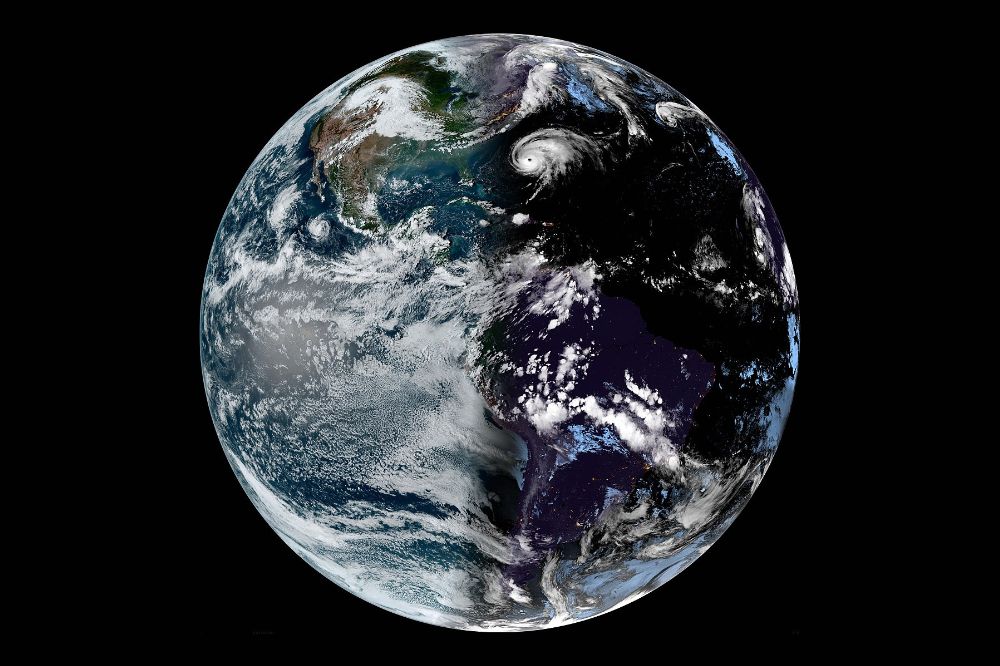
The Met Office shares: “An equinox happens twice a year—around 20 March (spring) and 22 September (autumn) in the Northern Hemisphere. On these days, the Sun crosses the equator, resulting in nearly equal lengths of day and night. The term “equinox” comes from Latin, meaning “equal night.”
The spring equinox signals the start of spring, when days become longer than nights, while the autumn equinox marks the beginning of autumn, as nights start to outlast days.
While the equinox is when day and night are nearly equal, the equilux is the precise day when they are exactly equal. This occurs a few days before the spring equinox and a few days after the autumn equinox.
The difference is due to the Sun’s apparent size and atmospheric refraction, which slightly extends daylight on the equinox itself.
Neopagans observe the September equinox as a cardinal point on the Wheel of the Year. In the Northern Hemisphere some varieties of paganism adapt Autumn Equinox traditions. In the Southern Hemisphere, the vernal equinox corresponds with Ostara.
The Autumn Equinox—widely known in modern Wiccan and neopagan traditions as Mabon or Alban Elfed—marks a sacred point of equal balance between light and dark as the Wheel of the Year turns toward the colder, darker half.
As Welsh Words writes: “Mabon ap Modron is genuinely a figure from medieval Welsh literature. Calling the autumn equinox “Mabon”, however, is a modern Pagan convention that emerged in the 1970s, not a documented ancient Welsh name for the festival. The Welsh phrase for the autumn equinox is cyhydnos yr hydref.”
They add: “Welsh author and folk practitioner Mhara Starling told Religion News Service that she questions the seasonal link because Mabon’s surviving Welsh story is not about the equinox. Other people retain the name while learning more about its modern origin or use the occasion to explore the Welsh character himself.
“The respectful approach is to let people name their own present-day practice while being exact about historical claims.
“A modern Pagan festival named after a Welsh legendary figure” is accurate. “An ancient Welsh equinox festival called Mabon” is not supported by the evidence.”
Support our Nation today
For the price of a cup of coffee a month you can help us create an independent, not-for-profit, national news service for the people of Wales, by the people of Wales.
Get more trusted Welsh news
Choose Nation.Cymru as a preferred source in Google News to see more of our journalism.


