


Calan Mai: Welsh May Day Traditions – Fire, Magic & Mischief
Graham Loveluck-Edwards
Here in Wales, this time of year brings a whole bundle of traditions, superstitions and rituals linked to May Day.
Many are said to reach back into the distant past, to the old pagan fire festivals that marked the changing of the seasons.
Others may be a little less ancient—perhaps polished, or even invented, during the Victorian era, when people developed a real appetite for folklore, the gothic and the mysterious. It’s not always easy to tell which is which.
Either way, these customs have stuck. Strange as they may seem in our modern, orderly world, they offer something comforting. They connect us to those who came before us, and to the landscape itself.
However you choose to interpret them, they are all part of the rich tapestry of Welsh cultural life.
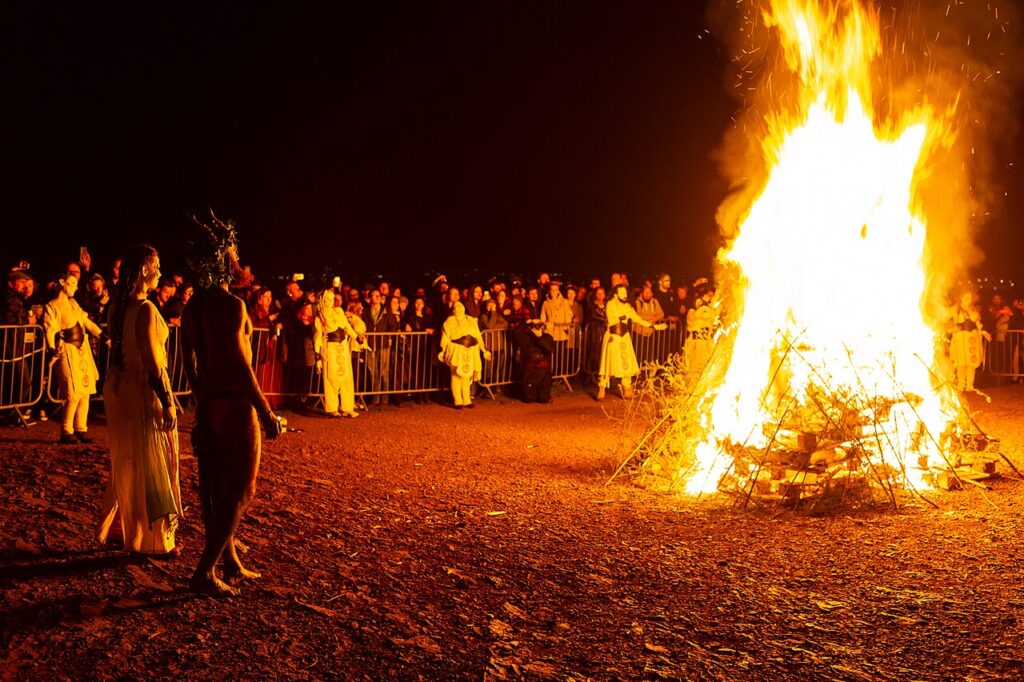
One of the most striking traditions is known as Bâltan (or Beltane). At its heart was a great bonfire, around which the community would gather.
The name itself hints at ancient origins. It is linked to Belenus, or Bêl, a Celtic sun god believed to strengthen the sun’s warmth as summer approached.
According to the Victorian folklorist Marie Trevelyan, the ritual was wonderfully elaborate.
Nine men would begin by turning out their pockets, proving they carried no metal. They would then head into the woods to collect sticks from nine different types of tree. These were laid carefully in a prepared circle, stacked crosswise. The fire itself was lit the old way, by rubbing together two pieces of oak.
Once the flames took hold, the real fun began. People leapt over the fire in displays of bravery (or recklessness), and oatmeal cakes were eaten. The fire was also believed to cleanse and protect. Anything that had brought bad luck during the winter might be thrown into the flames, in the hope of a fresh start.
Even the ashes had their uses. It was said that placing cooled embers from the Beltane fire in your shoes would bring good fortune for the coming year. Whether that made for lucky feet or just uncomfortable walking is another question.
These events were once common across south Wales. Records place them at the Castle Ditches in Llantwit Major, on Newton Green in Porthcawl, at Nash Manor and in Cowbridge, continuing well into the early 19th century before fading from popularity.
Llantwit Major also had its own dramatic twist on the tradition. An effigy known as “O’Neil” was burned on the fire, much like a Guy Fawkes figure in November. As with all good traditions, there is a story behind it.
According to local lore, O’Neil was a notorious pirate who terrorised the area. He met his end thanks to a clever trap. The maidens of Llantwit supposedly lured him ashore at Colhugh beach, dancing to catch his eye. When he landed, he was ambushed by local men, captured, and burned. The annual burning of his effigy was said to mark the event—though one suspects the tale may have grown a little in the telling.
May Day was not all fire and drama, however. It was also a time for romance.
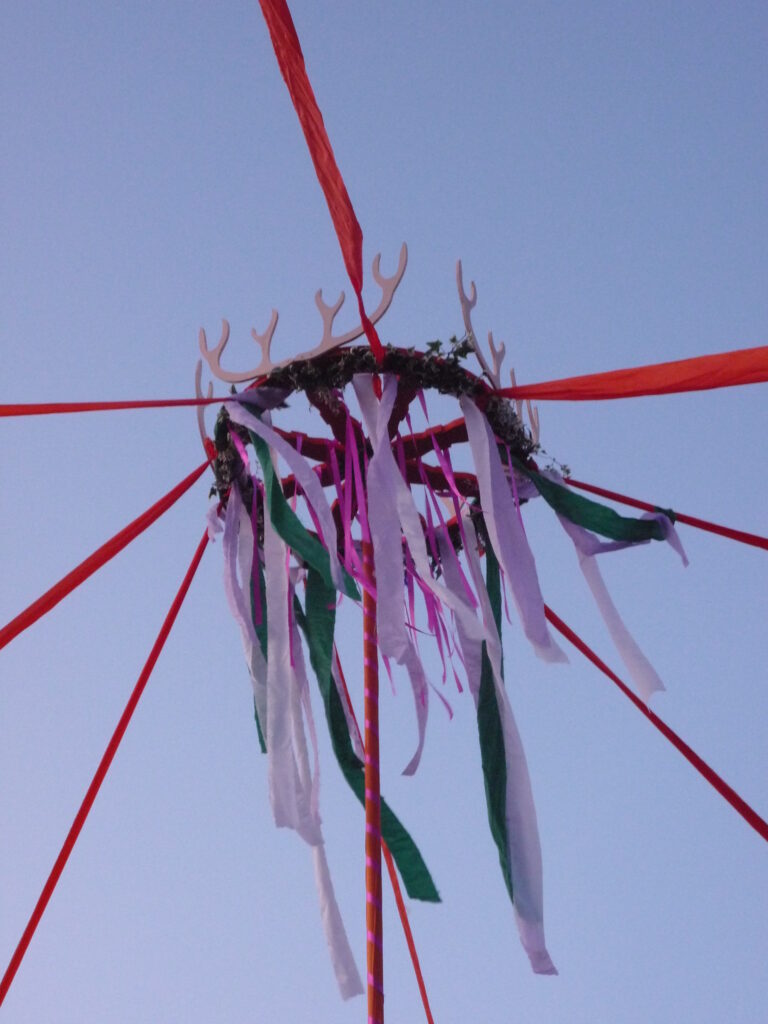
Maypole Dances and gatherings gave young people the chance to catch each other’s eye. Some gestures were subtle. Others were not.
One tradition saw young men decorating a branch of rosemary with white ribbons and placing it at the window of a girl they admired. A bold move—and one that left little room for misunderstanding.
So, whether it’s leaping through flames, burning pirates in effigy, or leaving herbs on windowsills, May Day in Wales has never been short on character.
It is a reminder that, not so long ago, the arrival of summer was something to be marked properly. With fire, flair, and just a touch of mischief.
Learn more about Graham Loveluck-Edwards, his books, his talks and his walks at www.grahamloveluckedwards.com or find him on YouTube or Facebook.
Support our Nation today
For the price of a cup of coffee a month you can help us create an independent, not-for-profit, national news service for the people of Wales, by the people of Wales.
Get more trusted Welsh news
Choose Nation.Cymru as a preferred source in Google News to see more of our journalism.


