
Cultural highlights 2025: The business of literature, a beautiful world and stellar Welsh music
Desmond Clifford
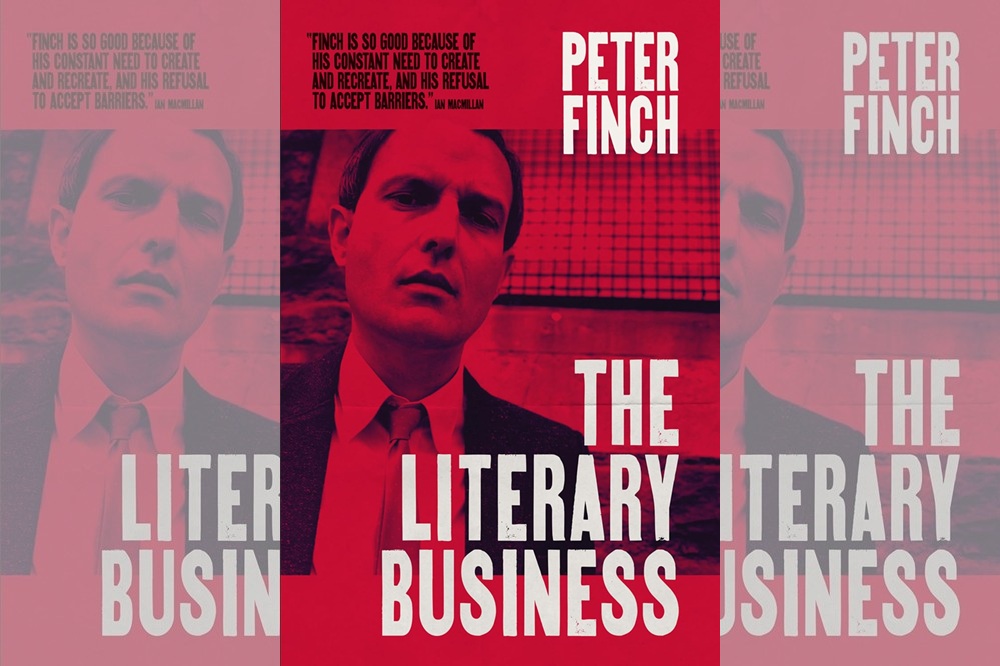
Best book or, as I call it, Invidious Choice of the Year. On the sensible grounds of sheer enjoyment, I’ll plump For Peter Finch’s “The Literary Business”, his memoir of a lifetime in Welsh writing, publishing and selling.
It’s a romp through the spirit of the 60s in Cardiff, the experimental anxieties of the 70s, the collapsing Wales of the 80s and the revival and optimism through devolution at the end of the 90s and beyond. Peter started off as a poet, very much on his own terms.
Over his career he has been a poet, editor, publisher, bookseller, prose writer, literary bureaucrat. The only thing he didn’t do, so far as I can tell, is set the type – and even then I wouldn’t be totally surprised..
Peter’s book is as valuable for social history as literature. He was part of a pioneer generation who worked to put Welsh writing in English onto a solid footing, in a professional sense as well as a creative one.
Aspiring writers, daydreaming innocently of their acceptance speech for the Booker Prize, don’t realise the half of it. Peter fills in many of the blank bits, recording how books get made, sold, marketed, rejected – one of his notable performance poems involves ripping up a book (not his!) which sold precisely no copies in his shop.
People used to refer to Peter Finch as a poet. He is indeed, and his collected works are spread over two volumes, although a generous selection is available online. In recent decades he’s become as well-known for his prose books, notably his “psycho-geographies” exploring his hometown Cardiff, a truly original genre. Happily, he shows little sign of slowing down.

Sticking with memoir, a shout out for “There She Goes, My Beautiful World” by Gosia Buzzanca, a gifted Polish-Welsh writer. It relates the story of how she moved from Poland to Wales and how she now relates to her adopted country. Like her compatriot Joseph Conrad, her command of English is complete and exceptional. I hope we’ll hear much more from her in future.
The best book about Wales this year is “Voices on the Path: A History of Walking in Wales” by Andrew Green (strictly speaking, published at the end of last year). It’s an original idea, surprisingly so in a way, since few countries are as walked-upon. As I discovered chatting on the slopes of The Blorenge in summer, people cross continents to walk on Welsh hills.
In a way, though, walking is simply the vehicle through which Andrew Green explores aspects of Welsh history, literature, geography and, for want of a better word, character. There is a strong sense of the landscape representing Wales as personality. We learn that botanist Thomas Johnson was the first named and recorded person to climb Yr Wyddfa, in 1639. Elizabeth Smith is the first recorded woman, in 1798.
“Voices on the Path” is superbly illustrated, and this is an important feature of its attraction. It’s an eclectic mix and an entertaining lucky-dip for anyone interested in Welsh culture and history. It portrays well-known characters and some less-familiar figures. Anyone interested in Wales would enjoy this book.
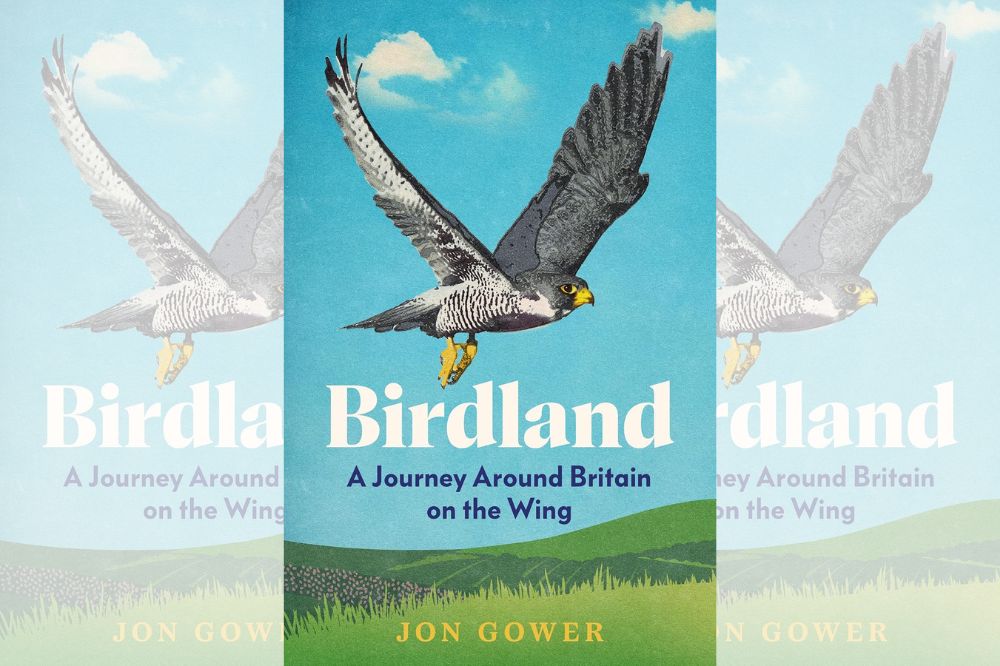
The literature of birds is extensive and grows all the time. I’m not a bird person but I greatly enjoyed Jon Gower’s “Birdland”, a journey of observation around some of Britain’s bird habitats. There’s a melancholy strain mixing with wonderment as he tries to reconcile more and more watching of fewer and fewer birds.
As readers of nation.cymru know, Jon is a writing phenomenon. At one point earlier this year he published three books in as many weeks. Even the famously productive JS Bach would struggle to get three cantatas out on that schedule. Among them was “Raider”, a biography of Raymond Chester, an American footballer for the Los Angeles Raiders in the 1960s/70s and, as it happens, Jon’s brother-in-law. Small world, big horizons.
Earlier in the year I reviewed “A Quiet Evening”, a collection of pieces by Norman Lewis, a travel writer (although that tag does no justice to the strength and conviction of his journalism) whose family came originally from Carmarthen; he spent part of his childhood there. Anything by him is worth reading. I especially recommend “Naples ’44”, his memoir of the Allied occupation of Naples, both brilliant and shocking.
My favourite Welsh novel this year is “Y Twr” by Rebecca Thomas. It’s a satire of Welsh university life, but only marginally less crazy than the reality.
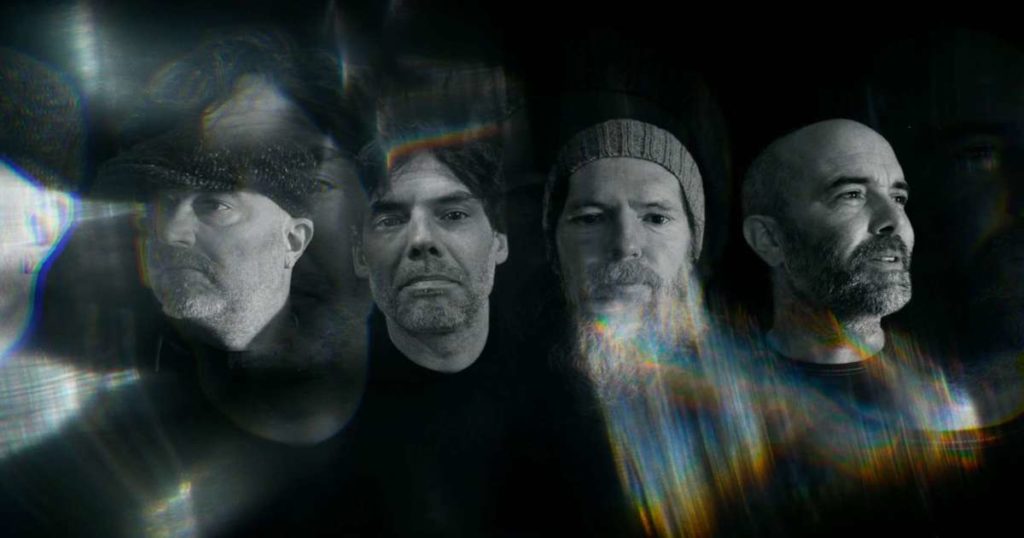
If I can be indulged by departing the printed page, it’s been an outstanding year for Welsh music. New albums from my favourites: Adwaith, Gruff Rhys, Ani Glass, Gwenno, Bwncath and Das Koolies; a brilliant year’s output. In the next generation, Mali Haf is superb; she has a vein of real theatrical originality, and it was great to see her recognised at Glastonbury.
I missed the year’s major highlight: Bob Dylan in Swansea (don’t feel sorry for me, I’ve seen him several times elsewhere). I loved the photo which captured him wearing a Welsh dragon t-shirt on stage. Bob’s magnificent gesture.
For once I got organised and bagged myself a Super Furry Animals ticket for Cardiff in 2026, so a happy new year for me!
In the market for a New Year resolution? Look past the obvious and buy yourself a Welsh book a month – there’re some great books out there looking for great readers.
A Happy Literary New Year to You All!
Support our Nation today
For the price of a cup of coffee a month you can help us create an independent, not-for-profit, national news service for the people of Wales, by the people of Wales.


