


Drinking and driving peaks in August as ‘temptation’ rises – analysis
Neil Lancefield, Press Association Transport Correspondent
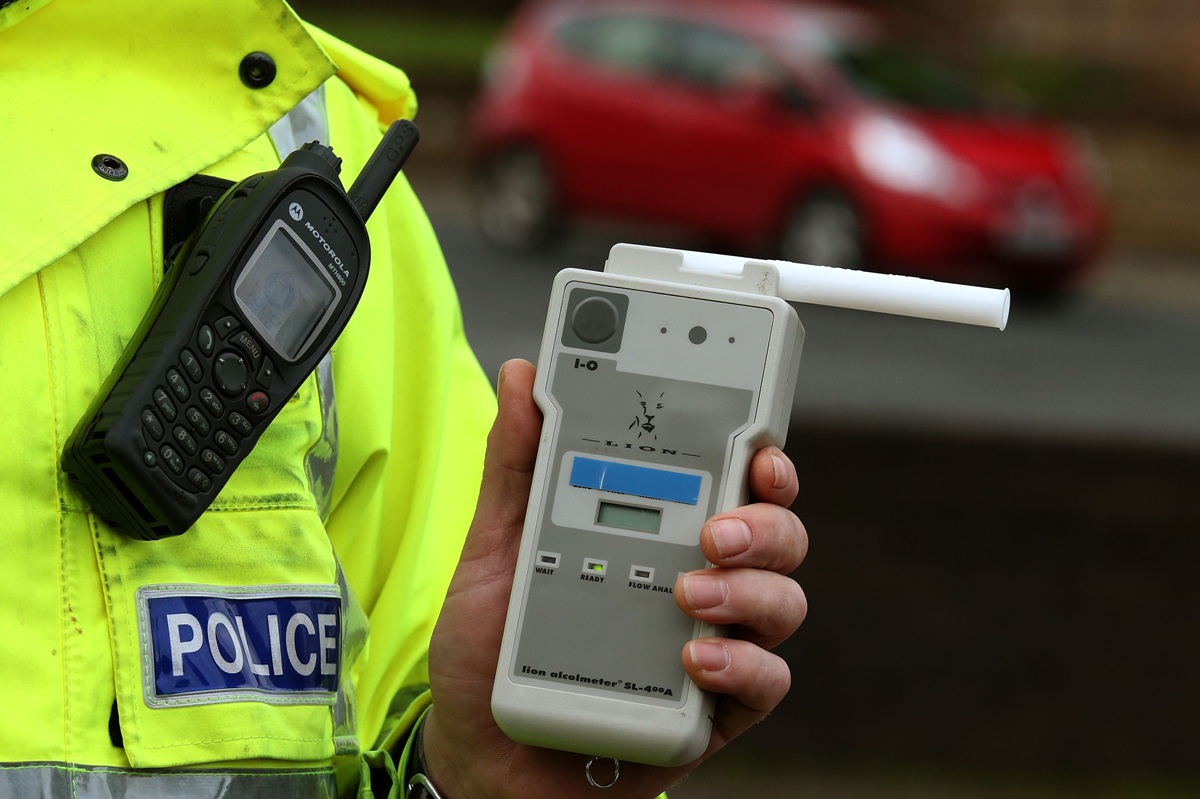
August is the worst month of the year for drink-drive crashes as summer events create “more opportunities” to get behind the wheel after consuming alcohol, according to new research.
RAC analysis found an average of 721 people were injured or killed in drink-drive crashes in August between 2014 and 2024.
That was ahead of July, which had an average of 704 casualties over the 11-year period.
By contrast, December, which is often associated with drink-driving, had an average of 663 casualties.
RAC head of policy Simon Williams said: “Drink-driving is often seen as more of a Christmas issue, but our analysis shows collisions involving drivers who have consumed illegal levels of alcohol are actually far more common during the summer.
“Warmer weather, longer evenings as well as holidays, festivals and barbecues all create more opportunities and temptation for people to drink and then get behind the wheel.”
“Enforcement of the drink-drive law at this time of year is therefore extremely important in keeping everyone safe.”
Mr Williams called for stronger measures to tackle the “genuine problem” of repeat drink-driving, such as introducing court-ordered alcolocks.
These are devices preventing a vehicle from being driven without a breath test for alcohol.
Drivers would “strongly support” their use in the UK, Mr Williams added.
The Department for Transport is analysing feedback on a consultation on proposed changes to penalties for motoring offences, which include the use of alcolocks.
A previous investigation by the Press Association found nearly 28,000 British motorists were convicted of drink-driving multiple times in the 11 years to July 20 2024.
A DfT spokesperson said: “Driving under the influence of alcohol puts everyone at risk, and every drink-drive collision represents a preventable tragedy.
“Through our new road safety strategy, we’ve consulted on lower alcohol limits and tougher measures, including immediately suspending drink drivers while they await their court date and harsher sentences.
“While we’re not mandating the use of alcohol interlocks, we have consulted on their potential use as part of a rehabilitation process for offenders.”
Support our Nation today
For the price of a cup of coffee a month you can help us create an independent, not-for-profit, national news service for the people of Wales, by the people of Wales.
Get more trusted Welsh news
Choose Nation.Cymru as a preferred source in Google News to see more of our journalism.




Mandatory prison sentences and meaningful disqualification periods of two years minimum for repeat offenders would be a good start.