


Experts share tips to ease children’s anxiety as schools return in Wales
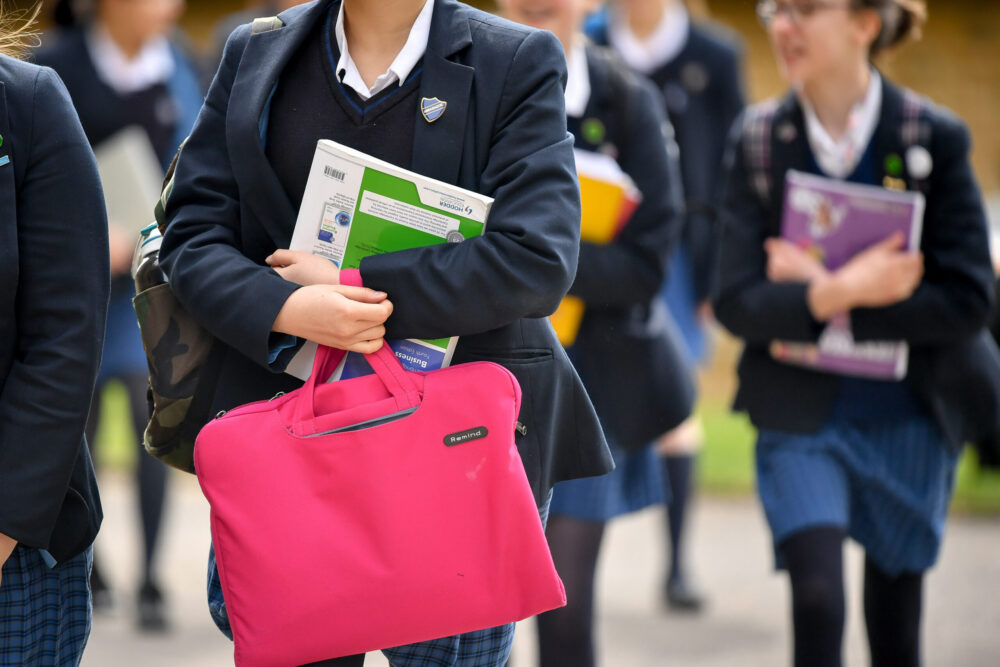
As the summer holidays draw to a close, the return to school can be a source of anxiety or stress for many children.
To help ease this transition, High Speed Training offers practical advice for parents and educators on supporting children’s mental well-being as they head back to the classroom.
Dr Richard Anderson, Head of Learning & Development at High Speed Training, said: “Schools can be stressful and scary places for children, especially when moving to a new school, starting a new year or joining a new class.
“By approaching any concerns with empathy, understanding and practical support, both parents and educators can help children manage their anxieties, rebuild their confidence, and create positive learning experiences.”
1. Remind your child of the positives
Dr Anderson says, “You can help your child feel more at ease by encouraging positive conversation about things your child enjoys about school.
“Mentioning they’ll be able to see their friends again and attend after-school clubs they really enjoyed attending, will help to rebuild positive associations they have with school.”
2. Encourage your child to talk openly about returning to school
Creating a safe space for children to talk is crucial. Remind your child that you are there to listen and help if they find returning to school difficult. By checking in daily, you can better understand what they are struggling with.
For some, this anxiety can be intense, leading to school refusal, which is when a child regularly refuses to attend school or has problems staying there due to overwhelming distress.
Dr Anderson explains, “School refusal is a complex and deeply emotional issue, often misunderstood as a choice by the child. In reality, it is typically driven by anxiety and fear. It’s crucial to recognise that this is not about defiance, but an emotional response to real challenges.”
Potential causes for these feelings include:
- Bullying
- Separation Anxiety
- Mental Health challenges like anxiety or depression
- Difficulties thriving academically, especially for children with Special Educational Needs and Disabilities (SEND)
3. Create a supportive and low-pressure home environment
A child’s home life plays a key role in managing their anxiety.
Don’t pile on the pressure: Entering a new academic year can be challenging. As children adjust to new teachers, peers, and curriculum, it’s important not to add extra pressure and to allow them plenty of time to relax after school.
Continue fun activities: Returning to school after a fun-filled summer break can be a stark contrast for children. Providing stimulating and relaxing activities outside of school can create a healthy, necessary balance.
Recognise small achievements: Reassuring your child and celebrating small successes, like getting to school on time, can significantly build their confidence.
4. A good bedtime routine is key
Dr Anderson says: “It may seem obvious, but a routine which allows good quality sleep is vital when your child is returning to school.
“Understandably, routines may have slipped during the summertime, but the energy and focus needed for school require sleep. Introduce ‘wind down time’ at least an hour before bed, and try to reduce screen time and video games as much as possible. Instead, encourage your child to read or listen to a good book.”
5. Recognise wider mental health challenges
Sometimes, anxiety or low mood may be signs of a deeper issue. It’s important for parents and teachers to recognise the signs of depression and anxiety in children.
Dr Anderson continues, “Depression is not exclusive to adults, and can affect children and young people too. Warning signs can include disengagement from hobbies, poor academic performance, irritability, fatigue, or social withdrawal.
“The most important stage in responding to childhood depression is identification. Following this, it’s important to open up a conversation. Ask them how they’re feeling, and let them know that you’ve noticed they’re behaving differently.”
Crucially, he adds, “Take the reason for their depression seriously. It may seem minor or trivial to you, but it’s important to remember that it’s having a significant impact on their life and mental health.”
6. Communicate with teachers
Dr Anderson says, “It’s natural for children to be anxious upon starting a new academic year. However, it’s important to recognise when our anxieties escalate beyond the norm.
“If you are concerned with your child’s anxiety levels, be proactive and reach out to teachers to understand how your child is getting on, and identify opportunities for support.”
Dr Anderson concludes, “A child’s happiness and wellbeing at school can be affected by so many different factors. One thing we do know is that children are far more likely to benefit from education if they feel safe, comfortable and engaged, so it’s really important to address any concerns and ensure that they are getting the most out of their education.”
For more on this topic, and many other free education articles and resources, visit the High Speed Training Hub.
Anxiety
NHS Wales offers free online access to SilverCloud’s® programmes for parents supporting children and teens with anxiety.
Getting support now can help prevent more serious problems developing.
These self-guided tools offer clinically-proven strategies to help you understand what your child is going through, and how best to help them. There’s no waiting list. They’re available anytime, anywhere, without the need to see a GP.
To get started with “Supporting an Anxious Child” or “Supporting an Anxious Teen” today sign up here.
Support our Nation today
For the price of a cup of coffee a month you can help us create an independent, not-for-profit, national news service for the people of Wales, by the people of Wales.


