


From drones to sea salt: The businesses taking on Wales’ productivity gap
Nation Cymru staff
The Welsh economy can often feel like a patient in need of treatment, with productivity one of its most closely watched vital signs. Meet five businesses whose productivity is better than most.
Productivity measures how much value is created for every hour worked and how much workers get out of that time. Wales has lagged behind the rest of the UK on this measure for around two decades, with output per hour sitting at 84.9% of the UK average in 2023. Meaning Wales’ productivity is 15% lower than any other UK nation or region.
The new Welsh Government has made closing that gap a priority. In June, Cabinet Minister Adam Price announced a National Productivity Goal to halve the gap within ten years: “by focusing on productivity, we will deliver higher pay, stronger businesses and thriving communities”. Last week, it was announced that an 11-person panel chaired by Jonathan Lewis would be appointed to create a new economic development and innovation agency tasked with helping to deliver the Welsh Government’s goal.
New research, published this week by Economic Intelligence Wales and the Enterprise Research Centre, offers some of the clearest evidence yet of what meeting that goal could potentially look like in practice. Importantly, it identifies 1,732 Welsh SMEs, dubbed ‘Productivity Heroes’, that have already grown turnover, employment and productivity simultaneously, successfully generating £6.04 billion in turnover and creating more than 5,200 jobs in 2024-25 alone.
Professor Mark Hart of the Enterprise Research Centre, who led the research, says these businesses prove that “companies do not have to choose between creating jobs and improving productivity”. And that the challenge now is to find more of them and make sure they get the investment to grow.
Here are five businesses, from different sectors, that are already taking on Wales’ productivity gap, all having secured funding from the Development Bank of Wales. These are proof that the right investment, whether in equipment, people, efficiency or capacity, can improve productivity whatever the industry.
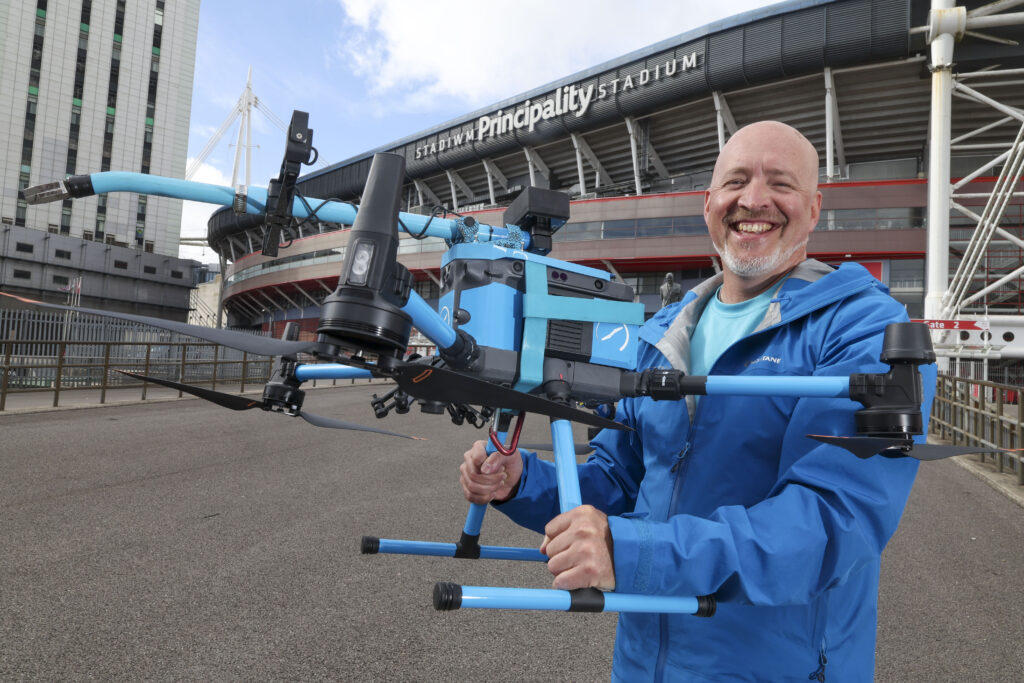
Pontyclun-based KTV Working Drone (main photo) is using cutting-edge technology to change how a traditional service is delivered. But rather than replacing people with machines, it has increased its workforce, creating five new jobs, and expanding into London.
The company cleans and inspects large commercial buildings, including Welsh landmarks like the Principality Stadium, by using drones, and providing an alternative to rope access and elevated work platforms.
One of its biggest constraints is the weather, but because newer drones can operate at significantly higher wind speeds, it has allowed the company to continue contract work and be more productive. As director Chris Miles explains: “The new drones can operate in much higher wind speeds, which means we can work on far more days throughout the year”.
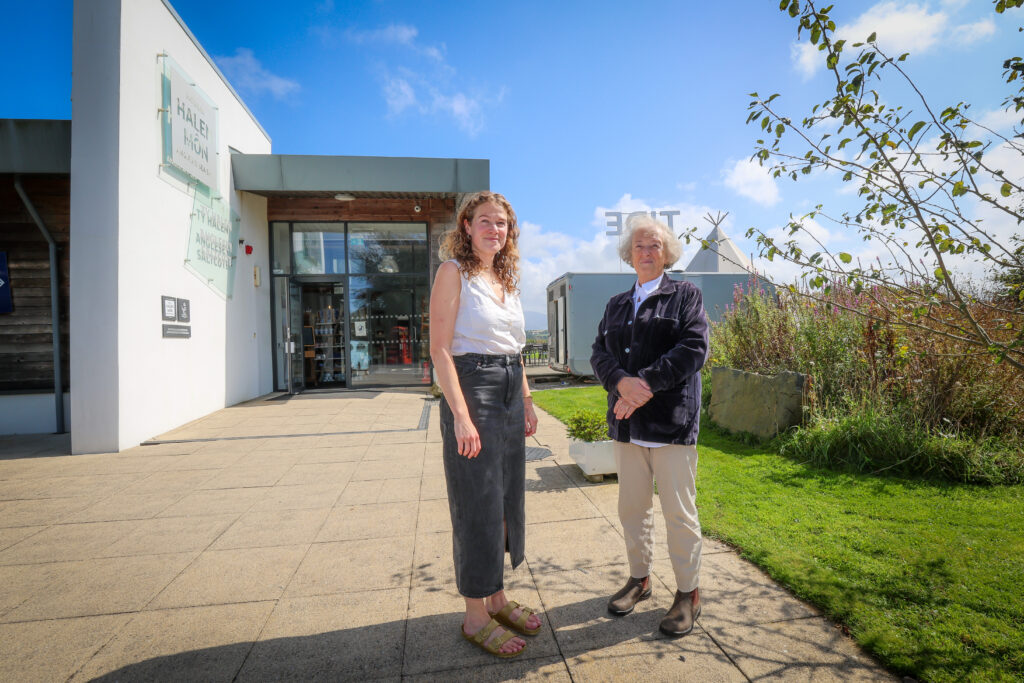
On Anglesey, family-run Halen Môn employs 28 people and produces sea salt from its site at Brynsiencyn. Its customers include Waitrose and Marks & Spencer, while its salt has Protected Designation of Origin status.
The company has had eight rounds of funding totalling £1.1 million from the Development Bank of Wales and its predecessor Finance Wales over the last 24 years to help drive growth and productivity. The most recent loan is supporting further investment in the business, building on the opening of a new state-of-the-art smokery and making use of available roof space for a 100kW solar installation at Tŷ Halen. The installation is expected to cut carbon emissions by an estimated 380 tonnes a year, supporting Halen Môn’s ambitions to increase productivity while operating more sustainably.
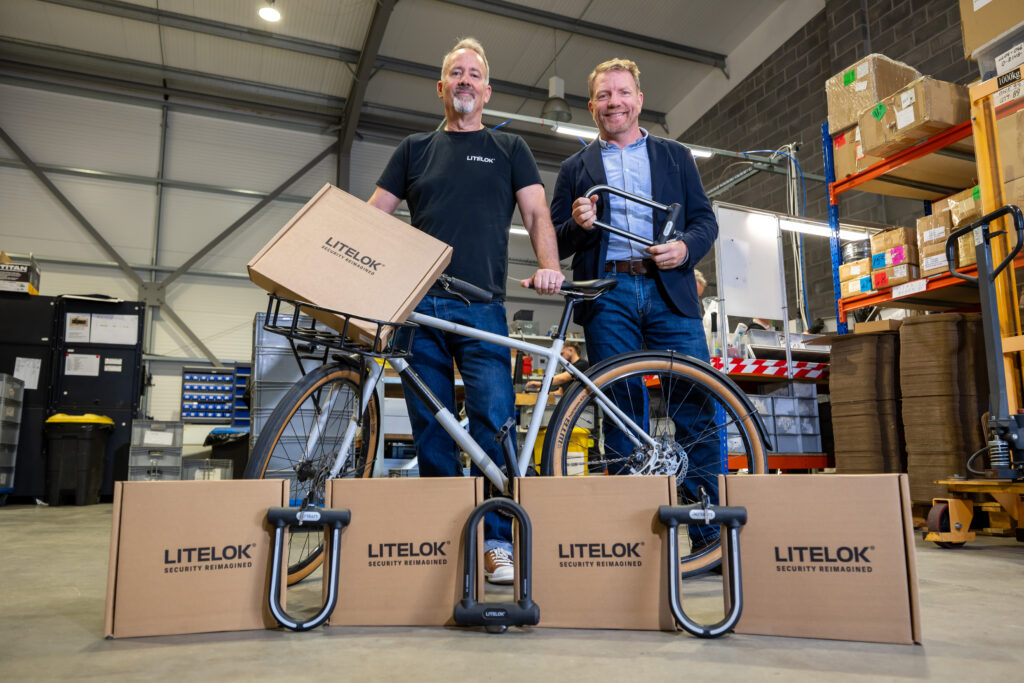
Founded by engineer Neil Barron, Swansea-based Zeal Innovation, which trades as LITELOK, makes high-security locks for bicycles and motorcycles and exports around 60% of its output.
Turnover per employee has risen from around £45,000 in 2017 to approximately £350,000 today, while annual revenues are approaching £10 million. The company’s success demonstrates how Welsh manufacturers can increase the value generated by each employee with the right investment.

The Pattyman in Cardiff is owned by Leroy Williams, who started the business at home in 2021, drawing on recipes from his father, who came to Wales as part of the Windrush generation, and his mother, who was from the Valleys. The business has since moved to Tremorfa Industrial Estate and supplies customers directly as well as wholesale and at trade markets.
A £50,000 micro loan by the Development Bank of Wales helped the business to increase capacity as orders grew, as explained by Leroy Williams: “[It gave us] the platform to build on what we’ve achieved so far, and help us increase capacity and support future growth”.

In Wrexham, Tony and Beth Cornish own Stone Circle Mead, which produces traditional and flavoured meads using Welsh honey that are sold at the Senedd, House of Commons, the National Trust and Chester Cathedral.
With Development Bank of Wales funding, the business was able to move from 220-litre fermentation vessels to tanks capable of holding up to 1,500 litres, allowing it to increase productivity, develop new products and explore new routes to market.
Getting more businesses to this point is now the priority. John Hurst, Chair of FSB Wales, says the practical reality for small business owners needs to shape what comes next: “Action on productivity needs to be practical, accessible and reflect the day-to-day realities of starting and growing a business.”
If Wales is to close its productivity gap, these are the kinds of businesses, and the kinds of investment, that will matter
Support our Nation today
For the price of a cup of coffee a month you can help us create an independent, not-for-profit, national news service for the people of Wales, by the people of Wales.
Get more trusted Welsh news
Choose Nation.Cymru as a preferred source in Google News to see more of our journalism.


