
From stranger to local: finding my voice in Saarburg
Caitlin Thomas
When did a place I arrived in as a stranger become somewhere I found my voice?
I still ask myself that question whenever I think back on my time in Germany, because it is difficult to reconcile the person I was when I arrived with the person who eventually left.
After four years in the safety of the bubble that was St Andrews University, graduation left me facing the familiar question: what comes next? When the opportunity to work in Germany presented itself, it was not one I felt able to refuse — even though I knew it would push me far beyond my comfort zone.
So at just 22 years old, I arrived in Saarburg with my suitcase, very limited German, and a confidence that was wavering the closer I got to landing. I had absolutely no plan beyond telling myself repeatedly it would “probably be fine.”
I still wasn’t entirely sure what I had signed up for – but there was no turning back.
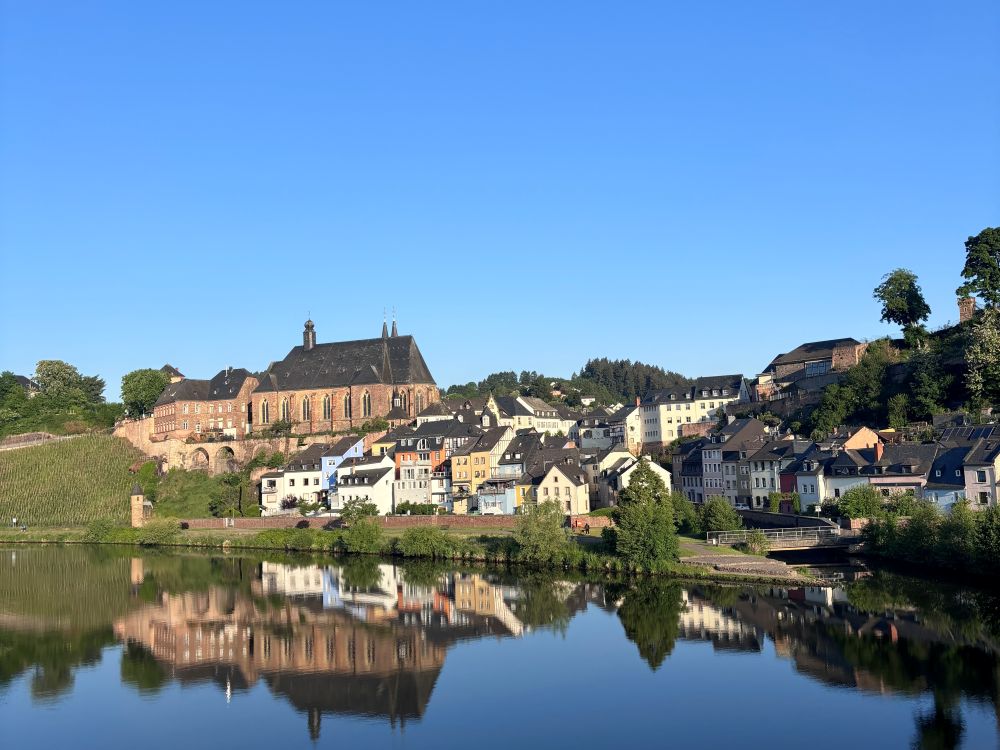
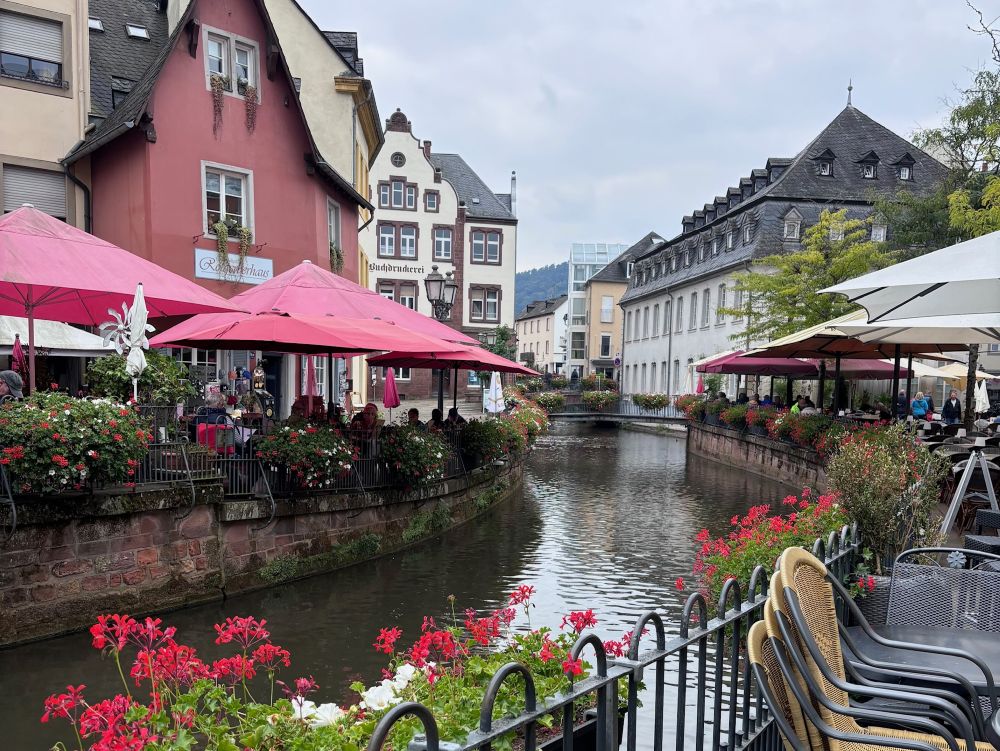
Saarburg – a small town just a short train ride from Germany’s oldest city of Trier – would later feel like home. At the time, it felt unfamiliar in almost every way possible.
I was there as an English Language Assistant, working at Grundschule St. Laurentius, a primary school for children aged six to ten. I arrived without the language skills I would eventually take away with me, but with a determination to learn them.
Immersion was unavoidable, and the phrase ‘fake it till you make it’ has never rung truer.
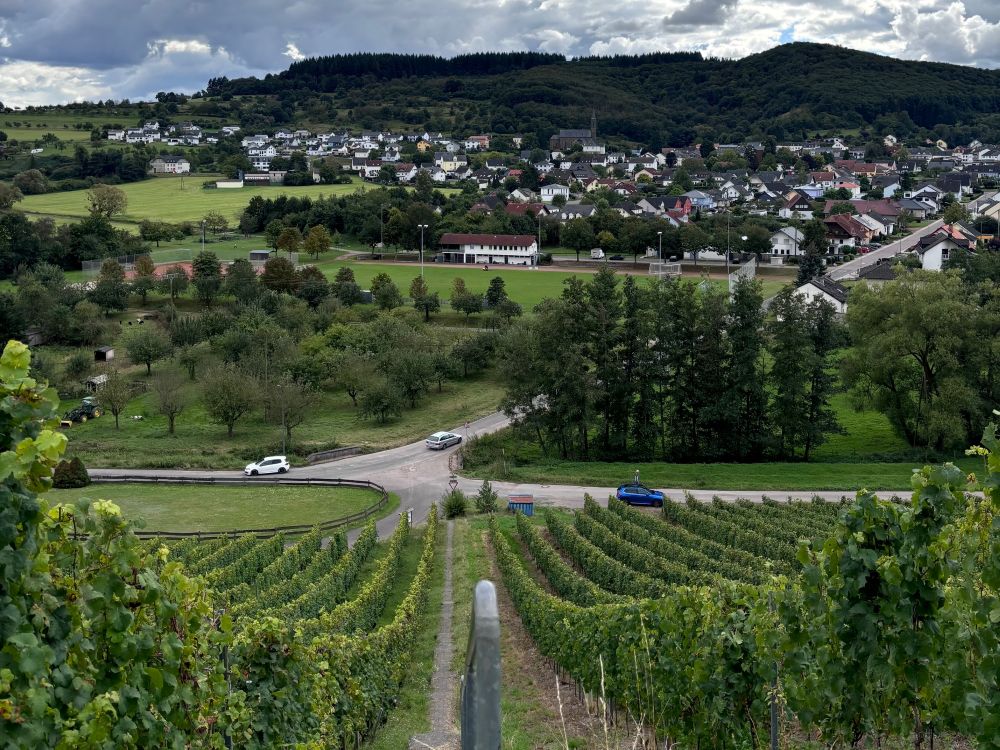
Surrounded by vineyards and overlooked by a castle, Saarburg has so much to offer, no matter how small it seems at first glance. Its proximity to Trier, where Roman ruins stand almost as neighbours to shops and cafes, is a constant reminder of how closely history and everyday life coexist.
The value of support
But I didn’t have to do any of it alone. From the outset, my host family – Ivonne and her two children – welcomed me into their home with a generosity that immediately made everything feel less daunting. I was treated not as a guest, but as part of the family by the wider Kessler family – Ivonne’s parents, her brother and sister-in law, you name it, they were there to help me.
I was included in their daily routines and activities, even when my contributions were sometimes hindered by my limited vocabulary.
Ivonne’s youngest child, Lukas, became an unexpected but invaluable teacher. Through our shared love of board games, we developed an easy rhythm that suited us both. I was the English teacher, and he was the German teacher with an infectious confidence. Progress was gradual, but far more enjoyable with so much laughter involved.
Sophie, Ivonne’s eldest child, turned 18 towards the end of my time in Germany, and her birthday party proved an opportunity for me to show myself and the Kesslers just how far I’d come. Conversation flowed with little effort, and for the first time, I really felt that I had achieved what I came there to do.
Teaching at the Grundschule required a level of confidence that I did not initially possess. But the bilingual teachers at the school played a vital role in helping me navigate those first few months. Their English was exceptional and knowing there was always someone I could turn to made it much easier to gradually build my confidence.
A year of opportunity
Outside of school, a never ending stream of opportunity opened up to me. I met other language assistants from across the state, many of whom were navigating the same challenges and uncertainties. One of them, a fellow history enthusiast, became a close companion throughout the year.
We were rarely short of things to do, with museums, memorials and historic sites accessible, affordable and often only a short train journey away. Ivonne and her family welcomed him with much the same openness they had shown me, ensuring that neither of us felt like outsiders.
Together, we visited castles in Bernkastel and Cochem, each offering tangible pieces of Germany’s past.
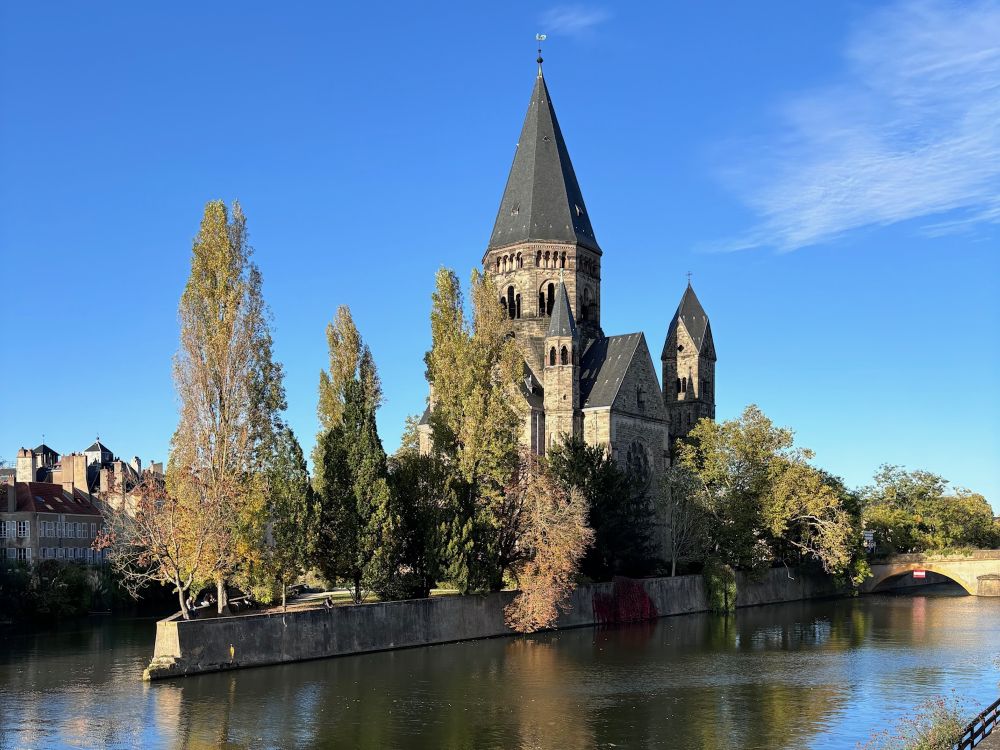
When friends came to visit, we also ventured beyond Germany’s borders, exploring the nearby cities in France and Luxembourg. A Russian Orthodox church in Darmstadt was particularly memorable, as well as Metz Cathedral which stopped me in my tracks when we stepped inside.
But some of the most meaningful experiences came in everyday life and immersing myself in local traditions. On 11 November, I helped at school with St Martin celebrations, where children proudly carried lanterns they had made themselves, walking and singing before gathering around a large fire. It was simple, but deeply rooted in the community.
Konz, a nearby town, also gave me the opportunity to continue with Tae Kwon-do, a long-standing love of mine. It turns out you don’t need to know how to speak German to know if someone is going to try and punch you!
There were staff social events too, including a night out at a microbrewery that turned out to be in the back of someone’s garage, and the annual Sternwanderung, a whole-school hike that ended with a much-needed visit to a beer garden for the staff.
There are few things that rival German Christmas markets. Throughout the festive period, we travelled to markets across the region, from Cologne to Koblenz and any others we could find. Each one offered us traditional wooden stalls, warm cups of mulled wine, and a taste of traditional food.
The sense of celebration returned in February with a visit to Frankfurt to celebrate Karneval. Parades, costumes and music transformed the city entirely, providing yet another glimpse into how deeply tradition and celebration can be found in everyday life.
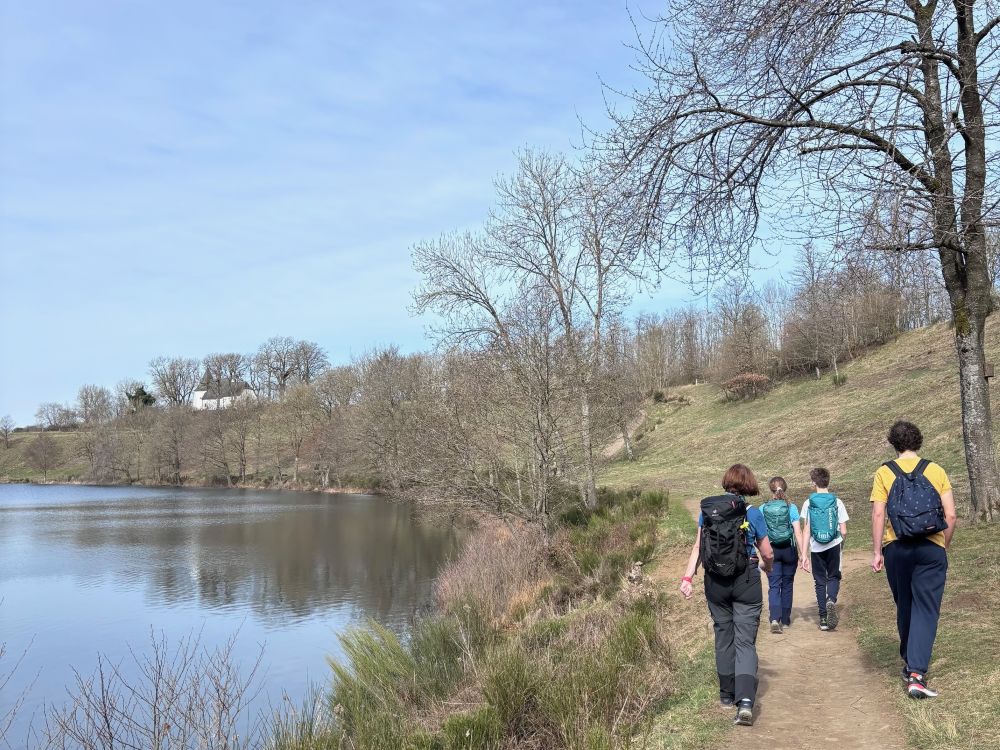
As the end of the year approached, I was met with emotions that I was not prepared for. I was not the same person as I was when I arrived, having gained confidence, resilience, and a command of the German language.
I had travelled widely, learned lessons that I never knew I needed to learn, and formed friendships that I know will last well beyond the year. Most importantly, I found my voice – not just in another language, but also within myself.
Looking back now, it almost still doesn’t feel real. But somewhere between the classroom and the German landscape, a place that was once very unfamiliar had begun to feel like home.
Support our Nation today
For the price of a cup of coffee a month you can help us create an independent, not-for-profit, national news service for the people of Wales, by the people of Wales.


