


How a couple turned unusable land next to lead mine into a thriving farm
Debs Luxon
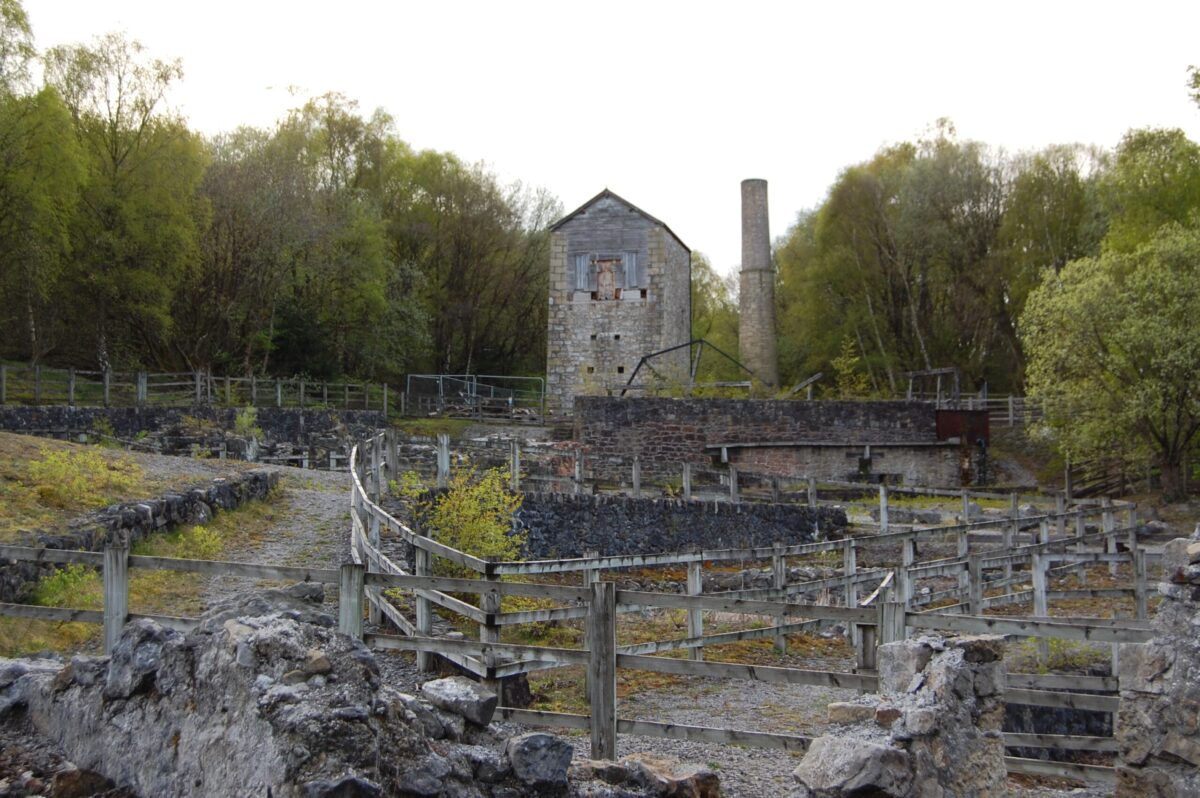
When Chris Boyle and Helen Eustace bought their farm with a dream of growing fresh veg, they had no idea their 12-acre plot had high levels of harmful lead in the soil.
Instead of giving up, they came up with a solution that not only made a successful business out of just 150m², but could be one answer to two big problems in Wales: food production, and contaminated land.
With farmers this week warning that we are just days away from food shortages due to the extended heatwave, weather-resistant methods like the hydroponic growing system they adopted will become more important in the face of escalating climate change.
Mountain Produce in Minera outside Wrexham is now award-winning, adopting a system that avoids the need for soil altogether, getting around the contamination issue that affects land downstream of thousands of mine sites across Wales.
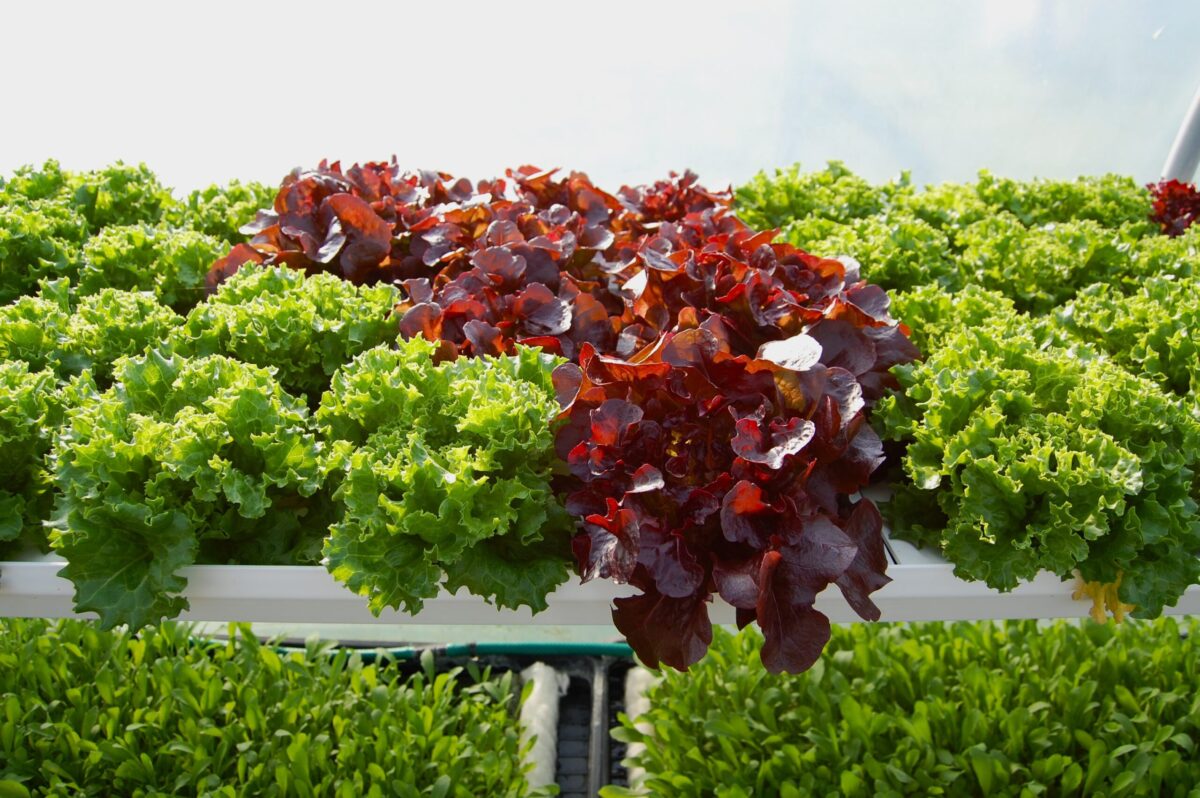
Chris, 43, said: “I think hydroponics is the future of farming.
“People get scared of it and think it’s meddling with nature, but it really isn’t – it’s a seed in a little coir-based root plug, fed nutrients and water.
“The plant is provided with everything it needs, and you make less impact on the environment.”
Wales currently doesn’t produce enough food to feed its people; most is imported from the rest of the UK and overseas.
One block Wales faces in increasing its food growth is the contaminated land from old mines which pockmark the country, including an estimated 2,300 lead mines.
These continue to contaminate not just the land surrounding the mines, but leak heavy metals which are carried downstream via waterways into approximately 140km² of otherwise fertile flood plains – the equivalent of 14,000 rugby pitches.
At Mountain Produce, the high lead levels came from the retired Minera Lead Mine nearby, so the couple turned to hydroponics, a system of growing plants without using soil.
They built three polytunnels and table-top irrigation systems to grow salad including lettuce, watercress, rocket and microgreens.
They found the nutrients the plants need aren’t lost in the wider environment, spending less on fertilizer and not polluting waterways; water use is 90% lower than traditional field growing; there is less risk of disease and pests, less exposure to environmental extremes, and no expensive tractors needed.
Though the equipment is energy-intensive, they get around that with solar panels, and received Welsh government grants to help with set-up costs.
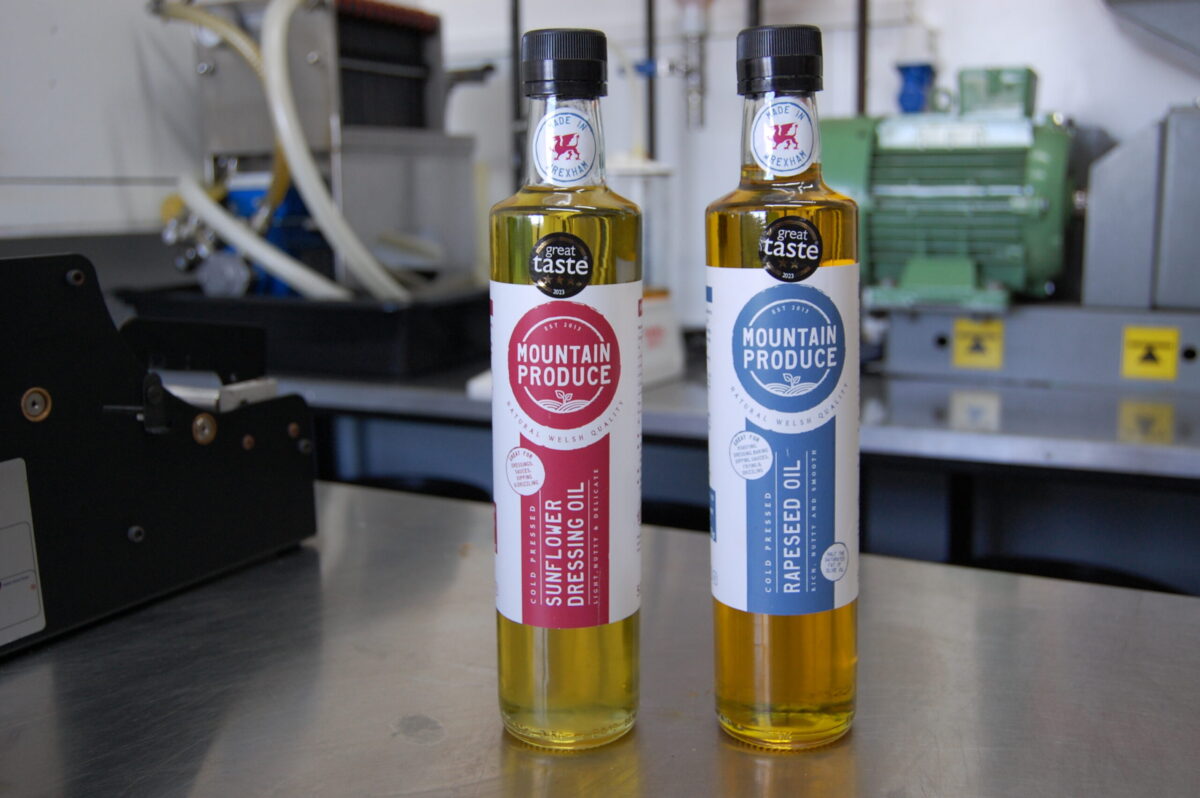
Having set up in 2013, they now produce 100kg a week, and recently launched cold-pressed rapeseed and sunflower oils that are already winning awards.
Chris is one of few veg growers in Wales: “There’s plenty of beef, pork, lamb producers in Wales. Competition-wise, we’re the only ones doing salad produce at this scale and hydroponically.”
Hayley Morgan, the Community Food Development Officer from Wrexham Food Partnership, said that though there’s a lot of lead contamination locally, the area desperately needs to grow more food: “It boils down to resilience.
“If there was a disruption to the supply chain, whether it’s extreme heat or war, how would we feed ourselves and our children?
“We’ve become too reliant on overseas imports, and things grown locally and eaten fresh are better for us.
“We’d like to see more small-scale growers locally and encourage people to better utilise the land they have.”
A 2020 study found 204 fruit and veg growers across Wales, using 0.1% of total land. These 204 grew 19,551 tonnes of produce a year, equivalent to just 3% of Wales’ five-a-day fruit and veg requirement.
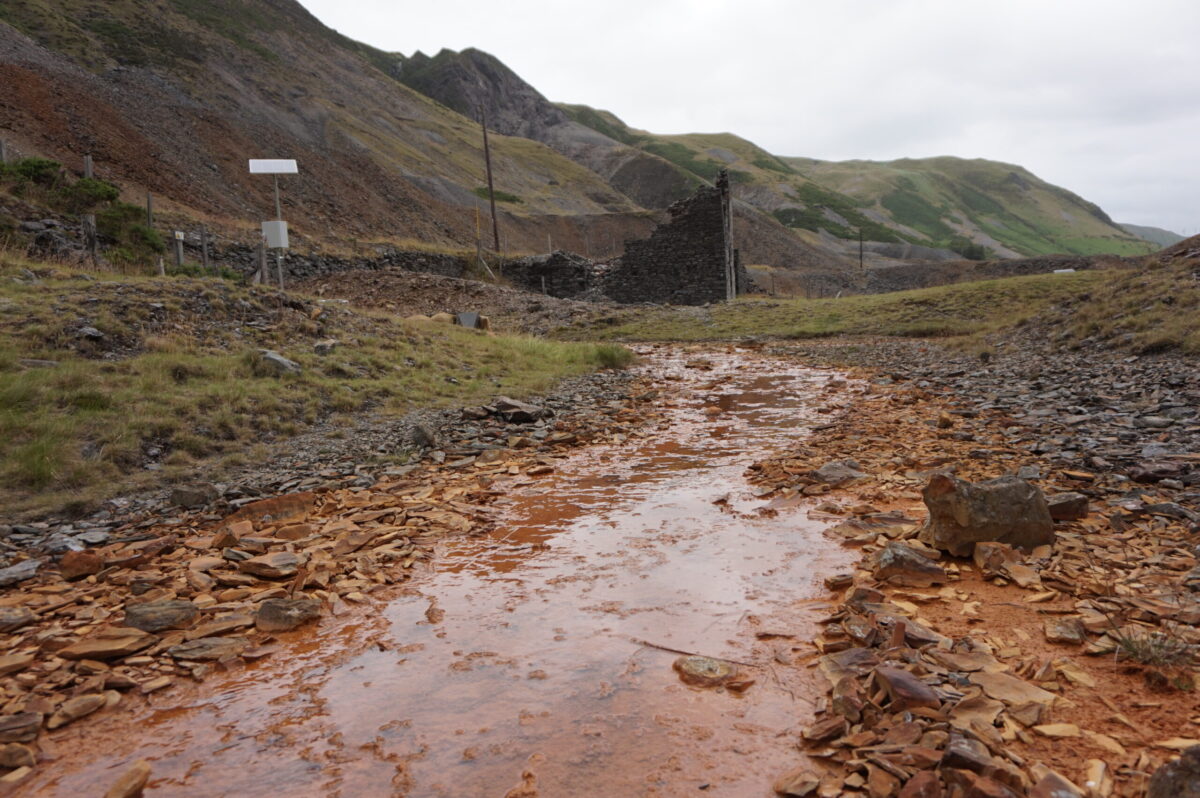
However Wales’ premium growing land is small – Professor Mark Macklin from Aberystwyth describes Wales as having some of “the most affected areas in the world” for legacy mine contamination.
Lead can cause long-term health issues, especially in children, where it is linked to cognitive and neurological damage – poultry are especially susceptible and can pass on lead through their eggs, whilst livestock are at risk if grazing on contaminated land that has recently flooded – another risk increasing due to climate change.
Though the mines themselves need addressing, Prof Macklin is calling for the land downstream of mine sites to be taken more seriously: “Natural Resources Wales are overly focusing on the mines – it’s not the mines that are the problem, it’s the contaminated flood plains downstream where people live and grow crops.”
The Welsh government acknowledged the country’s industrial heritage as leaving a “difficult legacy”, stating it was committed to environmental justice for the communities impacted, and that the Wales Metal Mines Programme was “already delivering results” on the most polluted sites.
Welsh government investment in Local Food Partnerships supports producers, communities and public bodies to build stronger supply networks: “We have committed to developing a national food strategy for Wales, providing a long-term framework to support producers and improve food resilience across the country.”
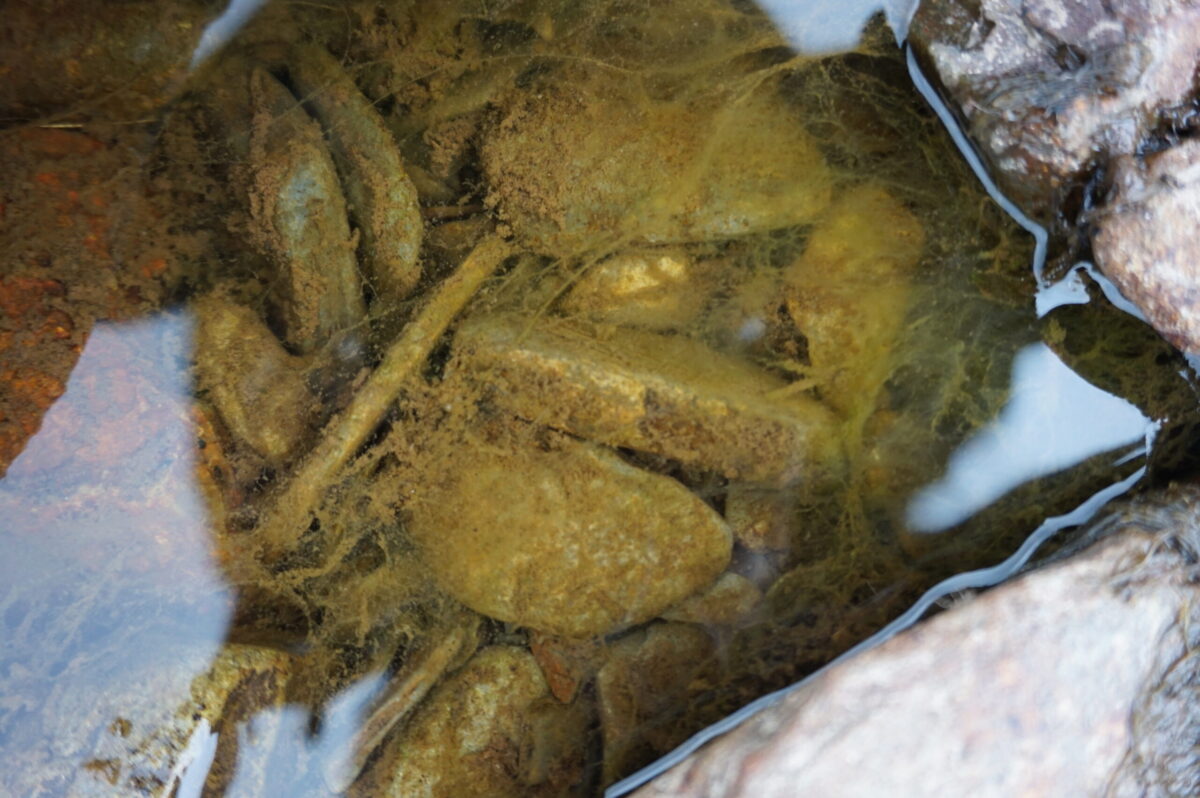
Heavy metals are incredibly difficult to remove from soil, but they can be identified and worked around – something Prof Macklin is developing through mapping technology.
He is calling on governments to use this technology to give residents and growers the knowledge to deal with their contamination, from identifying affected areas, to using plants that soak up lead or building raised beds.
Though Chris’ land can’t be used for growing, his workaround means he can manage it for wildlife: “Hydroponics can be used anywhere from windowsills to a London underground – it doesn’t have to be valuable land. Now ours can be managed for nature.
Farming sustainably is important to us – it’s the future for everybody, for farms and the health of our soils and the health of the planet as a whole, really.”
Support our Nation today
For the price of a cup of coffee a month you can help us create an independent, not-for-profit, national news service for the people of Wales, by the people of Wales.
Get more trusted Welsh news
Choose Nation.Cymru as a preferred source in Google News to see more of our journalism.


