


How one Welsh community is working with farmers to find new life for ‘worthless’ mountain wool
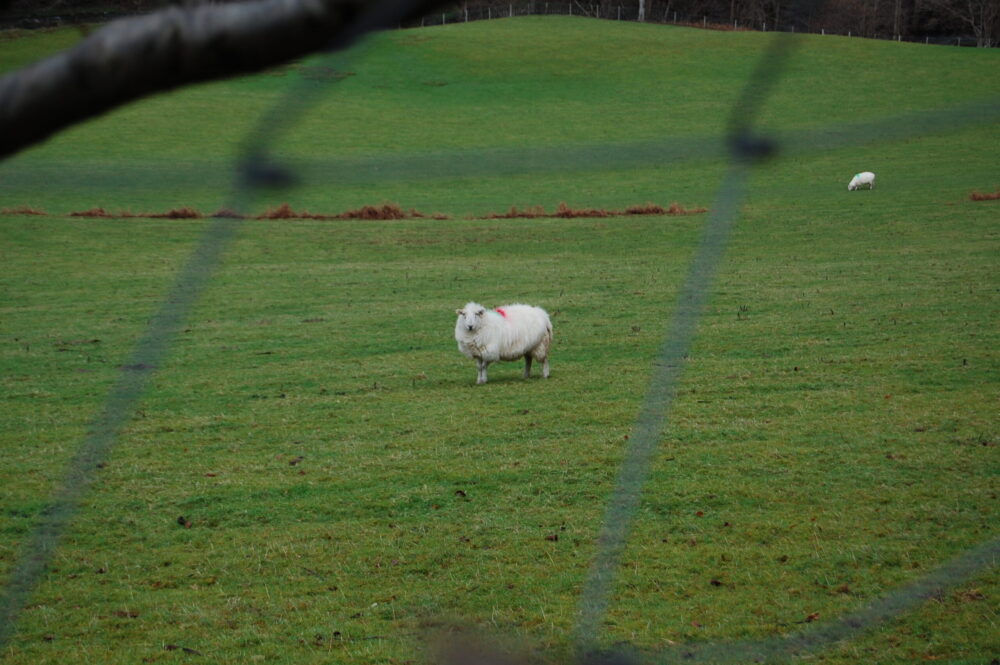
Debs Luxon
A Llangollen retiree has returned the “pride” in east Wales farmers by rediscovering the value of “worthless” Welsh mountain wool.
Gill Britten’s 10-year mission has galvanised farmers, growers and crafters by creating alternative uses for the coarse wool, and her inventions are now being trialled as plastic-free alternatives in growing and land management.
Now, her mission is to bring the whole wool process local to keep Welsh wool, Welsh.
Gill, 78, said: “I’m not normally a campaigning sort of person, but it just seemed like a good idea and grossly unfair. The Wool Board gives farmers so little return, especially for mountain-type fleece.
“But wool is just such an awesome product.”
Farmers of Welsh mountain ewes remember when the wool clip would cover the rent of a farm for the whole year.
Now, Tan-y-fron farmer Rhys Hughes says some simply throw or burn the fleece: “I don’t know what’s happened across the world, but nobody wants it.
“We have to shear the sheep; it’s a welfare issue.
“Gill jumped on me when I said Welsh mountain wool was the poorest wool you could find – she said there’s no such thing as poor wool, there’s always a use for it.”
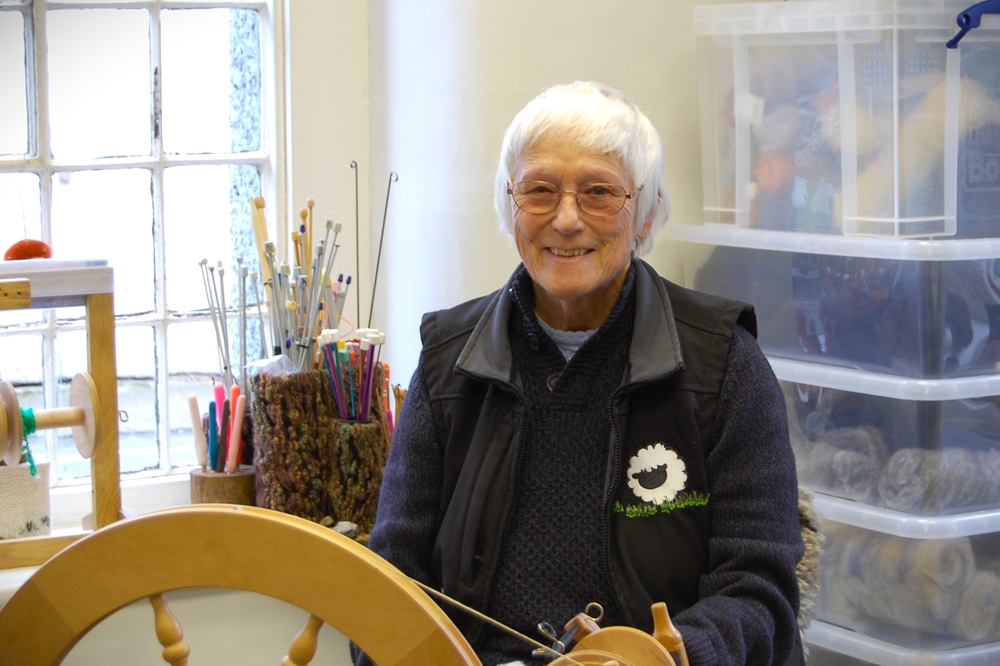
Having taken up wool spinning after the death of her husband, Gill would spin on the pavement outside her one-bed flat.
Then one day in 2016, a farmer threw a fleece at her feet, challenging her to make money from it.
With needle-point sheep, night lights, crafting felt and wall hangings, she raised £270.
Welsh mountain sheep farmers are paid roughly 20p a fleece, whilst the cost of shearing is £1.20 per sheep.
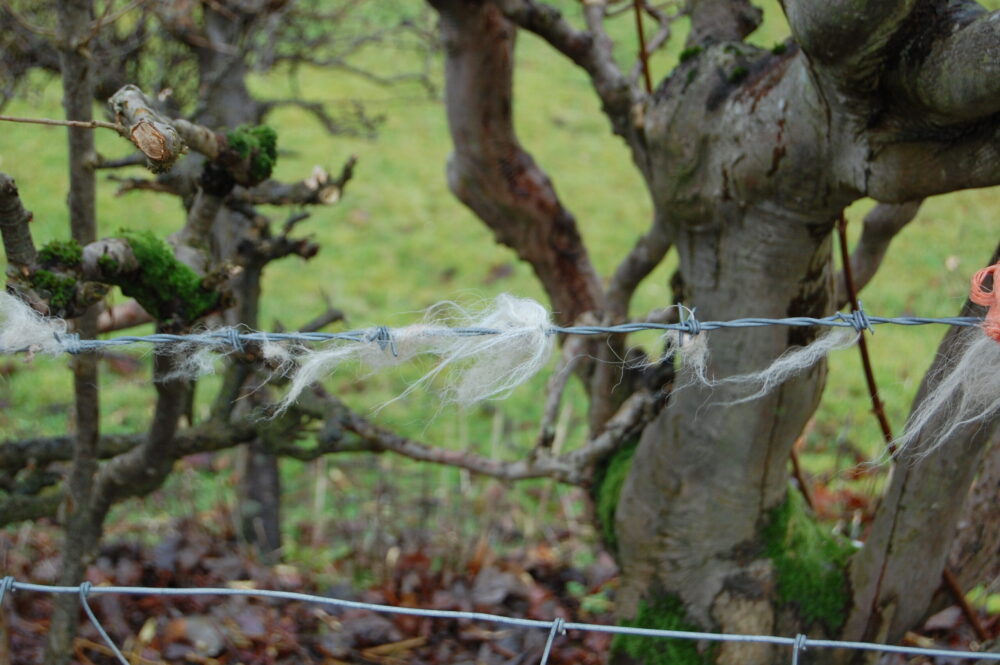
In 1950, wool was £14 per kg at auction, dropping to £0.89/kg in 2019 with an average 33p return, partly driven by the rise of synthetic fabric, which now makes up 62% of global fibre production.
Gill, a not-so-retired adult education teacher, said: “Everyone was oohing and aahing over the stuff –
Rhys said that’s alright, but what about the other 999 fleeces in my barn?
“We needed to look at the wider use of raw fleece.”
Campaign
She launched a campaign to put value back into wool, establishing the Gwlangollen (Llangollen Wool) community interest company to develop products and pass on heritage skills.
One product caught the eye of Minera grower Chris Boyle – fleece matting used to grow seedlings without soil.
Hydroponic matting reduces the amount of water needed, and represents a solution for growers like Chris, whose land is near an old lead mine.
Chris came upon Gill’s mats when researching ways to use the fleece from his rare-breed sheep, supporting his goal to become a plastic-free farm: “We want everything we put in our polytunnels to be compostable, but it’s hard to find products that aren’t rock wool or synthetic.
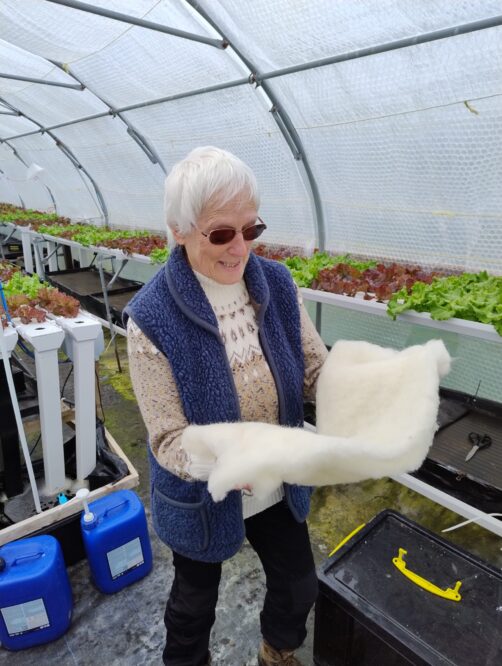
“We ran a few trials with the grow mats, and it does really well.”
Through a collaboration with Bangor University, they found the mats release nitrogen as they degrade, reducing Chris’ need for fertiliser.
A community garden in Corwen has trialled fleece matting on hedging, which survived better during drought thanks to the fleece’s water retention and temperature regulation.
Denbighshire Council has used Gill’s fleece as weed suppressants for saplings and trialled raw fleece layered with an aggregate to repair footpaths at Moel Famau Country Park.
The fleece turns into felt as the footpath is used, stopping the aggregate from washing away and improving drainage, a technique traced back to the Romans.
Thanks to Rhys and Sian Hughes work with Gill, who caught her infectious passion, Rhys, 69, said he now feels “very proud” to see his wool used.
Thinking beyond product trials, Gill’s great ambition is to return the whole wool production process to being local again: “The big fantasy is to have a purpose-built processing plant bringing together the best ideas as an educational facility.
“Farmers could bring their fleece to be processed and create felt rolls for whoever wanted it.”
Her dream would cut the chemicals such as acid used in scouring, cut transport and emissions considerably, whilst keeping the provenance of Welsh wool, at a time when 70% of wool globally is exported to China, including 30% of UK wool.
According to a 2019 UK government report, textile production contributes more to climate change than international flights and shipping combined.
Aberystwyth University found it is now virtually impossible to trace Welsh wool in the global wool market, in contrast to New Zealand, which recently added value to its merino products using ‘farm-level traceability’.
However Gill has all but given up on that dream due to red tape: “We’ve run into a myriad of problems trying to get it off the ground due to government agencies and regulations.
“I can only do it at a very local level.
“Very sadly, it’s cheaper to export to China.”
Shearing
Rhys, like many farmers across the UK, doesn’t presume he’ll pay for anything from the wool clip; he once even got a bill from British Wool for collection, but many have expressed a desire to cover the cost of shearing.
Prof Graham Ormondroyd worked with Gill on her grow mats, alongside his own research on how wool can be used to absorb air pollutants.
He said Gill has joined a growing group of inventors, but to make a difference, investment at scale is needed: “What Gwlangollen do is massively positive because it sparks an interest in British wool.
“There are more things you can do with wool than what we’ve traditionally been doing.
“It’s an untapped resource with growing interest, but it takes investment.”
Support our Nation today
For the price of a cup of coffee a month you can help us create an independent, not-for-profit, national news service for the people of Wales, by the people of Wales.
Get more trusted Welsh news
Choose Nation.Cymru as a preferred source in Google News to see more of our journalism.


