
Interview: Mari Elin Jones on Portrait and Power
Stephen Price
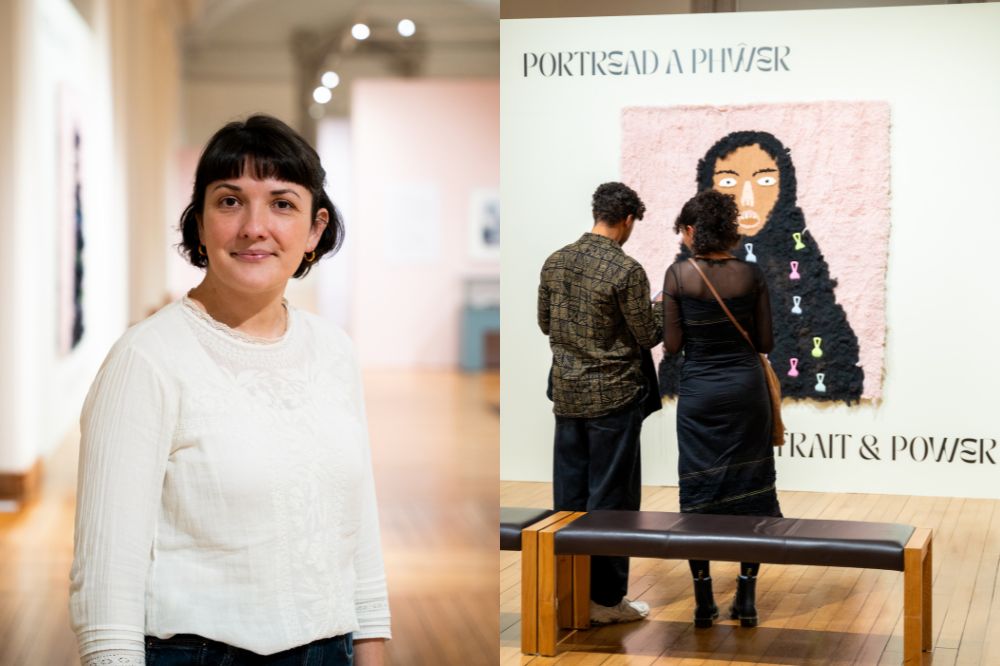
A thought-provoking new exhibition exploring the power of the portrait is currently taking place at the National Library of Wales, Aberystwyth, and Nation Cymru has spoken to its curator, Mari Elin Jones, to discover more about the groundbreaking project.
Using historic and contemporary Welsh art, the Portrait and Power exhibition, which opened back in November, considers how identity, gaze and power flow through portraiture.
It will also invite the visitor to look carefully at the works on display and to rethink the purpose and effect of a portrait.
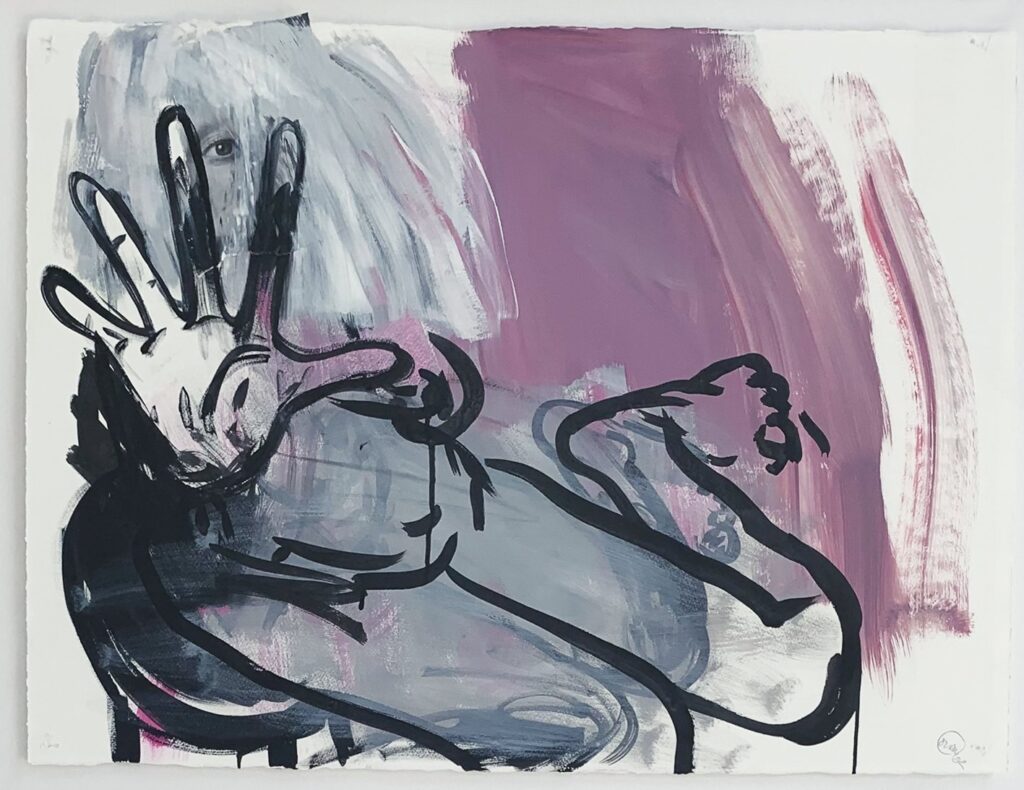
Contemporary artists such as Anya Paintsil, Natalie Chapman and Shani Rhys James use the portrait to confront the politics of looking — turning the gaze back on the viewer, reclaiming the body, and making space for stories of care, ageing, motherhood, and identity that rarely enter public collections.
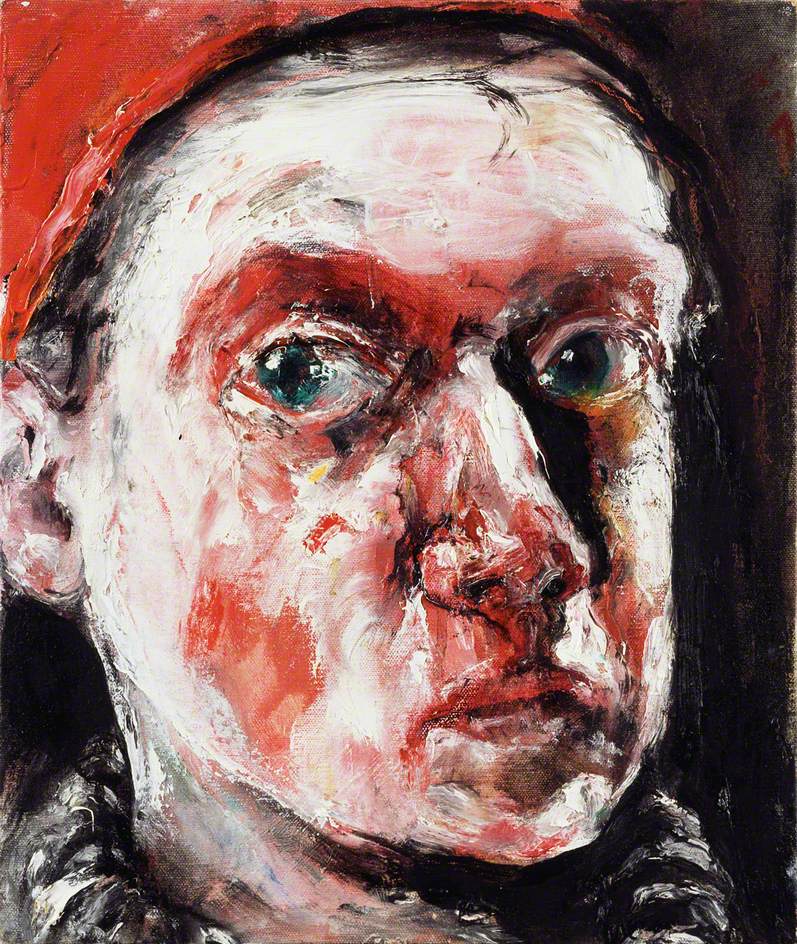
These newly commissioned or acquired works sit at the heart of this exhibition, expanding who is seen and on whose terms.
With the approach of her 150th anniversary, the exhibition will also include a case study relating to the Gwen John, one of Wales’s most celebrated painters.
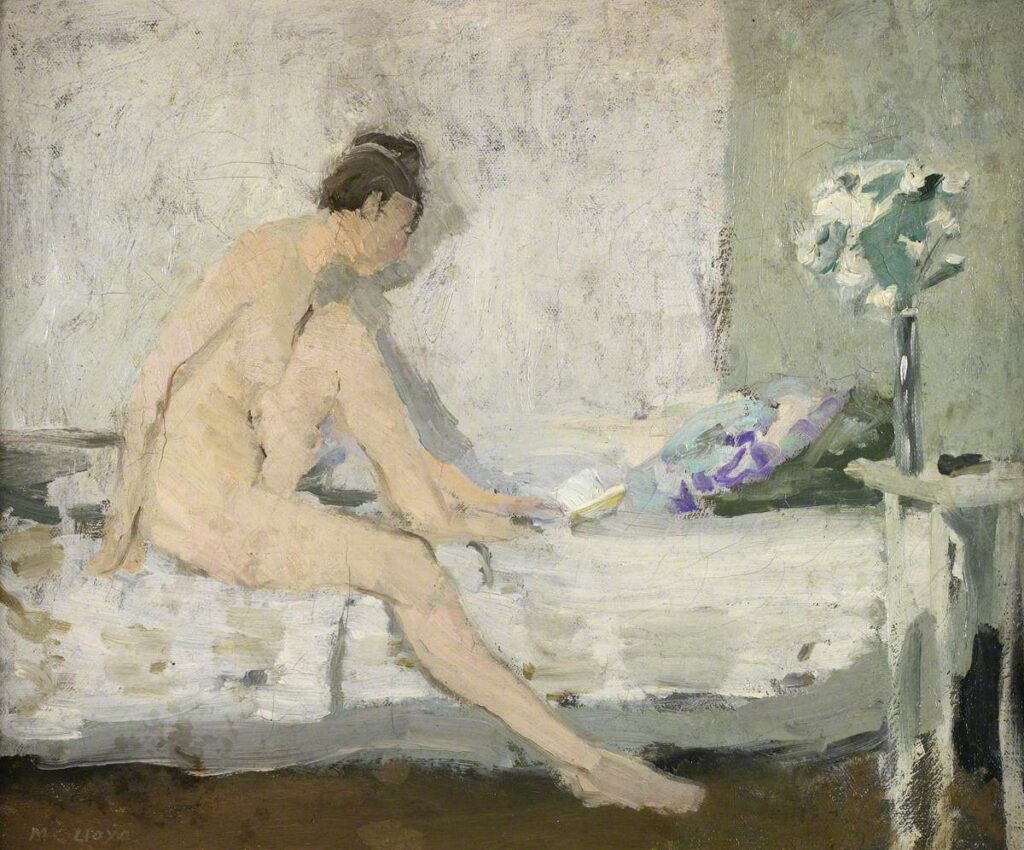
Traditionally overshadowed by her brother Augustus John, this section will include portraits by both siblings and by her close friend Mary Constance Lloyd, illustrating how different gazes can shape the same subject.
Nation Cymru spoke with curator, Mari Elin Jones about the exhibition, to discover some extra insight into one of Wales’ most important exhibitions of the year.
Giving an insight into what can people see and what should they expect, Mari Elin Jones shared: “Portrait and Power is an exhibition about visibility and how portraits can shape our understanding of identity. Visitors will see paintings, drawings, photographs, sculptures, and mixed-media works from the 18th century to the present.
Some pieces are quiet and intimate, while others are confrontational or playful. Together, they explore themes like self-representation, women’s bodies, ageing and motherhood. The exhibition is visually rich and often surprising. It invites visitors to rethink what a portrait can be.
How did you select items from the collections for display?
“The selection was guided by the Library’s recent collecting efforts. A smaller version of this exhibition was shown at our Riverside Gallery in Haverfordwest back in 2022, and we thought it would be a great show to expand to the beautiful Gregynog Gallery.
“We began to look at the national portrait collection in terms of what we have, but also by identifying the gaps. Whose stories have been missing?
“I wanted to show visually strong works that sparked conversations about looking, identity, and representation. Some pieces are old favourites from the national collection, while others are recent acquisitions that reflect a shift toward a more inclusive and contemporary focus.
“The final selection was organized by themes instead of dates to let historic and modern works speak to each other.”
How do the items on display reflect the collections at the Library?
“The National Library’s portrait collection is wonderfully broad. However, like many long-standing collections, it reflects the priorities of its time.
“Recently, we have actively addressed those gaps through new acquisitions: more women artists, more artists from global majority backgrounds, and a wider range of voices and lived experiences. This exhibition celebrates a collection that is evolving to represent a diverse and complex nation.”
What do the items on display tell us about portraiture?
“The artworks on display show that portraiture is never neutral. Each portrait is influenced by power: who is represented, who is doing the looking, and what story the image is telling.
“Some works challenge the traditional male gaze, while others reclaim the act of looking through the artist’s own perspective. Some celebrate everyday lives rarely depicted in art.
“Together, they reveal that portraiture is less about likeness and more about visibility, identity, and agency.”
What is your favourite item in the exhibition?
“That changes daily, depending on my mood! Right now, I’m particularly drawn to ‘Rhitta Gawr’. It’s a large, striking textile work by Anya Paintsil, and it’s the first thing you see as you walk into the gallery.
“I love how it manages to be as much a statement on the artist’s identity as a Welsh-Ghanaian woman, as it is a portrait of a Welsh mythological figure. It’s one of those stand out works that demands your attention straight away.”
Why should people visit the exhibition?
“It’s not just an art exhibition of portraits – it’s about people and stories. It invites visitors to question how images shape our understanding of each other and consider who has been excluded from public collections and spaces in the past.
“It is visually exciting, showcasing some beautiful works by artists who deserve wider recognition. Whether you’re interested in art, identity, or simply looking at Wales in a new light, there’s something here that will resonate with you.”
How important has it been to show new and emerging artists, and many who have been overlooked in the past but have been given their rightful time in the sun lately?
“It has been essential. Public collections shape cultural memory; if they overlook certain groups, those gaps become part of the historical narrative.
“Providing space for artists who have not historically been visible—due to things like gender, race and class—helps rebalance that narrative. It also keeps the collection vibrant; contemporary artists bring new energy, ideas, and perspectives.”
The additional programmes will allow younger people from local communities to get involved, was that important to you?
“Absolutely. Portraits are fundamentally about connection and seeing yourself or someone you know represented. For young people, it’s important that they have the opportunity to encounter art that reflects real, diverse lives.
“The programmes connected to the exhibition invite young people to create portraits, think critically about images, and see themselves as part of Wales’s visual future. If the exhibition helps even a few children feel that the National Library and it’s collection belongs to them, that’s a job well done.”
The intention of the exhibition has been to inspire as well as to challenge.
An objective achieved, and then some.
Full details of the exhibition and activities are shared on the National Library’s website: https://www.library.wales/visit/things-to-do/exhibitions
Support our Nation today
For the price of a cup of coffee a month you can help us create an independent, not-for-profit, national news service for the people of Wales, by the people of Wales.


