

Land of Song, Land of Proof: What Wales in London reveals about cultural reproduction

Llinos Anwyl
Gwnewch y pethau bychain. Do the little things.
It is quoted every year around St David’s Day as if it were a line about modesty. It is not modest, it is however material and about scale and attention. About whether you can sustain ordinary life without spectacle.
Can Welsh cultural life reproduce itself domestically without relying on recognition from London? If it cannot, then that projection is not expansion. It is compensation for what does not exist.
The little things are not curated evenings in London. They are not soft-power showcases framed as ‘celebrating Wales on the world stage.’ The ‘little things’ are whether over a third of children in Wales grow up in poverty. Whether venues stay open. Whether wages allow people to feed their families. Whether communities can afford to participate in the culture that is supposedly being promoted.
To invoke Dewi Sant while exporting symbolic vitality is not quite hypocrisy, but it is inversion.
When a government invests public energy in promoting Wales internationally, in London, in Brussels, in New York, (International presence isn’t inherently extractive, although under engineered scarcity, it becomes so) while the material base at home remains thin, it reveals something about what counts as achievement. A reception photographs well, addressing structural deprivation doesn’t.
Recognition
Devolution generates a constant demand for proof:
- proof of competence
- proof of seriousness
- proof that Wales exists as more than an administrative region.
London is where that proof is recognised. And proof is expensive. Not only in money, in orientation too.
But here is the question St David’s line forces back onto us: What does it mean to perform confidence abroad while managing scarcity at home?
If the little things are not secured, if children grow up in poverty, if cultural infrastructure contracts, if communities are abandoned, then outward projection ceases to be confidence and becomes compensation.
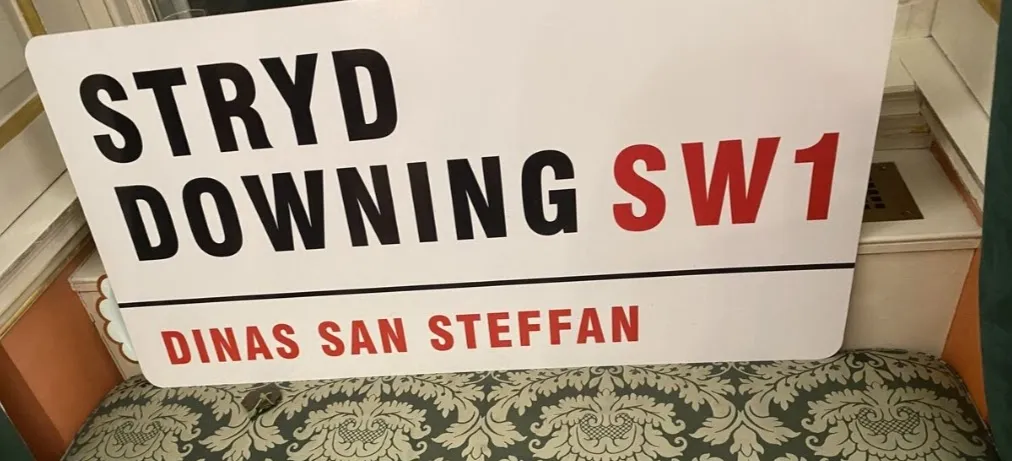
This is not a culture-war quarrel. It is a question of political economy: how resources, attention and legitimacy are organised under conditions of contraction.
When communities experience thinning public life and watch their government stage celebration elsewhere, the interpretation is not subtle. It looks and feels like displacement and misrecognition, creating a vacuum for movements that promise blunt material attention over symbolic reassurance. You can call that populism. You can call it Reform. Next week’s essay will examine that more fully, but for now, it is enough to note that projection without density produces anger that has nowhere coherent to land.
Perhaps we prefer the spectacle. It is easier to watch Wales applauded in London than to confront the quiet endurance of deprivation at home, because the reception allows us to enjoy national affirmation without asking what kind of social formation produces both pride and poverty simultaneously. We share the images and feel reassured.
In a shrinking cultural economy, what proportion of public energy should be devoted to proving Wales exists to London, rather than ensuring Welsh cultural production can persist without London?
When infrastructure thins
The Welsh music ecology is not expansive for a long list of reasons. Venues have closed. Post-Covid debt lingers. Energy costs rise. Squatting made harder. The dole has gone. Audiences have less disposable income. The irony of ‘land of song’ circulating with more confidence, is not lost on me.
A slogan can survive conditions that would kill the practice it names. In fact, it can help it’s survival. As material density thins, symbolic density intensifies, and with that, slogan begins to do the work the infrastructure can no longer perform.
The volume of the language grows as the infrastructure grows quieter, and we mistake amplification for health.
A handful of export-ready artists under bright lights can stand in for a couple of hundered underfunded rehearsal rooms, with prestige standing in for reproduction.
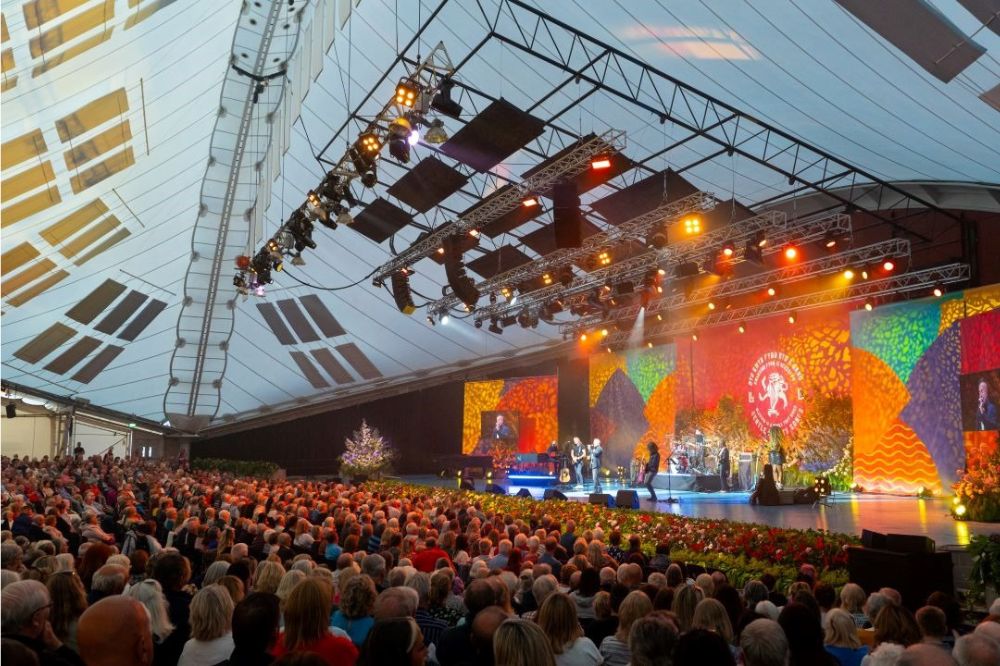
In this so called land of song, access to live music increasingly tracks disposable income, stratifying culture, making the purchasable.
Instead, we stage vitality elsewhere.
Cultural erosion doesn’t announce itself, it thins slowly (like men’s hair once they reach their mid-30s). Fewer dates. Smaller guarantees. More unpaid labour disguised as passion.
Against that backdrop, official St David’s Day receptions in London appear as exercises in presence. They sit inside international engagement budgets, ministerial programmes, communications strategies. They are instruments of legitimacy. Culture performs competence. A curated performance stands in for systemic health.
Logic
There are two funding logics that meet on that stage. The state seeks visibility and leverage. Arm’s length bodies seek artist development and market access. Both are coherent within their frameworks.
The first logic is state-led. Welsh Government St David’s Day events in London are instruments of legitimacy and visibility. A devolved administration inside a London-centred state must continually assert its seriousness. Presence at the centre is not vanity, but some way of maintaining some leverage. Receptions build relationships. Showcases create proximity. And through this, culture performs competence.
The second runs through arm’s length bodies. These are designed to develop artists, create pathways and networks. When an artist funded through such schemes appears at a London showcase, that is framed as opportunity: profile, connection, reach.
Both logics operate coherently within their own institutional languages. Coherence, however, does not settle the question of proportion. But institutional coherence is not innocence, of course a system can operate rationally within its own logics while collectively producing erosion. The question is not whether each actor is justified; rather, if whether the aggregate orientation sustains or thins the cultural base.
Projection and extraction
In expansionary conditions, outward presence and inward investment can coexist without tension. Visibility can circulate back into the base, but contraction changes the calculus. If domestic venues struggle, freelance incomes shrink, audiences thin, and outward state showcases continue at similar scale, then projection has been insulated from attrition.
And that insulation is never accidental, it distributes risk. Visibility on the otherhand accrues upward, to ‘important people’, institutions, those already networked. Austerity settles downward, onto local venues, precarious artists, audiences whose access to culture becomes symbolic rather than lived. Projection does not eliminate fragility. It reallocates it.
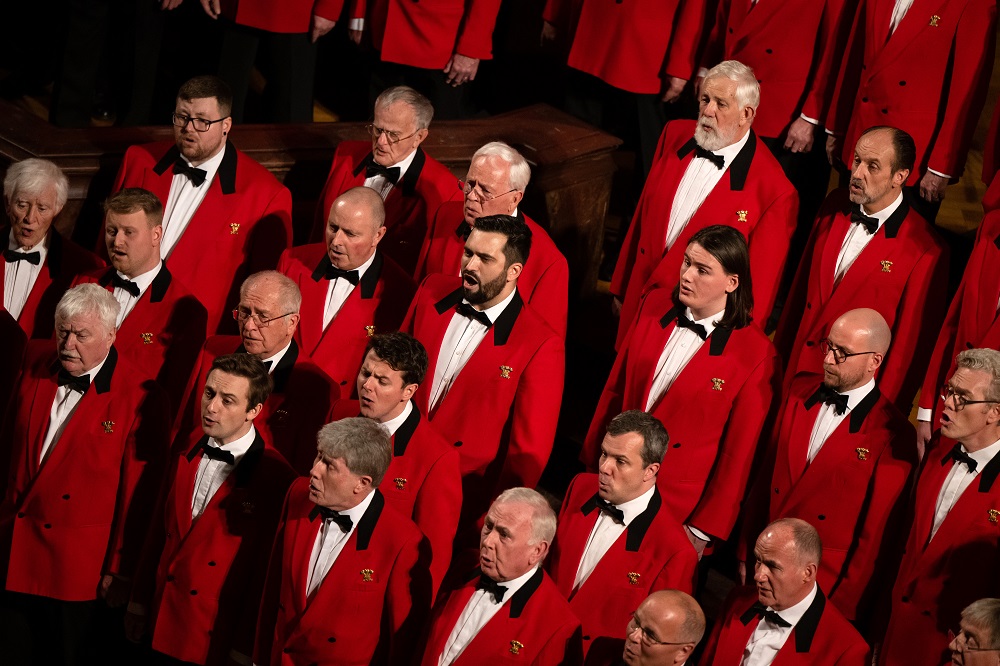
It marks what the system refuses to let appear fragile. Outward events may reinforce the base, if they build touring circuits back home, increase income stability, thicken infrastructure. But if they generate prestige, produce photographs, benefit those already visible, and leave domestic fragility untouched, they function extractively. Cultural value is drawn outward without reinforcing the ecosystem that produced it.
This is where the phrase ‘land of song’ begins to shift in meaning. It no longer names a living density of practice, but a hedge against decline. The more precarious the infrastructure becomes, slogans circulate more confidently. No one needs to fabricate vitality; it is enough to curate it selectively. A handful of artists under bright lights can stand in for a thousand unpaid rehearsals. A curated evening in London can imply systemic health.
There is also a specifically Welsh political condition at work. Devolution intensifies this dynamic. Continually demonstrating competence to a centre that retains fiscal gravity, with recognition becoming a form of currency, leading to culture being drawn into the work of proof. It becomes evidence before it remains practice.
Gravity
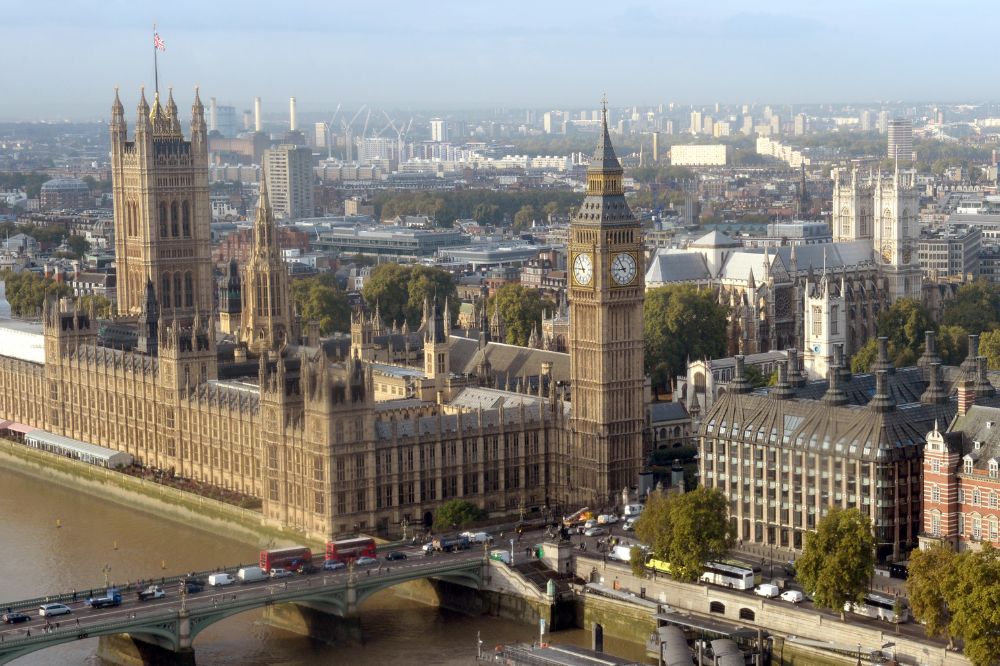
Therefore St David’s Day in London is not merely celebration; it is ritualised evidence. Wales is here. Wales is modern. Wales is competent. Culture is drafted into this work. It becomes diplomatic instrument.
And when recognition at the centre becomes a precondition of political weight, then cultural life is reassigned from lived practice into a representational asset. The music becomes evidence that Wales is modern, dynamic, outward-looking. But evidence for whom? When presence at the centre becomes a condition of being recognised at all, culture is quietly reassigned from lived practice to diplomatic instrument. The scene ceases to be only a scene, becomes propped up proof. Proof consumes energy. And energy is finite. Attention is finite. Budgets are finite. Systems over-investing in visibility gradually deplete the conditions that make visibility possible.
Maintenance is slow and repetitive. It produces no headlines. It doesn’t photograph. A small venue staying open does not signal modernity to Westminster; a ministerial reception on the other hand…
The system does not require villains, although, it does require orientation, by rewarding what is legible to the centre and neglects what sustains the periphery.
And we are not outside this. Artists want opportunity; governments, visibility; institutions, profile. London offers all three. The gravitational pull is not imposed from above alone, it is shared. For an artist, a London showcase can mean access and validation.
For a minister, it signals competence. For a funding body, it demonstrates outreach, a wider audience.
There is something we enjoy in this arrangement. Recognition at the centre flatters us. It reassures us that decline is exaggerated, that legitimacy strain is temporary, that Wales is ascending rather than managing scarcity. We participate in the projection because it reassures us that the thinning base is not as serious as it feels. The more unstable the base becomes, the more intensely we require affirmation.
In a shrinking (cultural) economy, projection does not simply coexist with infrastructural depletion; it feeds on it. The showcase gains intensity precisely because the domestic field is unstable. Scarcity will always sharpen the need for spectacle. If the base was healthy, the staging would matter less.
Gwnewch y pethau bychain
If that line means anything beyond sentiment, it demands that public money in times of contraction first thicken the ordinary conditions of persistence. When rehearsal rooms are precarious, the small venues are closing, the touring circuit inside Wales can’t sustain itself, then no amount of well-lit celebration can compensate for that erosion.
Culture cannot reproduce on reassurance, because the little things are structural, without them, there is nothing left to project. A nation that depends on continual proof of vitality will increasingly substitute recognition for reproduction.
And once reproduction is secondary, vitality becomes performative rather than material. That shift does not announce itself; it stabilises quietly, until the infrastructure cannot recover.
Originally published on Llinos Anwyl – Peripheral Vision via Substack.
Support our Nation today
For the price of a cup of coffee a month you can help us create an independent, not-for-profit, national news service for the people of Wales, by the people of Wales.


