


Listen in full: Poignant album dedicated to the victims of Aberfan disaster released today
Stephen Price
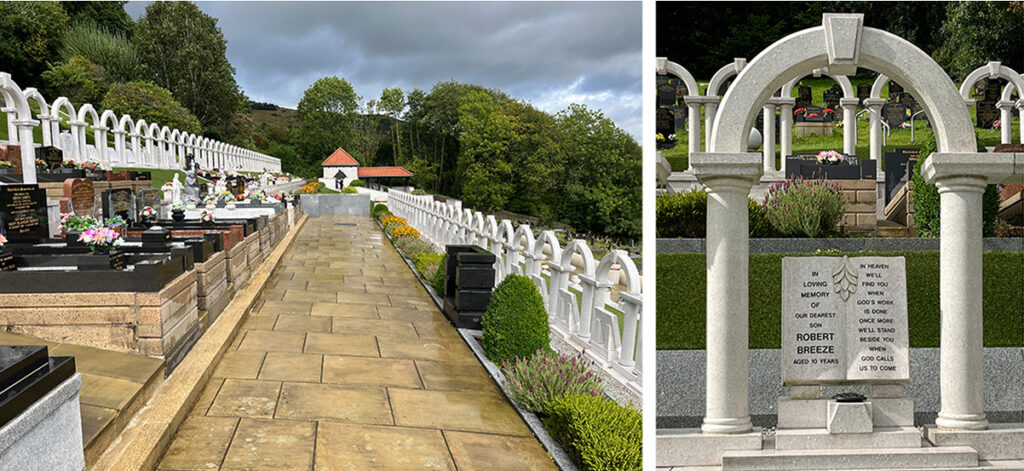
A moving album dedicated to the 116 children and 28 adults who died at Aberfan has been released today – 60 years on from the tragic event that made headline news across the world, and continues to shock and sadden to this day.
On March 30, the artist John Harvey launched the first track from his album 144 Variations of a Theme by Joseph Parry for the Victims of Aberfan.
On each of the subsequent 143 days, until October 20, a further track dedicated to one of the 116 children and 28 adults who had died in the disaster was released.
Today (October 21) – the 60th anniversary of the tragedy – a companion album, entitled Darkness Covered the Whole Land: Sixteen Sound Postcards of Aberfan, has been made available in its entirety online.
Both albums are released under the banner of the National Library of Wales, Screen and Sound Archive.
John Harvey is a practitioner and historian of sound art and visual art, and Emeritus Professor of Art at the School of Art, Aberystwyth University, Wales.
His research field is the sonic and visual culture of religion, the working class, and the paranormal, with particular reference to Wales.
Explaining the difference between the two albums, Harvey shared: “The first album is dedicated to the individual victims. The second presents the chronology of a chain of events leading up to the catastrophe; the disaster itself; and its consequences and aftermath.
“Both albums are dedicated to those who died, those who survived, those who still grieve, and those who wish to honour them.”
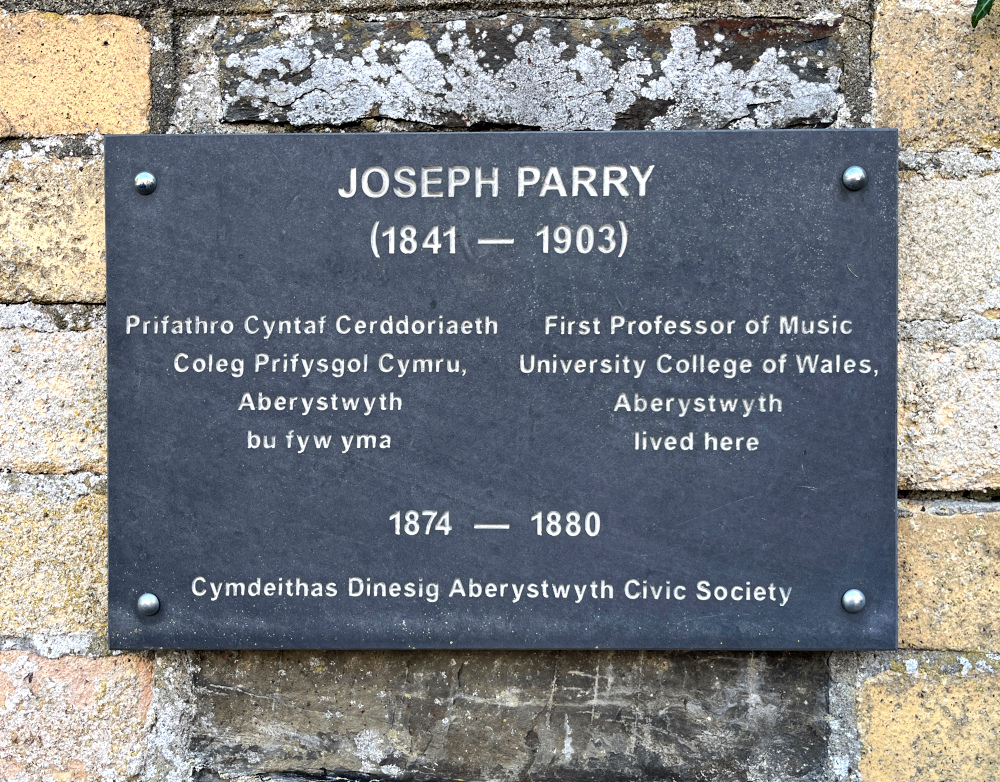
144 Variations is based on the Welsh composer Joseph Parry’s (1841-1903) ‘Aberystwyth’ (1876).
This was the tune to which Charles Wesley’s (1707-88) hymn ‘Jesus, Lover of My Soul’ (1738). It was sung at the mass funeral on October 27, 1966, along with ‘Loving Shepherd of Our Sheep’ (1842) by Jane Eliza Leeson (c.1807- 81), to the tune ‘Buckland’ (1863) by Leighton George Hayne (1836-83). Both hymns are at the heart of the second album.
The first album is a series of individual ‘portraits’; the second is a set of sonic ‘landscapes’ representing, variously: the sounds of the colliery; the construction of the fateful tip; the weather; the local geology; the school; the inundation, the unearthing and reburial of the dead; recriminations; and a grief- reflection.
Harvey explained how the hymns and other sound material contributed to the album’s composition, saying: “The album’s sound sources are derived, variously, from 78-rpm brass-band and choral recordings of the two hymns made in the first three decades of the 20th century.
“Samples were extracted from recordings and modified with digital processors and synthesizers. Thereafter, they were combined using sound-art techniques, including: collaging, Foley work, superimposition, delay, desynchronisation, temporal and pitch shifting, reversal, and distortion. As a result, the original tunes became unrecognisable, and entirely new compositions evolved.”
Darkness Covered the Whole Land also incorporates an interview with a witness (who Harvery recorded in 1987), readings of the tribunal report, his own field recordings of rainfall at Aberfan and streams, and piano and guitar playing.
‘Desperation and despair”
The title, too, is not without its poignancy. Harvey said: “The first part of the title is taken from the biblical account of the three-hour obscuration that occurred from noon to 3.00 pm during the Crucifixion (Matthew 15.33).
“It also connotes both the burial by coal waste of the landscape surrounding the school, following the tip’s collapse, and the collective spirit of grief felt throughout Wales and beyond immediately afterwards.
“The compositions are collectively subtitled ‘Sound Postcards’ The term refers to a tradition of documentary photography that developed in the early part of the 20th century.
“Coalmining disasters were often photographed in situ, and salient images released as a series of commercial picture- postcards. For example, the company of W. Barton (Glasgow) produced a set of 22 postcards of the Senghenydd Colliery disaster in 1913, when 439 men and boys were killed in an explosion. Each of the 16 tracks is a ‘postcard’ in sound, 3-minutes long.”
As for what John Harvey hopes to achieve by making the album, he said: “Together with the previous album, Darkness Covered the Whole Land was conceived as a lament. I wanted to make a sound memorial to not only the victims but also the village and the valley, both then and now.
“The album takes the form of a historical narrative that seeks to evoke the earthiness and physicality, the horror and pain, the desperation and despair, the cacophony and determination, and the silence and sadness that was, and remains, the Aberfan disaster.
Ultimately, I wish that the tragedy had never taken place, and there was no need for these albums.
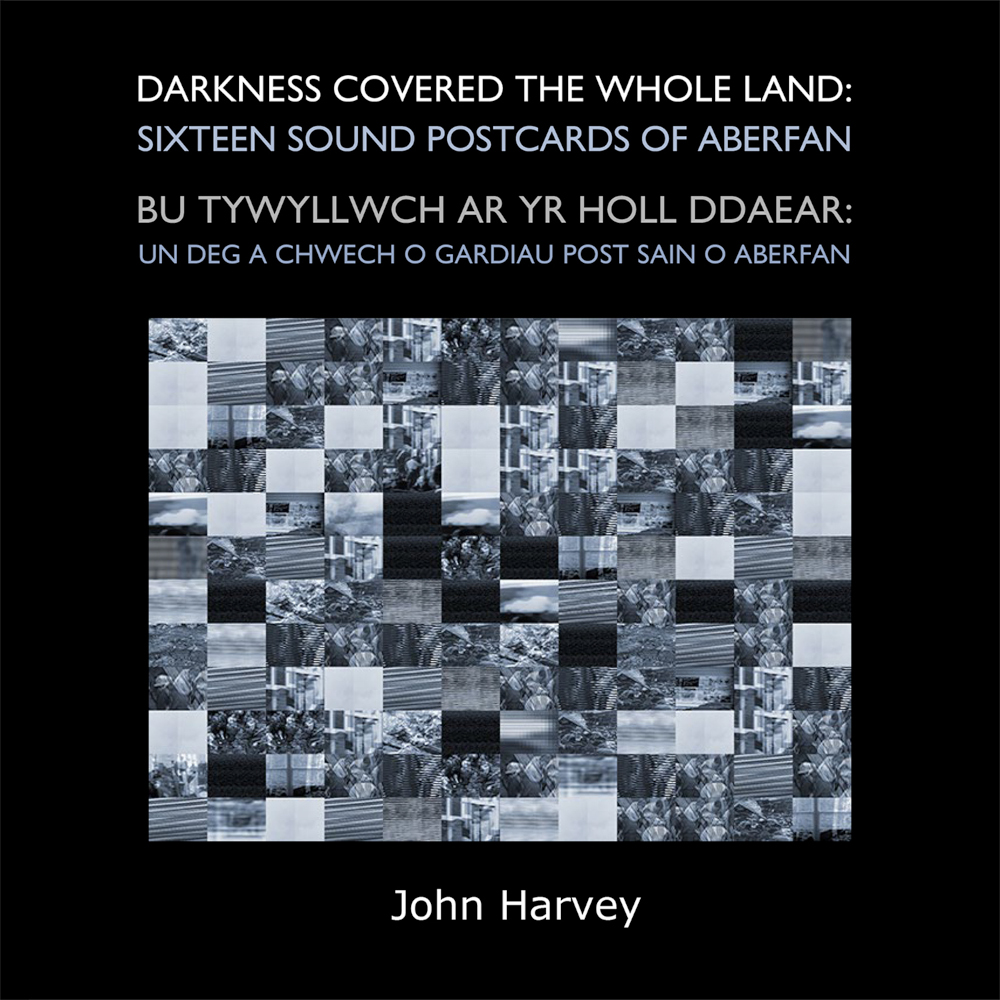
Listen to the album here: https://johnharvey.bandcamp.com/album/darkness-covered-the-whole-land-sixteen-sound-postcards-of-aberfan-album
Discover more about John Harvey at his website: https://johnharvey.org.uk/ or contact him on his university email account: [email protected]
Support our Nation today
For the price of a cup of coffee a month you can help us create an independent, not-for-profit, national news service for the people of Wales, by the people of Wales.
Get more trusted Welsh news
Choose Nation.Cymru as a preferred source in Google News to see more of our journalism.


