

Llys Glyndŵr: The Men and Women Who Made the Rebellion Possible
Dr Rhun Emlyn, Department of History and Welsh History, Aberystwyth University
Happy Glyndŵr Day! It was 625 years ago to this day – 16 September 1400 – that Owain Glyndŵr was proclaimed Prince of Wales and started the rebellion which has captured the imagination of so many people down the centuries.
This initial attack against those in authority grew into an uprising that nearly succeeded in making Wales an independent country over a hundred years after its conquest by Edward I.
Not a one-man-show
But the rebellion was more than a one-man-show. Owain Glyndŵr wasn’t alone on that fateful day in 1400. Fifteen prominent men had gathered together at his home in Glyndyfrdwy and had together decided to launch the rebellion. These included Hywel Cyffin, the venerable dean of St Asaph cathedral, and Gruffudd and Philip Hanmer, sons of a former senior judge who had been a key legal advisor to the English king Richard II.
Two days later, on 18 September, they were joined by hundreds more as they attacked Ruthin, the town of Reginald Grey, Glyndŵr’s enemy. These included people of all sorts from across the north-east – such as Matwyn the fuller from Glyndyfrdwy and Ieuan the priest from Cerrigydrudion – and not only men, with women such as Gwenllian Clay and Angharad ferch Adda joining in the fray. At the same time, Glyndŵr’s cousins Rhys and Gwilym ap Tudur led an uprising of the people of Anglesey.
Over the next few years the rebellion spread southwards, engulfing the whole of the country.
The authorities complained that ‘the whole Welsh nation with few exceptions, are party to this evil scheme of rebellion, and are committed to it’. The rebellion appealed to people of all walks of life: nobles and peasants, farmers and townsfolk, bishops and merchants, widows and students.
It is perhaps surprising that the rebellion also garnered support across the border in England. The radical Herefordshire farmer and preacher of Welsh descent Walter Brut joined the cause. Even senior members of the English aristocracy, such as Henry Percy, earl of Northumberland, formed alliances with them and gave their backing.
These were joined by the French, who in 1405 sent a large army under their Marshal Jean de Rieux to try to tip the balance conclusively in favour of Glyndŵr. This army successfully marched all the way to Worcester.
It was because of Glyndŵr’s ability to draw support from across Wales that the rebellion was so successful for a number of years.
A wealth of abilities at Owain’s disposal
Such a varied group of followers contributed to the rebellion in their own different ways.
Poets like Iolo Goch from Llanefydd and charismatic preachers, like John ap Hywel from Llantarnam Abbey near Caerleon, recruited men and women to Glyndŵr’s cause. Another John ap Hywel was a spy who gathered intelligence from Oxford, where he was a student, and sent his information to Glyndŵr.
Glyndŵr’s daughters – Catrin and Alys – married enemies and made them allies. Renowned lawyers and clergy such as John Trefor and Gruffudd Yonge advised Glyndŵr, ran his government and parliaments and travelled as ambassadors to France and Scotland.
Seasoned soldiers, such as Henry Dwnn from Kidwelly, led rebels on their campaigns while men such as David Perrot, a successful merchant from Tenby, donated money and ships.
There were local leaders who ran the campaign in their localities on Glyndŵr’s behalf: Hywel ap Tudur ab Ithel in Flintshire, Rhys Gethin in the Builth area and Ieuan ap Jenkyn Kemeys around Newport.
A national rebellion
People were invested in the rebellion to the extent that many even give up their lives for the cause, such as Rhys Ddu from Ceredigion and Llywelyn ap Gruffudd Fychan from Carmarthenshire. This was a rebellion that belonged to the people of Wales as a whole, arising from their complaints about being treated as second-class citizens in their own country and ‘exiles on their native soil’.
Glyndŵr held parliaments on three separate occasions where he consulted with representatives from across his fledgeling principality, perhaps signalling his intention to forge the future of Wales alongside its people.
The frustrations of the Welsh had been expressed for years by poets and preachers and prophets. Now, the desires and visions of many were brought together in one cause: a Wales with its own prince, an independent Church, its own universities and parliament, and a country where their ethnicity wouldn’t count against them.
Llys Glyndŵr
Some of the individuals who contributed to Glyndŵr’s rebellion are commemorated in a book released today: Llys Glyndŵr: A Creative Response to the Lives of Owain Glyndŵr’s Supporters.
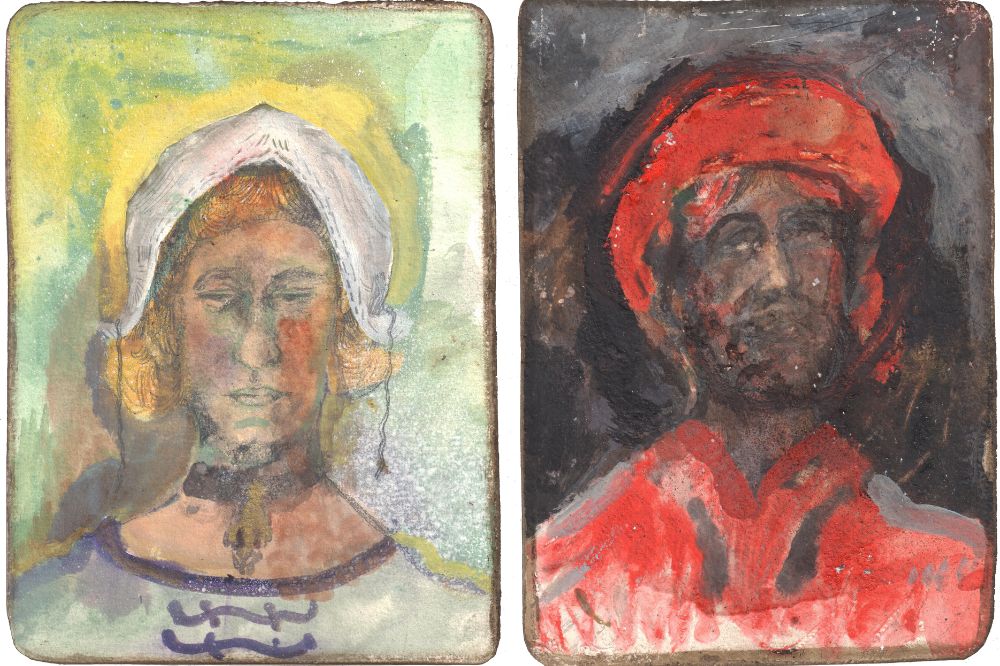
The book aims to give an insight into the lives of the men and women who made a significant contribution to the rebellion. Featuring biographies, original portraits by the highly respected artist Dan Llywelyn Hall and new poetic responses by twenty poets, these hitherto unacknowledged individuals are given the attention they deserve.
Today, as we remember Owain Glyndŵr and his rebellion, we also remember the men and women from across Wales who are part of our history and who made the rebellion possible.
Support our Nation today
For the price of a cup of coffee a month you can help us create an independent, not-for-profit, national news service for the people of Wales, by the people of Wales.


