


Making Tracks: Aberdare
On World Environment Day Jon Gower finds out that a former coal tip can be a place of wonder.
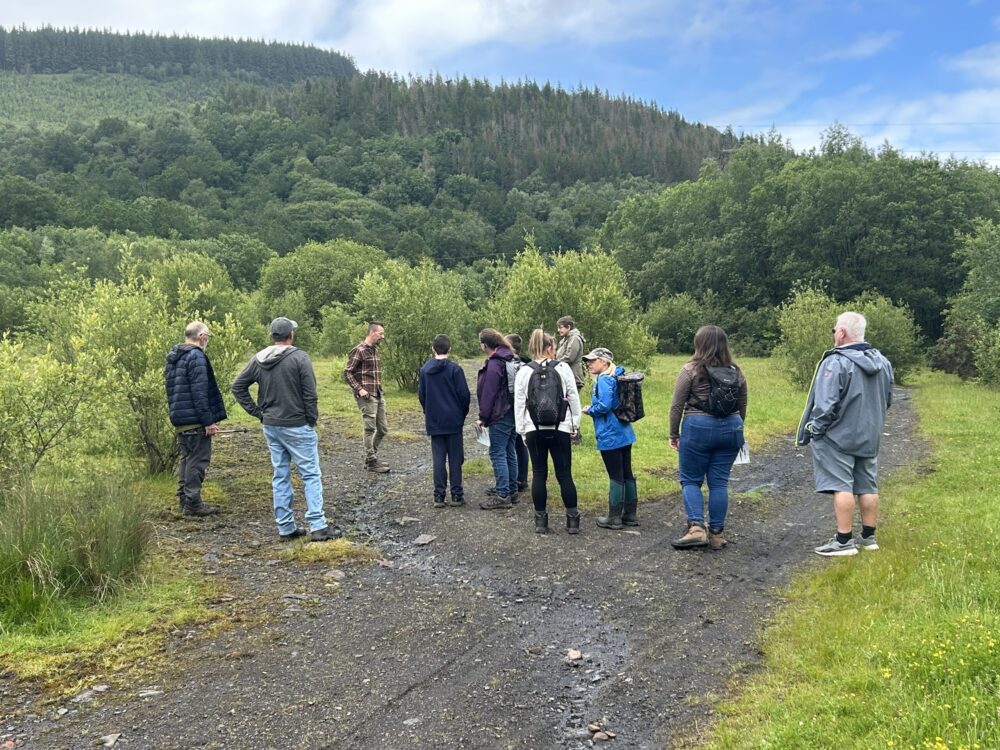
Today I am joining a reptile walk at Aberaman Tip, Aberdare. I cycle from my home in Canton, Cardiff to Waungron Park to catch a train on the Aberdare line, getting off at Cwmbach, in an area which had many collieries in its heyday.
Along the way there is plentiful evidence of valley landscapes transformed by nature’s regenerative powers, coupled with forestry plantings. Buzzards soar slowly over hillsides. A kingfisher is a blue pulse flying upriver at Penrhiwceiber.
Flaming June it is not: I have to don wet weather over-trousers and a raincoat as the Met Office website is a splatter of rain drop symbols coupled with high percentages of probability. When I join our group and meet our guides, I suggest it’s not perhaps the best weather to see reptiles such as adders, which are known to enjoy basking in the sun. Someone points optimistically at a small patch of blue sky.
Many former industrial areas in Wales have been reclaimed by nature over the years. There’s the former Nobel factory at Y Gwaith Powdwr near Penrhyndeudraeth which used to produce millions of hand grenades as well as explosives for the coal mining and slate quarrying industries.
Nowadays it’s a place where nightjars churr and hunt moths and bats flicker across the skies of summer evenings. These include the lesser horseshoe bat which, curled up at its daytime roost, is no larger than a plum. The woodlands at the site are enlivened by the flickering red tails of redstarts, the dapper black and white livery of male pied flycatchers as well as singing tree pipits with their parachuting display flights.
In south Wales, the greening of the valleys has seen huge swathes of coal spoil gradually being reclaimed, or in some places, planted with trees, which both serve to cloak the black heaps in leafy colour. It has even been the case that new species to science have been discovered in these post-industrial, ad hoc nature reserves.
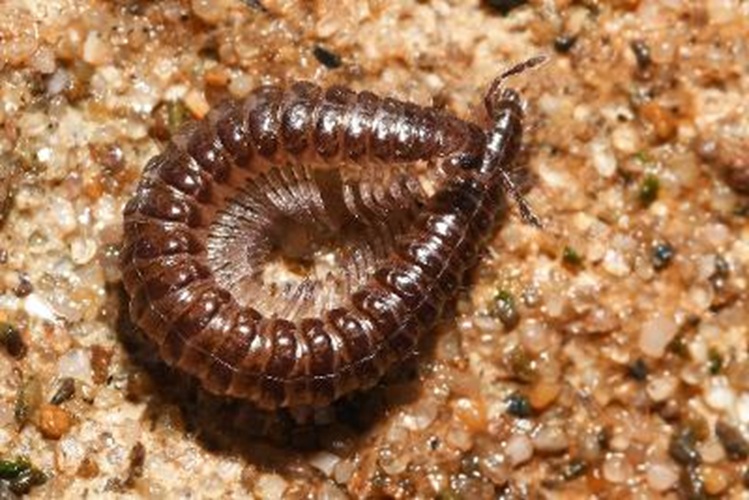
One such species is The Maerdy Monster, a brown millipede found by Christian “Sparrow” Owen at Maerdy Colliery in Rhondda Cynon Taf in December 2016. This is the only known site in the entire world where this shade-seeking insect is to be found.
Measuring 12mm long it is named after the Maerdy Monster locomotive, which used to chug around Maerdy Colliery. Built by Peckett & Sons in 1954, it was the most powerful steam locomotive designed and built in Britain. Appropriately enough the first specimens of the millipede were discovered underneath an old railway sleeper, with more individuals hidden beneath stones on banks of colliery spoil with scanty vegetation. Most likely this millipede feeds on algae from deadwood.
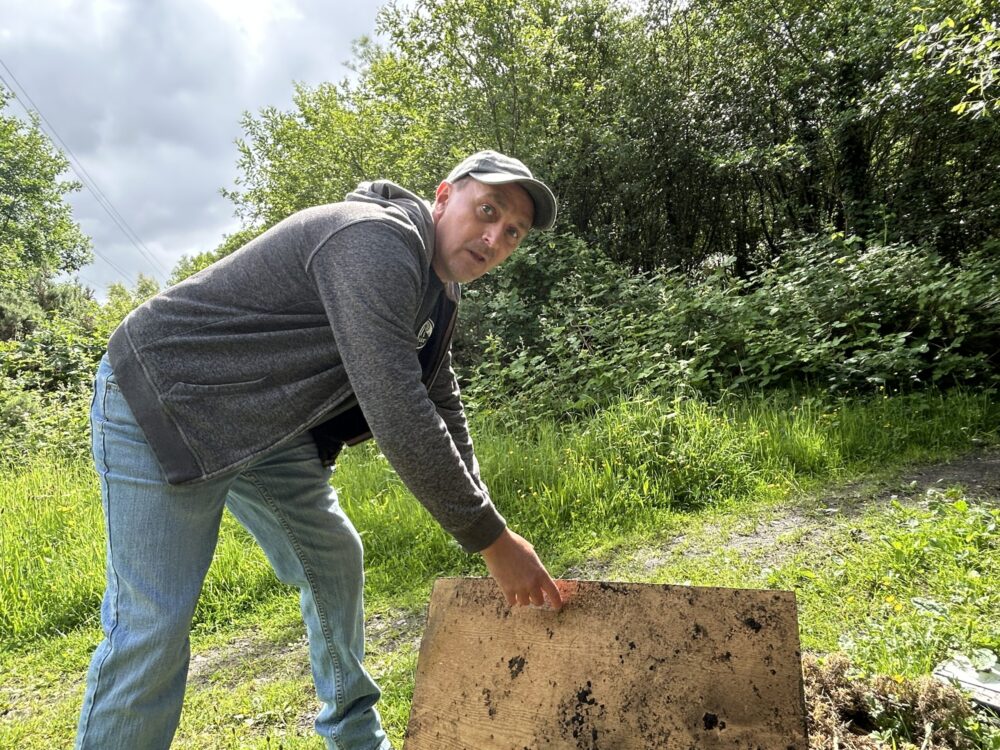
Christian “Sparrow” Owen’s enthusiasm for millipedes is pretty much palpable and he is happy to look for them by day or by night. ‘Picture a graveyard,’ he suggests, ‘where you’ve got old headstones with lichen and algae growing over it – that sort of stuff they love. We’ve also got another one which was found to be new to Britain in Groesfaen, in Bargoed. We call it Telfer’s millipede, after the engineer. If you check most of the graveyards in the valleys at night you will see that millipede grazing over the lichens.’
I have to ask him about his nickname. He was given the name “Sparrow” because he had thin legs but he then found out that his grandmother was also called “Sparrow.” It seems that thin legs run in the family, if you pardon the pun.
“Sparrow” also discovered the Beddau Beast, which is nothing at all like its name. ‘It’s a little millipede, only about five, six mill, So you’ve got to have really good eyes to find them. A lot of people would think it was a baby millipede instead of a fully grown adult.
‘We’ve got another one over in Newbridge which they are saying is definitely new to science: the Celtic ghost millipede, a beautiful little white thing. It’s only found at five sites in the whole world and all of them are in south Wales.
“There are two sites in Newbridge; we’ve got one in Merthyr – right by where they put in the new ski slope – and there’s another one in Abersychan and one near here. It’s white because it’s close to being a troglodyte, from a time when they used to live in the caves. They’re going to name the species after Wales. They’re going to call it something Cymricum. I’m more chuffed with one being named after Wales than the possibility of having one named after me.’
The former coal tips are not only being colonised by plants and butterflies but studied too, not least by Glo i Natur, a community interest company dedicated to protecting, restoring, and celebrating the unique biodiversity and heritage of coal spoil sites in the south Wales Valleys. The engine of the endeavour is driven by ecologist Liam Olds, following over a decade of work with the Colliery Spoil Biodiversity Initiative. This uncovered the extraordinary ecological value of these often-overlooked landscapes which have lovely species such as whimberry bumblebees and an array of butterflies including graylings.
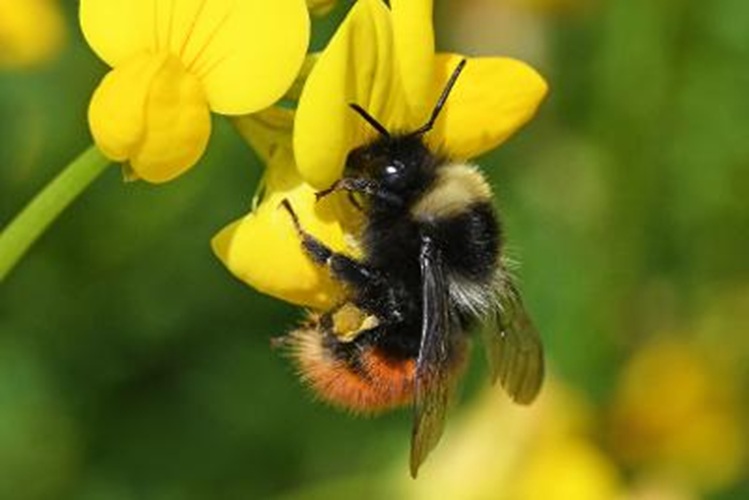
Liam explains how life led him to entomology. ‘Where I was growing up in my teenage years was Coed-Ely, near Tonyrefail, so I had the old Coed-Ely colliery and coking workshops near my house. That was somewhere I used to go in my early teens when I was at that age where I was starting to take more of an interest in world around me and stuff. And I just started noticing things over the colliery. So I was noticing dragonflies, but I was also noticing things like common lizards and grass snakes. And that was kind of my gateway into the world, really, of the natural world.
‘I started to fall in love with these sorts of places, the old colliery sites and how I was treating that sort of site as my own personal nature reserve. Eventually it led to an undergraduate zoology degree at Cardiff University. But my proper gateway was getting my apprenticeship in the National Museum of Wales and that was a proper entomology apprenticeship.’
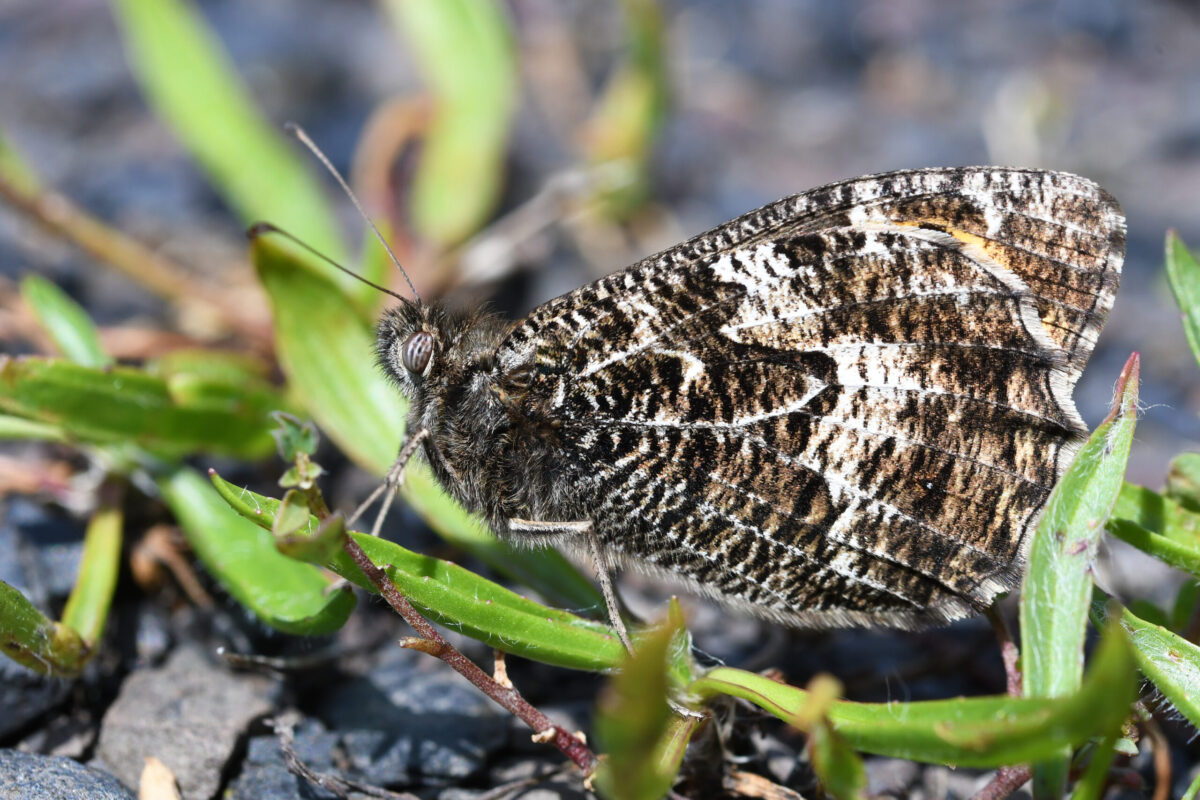
It has now led him to discover the wealth of biodiversity to be found on coal tips. In the former coal tip which is now the Sirhowy Hill Woodlands in Blaenau Gwent you can encounter dingy skipper and common blue butterflies and even glimpse a sabre wasp, the largest ichneumon wasp in Britain. Elsewhere green tiger beetles forage over favoured bare ground and plants such as centaury and fairy flax flower brightly where the soil is thin. Butterflies such as graylings, with their mottled colouration acting as camouflage, blend in well with the grey and black background of coal spoil. ‘They’ll fly in and turn their wings at an angle and sort of disappear,’ explains Sparrow.
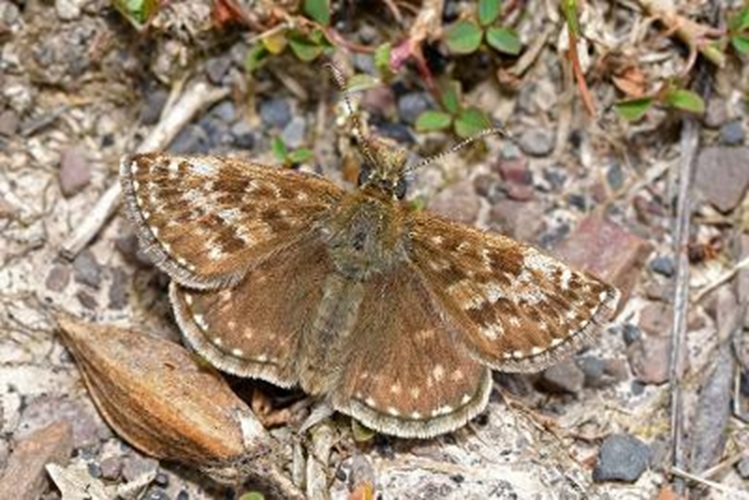
On our trip around Aberaman Tip we had many such encounters – dingy skipper butterflies, birds foot trefoil in flower and click beetles, well clicking, not to mention round leaved wintergreen and forest cuckoo bumblebees. We also saw some slow worms but sadly missed out on adders as it wasn’t perhaps warm enough. It was not a basking sort of day.
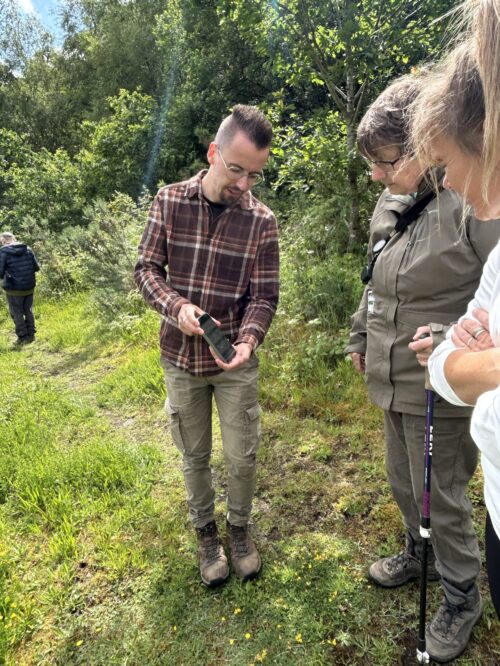
Harriet Butler and her sons Jonah and Jack had travelled over from Port Talbot for the event and while the boys would have enjoyed seeing snakes they fully enjoyed seeing and eating wild strawberries and learning that slow worms can live up to 20 and even 30 years. One in captivity lived to be 56 years old.
Such facts are the stock in trade of Carys Romney, one of the Glo i Natur team, who is happy as can be to share her ready enthusiasm and knowledge. ‘I studied for a HND in Environmental Conservation Management. So, I was based down in Pencoed College near Bridgend. I’ve got to be honest, that’s a brilliant course because it’s hands-on, it’s like 50-50 written and hands-on practical work.
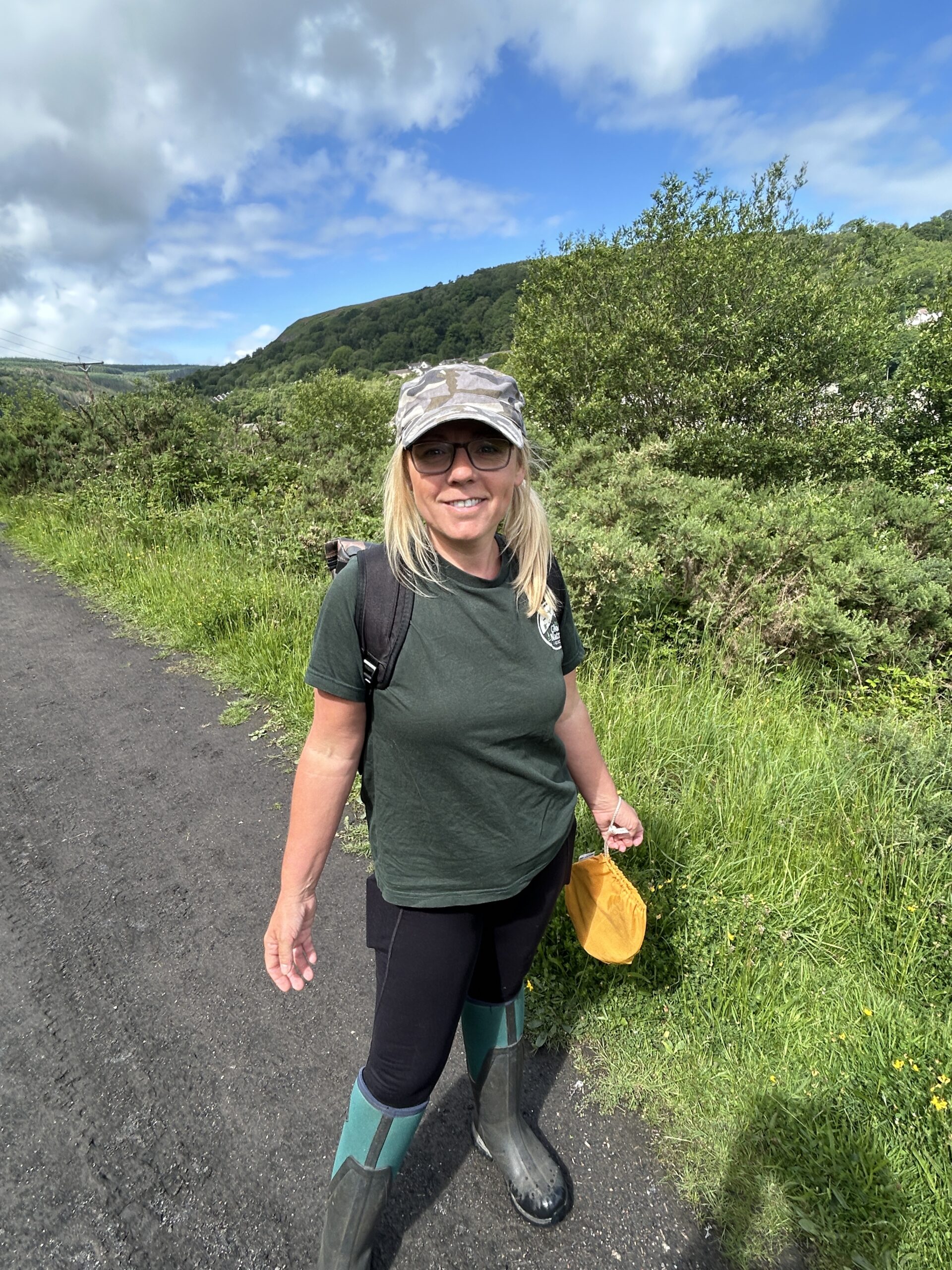
‘My grandfather had left me a little bit of inheritance so I thought what am I going to do with my life, so I spent my inheritance to pay for that course. Because I love wildlife. I grew up playing on these tips so it’s something that’s always fascinated me since I was a child.’
There are so many good tips in south Wales that Carys is hard pressed to choose the best. ‘A particularly good site would be Maerdy, which merges onto peatlands, so we get species there that you would find naturally in a peat bog. You’ve got species like sphagnum mosses which are the bog builders but then you’ve got a species called a sundew – a carnivorous plant – which is mind -blowing when you think about it.’
Carys is a fan of standing still to fully appreciate what’s around us. ‘You’d be surprised what will come to you. Sparrow was surveying one of our sites last year and he was sitting down eating his dinner and he had something like a hundred small blue butterflies flying around him and landing on him.’
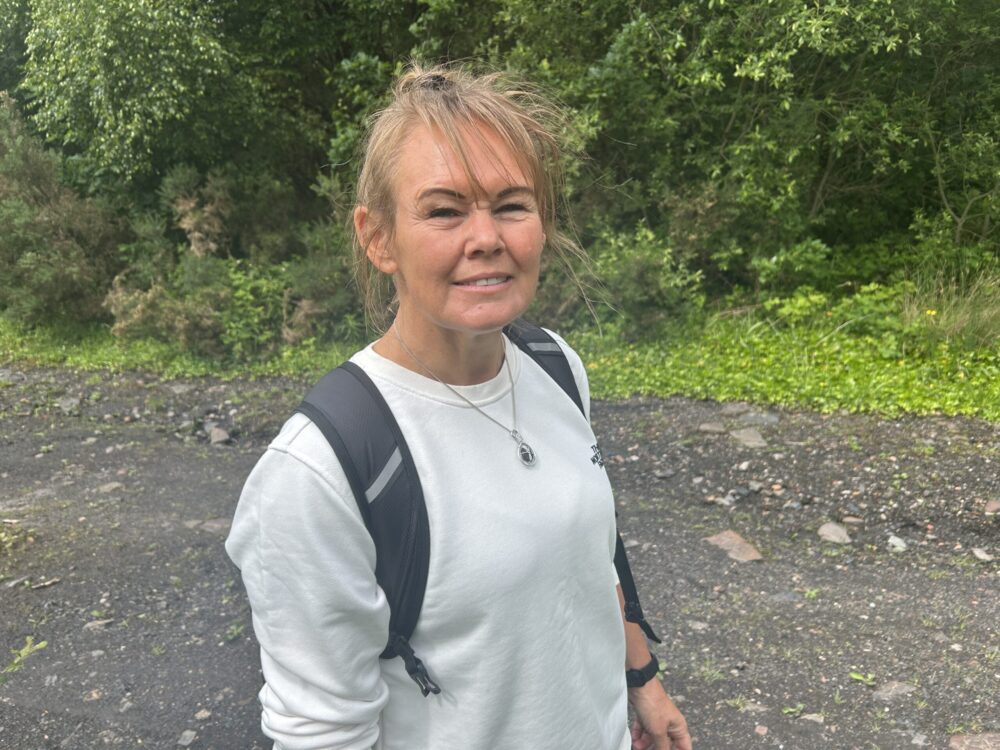
Heidi Magro, from Cwm Dare attended today’s event because she is interested in nature and ‘wanted to learn more about Wales and the environment we live in. I spent many years traveling overseas and always went to see places of interest and then came home and thought we need to see more of our local area. I’m often up the mountains and normally do solo walks, to the waterfalls, and just love nature, feel at peace in nature.’ As a nurse who works in nearby Mountain Ash, Heidi believes that being in nature is healing and restorative. ‘You feel at peace. It calms the nervous system, lowers the blood pressure, educes anxiety so it should definitely be on prescription.’
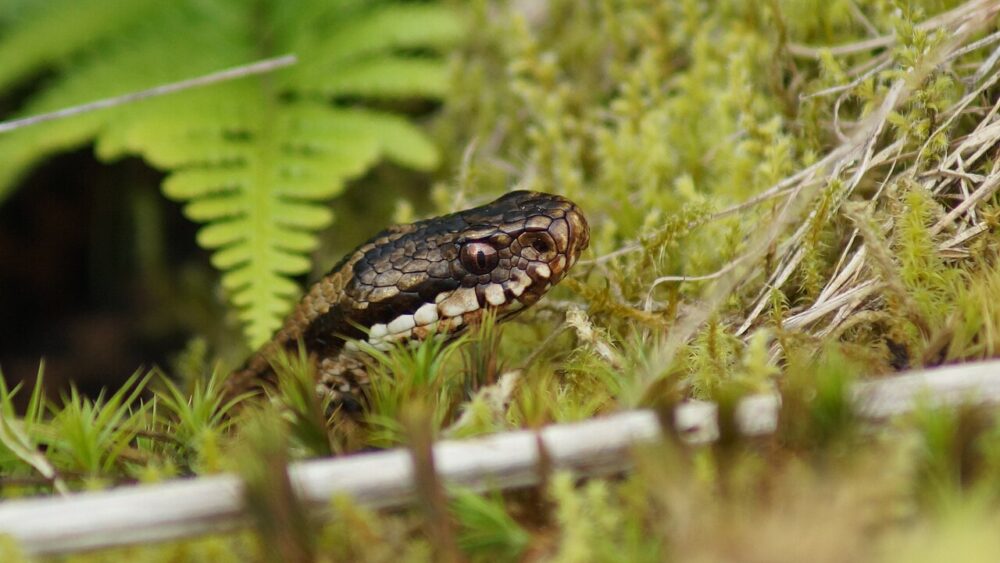
Some years ago, I encouraged folk across Wales to keep nature diaries for a book called ‘A Year in a Small Country,’ one of whom was William Condry, who also wrote the Guardian’s Country Diary for many a long moon. He described an encounter with an adder in the spring, which served to underline Bill’s gentleness and empathy with nature.
He recounted an encounter with three adders, two males beautifully patterned in silver and black and a coiled, reddish-brown female which proved to be perfectly approachable, more like a wood carving than a living snake: ‘Gingerly I bent over her and after long hesitation, because I am no snake charmer, I dared to touch her head very lightly. She did not react in any way. Then very slowly I stroked her head.’ Bill then caresses her throat and it isn’t until he ‘strokes her back all the way from the head to the tail that she decided it was time for her to go, which she did slowly as if in a dream, leaving me grateful to have experienced such a rare encounter in the wild.’
The walk was one of a series of events organised by Glo i Natur which have been supported by the Pen Y Cymoedd Wind Farm Community Fund.

Jon Gower is Transport for Wales’ writer-in-residence. He will be travelling the breadth and length of the country over the course of a year, reporting on his travels and gathering material for The Great Book of Wales, to be published by the H’mm Foundation in late 2026.
Support our Nation today
For the price of a cup of coffee a month you can help us create an independent, not-for-profit, national news service for the people of Wales, by the people of Wales.
Get more trusted Welsh news
Choose Nation.Cymru as a preferred source in Google News to see more of our journalism.


