


Making Tracks: Milford Haven
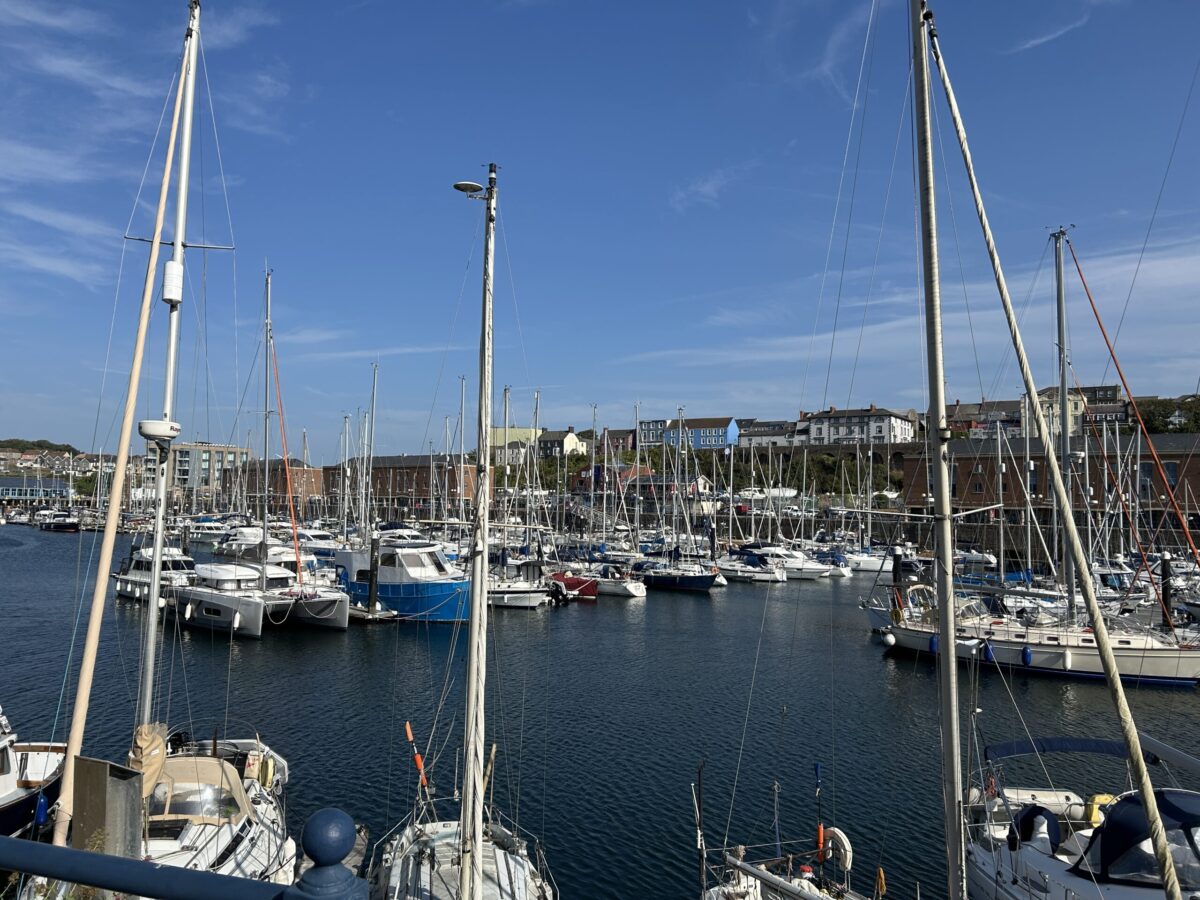
Jon Gower visits the UK’s biggest energy port which is also thriving as a tourist destination.
When Rob Nichols’ fishing family moved to Milford Haven from Lowestoft via Cardiff four generations ago they were not so much putting down roots as dropping anchor.
‘My grandfather worked in the Haven from the 70s onwards, then my father, Tony, worked here as a senior coxswain from the mid 70s until he retired in 1998.’
The following year Rob started work in the Haven and is now a superintendent with the Port of Milford Haven, looking after the technical side of its pilot boats.
He’s seen a few changes since he was a lad. ‘I can remember the days going to school when I could smell fish from the docks in Milford. I used to walk across the dock and there were trawlers everywhere.’
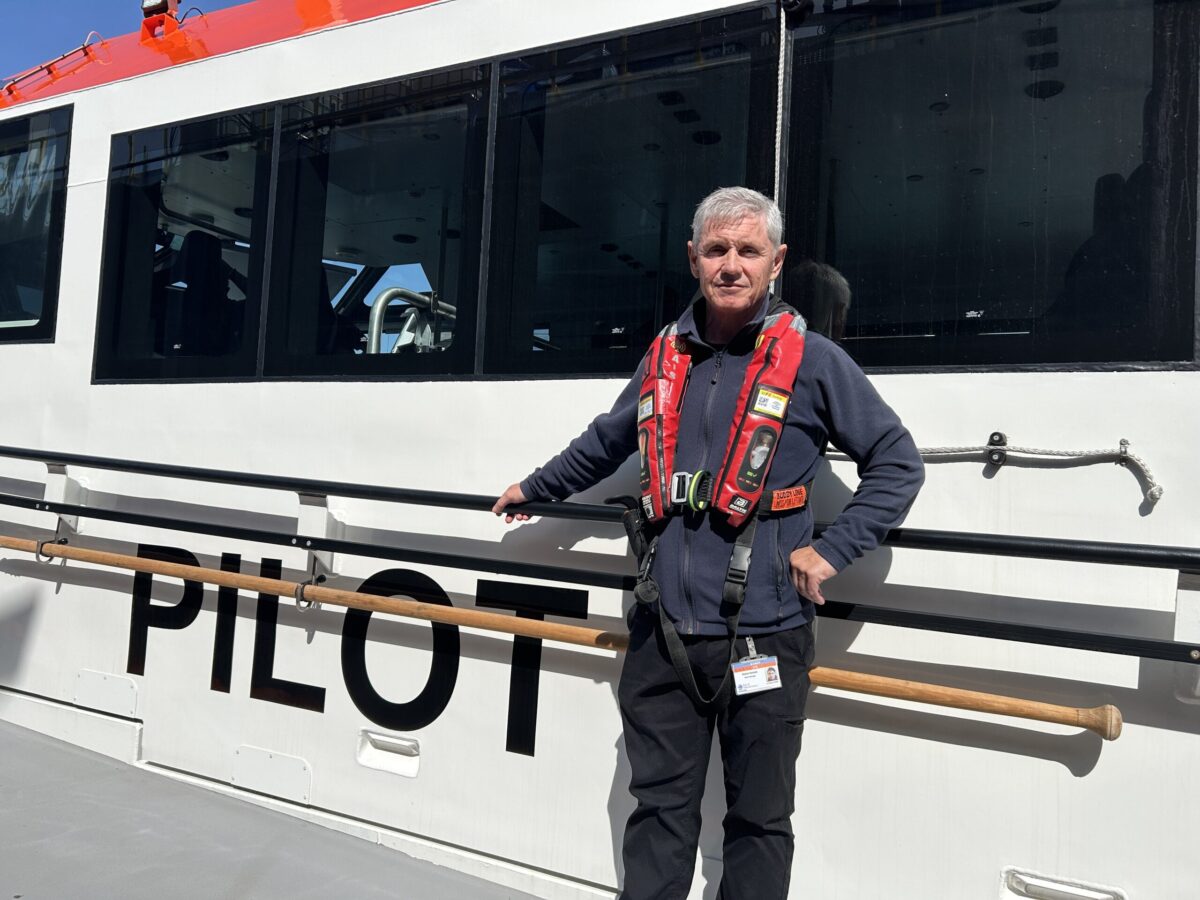
Rob left school at sixteen and started a training course with the Sea Fisheries Authority, before studying for a year in Falmouth College before returning to work on the Milford trawlers. The day he received news he had a new job in the Haven was one of the happiest in his life.
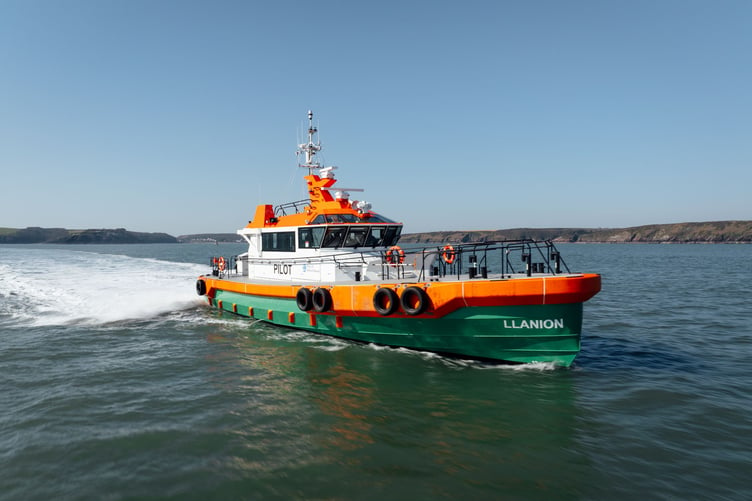
He now works on the boats that transport pilots from land and the inbound or outbound vessels that are visiting this busy Pembrokeshire harbourage. There is a quartet of such boats, with the Picton, the Skomer and the St Davids now joined by a brand-new vessel built in the Netherlands called Llanion.
Rob tells me about its features with discernible pride. ‘It has superior technology, not just the jet drives and the the power but this boat is more manoeuvrable than any vessel we’ve ever had. You can come sideways with this boat and it can stop with just a boat and half’s length, which is quite unusual. When I came here there were single screw boats, then twin screw boats and now we’ve got jet propulsion. The whole point is to get the pilot on the ship safely and efficiently and this new boat can work in all types of weather. The bigger the platform, the more power you’ve got: it makes everything easier.’
Rob tells me about the pattern of his working days: ‘The day is governed by the shipping. In the summer we see a a lot of leisure users enjoying the waterway alongside the large vessels, then in the winter we tend to be busy every day with commercial traffic. We have to make sure the pilots and the boats are in the right place.’
In geological terms Milford Haven is a ria, a drowned valley flooded at the end of the last Ice Age. This gargantuan glacial melt helped gouge open one of the deepest natural harbours in the world.
When Lord Nelson visited in 1802 he was of the opinion that it was a waterway second only to Trincomalee in what was then Ceylon.
Rob concurs with the distinguished admiral. ‘We have deep water and shallow water.’ It’s not all plain sailing, though, as Rob explains. ‘We have an area we call the Bongoes, when you’re going from West Blockhouse to St Anne’s Head. You get the backwash off the rocks. The swell hits the mid-channel rocks, turns and then hits the rocks, so you’ve got swell coming from all angles, so the boat is going this way and that. Once you get to open sea it gets a bit more predictable.’
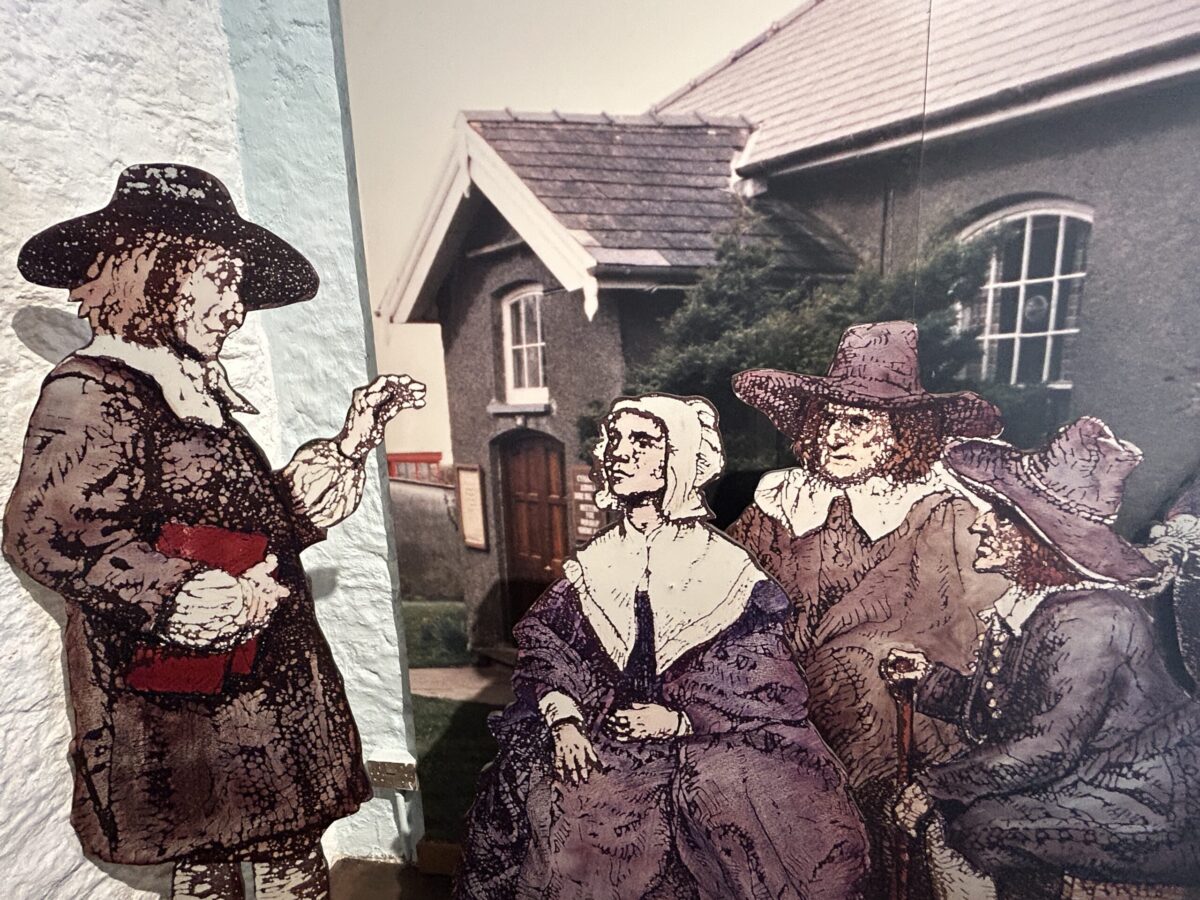
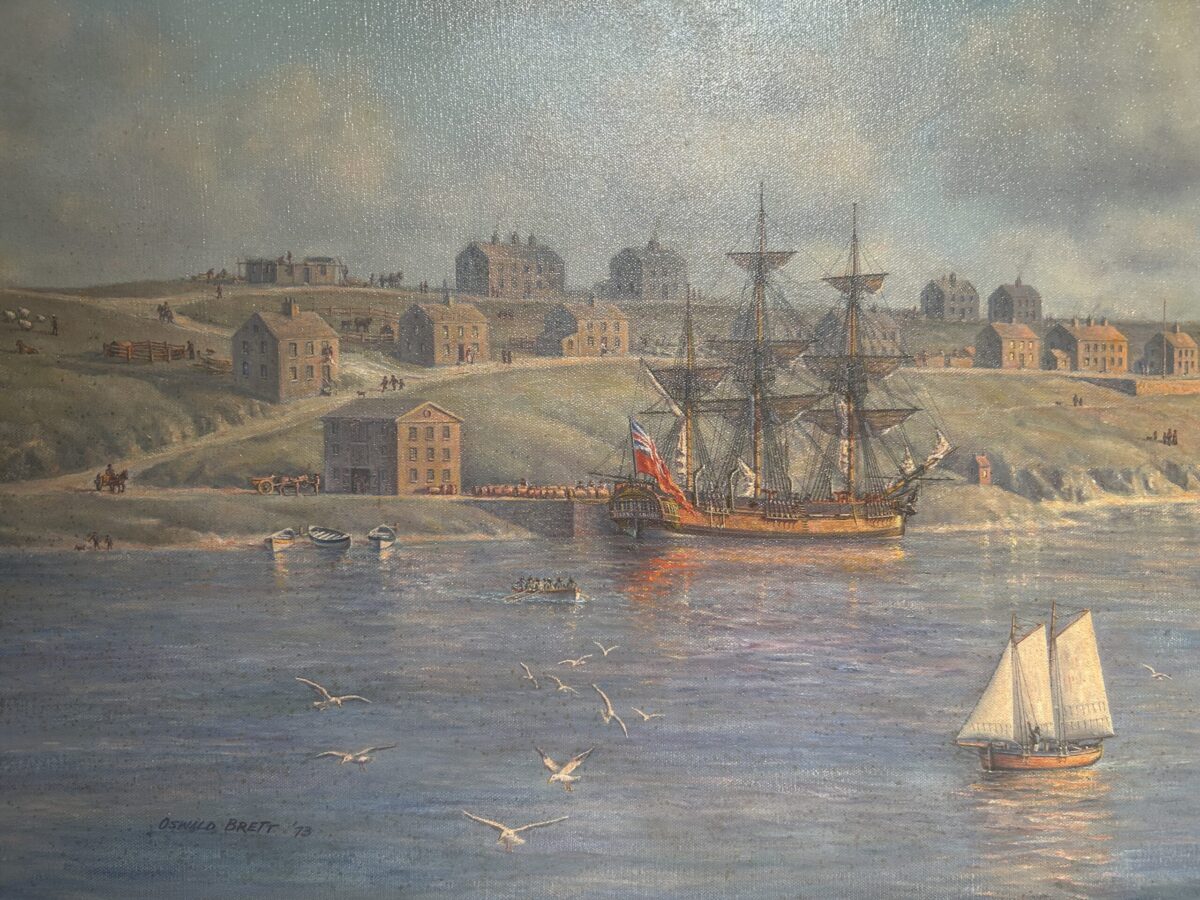
Over the centuries Milford Haven’s history has been through many distinct phases, including a period of whaling, organised by Quaker families such as the Folgers and the Starbucks from Nantucket.
They arrived here in 1792, drawn here by British Government incentives in what was already a profitable industry producing whale oil and blubber.
Fishing then became a major employer. In 1904 a fleet of 200 fishing boats worked out of here. In 1908 they opened a fish market which connected with the railway, allowing Milford Haven to become the biggest herring port in England and Wales.
In 1924 a staggering 124,000 barrels of fish were landed here and by 1930 no fewer than 12,300 men were employed in the fishing industry. By 1946, they were netting enough fish to break their own records, an annual haul of 60,000 tons.
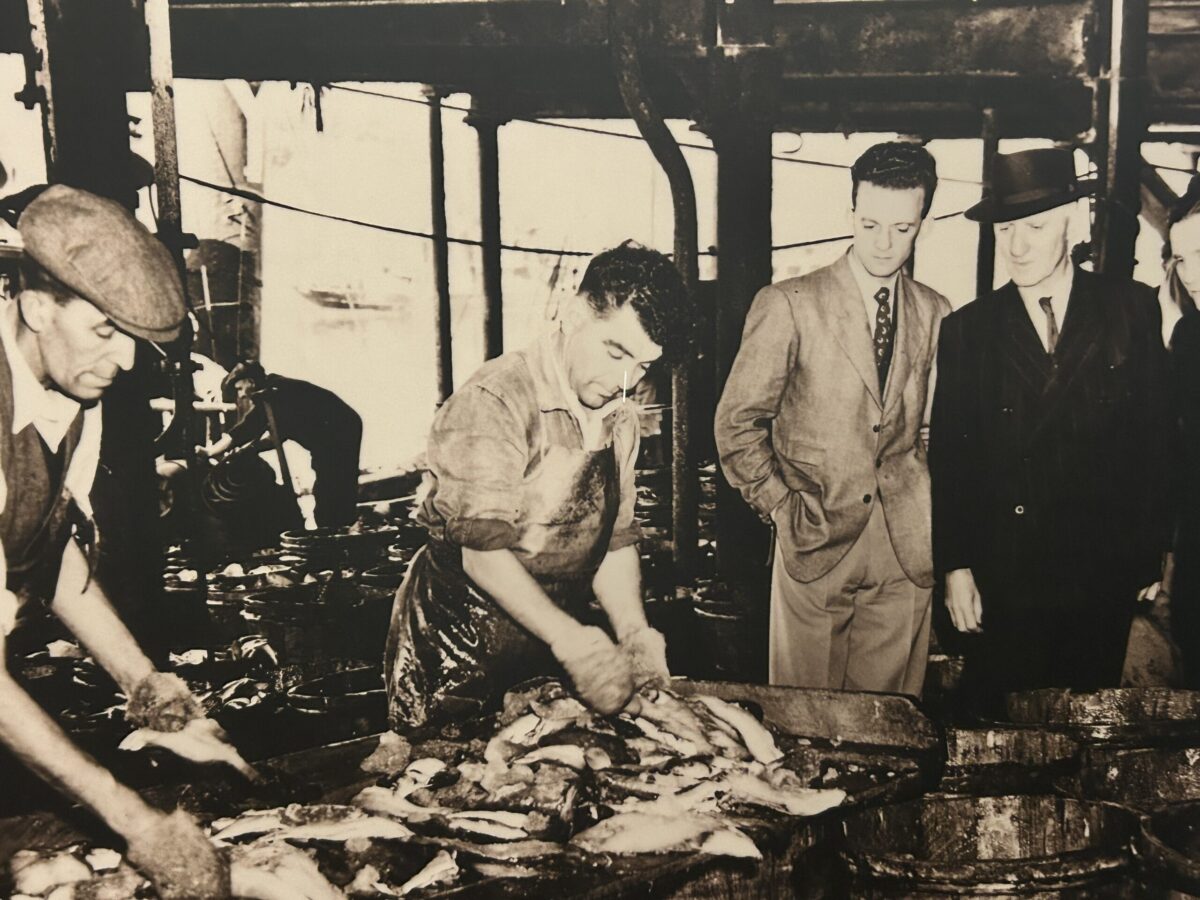
The indefatigable writer, H. V. Morton captured the spectacle of fish being landed here in his travelogue In Search of Wales, published in 1932: ‘It is a great sight to see the trawlers come in heavy with their catch. There are about 120, some of them the largest and most modern fishing-vessels in Great Britain. They come steaming up the magnificent harbour, sometimes in small companies. They have been out, perhaps, a week or a fortnight. Their crews have not had time to shave. They climb about the decks in great sea-boots.’
Morton goes on to describe the spectacular catch, with men working all night sorting and washing the fish. In the morning the buyers arrived and by ten o’clock special trains would be steaming out of Milford Haven, fully laden with silvery cargo bound for the markets of London, Manchester and Cardiff.
Local historian Phil Carradice well remembers that hey-day of fishing, in particular that of herring. ‘My first teaching job was in Milford Haven and the children’s fathers, were away for four or five weeks at a time because they were out at sea.’
Today the Port of Milford Haven has reinvented itself once again, transforming into the UK’s biggest energy port, with some 2000 commercial vessels arriving annually. Two former oil refineries have now become terminals built to receive, store and re-gasify liquefied natural gas shipped from places such as Qatar with energy demands in the winter leading to increased traffic of tankers.
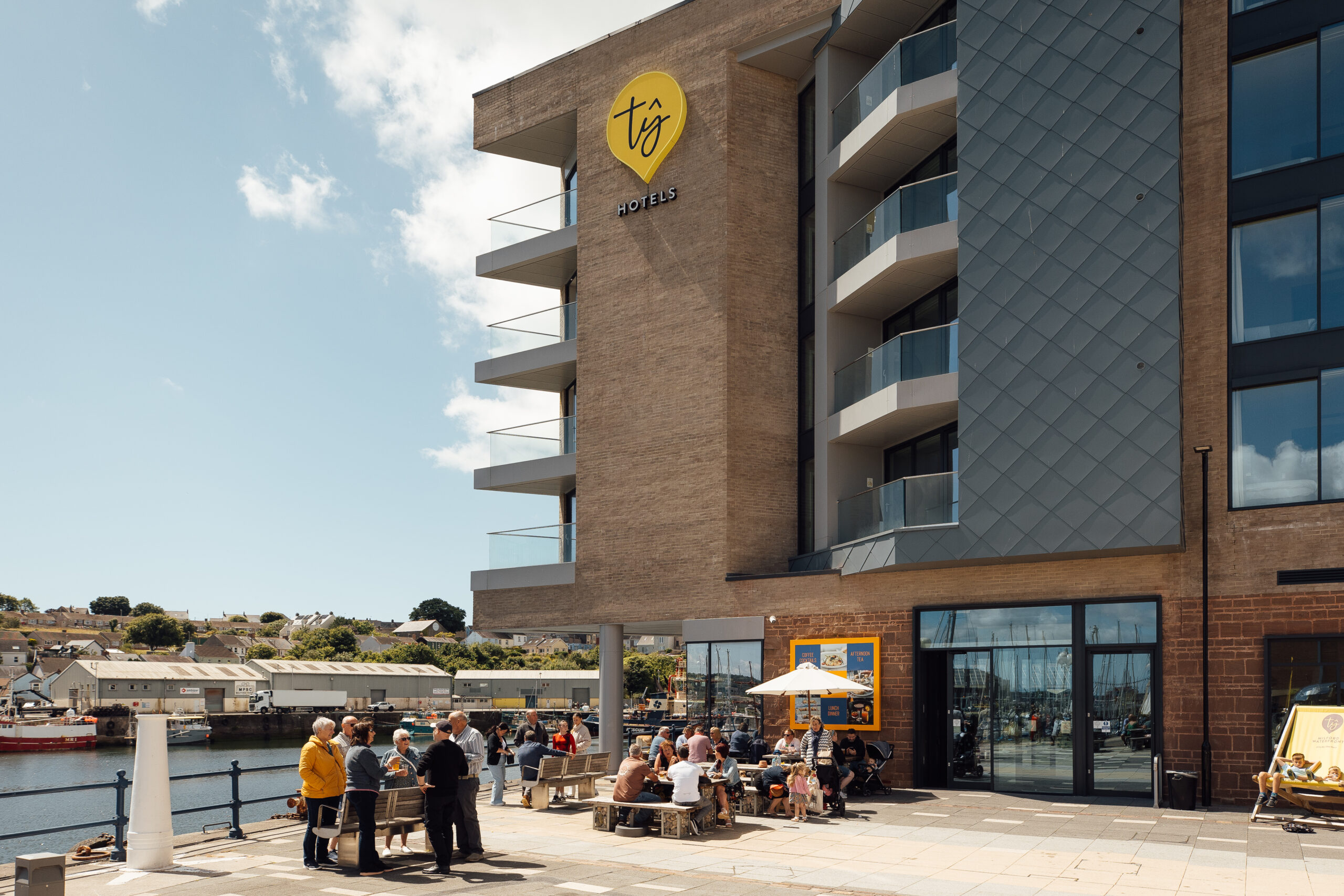
And there have been quieter changes too, as the waterfront has been evolving into a tourist destination with Tŷ Milford Waterfront Hotel as one of its cornerstones. It’s a thoroughly modern yet atmospheric place to stay. The view from my third floor window included the St Davids pilot boat moored alongside the hotel and a stretch of unruffled water filling a working dock.
Cathryn Williams, communications and marketing executive with the Port of Milford Haven explains that in the past ten to fifteen years there’s been a real spurt of tourist development, putting Milford Haven well and truly on the visitor map.
‘Typically people who come to Pembrokeshire don’t think of Milford Haven – they go to Tenby, St.Davids or Fishguard but we’ve got a real drive to get people to know about Milford, whether they come for a morning, afternoon or stay overnight at the four star hotel. We’ve also got four floating cabins each designed for two people at one end of the marina where you can sleep moored among the boats while there are family rooms at the hotel.
‘We’ve got onwater activities such as paddleboarding and kayaking at Milford Beach Activity Centre while there are also lots of things you can do such as bowling, soft play and a full calendar of events including a food festival featuring local producers. We link to the Wales Coast Path as well.
‘There are new shops opening here all the time and people see it as a bit of a foodie destination. We’ve got Martha’s Vineyard restaurant which is very much fish-based, plus The Harbourmaster and Dulse as well as various cafes so they all try to do something different while The Old Rectory has just expanded.’ A cursory look at the various waterfront menus shows that anyone looking for seafood will be more than satisfied, with a salty array of fare which includes traditional haddock and chips and dressed crab salad, along with more exotic items such as tempura prawn tacos, spiced whitebait and an Indonesian monkfish curry.
Cathryn also enthuses about Milford Museum, which turns out to be a real gem. It’s a place full of engaging displays with model boats and diving suits, marine dioramas and dangerous-looking sea-mines.
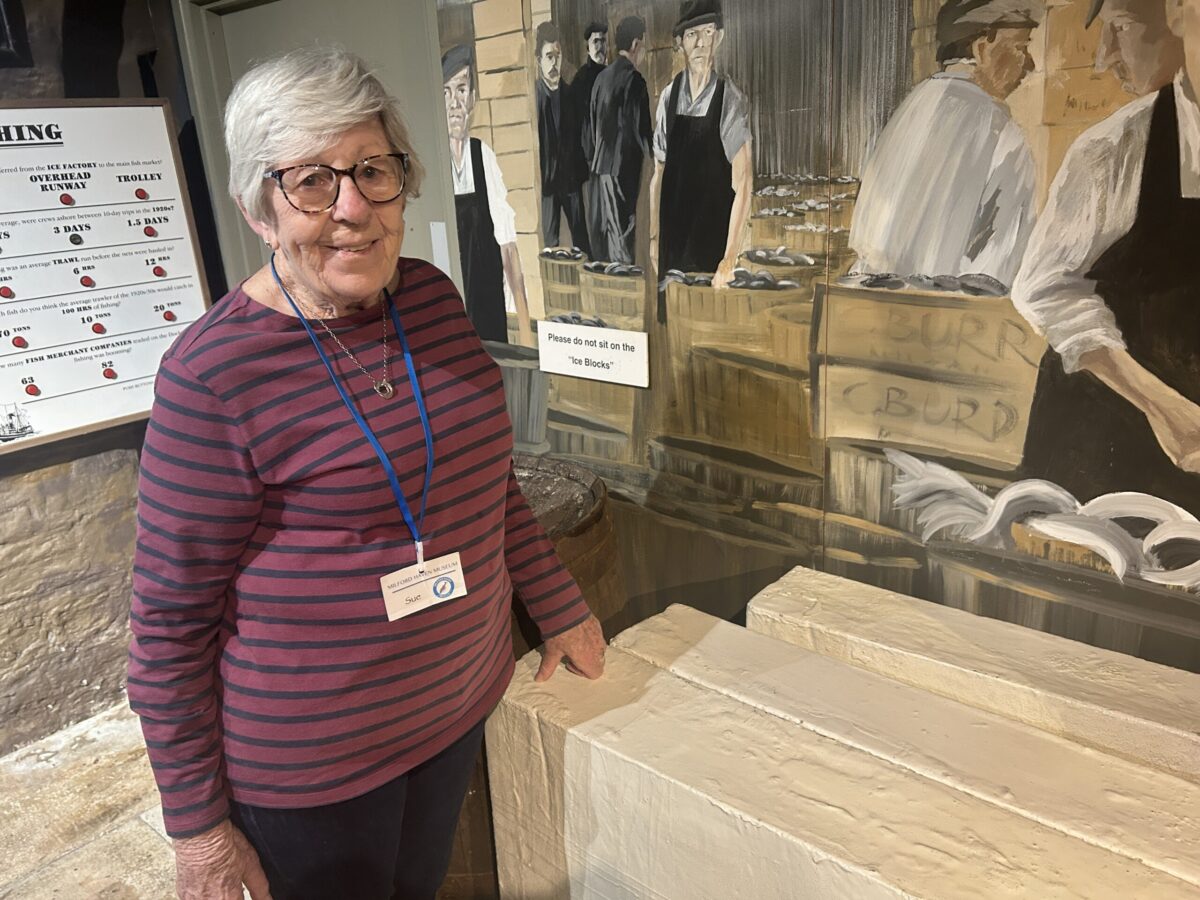
Sue Kenny has worked at the museum for fifteen years as a volunteer and also as a trustee. She guides me around the museum set in what used to be the Customs House which was once used to store whale oil.
‘This is probably the oldest building in the town and was created when the owner of the land decided to turn it into a dock. He had the bright idea of inviting a group of whalers from the east coast of America over at the end of the War of Independence. Because they were Quakers, and therefore pacifist, they wouldn’t fight in that war and so were having a hard time.
‘The idea of setting up a depot here was quite attractive to them. Many of them would be coming back as they had migrated from Britain anyway. They worked in the southern oceans whereas most of the European whalers tended to go into northern seas. They processed the oil here because the government had agreed to their coming over and so received tax on the business. It was a short-lived affair, lasting some thirty years when coal came in to to replace whale oil and gas was used for street lighting.’
One of today’s visitors in the museum has come from America. Originally from Texas, Julian Ingram now lives in Crete and had travelled over for a family birthday.
As the great nephew of Fred Ingram, who owned Miford based fishing trawlers Julian is delighted to see a photograph of his great uncle.
Fred Ingram was awarded the Distinguished Service Medal after his vessel struck a mine in World War One. Despite being taken down by the ship’s suction, Fred Ingram managed to swim to the surface and spent four hours in the water before being rescued.
When Sue Kenny was a child in the 1950s she remembers the docks being busily full of fishing boats. ‘The whole of this side of the dock was the fish market.’ There were many workers in the braiding sheds, making fishing nets, with over 70 women employed in the main Braiding Room before the Second World War.
‘Their hands absolutely flew, they were so good at it. They said that for every man who went to sea fishing there were ten ashore in supporting trades.’ So, in addition to the fishermen out at sea there were many employed in attendant occupations – shipwrights, ship-repairers, blacksmiths, riggers, painters, ice-makers, foundrymen, carpenters, sail-makers, tugmen, plumbers and so-called ships’ husbands, who mended things and provided supplies.
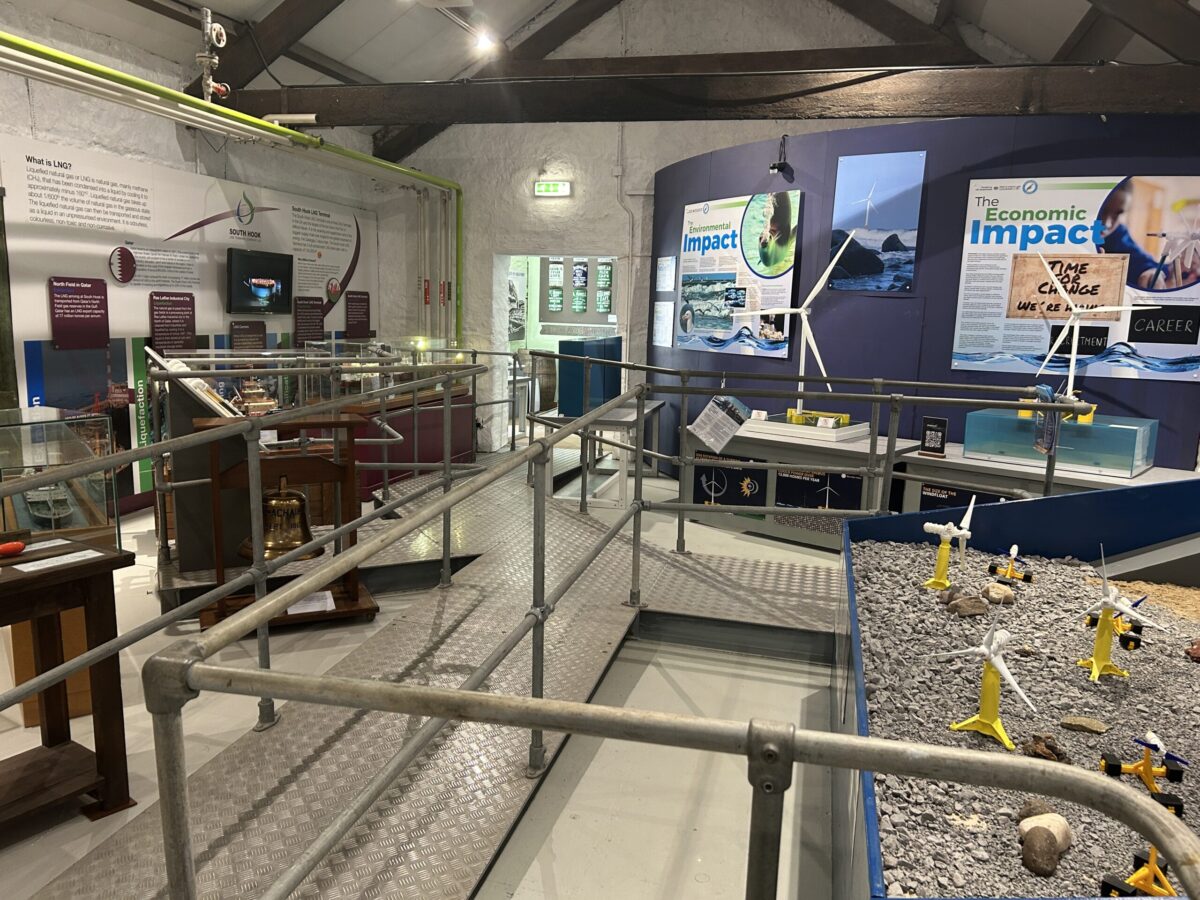
Milford Haven’s long and deep connection with the sea very much continues today with vessels arriving each day from all over the world.
I check today’s list of arrivals which includes two tankers from Antwerp and others from Escravos in Nigeria, Las Palmas in Spain, Kaarstoe in Norway and one from Freeport in Texas, as well as Irish Ferries’ The Isle of Innisfree sailing from Pembroke Dock bound for Rosslare.
The sea seemingly connects us all, or as John F. Kennedy once put it: ‘We are tied to the ocean. And when we go back to the sea, we are going back from whence we came.’

Jon Gower is Transport for Wales’ writer-in-residence. He will be travelling the breadth and length of the country over the course of a year, reporting on his travels and gathering material for The Great Book of Wales, to be published by the H’mm Foundation in late 2026.
Support our Nation today
For the price of a cup of coffee a month you can help us create an independent, not-for-profit, national news service for the people of Wales, by the people of Wales.
Get more trusted Welsh news
Choose Nation.Cymru as a preferred source in Google News to see more of our journalism.


