


Making Tracks: Neath
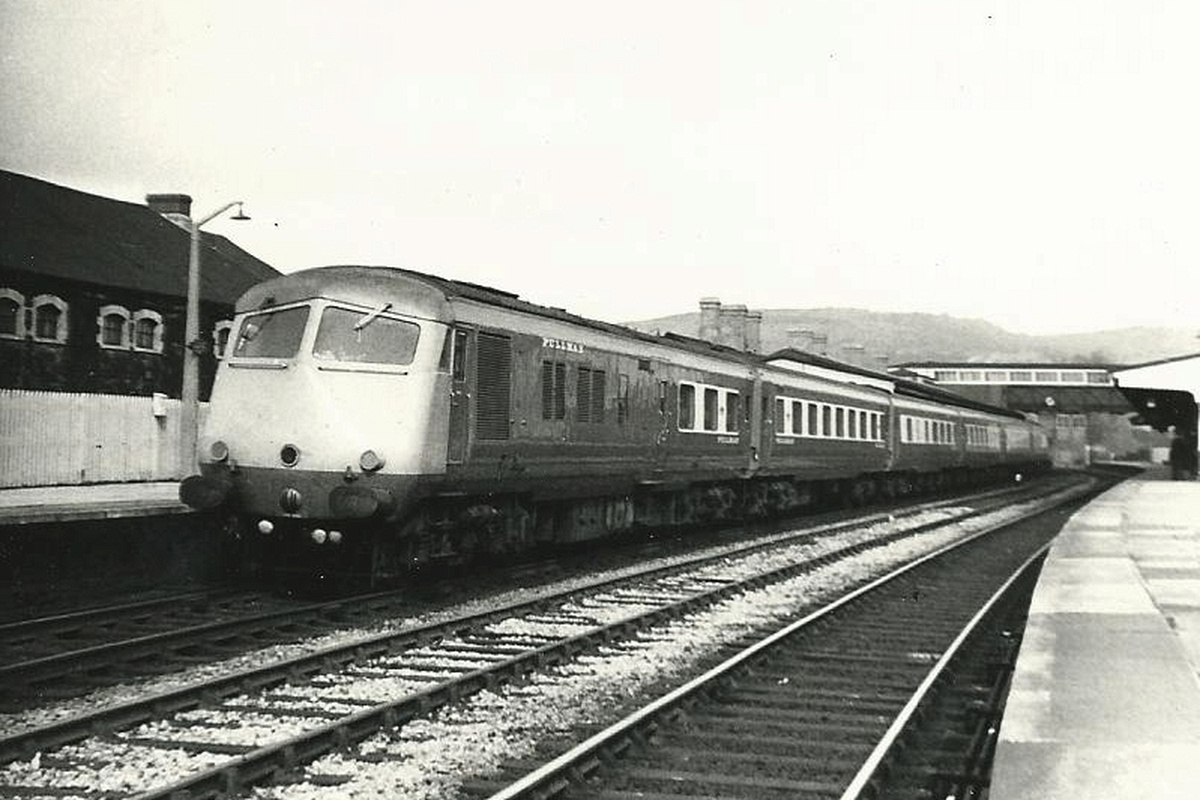
Jon Gower meets retired railwaymen who share memories of the day a penguin appeared on the platform and a hair-raising account of being stuck on a runaway train.
Raymond Roblin was straight out of school when he started work as a lad porter at Neath Station in July 1961.
‘I was 15 years old. You only worked mornings and afternoons because of your age. I worked there for three years at a time when there were 42 staff, which sounds incredible now. You had the stationmaster, you had the clerks, you had the assistant stationmaster.
“The main stationmaster was ex-Great Western, a really smart man, Mr Humphrey, while the down platform for Swansea had an assistant stationmaster. And there were four inspectors on different shifts in charge of the porters and the parcels office. It was very, very busy.
“Before the “named” trains arrived – the Pembroke Coast Express, the Capitals United Express from Paddington to Swansea, the Red Dragon from London to Carmarthen and the Saint David – the stationmaster came out in his Great Western Railway uniform. He was about six-foot-four tall. Talk about smart. But of course, it was all in steam in them days. And then the diesels came in.’
Memory can be a liquid thing. Raymond recalls: ‘When I became 18, I became an adult porter, three shifts, and then I moved to the Neath and Brecon Yard as a shunter. We used to shunt Evans Bevan Brewery twice a week, taking empties in, because the owner had private mines everywhere. Because we were shunting his coal, we were allowed to go to the tap room to have free beer. There was no limit: you could have what you wanted. I shunted it for a year and then became a goods guard on the Neath and Brecon. We used to go up to Graig-y-Nos although the line from Graig-y-Nos up to Brecon closed in 1961.’
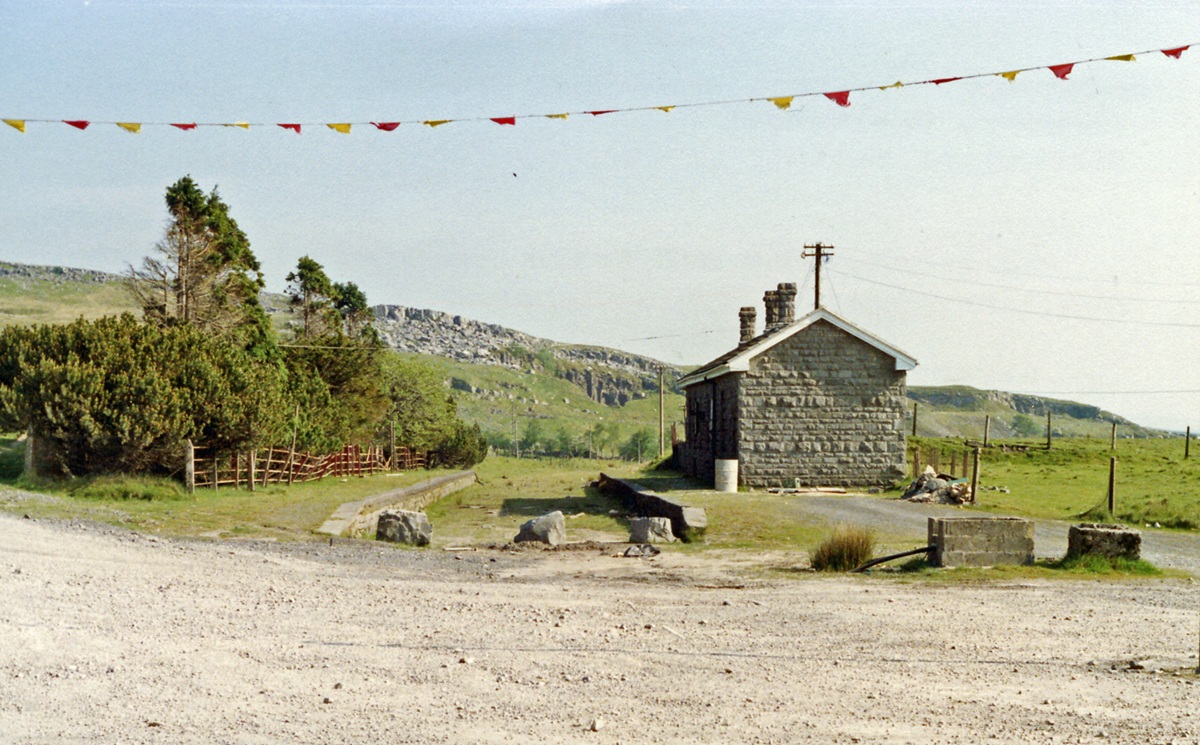
Graig-y-Nos was a very isolated stop. ‘Madame Adelina Patti had a private waiting room there, with a chaise lounge and everything. She was the diva, the Shirley Bassey of her day. And she was very, very popular, earning £5,000 a concert, apparently. The staff up there absolutely loved her. And she had her own personal coaches, given to her by King George.
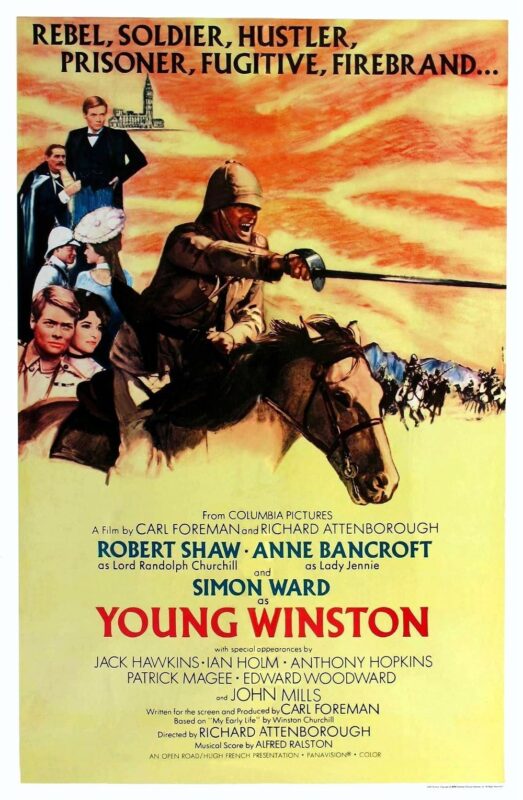
“They filmed Young Winston up there. They filmed the battle scenes, supposed to be South Africa, and they had the steam engines and an armoured train. They hired a guard and a shunter and I was the guard. We had actor Edward Woodward in the van. The director Richard Attenborough had a habit of calling everybody darling. They were in my guard’s van and they were drinking my tea and all.’
There was another experience that might have felt like being in a movie, something starring Adam Sandler perhaps.
‘There was the day we saw a penguin on the platform at Cadoxton Halt. The bird had been taken from the nearby Penscynor Wildlife Park. A schoolboy, visiting the place, had seen this baby penguin and put it in his duffle bag. He took it home where, needless to say, his parents went berserk and told him to take it back. The boy lost his nerve and instead of taking it to Penscynor he decided to abandon it on the platform.’
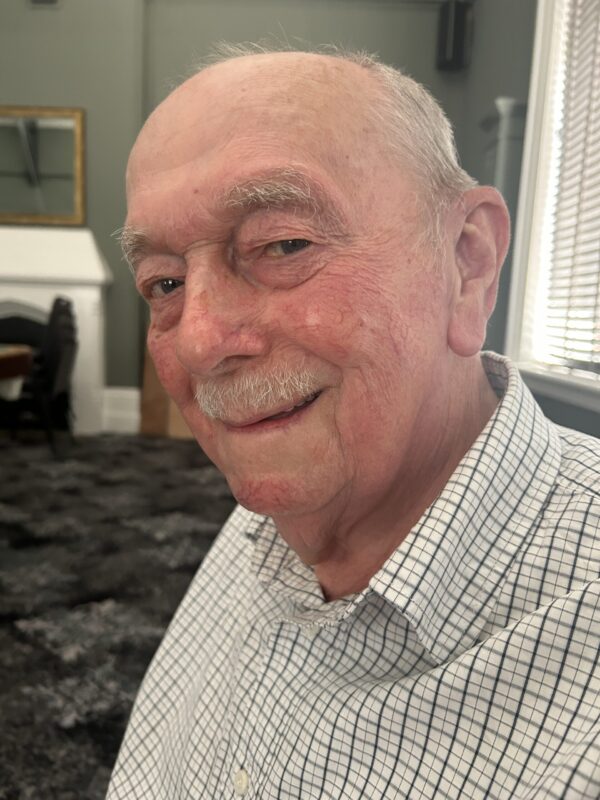
Another of Raymond Roblin’s experiences sounds like a movie in itself.
‘I survived a runaway train from Crynant down to Neath Abbey. It was a catalogue of errors. The trains we used were all loose-coupled. You lifted a brake out of a ratchet and pinned the brake down and clamped the pin through. The normal load was about 40 loaded wagons: 800 tons of coal and a 127-ton engine on front. When the driver started moving you pinned the brakes down until the driver blew, the idea being that you pulled the train down the valley.
‘So you pinned about half the train, about 20 loaded vans, and then the driver would blow and tell you that’s enough brakes. So I got back on the guard’s van and waved to the driver to tell him we were back on the van. But on this particular day, they stopped us in Crynant, which was very unusual. But there was a train coming up and he was running late. Crynant had a slight gradient, so I thought the driver would blow for me to go and lift a couple of brakes up to get it started.
“But he didn’t blow, he just pulled away when we had the road. Unbeknown to me, the fireman had got off and lifted about six or seven brakes up but when the train started going, he didn’t pin them back down. And of course, I was in the guard’s van, 40 wagons back. And off we went. We went over the top at Crynant – it was a very steep descent into the old colliery in Cefn Coed, or Blaen Nant, as it was called then. And the air brake failed on the engine. The air had completely gone. The lineside speed was 25 miles an hour. We were doing about 40.’
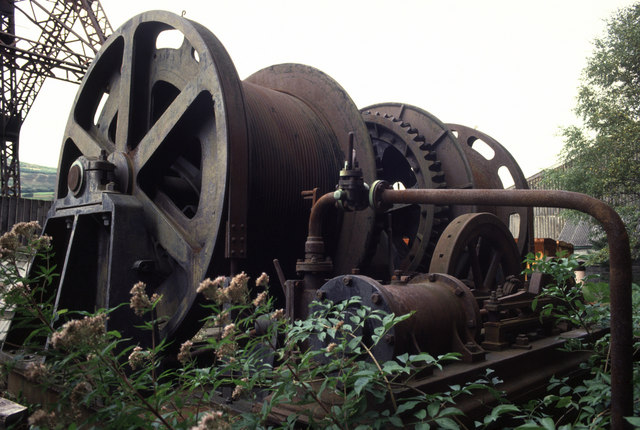
The problem now accelerated. ‘The driver was Dick Jones, and all the guards used to call him Mad Dick. He liked to give the engine a lot of welly. When I looked through the side window, I saw a red flag being waved off the engine and knew, straight away, we were a runaway. I slammed the brake on the guard’s van but by then we were away. I thought, what the hell are we doing? If they turned us into the yard at the Neath and Brecon, which was our destination, it would have been mayhem, absolute mayhem.
‘We went through Cilfrew doing about 40 miles an hour, and there’s a very sharp curve opposite the old Cadoxton School. We went through there, and I knew we were in serious trouble now. Thank God there was a relief signalman and he had set the road for us on the main line. We went through the yard, according to Dick, doing 45 mile an hour.
‘It was September, and Neath Fair was on and the tide was in. It was a five-mile-an-hour speed limit through Neath Riverside Station, the old station. We went through there doing about 40 miles an hour. And the signalman in Neath Riverside Box said it was like the water chute at Porthcawl Fun Fair on a grand scale. But that did us a favour: the brakes I had pinned down started binding again because the water had cooled them all off.’
The runaway train finally came to a stop near Neath Abbey, the best part of a mile from where they should have eventually stopped.
‘And the amazing thing was the silence after. There was just a haze of blue smoke going up into the air. And the silence, you know. And then the driver and fireman came back to see if I was still on the train. Because guards in such situations had a tendency towards jumping off if they could. I had stayed on the train, running back and forth on the veranda looking for some nice bushes to leap out onto but the telegraph poles were passing like a fence. I didn’t fancy the leap so I stayed with the train. It was a terrifying experience to say the least. God, we were very, very lucky.’
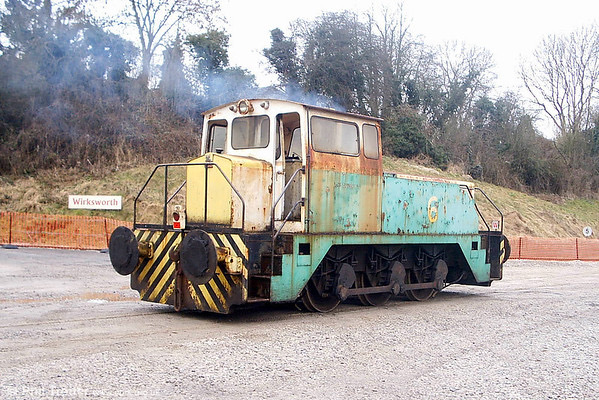
Some railway dangers had everything to do with the nature of the cargoes being moved around.
David Roberts worked in the oil refinery in BP Llandarcy, to the west of Swansea. This was the UK’s first large-scale oil refinery, initially constructed by the Anglo-Persian Oil Company. It wasn’t named after an early saint but rather after company founder William Knox D’Arcy.
David recalls: ‘I did about five or six years shunting there, driving, loading railcars, offloading railcars. They used to distil crude oil into the various products. You’d have the various liquid gases – propane, butane, methane – then you’d get the very light liquids, like petrol, which is a common name, but it was always wood spirit in the early days. Kerosene and gas oils. And then you had the slightly heavier ones, the fuel oils, waxes, lube oils. An incredible range of products.
‘The working environment in an oil refinery, you’ve got gas everywhere, you’ve got oil everywhere, the last thing you want is sparks from coal-fired locomotives, which could cause a major hazard. And safety was like 101 per cent. No risks were taken. They had these fireless locomotives, basically a steam drum. They were used in the refinery area itself. In the exchange sidings, they had the normal coal-fired steam engines.’
David’s job involved lots and lots of short journeys.
‘Being a shunter was a bit of an art. It was a bit like a game of chess. You always looked a couple of moves ahead. We would pull wagons in, separate them for offloading. We used to get oil trains running in from places such as Gainsborough in Lincolnshire. Empty cars would be filled with pure oil for places like Llanwern, Aberthaw, Didcot Power Station, they were the regular ones.’
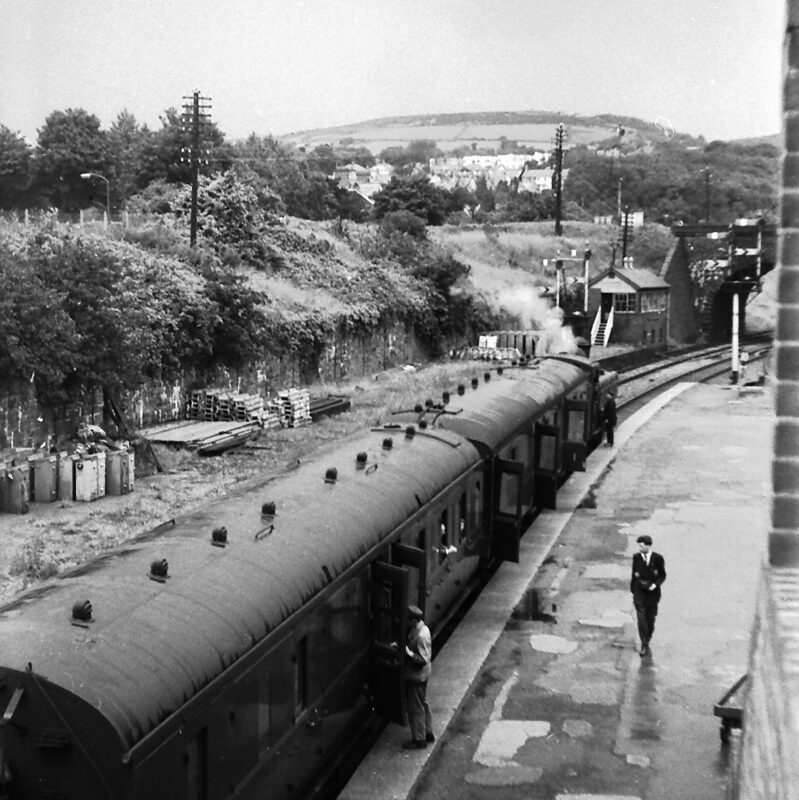
At one time Neath had not one but four stations and, together with associated radial lines serving local industries, they were hugely significant employers. Entire families had long and multiple connections with the railways.
Gerald Williams’ great-grandfather worked as a ganger in Neath between 1880 and 1900 until he was killed by a passing train, while his maternal grandfather was a signalman at Neath Engine Box between 1880 and 1925.
Gerald’s paternal grandfather John transferred from Neyland in Pembrokeshire to fill a vacancy as a driver at Neath Steam Shed in 1898; by the time he died he had served 40 years with GWR and British Railways.
Similarly, Gerald’s father Albert retired in 1973 after 42 years of working for the same employers, while his auntie Blodwen worked as a porter at Neath Railway Station during the war years, from 1940 into 1946. Gerald himself started work at Neath Steam Shed in 1964 and then worked for over 40 years at Landore. Complete families were dependent on the railways and this might well apply to two, three or even four generations.
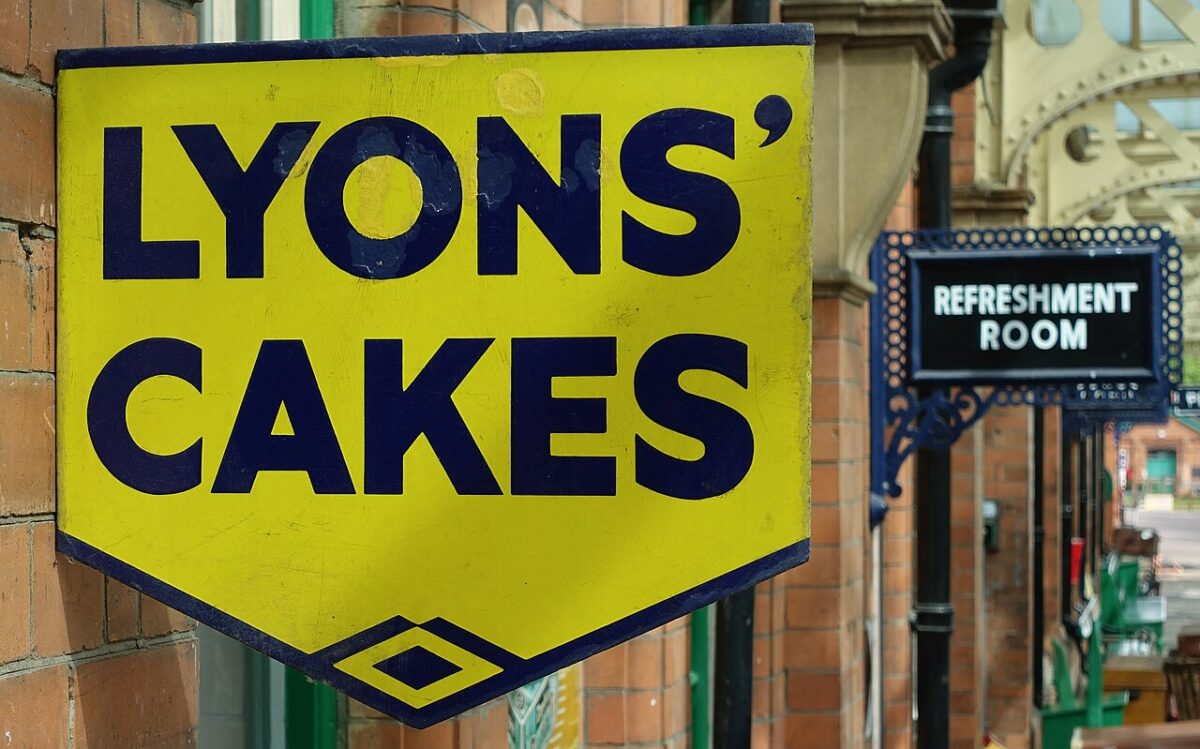
David L. Phillips started working on the railway in the late ’50s as a lad porter in Skewen Station, delivering parcels to the lower part of the village. He would push a two-wheel trolley downhill to Neath Abbey and uphill to the Longford Estate delivering parcels from various mail order companies such as Brian Mills and Grattan as well as supplying Lyons Cakes, cucumbers and flowers to various shops in Skewen.
After nine months he was promoted to adult porter, delivering goods such as half a hundredweight of frozen fish to Drymmau House Hospital. He would deliver goods until noon and would then work in the parcel office and issue tickets. His final job at Skewen was leading porter, taking in any parcels that came in, sometimes mischievously going to the Ritz Cinema next to the station in between train arrivals.
In 1961 he applied to be a guard, working out of Neath Riverside Station, travelling on the passenger trains to Brecon and the goods trains running from Cefn Coed and Seven Sisters to the coal washery at Onllwyn and visiting Abercrave to pick up coal to be washed.
He recalled: ‘There were about 38 signal boxes between Neath and Cardiff but when they opened the panel at Port Talbot there was just one.’
David moved over to Neath General in 1962, working on the Vale of Neath Railway.
‘I used to tell the boys I didn’t know what Aberdare looked like. I don’t think they believed me but we used to book on at 1 a.m. and travel to Aberdare which we left at 4 a.m., so it was always dark.’
One of David’s most vivid memories is of the very hard winter of 1962–63 when he worked the snow plough driven by two 57 class locomotives.
‘In places the snow was higher than the roof of my brake van.’
On the Neath & Brecon he worked the last passenger train on that particular line, when there were so many people on board that even his guard’s van was full. It was a significant moment, and David thinks something was lost with the end of the steam era.
‘When there was steam, the train staff worked as a team but it all changed in 1965 when steam finished: the comradeship seemed to be lost.’
That comradeship still exists, however, and comes to the fore on Wednesday afternoons in the Allan Leonard Lewis VC pub, named after a Neath-born soldier posthumously awarded the Victoria Cross for extraordinary bravery at the Battle of Ploegsteert, Belgium, in September 1918.
Here, in a very spacious hostelry, a convivial band of former railwaymen meet to watch films about trains, chat all matters railway and sup meditative, afternoon pints – every one quietly happy to be in such very good company.

Jon Gower is Transport for Wales’ writer-in-residence. He will be travelling the breadth and length of the country over the course of a year, reporting on his travels and gathering material for The Great Book of Wales, to be published by the H’mm Foundation in late 2026.
Support our Nation today
For the price of a cup of coffee a month you can help us create an independent, not-for-profit, national news service for the people of Wales, by the people of Wales.
Get more trusted Welsh news
Choose Nation.Cymru as a preferred source in Google News to see more of our journalism.


