


Making Tracks: Y Fali/Valley
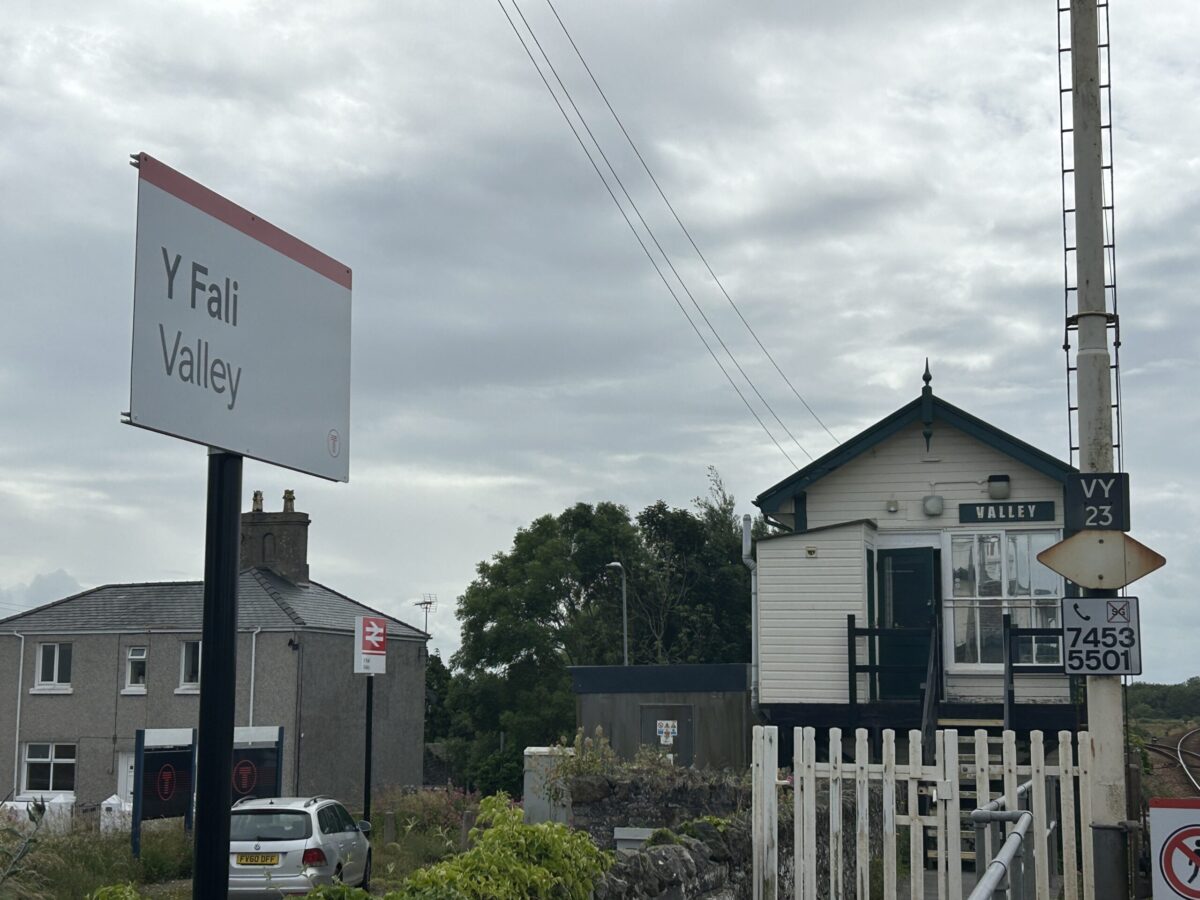
Jon Gower celebrates the return of one of the most secretive breeding birds to the reedbeds of Anglesey.
One of the most intriguing sounds in nature is the booming of the bittern, being the somewhat forlorn ‘song’ of this secretive bird of the reedbeds.
Described as something between a lowing cow and a distant foghorn, it was once a familiar sound in many marshy parts of Wales.
It was certainly sufficiently present to be the subject of a Welsh nursery rhyme, ‘Deryn y Bwn o’r Bannau’ while it was also named in medieval Welsh law as a notable quarry species along with similar targets such as crane and grey heron.
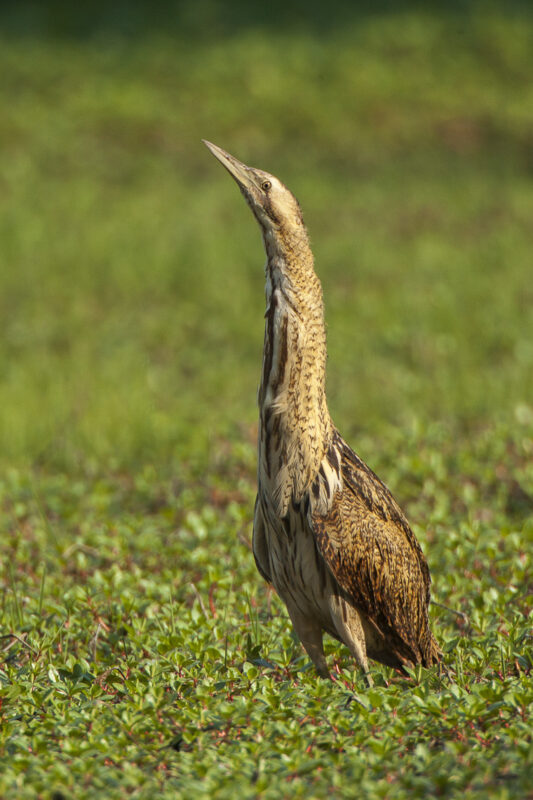
It is notoriously hard to see, what with its mottled buff, dark brown and black plumage which can resemble sun-streaks through reed stalks. It disguises in other ways too: when it draws in its long neck the bittern can look rather like an out-of-place domestic hen.
In the 1990s the RSPB started work on Anglesey to restore a breeding population as part of a wider Species Action Plan. It was a success, as Ian Sims, the RSPB site manager, Anglesey Wetlands & Islands, told me.
Since he started working at Valley Wetlands in 1997 the reserve has doubled in size, this in part reflecting the importance of a site which saw the return of the bittern to Wales: a conservation champagne moment. ‘Yes, a huge success!’ Ian avers. ‘Bittern became extinct from Wales in 1984, with the last booming male being heard in a little reedbed by Llyn Treflesg, now part of the present Valley Wetlands. The reserve was bought in 1988 to try to get them back but it has proved a very long road to get there! Although we would see bitterns in winter they were thought to be continental birds, and they would disappear in early spring when the reedbeds would remain silent.
‘It wasn’t until 2015 that the first booming male was heard. Since then numbers have increased and we now have about seven to nine males on Anglesey each year, six or seven of which are at RSPB Valley Wetlands and at Cors Ddyga. This year we have three at Valley.’
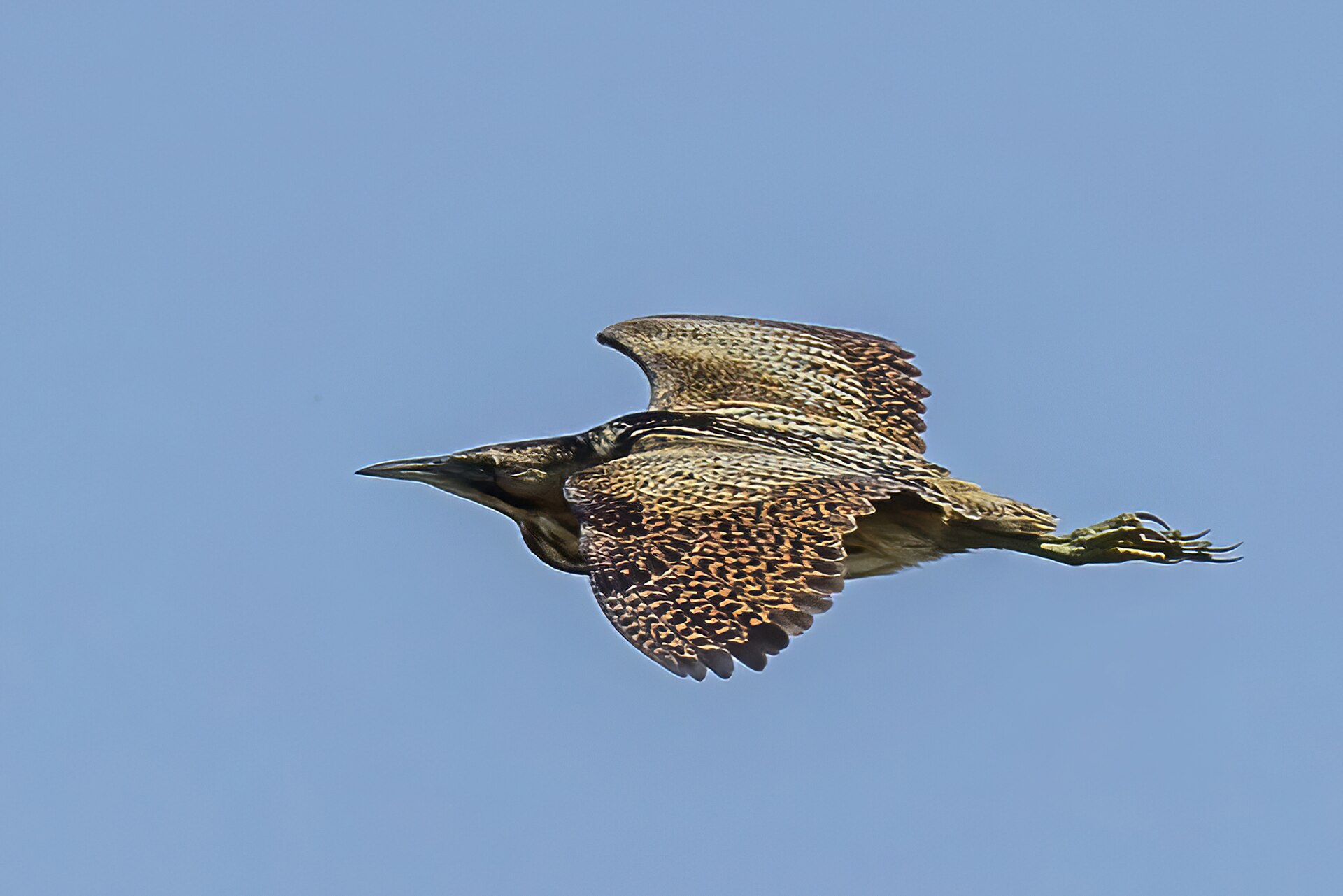
Counting bitterns is far from easy. They are secretive, skulking and magnificently camouflaged species, the male only breaking the silence to make its remarkable booming call which has the lowest frequency of any British bird call.
Unlike most birds, which generate sound through an organ called the syrinx, the male bittern produces its call by pushing air out from the oesophagus. It is tempting to make the analogy with, say, a bass-baritone singer such as Bryn Terfel, making rich, velvet sounds by pushing air out using his diaphragm.
The nineteenth-century English poet John Clare, who would have known the bittern by its local name, ‘butter-bump’, explained that ‘putting one’s mouth to the bung hole of an empty large cask & uttering the word “butter bump” sharply would imitate the sound exactly’.
Blowing over a bottle gives you some idea of the call’s timbre, although not of its intensity and range, which can be a few miles on a still day. As a child, John Clare was told that it came from ‘a bird larger then an ox that coud kill all the cattle in the fen if it choose & destroy the villager likewise’. However, ‘all the harm it did was the drinking so much water as to nearly empty the dykes in summer and spoil the rest so that the stock coud scarcly drink what it left’.
Ian Sims gave me some more reliable facts, Bitterns are counted as ‘booming males, as females and active nests are harder to find. The birds need areas of deep-flooded reedbed to nest in and plentiful fish, eels and amphibians to feed on. Because of this a key factor is “edge” habitat – lots of channels and pools fringed with reed so that they can creep about unseen in cover and feed on the fish in the deeper water.’

Surveying bitterns can seem like a sleep-deprivation exercise, or a good job for an insomniac. The received wisdom used to be that the best time to listen for the bitterns booming would be two hours before dawn, an anti-social hour.
Ian is happy to relate that ‘At some point someone relented and now the period is an hour before to an hour after dawn, although I try to start earlier. Our birds seem to be early risers. The first hour in the old days was spent sat near a reedbed in pretty much complete darkness. The second hour the light gradually came up until the sun rose, if you were lucky, and you would head off in broad daylight to carry on your day. To cover the whole reserve, you would need about three visits to different areas, and at least three visits to each area through the spring and early summer’.
This meant a minimum of nine pre-dawn visits. But they remained stubbornly unheard. In 18 years, Ian didn’t hear a single bittern. Not a squeak.
But rain has to eventually follow a dry spell and Ian’s drought of hearing a bittern’s boom on the reserve finally ended very early one day in 2015.
‘The morning of the first boomer, I arrived at Llyn Dinam and thought I heard something as I was getting my waders on at the car, still a kilometre from the lake. “Imagining things,” I thought. As I started walking I heard it again but I still wasn’t sure. I got into the field I had to cross to get to the reserve boundary and I heard it for real, for definite. There is a rumour that I was so excited that I fell over – and there is some truth to that story.
‘I started running across the field in the pitch black, trying to get to somewhere where I could work out exactly where the bird was before it stopped. As I hurried through the gate and onto the path on the reserve I tripped on some bramble. Two minutes later I was standing looking out over the dark lake, listening to the first booming bittern on Anglesey for 31 years – with the biggest smile imaginable on my face!’
A story which amply illustrates how secretive bittern can be derives from a time before they were breeding at Valley Wetlands.
Says Ian, ‘We wanted to know how many we had in the winter and whether there was a way of surveying numbers. We were out with a volunteer work party one day, clearing scrub by Llyn Treflesg and we stopped for a panad at about 11 o’clock. Whilst we were sat there a bittern came up from Treflesg and flew over the railway line, going down in Llyn Cerrig Bach.
‘So we set up a rota of watching the spot, and waiting…and we watched…and watched…and the next time the bird was seen – by David Wright, a local birder – wasn’t until dusk that night when it came up again from Cerrig Bach, flew back over the railway line, circled and went to roost back where we had first seen it. We had been constantly watching the spot where we knew the bittern was, and we still didn’t see anything for nearly six hours.’
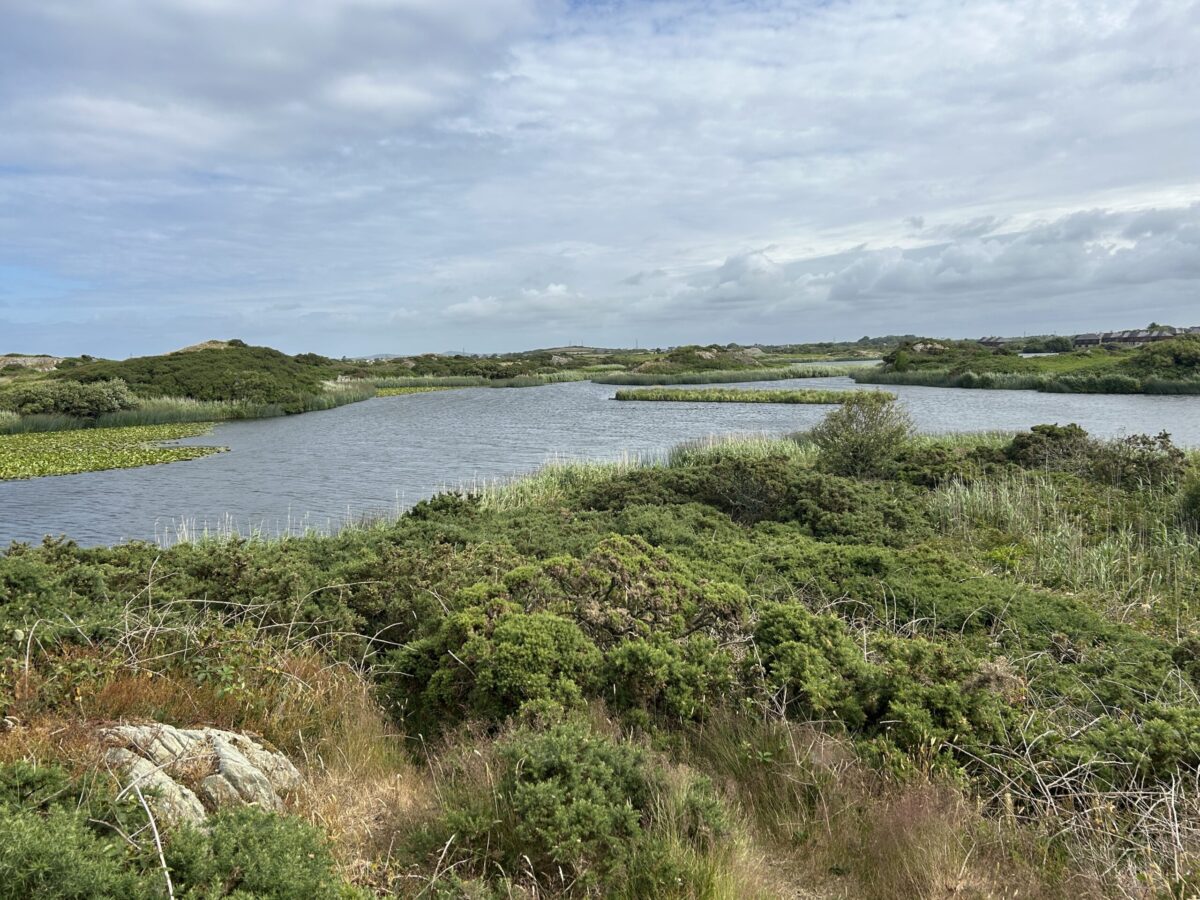
To help create propitious bittern habitat, Ian and his small team have created deep-flooded stands of reed and open water, installed sluices to maintain or raise water levels and cleared out encroaching willow scrub.
It’s been hard graft. They have dug new channels and pools or cleaned out old ones. They’ve planted new reeds – 16,000 seedlings planted in new areas – and also worked to improve water quality to allow fish to flourish. This has involved installing eel passes to help wriggling elvers get into the wetlands and even introducing rudd to one newly flooded site where there previously were no fish.
The Valley Wetlands Reserve sits right next to RAF Valley, where aircraft take off morning, noon and night. ‘The birds get used to the noise,’ says Ian, ‘and basically take no notice of the trainer aircraft; the only time disturbance is an issue is when something unusual like a larger visiting aircraft or a low-flying helicopter comes over.
The RAF have a bird control unit, but they only operate on the base itself, scaring birds from the immediate vicinity of the runways. The main influence of the base on the reserve is on the water quality, because the sewage works for the base discharges directly into Llyn Penrhyn, and has done since the 1940s! The lake is therefore eutrophic and the aquatic plants have suffered as a consequence.
‘But since 1994 the MoD have run a “phosphate-stripping plant” on the outflow which has reduced the phosphorus inputs meaning the lake has been on a long journey of recovery ever since with various aquatic macrophyte species returning as a result. It’s very heartening.’
Valley Wetlands is about more than just bitterns, of course. There is always something to pique Ian’s interest. There’ll be the first boomer each year and the arrival of each and every one of the migrants in spring. That vernal, verdant season comes bearing a bright bouquet of flowers – the star-shaped blue and purple of spring squill; the white of bogbean against the green of water; the bowl-shaped yellow blooms of greater spearwort; the pink, frayed petals of ragged robin as well as the first unfurling of the marsh fern.
Summer hosts a bright parade of dragonflies, with hairy dragonflies providing an early start to an aerial cavalcade of iridescent insects. Then the first young marsh harriers take to the air, followed by the autumn migration. Waders such as the ghostly-grey greenshank come through before wildfowl numbers start to build up again, announcing a second parade of arriving winter migrants, until the seasonal cycle starts all over again.
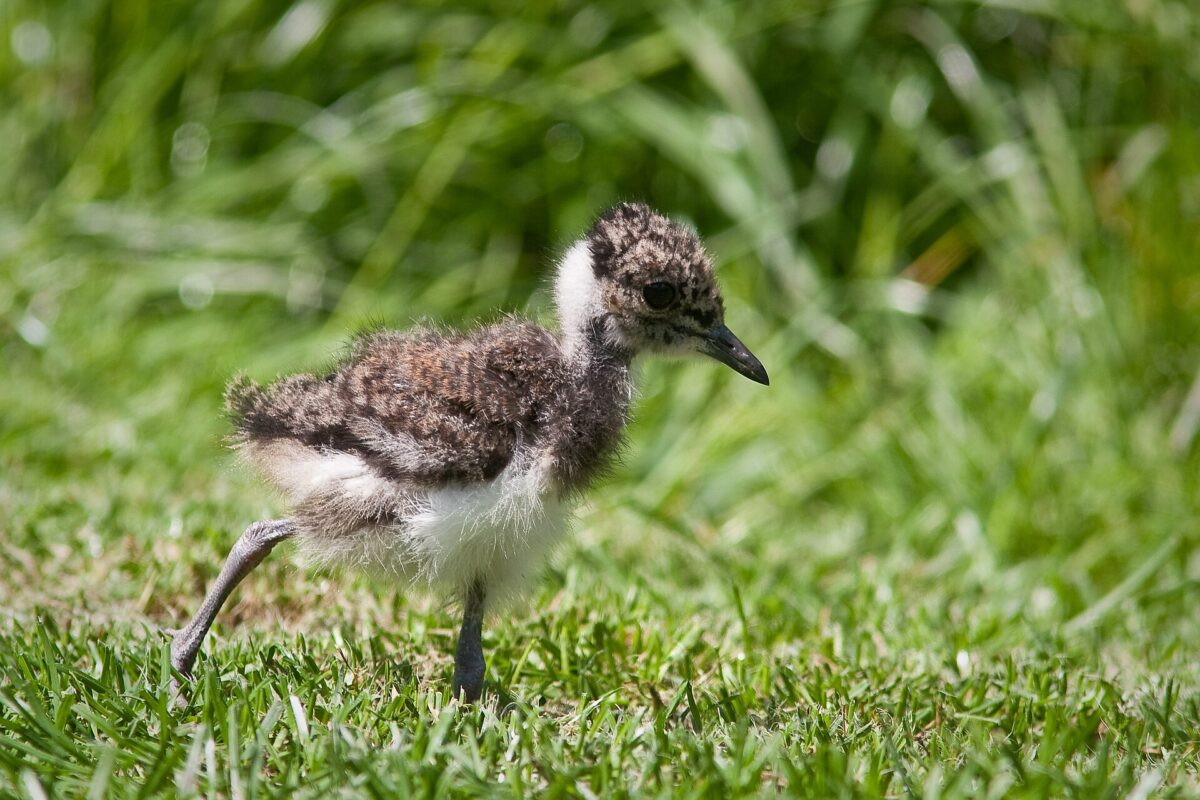
Ian’s favourite days involve looking for lapwing chicks to assess productivity. This involves carefully and slowly driving round in the Land Rover in the breeding field and then watching and waiting. ‘The alarm call of an adults is a sign. With time and patience, you can watch the chicks appear, wandering about feeding and heedless of us watching. After many days of work managing the habitat for them, this day is the reward, as well as being a privilege in itself.’
Then there are days when there is very cold weather on the island. ‘The lakes only freeze over occasionally and when they do there is a delicious moment when all the smaller waterbodies and wetlands are frozen, and only small parts of the centre of the larger lakes remain open – and they are packed with birds! We have beautiful frost-scapes and hundreds of shoveler, teal, tufted duck, pochard and goldeneye – all crammed into a small part of the lake kept open by their own activity.’
Although Ian readily admits he is no botanist, another highlight was finding an aquatic plant called shining pondweed – Potomogeton lucens – in a shallow pond which he had had dug out a couple of years previously on the edge of Llyn Dinam.
‘I knew the plant because an expert had showed it to me in Llyn Penrhyn nearby, but I was the first person to see it growing in Llyn Dinam since 1896!! And in a pond we had dug specifically to benefit the macrophyte communities – it was very, very gratifying.’
For Ian, some of the pleasure of reserve work is the thrill of the unexpected. ‘I was working on a sluice, changing boards over, when two otters came down the far bank of the stream I was in. I just froze and watched as they ran along the bank – a mother and cub – and dropped into the water not more than three metres away from me before swimming away.
‘It was only a few seconds I suppose, but I don’t think I breathed during that time! To be amongst nature when you are going about your daily work; that is the joy of it.’

Jon Gower is Transport for Wales’ writer-in-residence. He will be travelling the breadth and length of the country over the course of a year, reporting on his travels and gathering material for The Great Book of Wales, to be published by the H’mm Foundation in late 2026.
Support our Nation today
For the price of a cup of coffee a month you can help us create an independent, not-for-profit, national news service for the people of Wales, by the people of Wales.
Get more trusted Welsh news
Choose Nation.Cymru as a preferred source in Google News to see more of our journalism.



Erthygl hynod ddiddorol Jon. Unwaith erioed y gwelais dderyn y bwn. Roeddwn yn y guddfan ger Pwll Cynffig ac ehedodd o’m blaen a glanio yn y dŵr bâs ymhlith y brwyn. Ni wnaeth unrhyw sŵn, ac mi dybiaf mai’r deryn fanw oedd hi. Roedd yn oleuach nag y disgwyliwn, bron yn rhyw eur- frown patrymog