


My first Senedd vote: Navigating a new system and a changing political landscape
Amelia Jones
Election leaflets are starting to drop through doors, campaign posters are going up, and conversations about politics are becoming harder to ignore. But for first-time Senedd voters, this year brings something new: a different voting system and a bigger role in shaping Wales’ future.
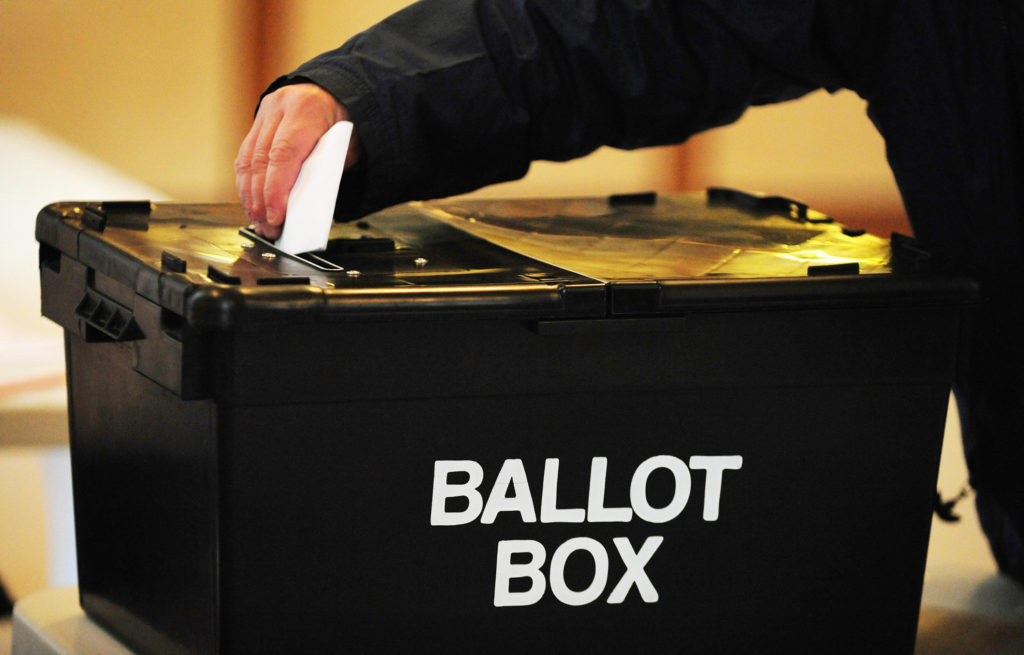
This May, I’ll be voting in a Senedd election for the first time. Like many first-time voters, I’m trying to get my head around how the system works, who represents me, and what my vote will actually change.
After over two decades of Labour dominance in Welsh politics since devolution, the picture ahead of this Senedd election looks far less certain, with competition between parties closer than it has been in years.
Surveys consistently show that Plaid Cymru and Reform UK are now the two strongest parties in Wales, often closely matched at the top of the polls, with Labour further behind than in past decades of Welsh politics.
With the political landscape in Wales becoming more competitive and less predictable, it feels like my vote carries more weight than I first expected, and that makes the choice feel both more important and more difficult.
How does it all work?
With all of that in mind, I started to look more closely at how the Senedd election actually works this year. The system has changed, with a new electoral setup coming into force for the 2026 vote.
The Senedd will be expanded to 96 members, with Wales divided into larger constituencies that each elect six Members of the Senedd. This means that instead of each area being represented by just one politician, there will now be several representatives for the same area.
Each voter will cast their vote for either a political party or an independent candidate. Candidates are then selected from a party’s list depending on how many seats each party wins.
The aim is to make representation more balanced, so that the Senedd more closely reflects how people across Wales vote, rather than one party taking all representation in an area.
Social media influence
One of the biggest things I’ve noticed while trying to understand this election is how much of it is happening on social media.
A lot of the political content I see isn’t coming from traditional news at all. It’s short videos, clips from speeches, or people explaining their views in under a minute. In some ways, that’s made things easier. I can quickly get a sense of what different parties are saying without having to dig through long reports or watch full debates.
But at the same time, it’s also made things more confusing.
I’ve found myself questioning how much I can actually trust what I’m seeing. Some posts feel quite one-sided, and it’s not always clear where the information is coming from or whether it’s been taken out of context. It’s made me realise that just because something is easy to watch and understand doesn’t mean it’s giving the full picture.
For example, if I was to search ‘Senedd Election 2026’ on TikTok, I am met with a stream of videos of people trying to convince me to vote a certain way.
A lot of them are sit-down videos, with people speaking directly to the camera, passionately explaining why one party is the right choice or why another shouldn’t be trusted. Some feel more like rants than explanations, with strong opinions delivered in a way that’s designed to grab attention rather than give a balanced view.
While that can make the content more engaging, it also makes it harder to separate opinion from fact. When everything is presented so confidently, it’s easy to feel influenced without really realising it.
It’s made me more aware of how quickly social media can shape my perception of parties and issues, even when I haven’t properly looked into them myself.
And it does worry me how much people are consuming this kind of content.
When opinions are presented so confidently and repeatedly, it’s easy to see how they could shape someone’s view of an issue without them ever really questioning it. Especially when it’s quick, engaging, and constantly appearing on your feed, it can start to feel like that’s the full picture.
For me, it’s been a reminder to be more critical about what I’m watching, and to make sure I’m not basing my decisions purely on what happens to come up on my screen.
That being said, one source I’ve found pretty helpful leading up to the election are Will Hayward’s Instagram reels.
What I like about his content is that it feels more focused on explaining what’s actually going on rather than trying to persuade me one way or another. He breaks down policies, parties, and the changes to the voting system in a way that’s easy to follow, but still feels grounded in facts. It’s been a useful starting point when I’ve felt overwhelmed by everything else online.
Friend influence
Something that’s stood out to me during all of this is how disengaged a lot of my friends seem from the election.
Working as a Welsh journalist, my day-to-day life is submerged in the election and what politicians are saying, and what that means for Wales’ future. This made me realise how little I talk about the state of Welsh politics with my friends.
It’s not something that comes up often in conversation, and when it does, it’s usually quite brief or brushed off. At first I thought these conversations weren’t happening because they could be seen as uncomfortable or debate-like, but at one point, one of my older friends even struggled trying to remember the name of the Senedd, which kind of summed it up. They weren’t dismissing the subject because they didn’t want to get into an uncomfortable debate, they were actually just disinterested.
Compared to how much politics was showing up on social media, it felt like there was a clear a disconnect in real life. In a way, that’s made me think more about my own approach. Without those regular discussions or strong opinions around me, there’s less pressure to follow what others think, but it also means I don’t have as many opportunities to talk things through.
It’s made the whole process feel more individual. Rather than being influenced by the people around me, I’ve had to rely more on what I’m seeing online and the research I’ve done myself.
At the same time, it’s made me realise how easy it would be to just ignore it altogether. If the people around you aren’t really engaged, it’s not hard to see how you could switch off too. But for me, knowing that this is my first time voting has made me want to pay more attention, even if it’s not something everyone around me is focused on.
How am I preparing?
With all of this in mind, I’ve realised that preparing to vote isn’t as straightforward as I expected.
There isn’t one clear place to get all the information I need, and a lot of what I come across, especially on social media, only shows part of the picture. Because of that, I’ve had to be more intentional about how I approach it.
I’ve started trying to look beyond quick videos and opinions, and instead spend more time actually reading into what parties are saying. That means looking at their policies, comparing what they’re offering, and trying to understand how it might affect people like me.
At the same time, I’m trying to stay aware of how easily my views could be shaped by what I see online or hear from others. Rather than just going with what feels most familiar or most convincing in the moment, I want to make sure I’ve properly thought it through.
I don’t think I’ll go into the polling station feeling like an expert, but that’s not really the point. For me, preparing to vote is about making the most informed decision I can with the information I have.
I think that’s what being a first-time voter is really about: taking time to ask questions even though I might not get all the answers.
Support our Nation today
For the price of a cup of coffee a month you can help us create an independent, not-for-profit, national news service for the people of Wales, by the people of Wales.
Get more trusted Welsh news
Choose Nation.Cymru as a preferred source in Google News to see more of our journalism.



I wouldnt wish tp try to influence you in any way, but im sure you will make a decision you are comfortable with. Read all the manifestos and consider wish parties policies align with yours and you wont go far wrong