


National Wool Museum celebrates 50th anniversary year
Nation Cymru staff
A new programme of special activities and events is set to take place as the National Wool Museum marks 50 years of educating and inspiring visitors.
The series of events will celebrate the combination of traditional craftsmanship, modern technology and contemporary art and bring to life the story of Wales’ textile heritage and how it continues to evolve while remaining firmly rooted in its past.
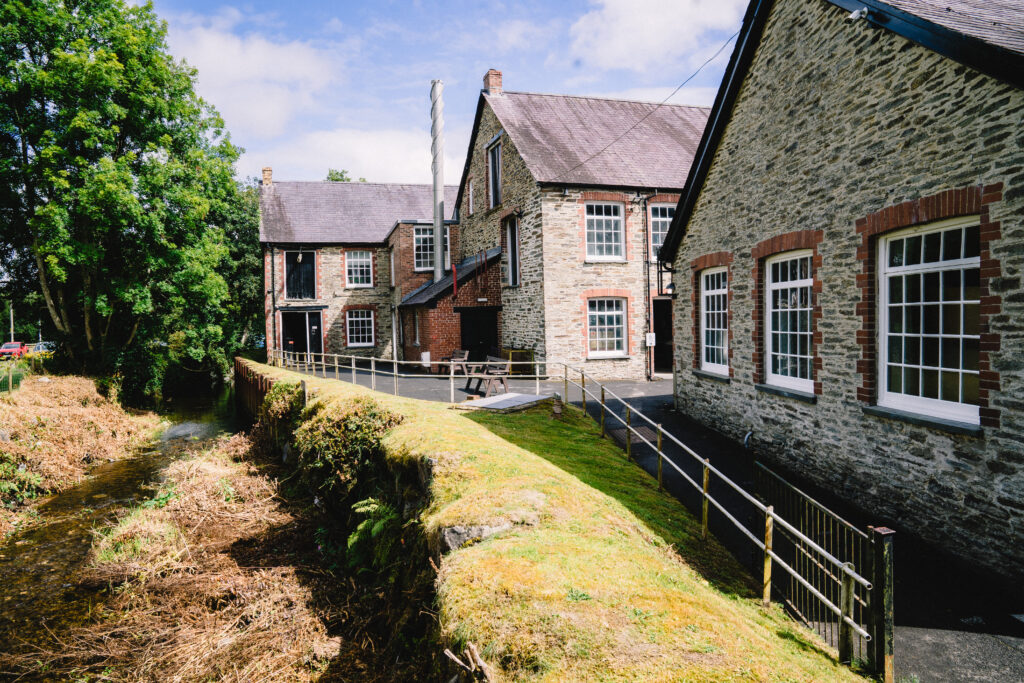
For more than a century, traditional weaving techniques have been practised at the site of the former Cambrian Mill in Drefach Felindre, producing the iconic Welsh blankets that remain an enduring symbol of Wales’ rich textile heritage.
Now, as the National Wool Museum celebrates 50 years as a museum, a new loom is taking its place alongside the Museum’s historic machinery, enabling visitors to experience traditional crafts through the lens of modern technology.
Preserving Wales’ industrial heritage remains a key priority for Amgueddfa Cymru – Museum Wales.
Alongside caring for nationally significant collections, the museum is committed to safeguarding the skills and knowledge of the woollen industry for future generations while continuing to offer engaging and inspiring experiences for visitors.
In 2025, Welsh double cloth weaving, a historic technique preserved and demonstrated at the National Wool Museum, was added to the Heritage Crafts’ Red List of Endangered Crafts.
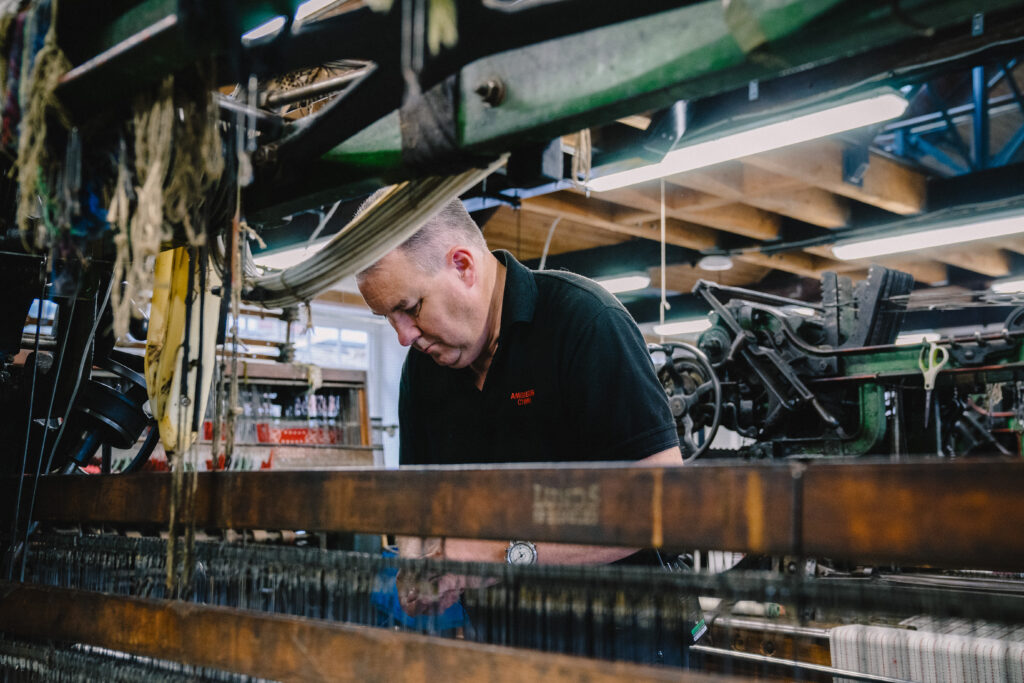
Following the purchase of working historic looms from Melin Teifi in 2023, when owner Raymond Jones retired after a remarkable 60-year career, museum staff worked closely with Mr Jones to learn the specialist skills required to operate the machinery. This ensured the continuation of the craft while maintaining the museum’s unique working mill experience for visitors.
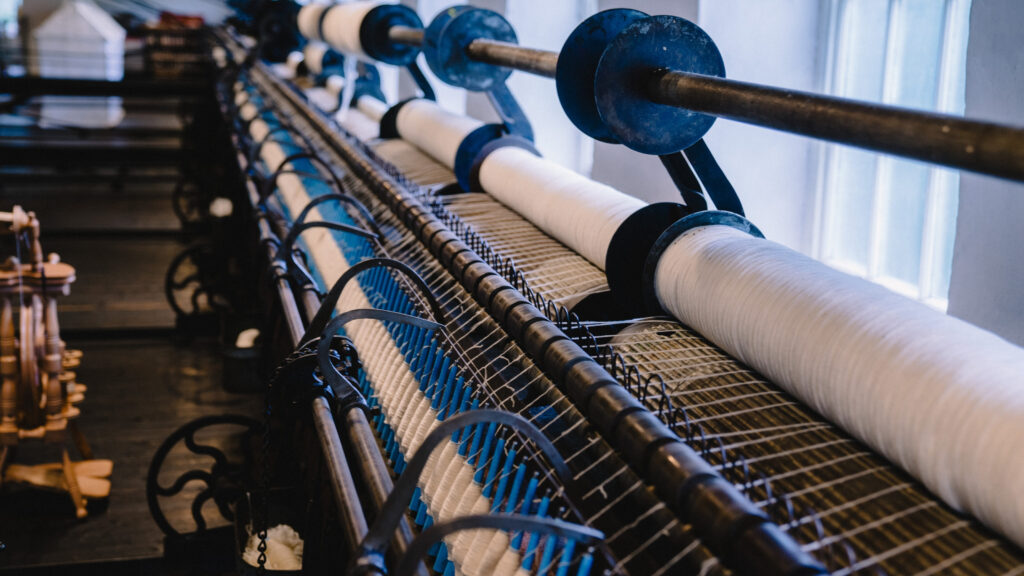
As part of its vision for the future and to mark this significant milestone year, the National Wool Museum has invested in a modern rapier loom, which will sit alongside its historic looms.
The addition represents an important step in bringing the museum into the 21st century, embracing contemporary technology while exploring themes of science, innovation and sustainability within the textile industry.
Ann Whittall, Head of the National Wool Museum, said: “We are delighted to have been able to purchase a modern rapier loom for the museum. Keeping traditional crafts alive is of great importance to us and forms a vital part of our role as a museum. This investment allows us to do that whilst also helping us keep up with the increasing demand for traditional Welsh cloth products.
“By enabling us to showcase both the historic and modern methods of weaving, visitors will gain a deeper understanding of how the wool and textile industry has evolved over time. We hope it will inspire a new generation of makers and weavers to continue this important part of Welsh history and culture.”
The introduction of the new loom is one of several changes visitors will notice during the museum’s anniversary year.
Artist Ruth Jên has transformed the museum’s welcome area with a vibrant new artwork that celebrates the museum’s heritage and standing place within the Teifi Valley. The colourful installation pays tribute to Welsh women in traditional outfits while recognising the museum’s continued production of Welsh flannel, a craft that remains at the heart of the museum’s identity.
The beginnings of the site as a national museum were in 1976 when there was a single gallery within Cambrian Mill, offering visitors an insight into the Welsh woollen industry. In 1984, Amgueddfa Cymru purchased the mill and officially established the National Wool Museum, securing its future as a centre for preserving and sharing the story of Wales’ textile heritage.
Heledd Fychan, Cabinet Member for Culture and Sport, visited the National Wool Museum earlier this month, and said: “It was fantastic to visit the National Wool Museum and see first-hand how – 50 years on from its establishment – it continues to tell the story of Wales’ textile heritage through its nationally important collections, historic machinery and traditional skills.
“I was particularly struck by the way tradition and innovation sit side by side, from the historic looms rescued from Melin Teifi to the new rapier loom that will help meet growing demand for Welsh cloth.
“It’s great that the National Wool Museum recorded the highest percentage increase in visitor numbers of any attraction in Wales last year, demonstrating the important role culture plays in supporting tourism, local economies and community pride.
“The museum’s investment in a new loom also shows how traditional Welsh skills can support modern economic opportunities, helping to sustain rural communities, strengthen Wales’ cultural identity and safeguard endangered craft skills for future generations.”
Throughout the anniversary year, visitors will be able to enjoy a programme of special activities and events. A new trail will guide visitors through the museum, exploring the unique properties of wool and the story of the industry.
There will also be opportunities to meet “Jonny Lewis”, the former owner of Cambrian Mill, brought to life through a costumed character experience, as well as take part in craft activities that celebrate the positive impact creativity can have on mental health and wellbeing.
Ann Whittall added: “We encourage everyone, whether they are returning visitors, local residents, families or those discovering us for the first time, to come and explore the rich history of the Welsh woollen industry.
“The story of the mill workers and their craftsmanship reaches far beyond this area, with their products becoming known across Wales and beyond.”
Visitors interested in attending specific events are encouraged to check the website for details and to book in advance where necessary to avoid disappointment.
Support our Nation today
For the price of a cup of coffee a month you can help us create an independent, not-for-profit, national news service for the people of Wales, by the people of Wales.
Get more trusted Welsh news
Choose Nation.Cymru as a preferred source in Google News to see more of our journalism.



Cast your eyes north or better still visit some original remarkably beautiful early water driven industrial archaeology on the Aran above Dolgellau…