
New horror movie Rabbit Trap brings Welsh folklore to the big screen
Russ Williams
When we think of fairies, we tend to think of pleasant, winged little darlings here to make our dreams come true with a wave of their sparkling magic wands. You’d be forgiven for thinking they would make for rather laughable foes in any horror film, yet in Rabbit Trap, the latest feature film to bring Welsh folklore to the big screen, they are anything but. That is because the film draws inspiration from Wales’ answer to the fairy myth; the Tylwyth Teg. And in Welsh fairy tales, people rarely live happily ever after.
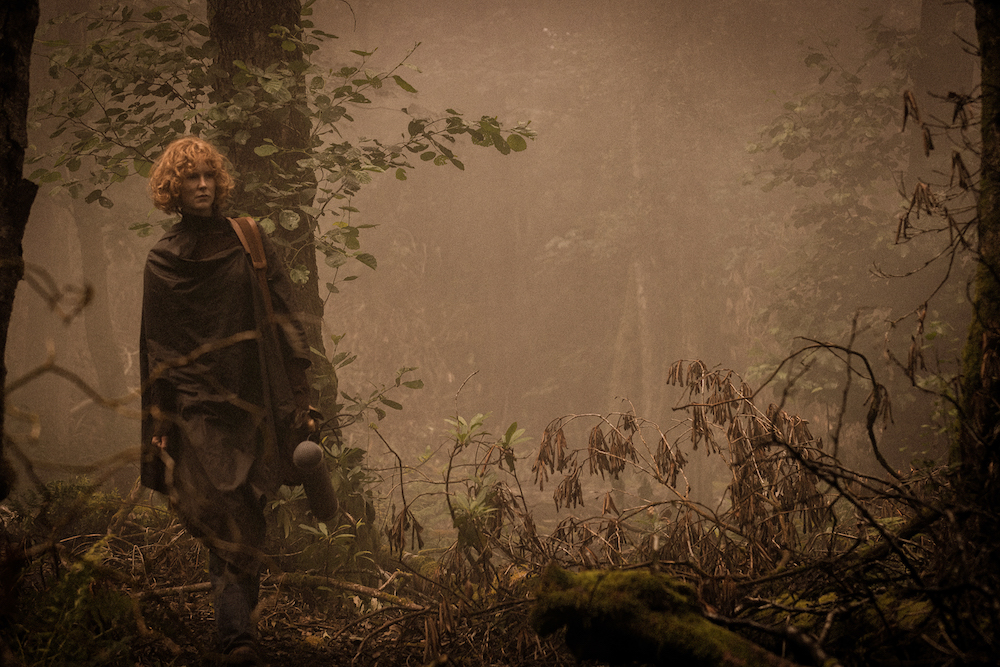
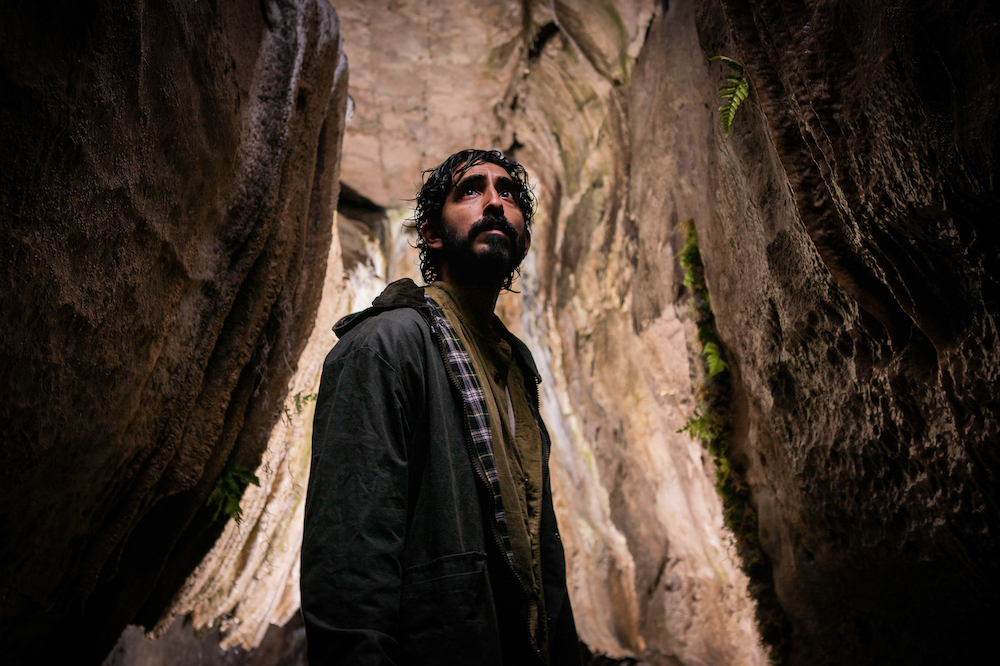
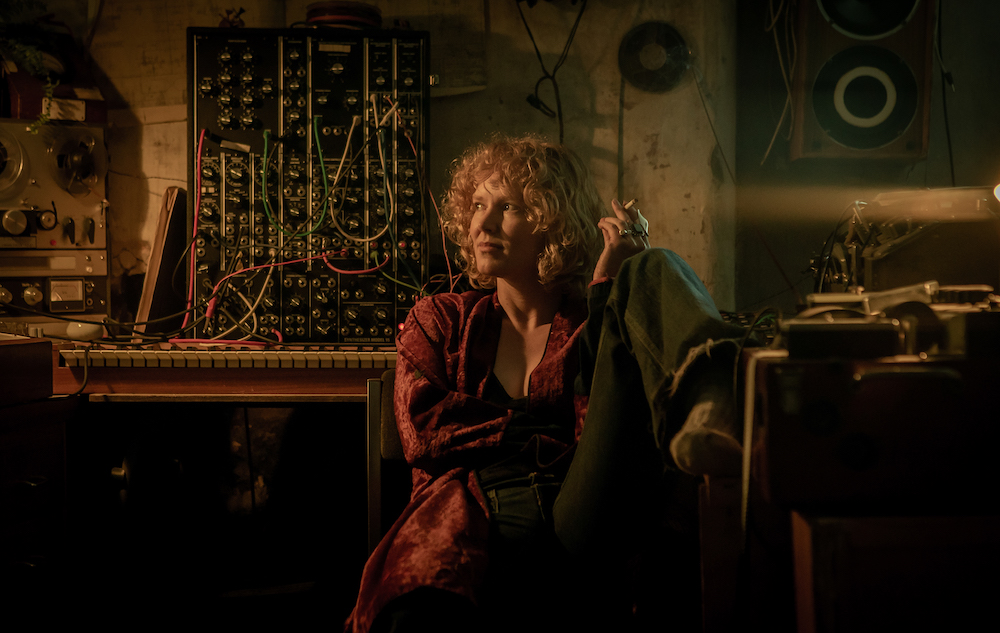
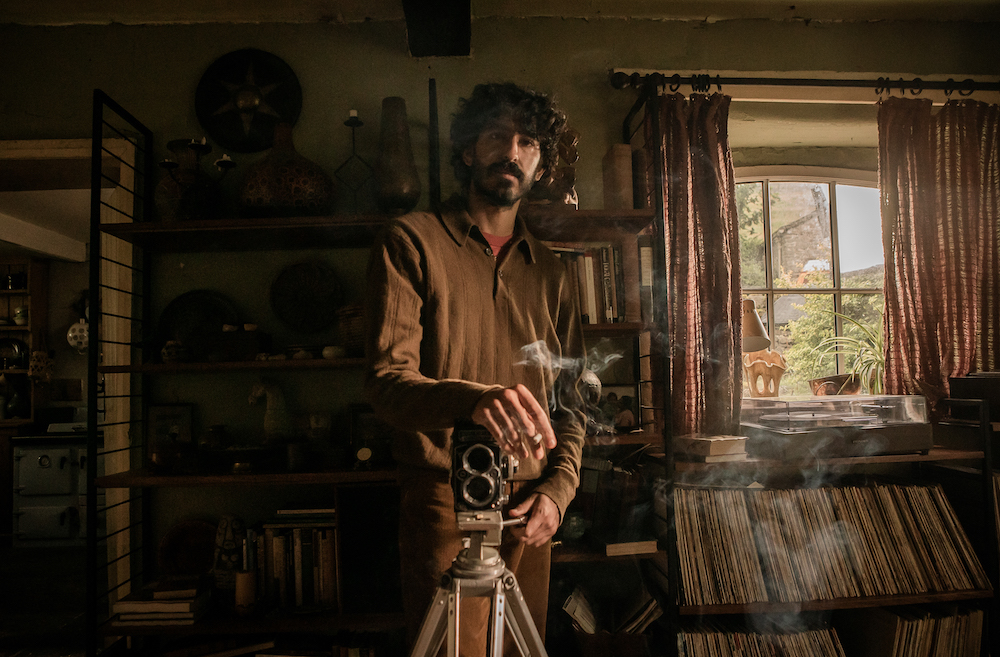
This psychological horror, produced by Anglesey-based production company Mad as Birds, follows the story of married musicians Darcy (played by Dev Patel) and Daphne (Rosy McEwen), who have relocated from London to a house in rural Wales, seemingly so that professional singer Daphne can focus on her new album. Darcy spends most of his days capturing natural audio clips for Daphne’s new record and it is these field recordings which ultimately invite a malevolent force into their home, which arrives in the form of a nameless child (played by Merthyr Tydfil actor Jade Croot) who just won’t go away.
The film stays true to the lore of the Tylwyth Teg, blending different aspects together to portray these Welsh fairies in the way our ancestors would have imagined them; as powerful beings that should be avoided at all cost.
Throughout Wales, Tylwyth Teg take many forms and their nature and motivations vary. Many locales have a story about a ‘Lady of the Lake’; beautiful women who would appear near ponds or lakes and marry a local mortal, an arrangement that inevitably ended in tragedy. Bodies of water were once believed to be places where the veil between our world and that of the fairies was at its thinnest and the film subtly references this.
Other tales tell of how the Tylwyth Teg would kidnap human children and replace them with Plant Newid, Wales’ answer to the Changeling, a piece of lore integral to the film’s narrative. Our ancestors would also leave out gifts for the Tylwyth Teg (more often as a peace offering) or would adorn their homes with various charms believed to ward off those benevolent tricksters, something else that is represented well.
Another important bit of lore integral to the plot of Rabbit Trap is the link between the Tylwyth Teg and music. There are many tales of how the Tylwyth Teg used music to lure people into a trance, such as the story of poor Ned Puw, doomed to play his fiddle for all eternity in the gloomy depths of Tal Clegir Cave. As terrifying as they were, Welsh fairies loved a good party and the ruined state of Pennard Castle on the Gower Peninsula is testament to what happens when humans try to stop them from having a good time. The story goes that the tyrannical lord who once dwelled there denied entrance to a band of fairies who wanted to join his daughter’s wedding party; they responded by conjuring up a sandstorm and engulfing the castle and all those within.
This isn’t the first film to introduce Welsh folklore to the world. The classic 1985 animated dark fantasy The Black Cauldron borrows heavily from the Mabinogion and was based on a series of books called The Chronicles of Prydain (Prydain being the Welsh word for Britain), which reimagine Welsh mythology with a fresh narrative. The titular cauldron itself is inspired by the Pair Dadeni (Cauldron of Rebirth) from the Second Branch of the Mabinogion, which the Irish used to gain the upper hand in a war against the Welsh.
Then there’s the more recent eco-horror film Gwledd/The Feast (2017), in which the character Cadi is portrayed as a Nature Spirit, punishing the family for their desire to harm the land. The popular ‘Lady of the Lake’ tales I mentioned do indeed end in tragedy, but mostly due to the destructive nature of humans – sometimes one needs to look inward to find the real monster. Then there’s The Green Knight (2021), which also stars Dev Patel. Loosely based on the epic 14th-century poem Sir Gawain and the Green Knight, it features St. Winifred’s Well (there’s no shortage of holy wells here in Wales) and Cewri (Welsh giants).
References in other films are less obvious and may surprise you, such as Studio Ghibli’s Howl’s Moving Castle (2004). Hayao Miyazaki, one of the studio’s founders, grew an affinity for Wales after falling in love with the landscape, language and architecture following a visit here and he based much of the animation on the sights he had seen here. The titular wizard Howl even speaks a bit of Welsh. The film was based on a book by Diana Wynn Jones, which tells the story of a Welshman who becomes a wizard after visiting a magical land.
Rabbit Trap does a great job of bringing the scarier aspects of Welsh folklore to the big screen and proves that stories about Tylwyth Teg aren’t just for children. Hopefully it will encourage other filmmakers to look to Welsh folklore for inspiration, as there is certainly no shortage of stories to choose from.
One of my personal favourites is the tragic tale of doomed lovers Rhys and Meinir, which concerns an old wedding tradition of a game of bridal hide-and-seek that goes terribly wrong. There’s also the legend of Cantref Gwaelod, the ‘Welsh Atlantis’ that was lost to the sea somewhere off Cardigan Bay thanks to the intoxicated gatekeeper, Seithenyn.
Then there’s a whole pantheon of terrifying Welsh monsters, such as the banshee-like Gwrach-y-Rhibyn, a monstrous hag who would appear out of the mist and drain the blood of her victims; the goblin-like Coblynau who terrorised Welsh miners and even followed them to Welsh settlements in America; and the demonic black mastiff Y Gwyllgi with its glowing red eyes, who attacked those foolish enough to travel along lonely country lanes at night. But filmmakers shouldn’t feel restricted to folk horror; just think of the epic fantasies we could adapt from the tales of the Mabinogion; stories of quarrelling dynasties, dragons and powerful wizards.
The Welsh have always been great storytellers; hopefully this is the start of a new trend that will allow us to share them with the world.
Rabbit Trap is coming to cinemas across the UK from January 30, 2026.
The film has various connections to Wales including production company Mad as Birds and Merthyr Tydfil actor Jade Croot. Rabbit Trap was partly filmed in North Wales.
Russ Williams is an author who enjoys exploring the often overlooked aspects of Welsh culture. His debut book Where the Folk: A Welsh Folklore Road Trip looks at the history and origins of some of the country’s most influential folktales.
This article was commissioned by Film Hub Wales as part of its Made in Wales project, which celebrates films with Welsh connections, thanks to funding from Creative Wales and the National Lottery via the BFI.
Support our Nation today
For the price of a cup of coffee a month you can help us create an independent, not-for-profit, national news service for the people of Wales, by the people of Wales.


