

Restoring the Rarest: Stories from the Red List
Sian Shakespear, Plantlife Cymru
Amongst the rugged mountains of Eryri, a quiet but powerful conservation story is unfolding—one that blends science, farmer know-how, and a deep respect for the land.
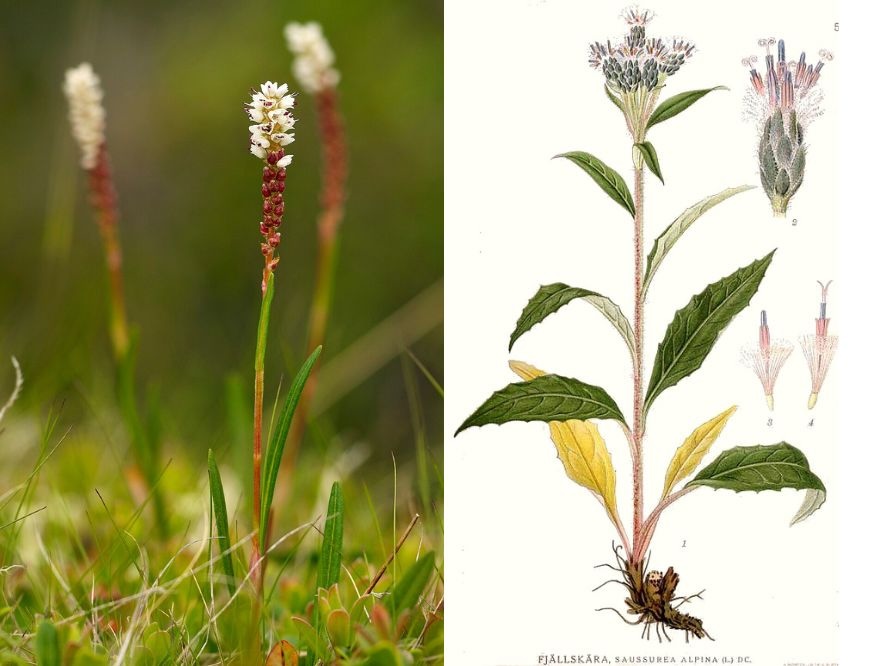
I recently chatted with Robbie Blackhall-Miles, Natur am Byth Vascular Plants Officer, to talk about two of Wales’ rarest Arctic-alpine plants: Alpine Bistort Bistorta vivipara and Alpine Saw-wort Saussurea alpina which he is working hard to recover from obscurity and potential extinction in Wales.
As the recently published GB Red List for Vascular Plants shows, the odds that these species become extinct have sadly increased in the last twenty years – Alpine Bistort has increased from Least Concern to Vulnerable and Alpine Saw-wort is now listed as Near Threatened. However, they are now at the heart of a remarkable recovery effort.
These species have long histories of decline. Over-collected by Victorian botanists and squeezed into ever-smaller refuges by changing land use and climate, their numbers in the wild are now dwarfed by those in herbarium cabinets. But thanks to targeted conservation, their fate is shifting.
Robbie explains that the project’s goal is to build resilience—restoring lost populations and helping them withstand modern threats like nitrogen pollution and climate change. “We’re not just protecting what’s left,” he says. “We’re actively rebuilding.”
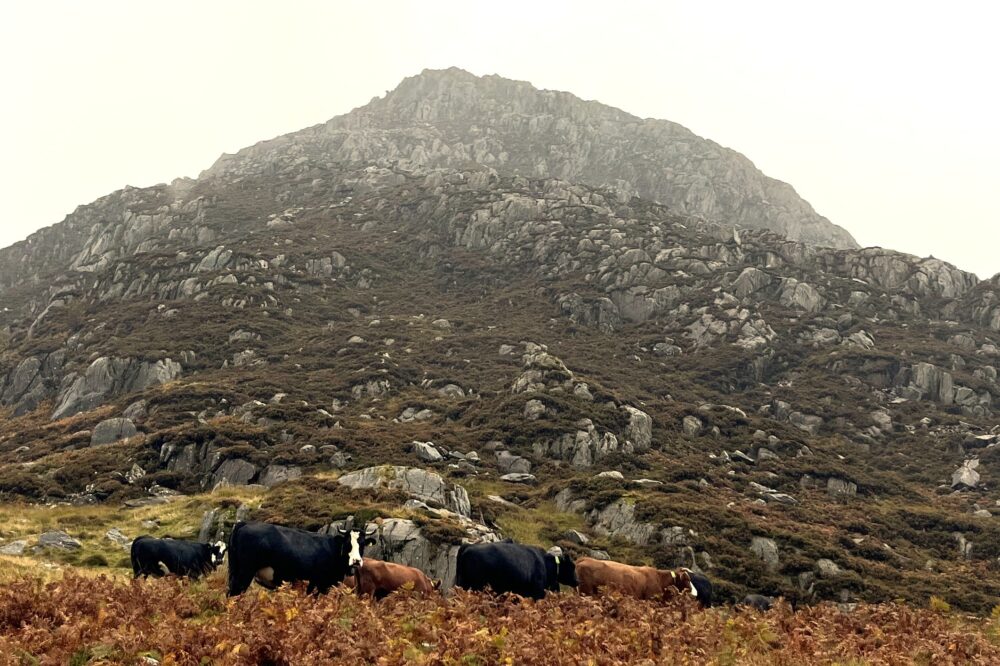
One of the most fascinating aspects of this work is the nuanced role of grazing. Contrary to popular belief, it’s not about stopping grazing altogether—it’s about getting it right. The Natur am Byth project is introducing appropriate grazing to these uplands to enable these threatened species to recover.
For Alpine Bistort, it’s actually lack of grazing which is the current problem. The plant thrives in areas once kept open by snow cornices, snow lie and rock movement. As weather patterns shift, denser and more competitive vegetation is taking hold in places once kept open by snow. Grazing by cattle is helping to recreate the open conditions this specialist plant needs to survive. The project will be moving onto trialling very targeted sheep grazing – referred to as mob grazing – in the hope that this will also help this struggling arctic-alpine species.
Alpine Saw-wort, on the other hand, is highly palatable to sheep. Its recovery has involved painstaking propagation work, including hand-pollination of genetically distinct clones and growing seedlings for reintroduction. These efforts are now bearing fruit, with 40 young plants ready to be planted out to bolster wild populations.
Technology Meets Tradition
The Natur am Byth project is also pioneering the use of GPS grazing collars for cattle and sheep in remote upland areas, enabling appropriate grazing, which needs to be precise in area, intensity and season. Trials in places like Cwm Tryfan and the Great Orme have shown that this approach can benefit both biodiversity and farm businesses.
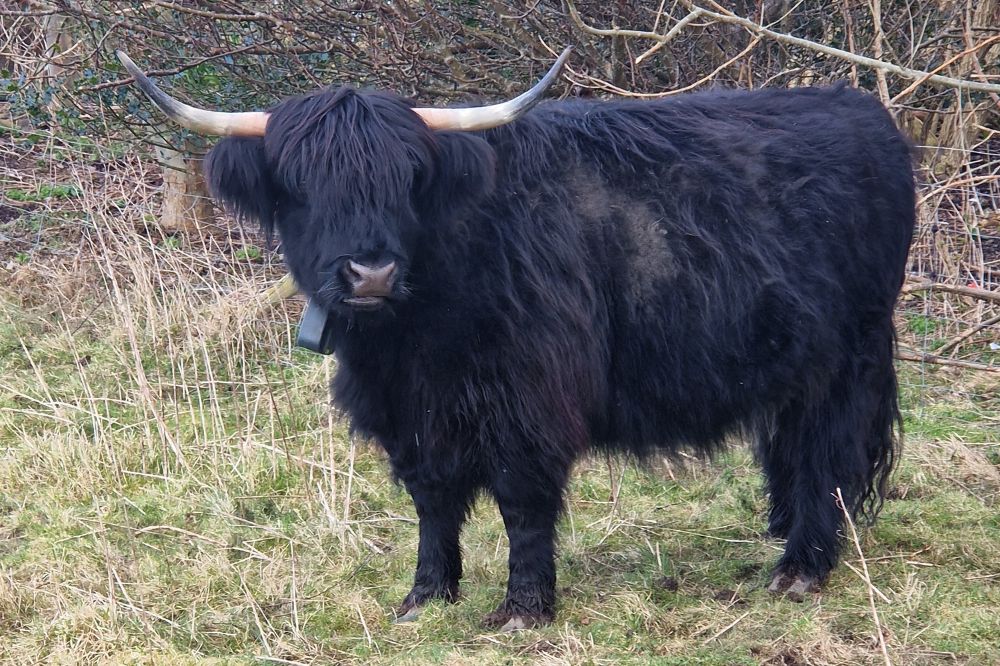
Farmers like those who farm Gwern Gof-Uchaf at the base of Tryfan are central to this success. “The cattle came off the hill in better condition than they went on,” Robbie notes. “One even gave birth unaided on the mountain.” It’s a powerful example of how conservation and agriculture can work hand in hand.
Beyond the Plants
This isn’t just about two species. It’s about landscape-scale change. The team is working with the National Trust, Natural Resources Wales, and local farmers to restore entire ecosystems. A shared vision between the project, conservation organisations, local farmers and community is enabling rare plants to return to places where they haven’t grown for half a century or more.
And while the project is rooted in science, it’s also deeply human. Robbie speaks passionately about the need for trust, transparency, and support for the farming community. “We’re not anti-grazing,” he says. “We’re pro the right grazing, in the right place, for the right species.”
Looking Ahead
As climate change accelerates, the stakes are high. But since Alpine species such as Alpine Bistort and Alpine Saw-wort can cope with hotter summers this work shows that with the right knowledge, partnerships, and persistence, even these most threatened of species can be given a fighting chance.
Whether it’s a cattle collar pinging a GPS signal from a remote slope, or a tiny seedling taking root in a restored habitat, these are the quiet victories of conservation. And they matter—not just for the plants, but for the future of our shared landscapes.
Notes: Natur am Byth! is a flagship project in which Plantlife Cymru is working alongside eight other conservation organisations and Natural Resources Wales to save a broad range of species from extinction.
Support our Nation today
For the price of a cup of coffee a month you can help us create an independent, not-for-profit, national news service for the people of Wales, by the people of Wales.



What a wonderful project. It appears to work exceptionally well by a strategy of cooperation between stakeholders and not by legislation… a model that should be replicated in many conservation projects… Da Iawn Natur am Byth!