


RSPCA say they receive 10 calls a day about animals affected by rubbish
Nation.Cymru staff
The RSPCA has revealed they receive an average of 10 calls a day about animals affected by rubbish, and reports spike even higher in the summer months.
Friday (5 June) is World Environment Day, and the charity warn that how we dispose of our rubbish is a serious issue across the UK, including for animals.
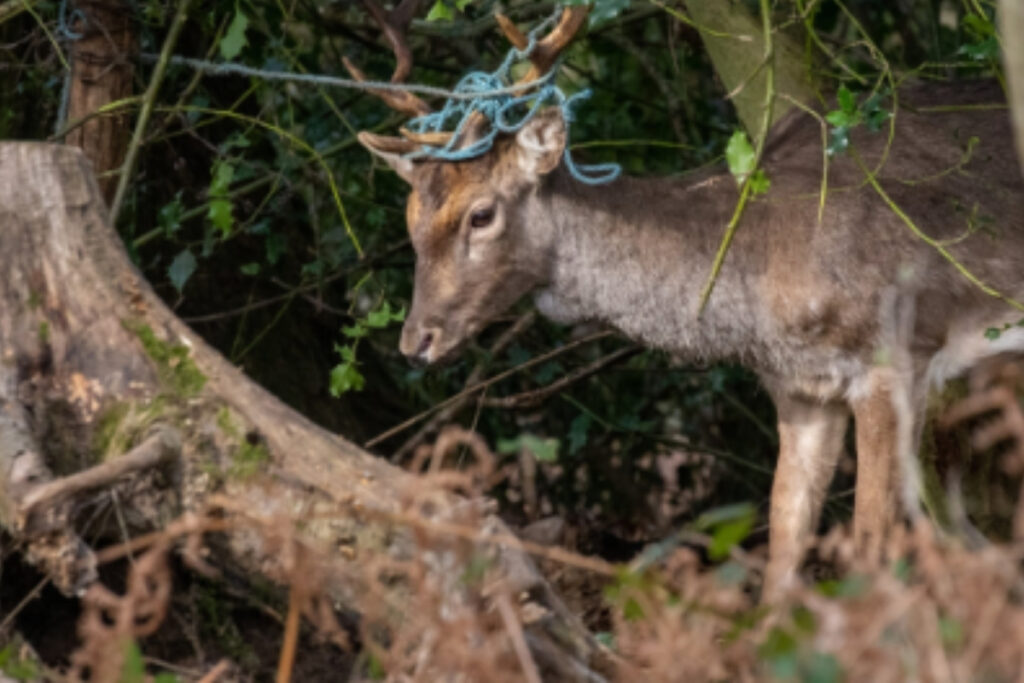
Litter can pose real dangers to wildlife – items like discarded food tins, frisbees, balloons, plastic bags or fishing nets may seem harmless, but they can cause entanglement, injuries or even death for animals.
RSPCA figures show that last year the charity received more than 300 calls about mammals and birds tangled up in fishing debris alone – including hooks, lines and nets.
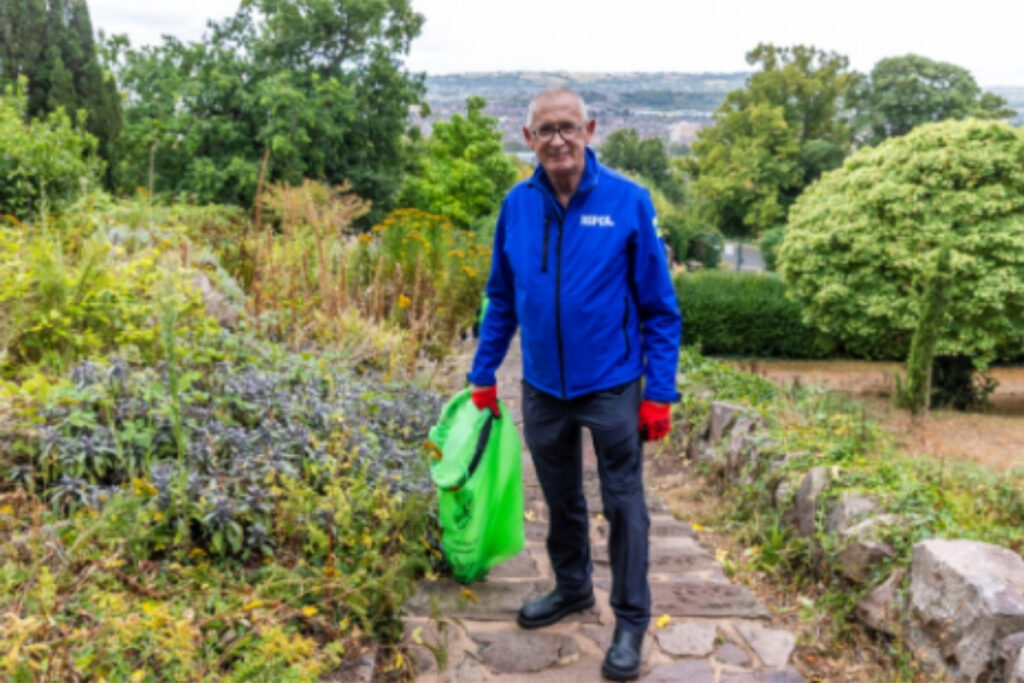
Now, as part of the RSPCA’s Summer of Kindness, the charity is encouraging everyone to take part in its seven Kind Acts for animals – including pulling on a pair of rubber gloves and getting involved in a community litter pick.
Rebecca Machin, wildlife expert at the RSPCA said: “It’s distressing how our native wildlife is affected by litter, and so many of these incidents are completely avoidable.
“We see the impact of how dangerous litter can be, including at our wildlife centres, when animals have become entangled, or caught up in rubbish. The good news is that preventing incidents like these is simple, and the public can help us prevent this suffering in the first place.
“Litter picking is a fantastic community act that benefits everyone around us – people and animals. People of all ages can get involved, and this simple but powerful action to reduce harm to animals, both on land and in water, is a meaningful way to connect environmental responsibility with animal welfare.”
Animal Kindness Index
The RSPCA’s Animal Kindness Index highlights that people are concerned – with 95% of respondents admitting they are worried about the impact of litter. Nearly half (45%) were worried about the impact on waterways and 43% were concerned about wildlife being trapped by or consuming litter. Just over a quarter (27%) expressed concern over the impact on animals’ habitats, while others were worried about pets (16%) or farm animals (10%) ingesting rubbish.
But despite that public acknowledgement, litter continues to blight many communities and put animals at risk – and action still remains limited. Of those who took part in the Animal Kindness Index, only 13% had ever participated in a litter pick.
But the future could be brighter. Encouragingly, 40% of children and young people say they have taken action by picking up litter or taking it home to prevent harm to animals – suggesting the next generation is leading the way in protecting wildlife.
Rebecca added: “It’s great to hear that youngsters are keen to get involved and take action against litter – by all working together, we can make a real difference.
“Our rescuers deal with so many avoidable incidents every year where animals have been impacted by litter – old drink cans and bottles, plastic items and even disposable vapes are just some of the items that pose a danger to our wildlife – including, more than any other mammals, foxes, deer and hedgehogs. Animals can ingest the litter or become entangled, leading to injuries and even death.
“But the public can help us protect animals, and avoid these incidents happening in the first place. When people are out and about, we urge them to hold on to their litter until there is an opportunity to dispose of it safely and responsibly – or recycle where appropriate. If you see litter, pick it up and put it in a bin, and encourage others to do the same – or even better, organise or take part in a big community litter pick. As we all strive to create a better world for every animal, this could save an animal’s life.“
Join the RSPCA’s Summer of Kindness – get involved in a litter pick
You will need:
A water bottle
A jacket if it’s cold, a sun hat / sun cream if it’s sunny
A bag to collect the litter
Gloves to protect your hands
What to do:
Choosing an area
Select a safe area for your litter pick – this could be a local park, school grounds, beach or even a town centre. Every piece of litter removed helps stop it from reaching rivers, fields or woodlands.
Working in the area
Decide how to approach the clean up. You might:
Walk and scan as a group
Work in timed sections
Divide the area into smaller zones
Be careful around natural habitats. We want to make spaces cleaner, but without disturbing animals or their homes, especially during nesting season.
Record results
Reflect on the impact of your work. Try:
Taking before and after photos
Categorising litter (by material, type of recyclability)
Weighing or counting the amount of litter collected
Preventing harm
Have a discussion about the kinds of litter found.
Could any of this have injured an animal or pet?
What might have happened if it wasn’t picked up?
How might this action prevent future harm?
Share your work
The RSPCA is inviting people to share photos and videos of their litter picks, as well as other kind acts for animals, on social media by tagging the RSPCA – to encourage family and friends to get involved in supporting animals this summer. Use the hashtag #RSPCASummerOfKindness to get involved on Facebook and Instagram.
Members of the public can also sign up to become an RSPCA Wildlife Friend, the charity’s volunteering scheme aiming to change the lives of animals for the better. By volunteering and taking action for animals in their communities, the microvolunteers taking part will not only be helping wildlife but will also be ensuring that the RSPCA’s frontline staff have more time to focus on tackling cruelty and neglect.
The RSPCA shop also stocks litter picking equipment, made from recycled ocean plastic.
For more information on how litter harms wildlife, visit the RSPCA website, where there is also advice on what to do if you find a sick or injured animal.
Support our Nation today
For the price of a cup of coffee a month you can help us create an independent, not-for-profit, national news service for the people of Wales, by the people of Wales.
Get more trusted Welsh news
Choose Nation.Cymru as a preferred source in Google News to see more of our journalism.


