


Teithiau Tom: Along ‘The Cut’ from Gilwern to Pontypool
Tom Maloney
How quickly time flies … I could not let 2026 go by without a return to the good old Mon and Brec Canal to take a stroll to Pontypool from Gilwern where I last stopped in June.
The three articles that I have written this year give something of a snapshot of what would have been ‘The Brecknock and Abergavenny Canal’ originally.
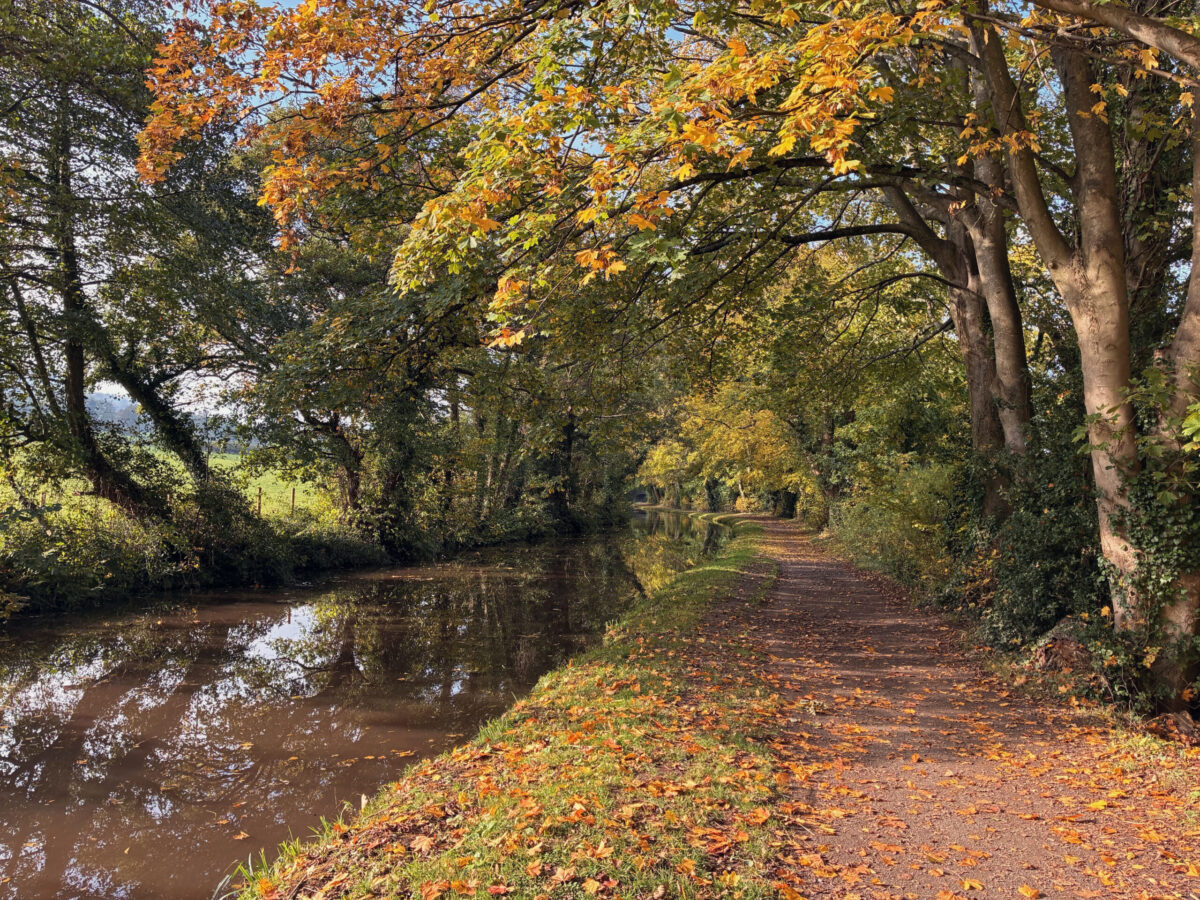
It was just grand to take in the autumn colour at the end of October, but as you will from the photos, the day of my walk was typical for the time of year, with such dramatic changes in light over the course of a few hours.
Before setting out along ‘the cut’ I took the opportunity to take in the ruined remains of the ironworks at Clydach Gorge, its history is so intertwined with the canal making it a great place to begin.
Besides, the ironworks is only a ‘stone’s throw’ from Gilwern and is easily found following the course of the River Clydach.
The Fforest Fawr UNESCO Global Geopark website gives the following meaning to the name of the river from the Welsh as ‘A common river/stream name in South Wales – ‘clydach’ means sheltered, strong, swift or stony.’ The River Clydach hereabouts is all that and more, it is stunning.
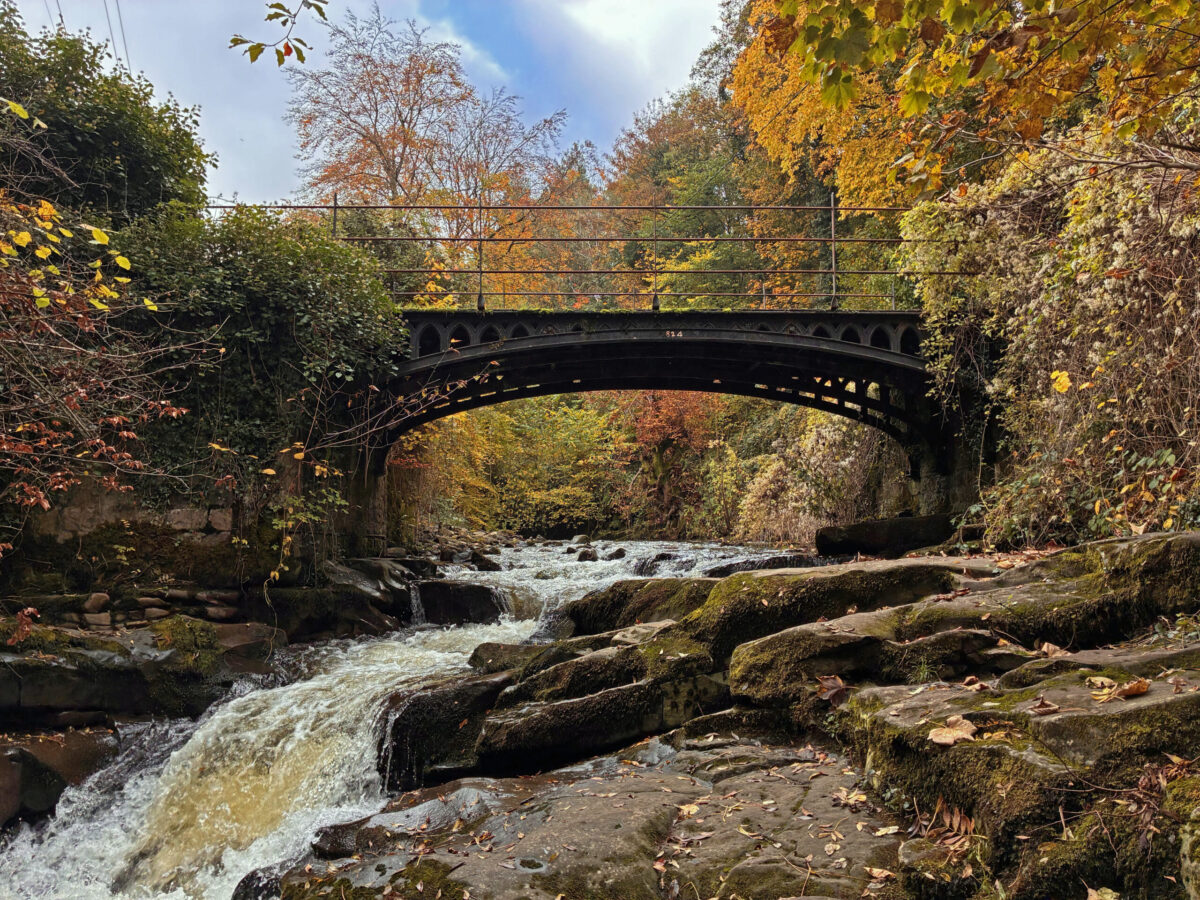
The ever-elegant Smart’s Bridge leading to the ironworks is as wonderful an approach as you can imagine into the industrial past.
We are probably so used to seeing steel being used in modern day building that it is easy to forget just how much of leap forward this was. Dated to 1824, construction using iron was still in its infancy really and this bridge is so pleasing to the eye.
From the gentle, elongated curve of its span to its ‘gothic lancet window tracery’ cast in a perfect pattern, diminishing in size from its outer edge to the centre, everything about this structure is as beautiful today as on the day it was placed in situ.
Every time that I see it I am reminded of a cathedral, for although it is in reality quite small, it has that sort of presence and yet its purpose was humble … to connect the ironworks with the other side of the river.
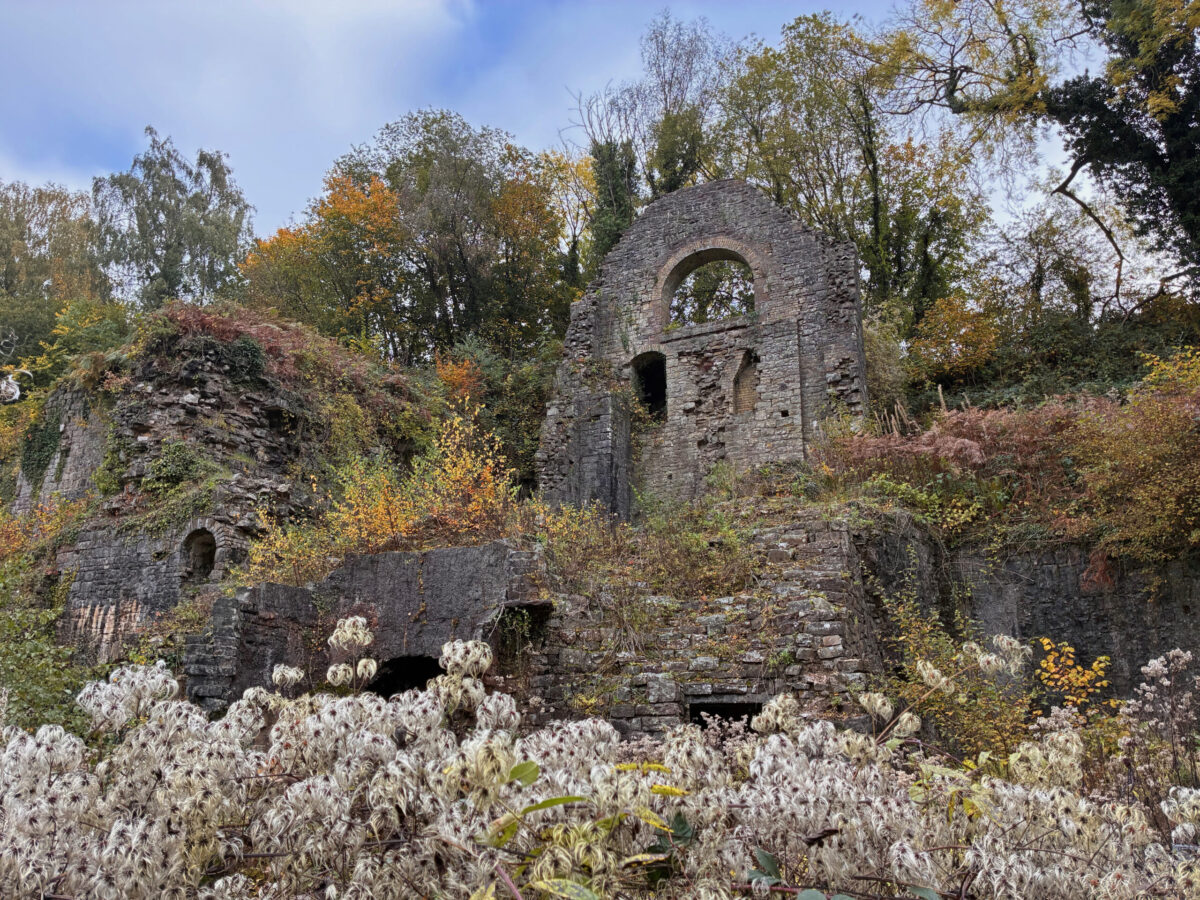
My thoughts often turn to the paintings and drawings of the great artists when I am walking and Clydach Ironworks has the feel of Turner about it ruined walls, reminding me so much of his watercolours of Tintern Abbey and his sketches of the works at Cyfarthfa. He was a prodigious artist in so many ways and had such a great talent for capturing the essence of his subject matter.
I am also drawn to the way that ruins like this co-exist with Mother Nature doing its best to recover what is rightfully hers.
Today, you will see its blast furnace walls majestically rising above a sea of ‘Traveller’s Joy or Old Man’s Beard’ adding to the romanticism of place that was built for the dirty, smoky work of iron production. This is heritage that makes you think.
I feel sure that that I will return to Clydach Gorge in a future article, it certainly deserves it,
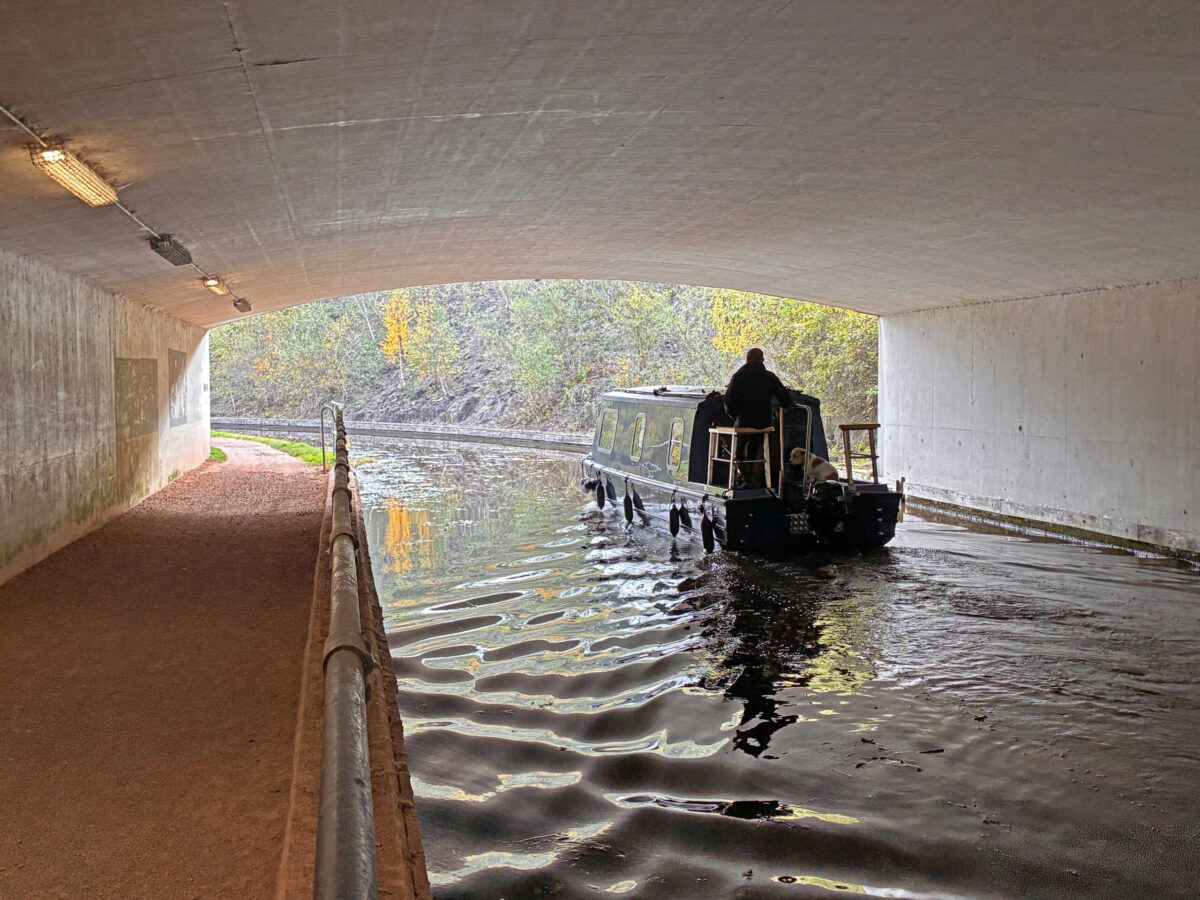
But getting back to the main focus of this walk … stepping out along the canal at Gilwern felt good and it was all the more delightful to begin my walk beside a local boat being taken out for a jolly time with the owner and his faithful dog at the helm. What a perfect way to spend the day.
The old and the new sit together so well here to accommodate the modern road improvements and I found myself admiring the way that the engineers involved maintained the integrity of the waterway with concrete. I know that some may call it ‘brutal’, but there is an honesty about the building work and for me the crucial point is that the navigation is uninterrupted.
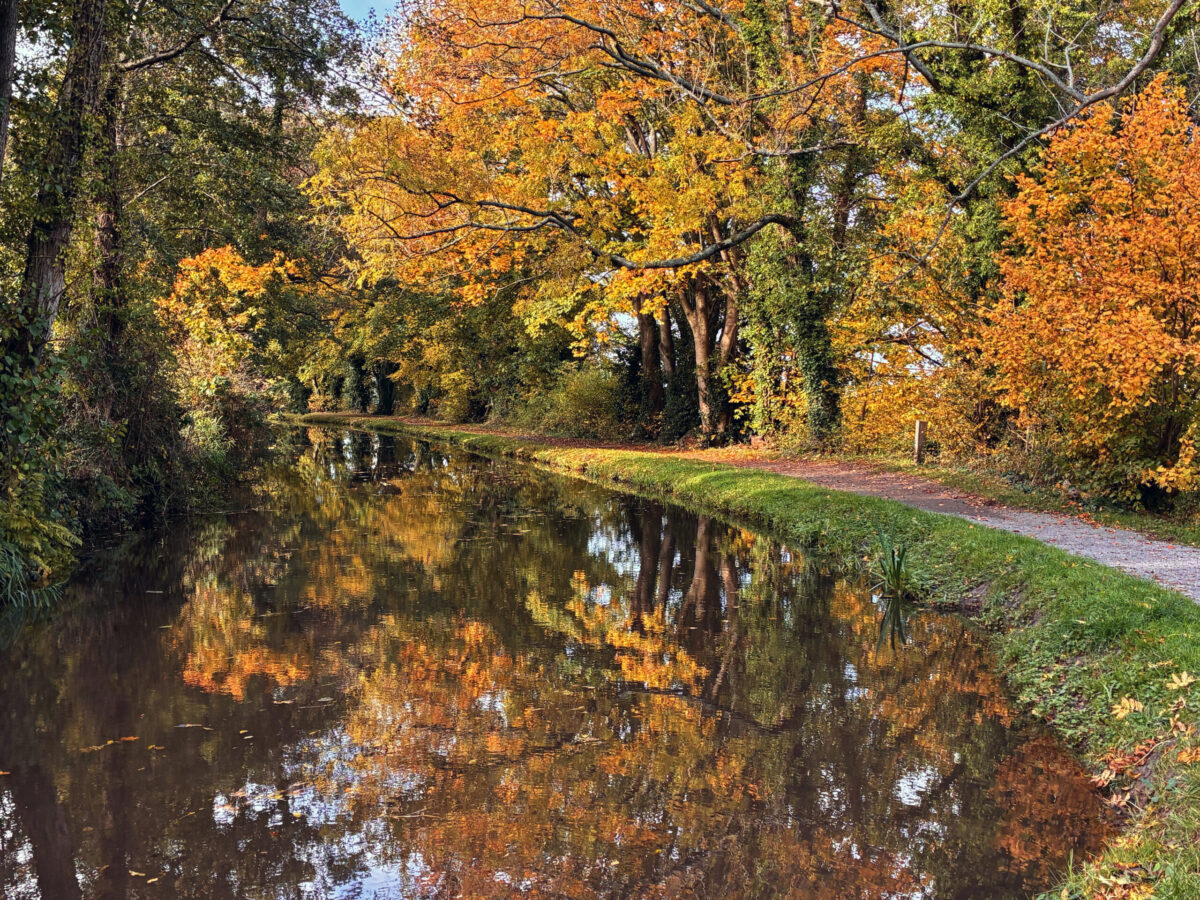
The path continues towards Govilon which is only a short distance away, but it would be a mistake in my eyes to walk this stretch too quickly just now as it has to be one of the prettiest paths that know. I was certainly in no hurry at all and found myself taking one step forward and two steps back just to take in everything.
To me it felt as if I was walking within the canvas of landscape at one with the majestic, vibrant golds and copper browns set against a backdrop of sumptuous greens of every shade. Even the muddy brown water was glorious in its reflections.
Back in the day, when the horse drawn boats plied their trade, I am sure that the scene would have been very different. In all likelihood, the tree lined banks that we have become accustomed to, would have been altogether more barren as the autumn leaves and fallen branches and quite possibly fallen trees would have impeded the business of transport.
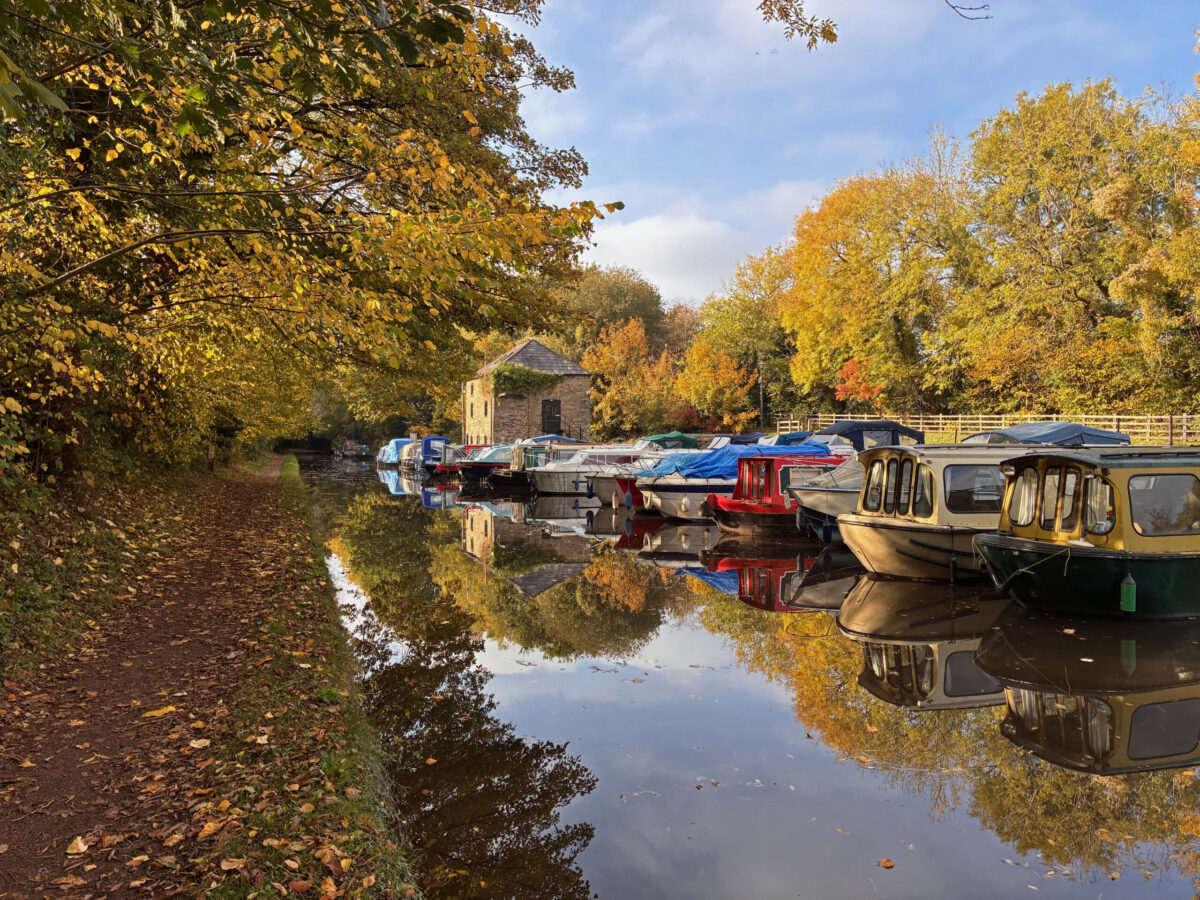
The wonderful October light held as I reached Govilon Wharf. What would the workers of the early 1800s have made of the pleasure boats lined up like piglets feeding on a sow, beside Bailey’s Iron Warehouse?
I am sure that they would have rubbed their eyes in disbelief at the many craft of every shape and size on display and each one built for cruising at a gentle speed.
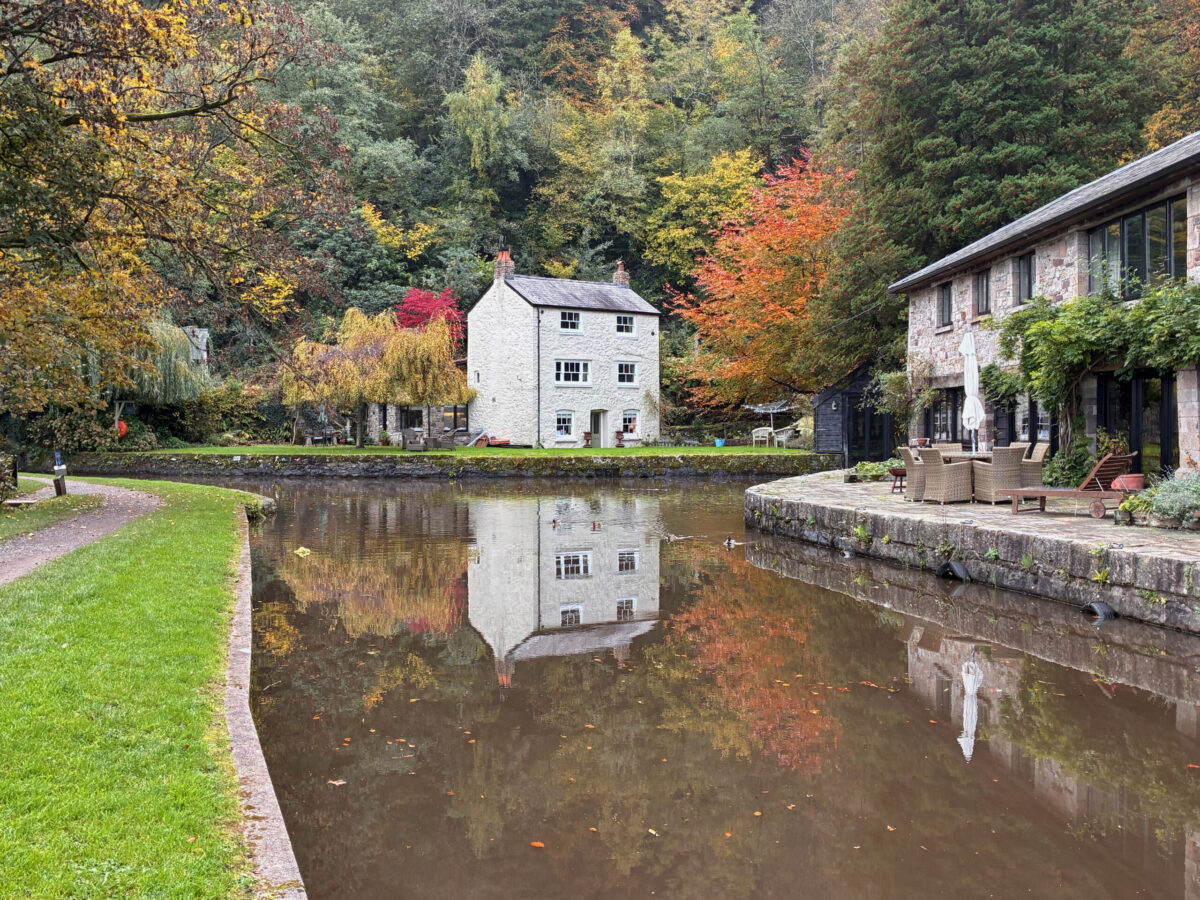
For such a short canal, the Mon & Brec has many jewels along its length, but Llanfoist surely has to be one of the special places.
I have walked here many times, but I never tire of it and it was with a sense of joy that it came into view. The buildings are hugely significant, owing their construction to the growth of the Blaenafon’s iron industry.
The wharf provided the crucial transport link that enabled iron to be carried to Newport efficiently and it is so lovely to see the old wharf manager’s house and warehouse survive with new purpose as dwellings and holiday lets.
You can easily spend a lot of time here exploring. Just a short walk into the woodland behind the buildings there are the remains of one of the incline planes which allowed the movement of goods between the canal and the horse drawn tram road above, which skirted the Blorenge mountain. An amazing feat of engineering and surely one of the reasons that the Blaenavon landscape was listed as a World Heritage site.
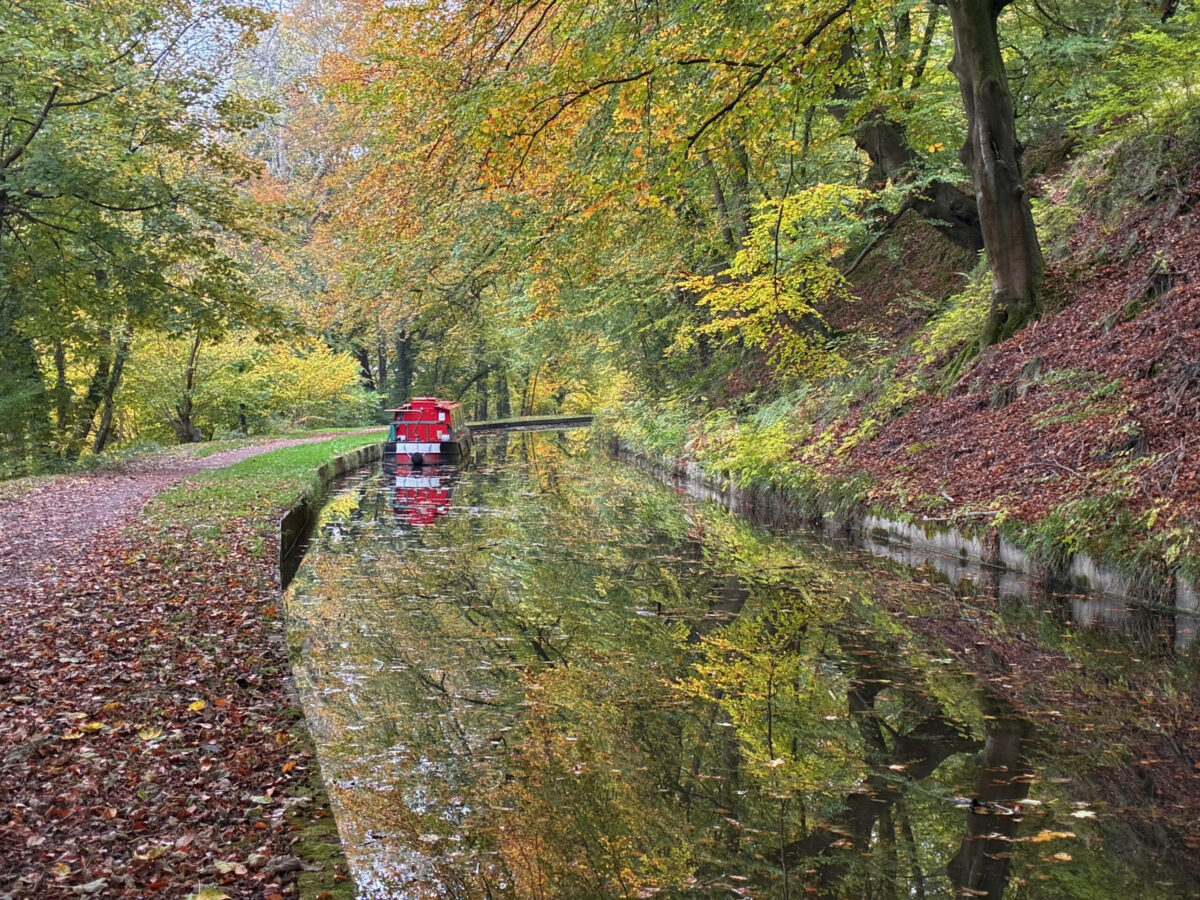
No matter how familiar you are with a location you can always learn something new. I don’t think I have fully appreciated before just how incredible it was to build this canal on the side of the Blorenge Mountain.
The steepness of its location on the hillside is really quite impressive and yet is so easy to overlook.
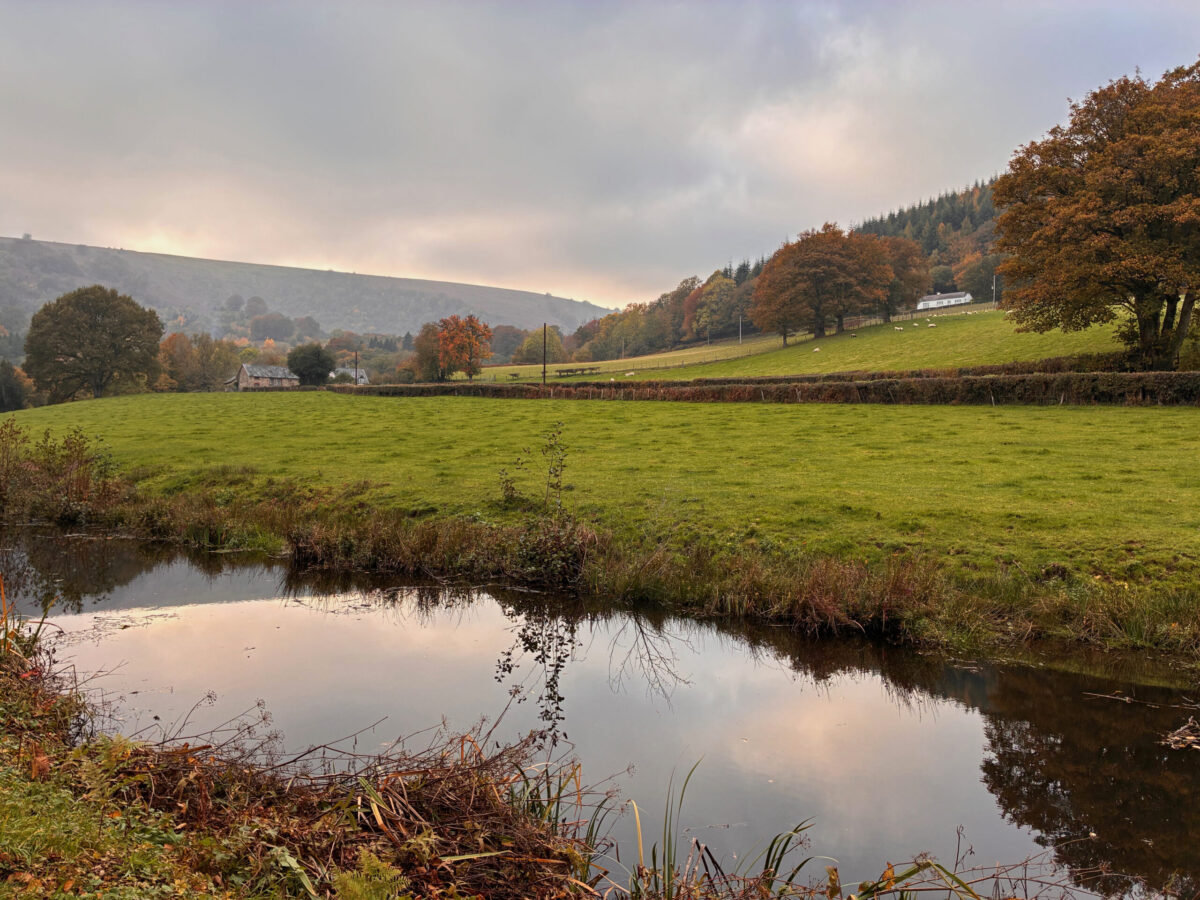
This becomes even more apparent about half way to Goytre Wharf from Llanfoist as you leave the mountainside behind and the landscape becomes more open. Though, I could now sense the light rapidly fading. I felt the need to press on.
And … as my thoughts turned to heading for home, I felt a huge connection with the boatmen of yesteryear.
The Canal Age was most certainly a huge step forward in transport, but it must have still been very demanding on both the men and the horses to manoeuvre the boats. I suddenly realised, that at times they would have been doing this in complete darkness.
Then, like now, life just happens and as I walked, I felt a sense of their worries if they were delayed for any reason, especially as the darkness beckoned in the colder months of the year. Managing a hefty, wet rope connecting the horse to the boat cannot have been easy at all, it must have felt like a leaden weight and all the more difficult without the light of the sun.
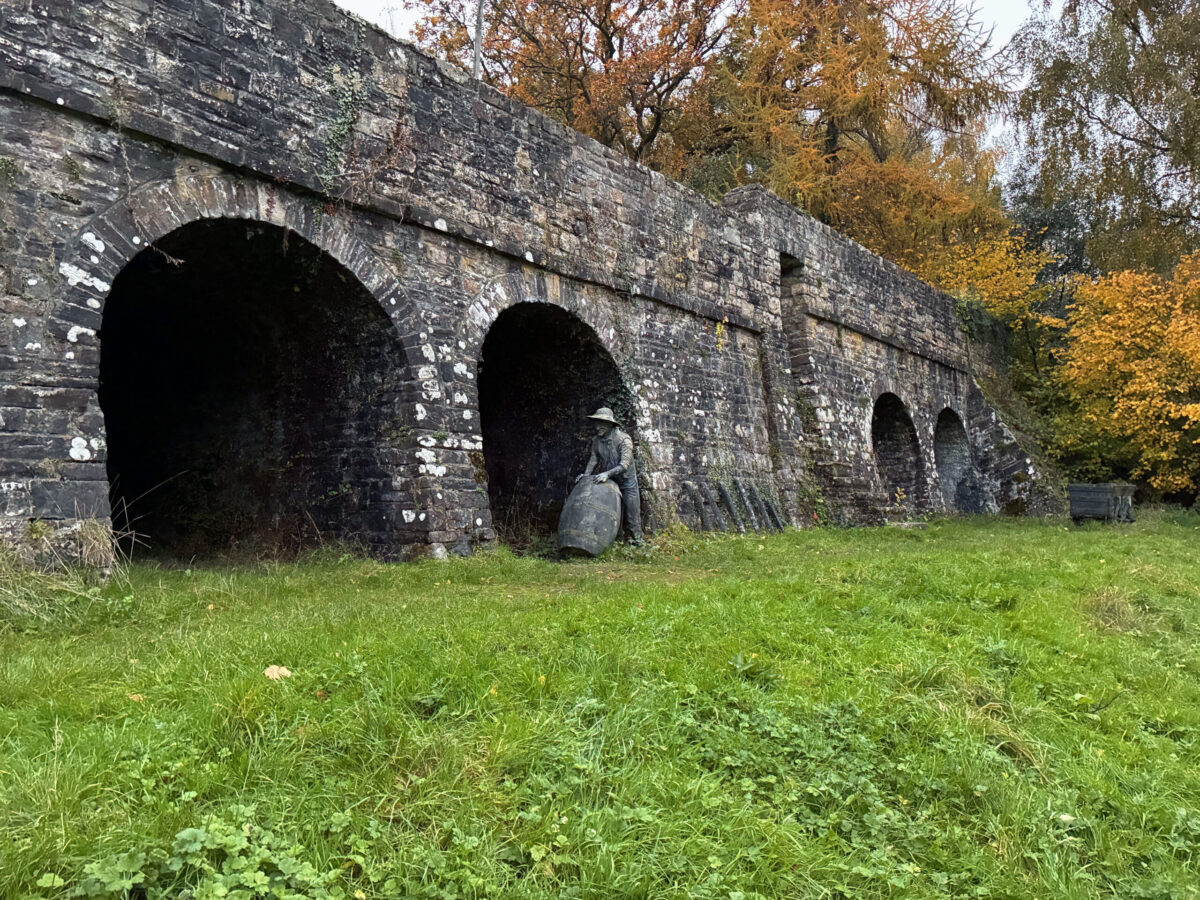
Goytre Wharf is a very popular location for day visitors and boaters alike and has an excellent car park and facilities making this an ideal stopping point, though on this occasion time was against me stopping too long, just enough to take a look at the old lime kilns.
Lime production was extensively carried out along the length of the Mon & Brec and the kilns at Goytre are amazing survivors, dating back to the early 1800s, but it must have been smoky indeed when they were in operation!
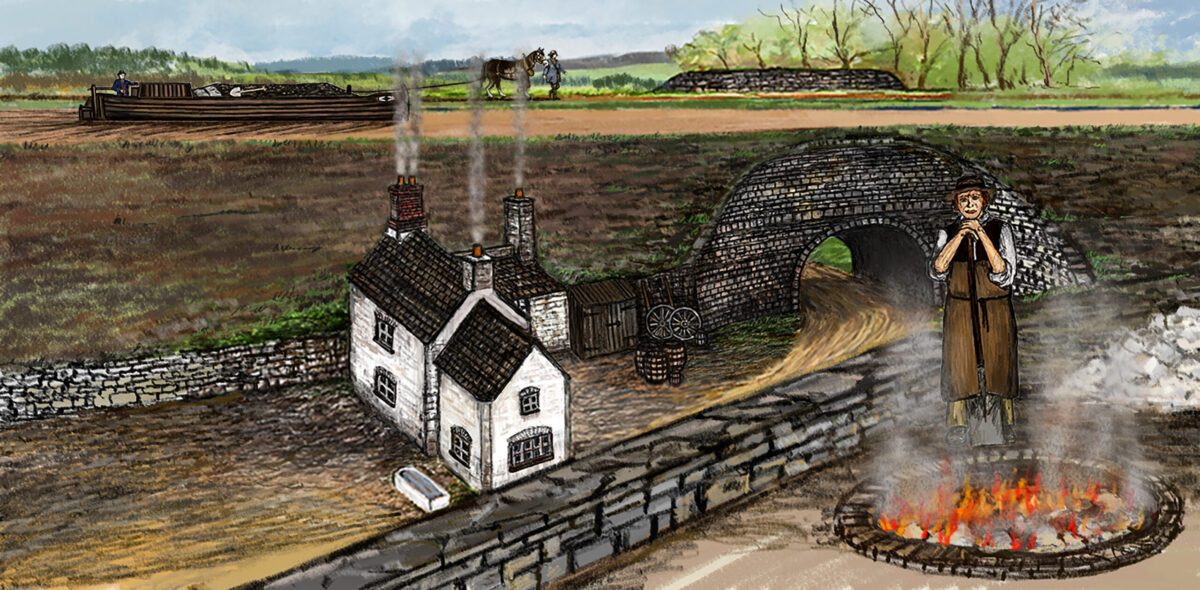
Approaching Pontypool I must admit to having a sense of relief that I had just about managed to complete this stretch of the canal before darkness had completely set in.
It had been a good walk and though the canal hereabouts is quite familiar to me, I found myself thinking about the Mon & Brec in new ways, especially from the point of view of a boatman.
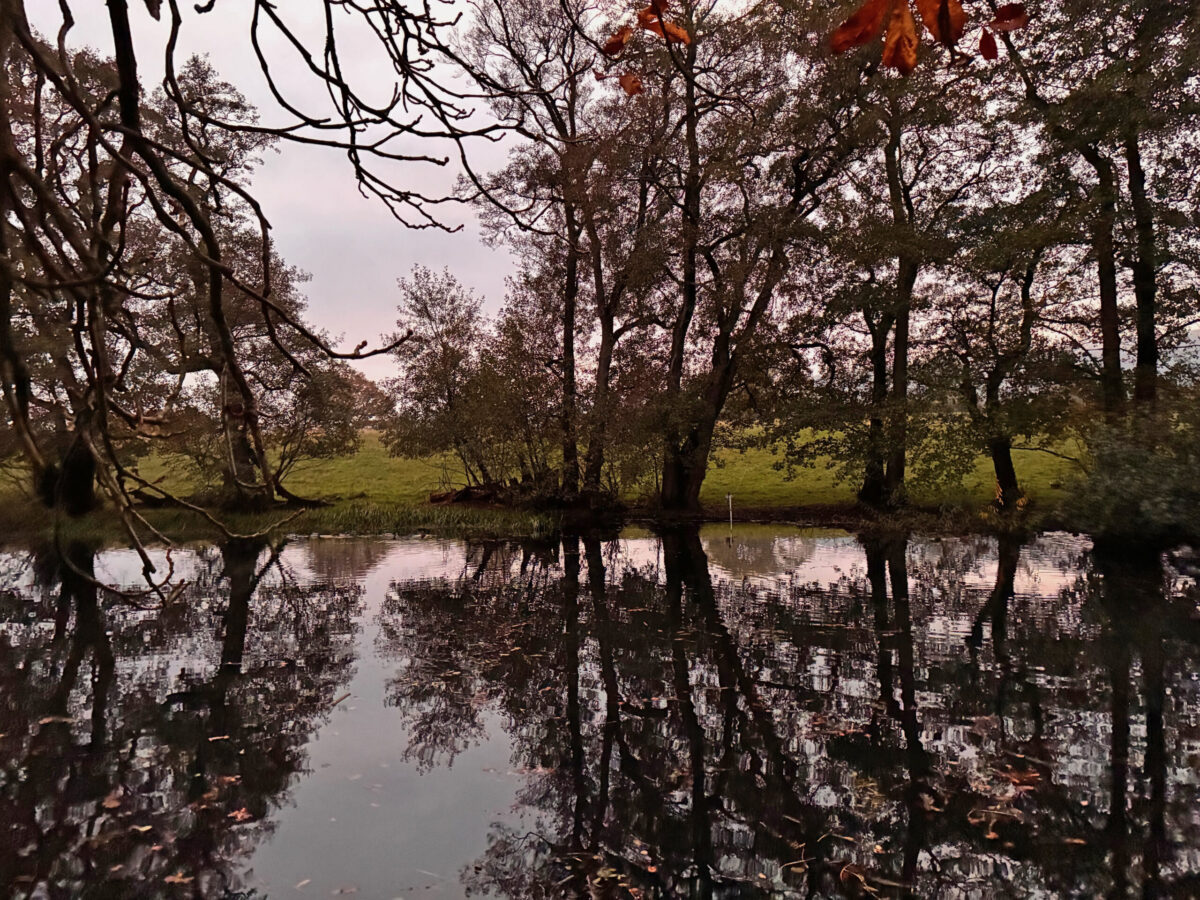
I hope that you have enjoyed the articles this year about the Mon & Brec covering the distance between Brecon and Pontypool. In all honesty they are but a taster of the many delights that this little canal has on offer.
With a fair wind in 2027 I will take a little look at what would have been originally ‘The Monmouthshire Canal’ from Pontypool to Newport, along with the Crumlin Arm.
Some Useful Information
Travel To Gilwern
On this occasion I took advantage of the local bus services, which were excellent.
My journey from Abersychan to Pontypool was on the Stagecoach X24 Service.
From Pontypool to Abergavenny, I travelled on the Stagecoach 23 Service – NB. Excellent visitor facilities at Abergavenny
From Abergavenny to Gilwern, I caught the Stagecoach 76 Service – NB- although only a small village the vistor facilities were very good.
Return home from Pontypool again using the X24
Photographs
All the photographs for this article were taken on the 31st October 2026
Previous articles by Tom Maloney about The Mon & Brec on Nation Cymru
Along The Cut from Brecon to Talybont
https://nation.cymru/feature/teithiau-tom-along-the-cut-from-brecon-to-talybont/
Along The Cut from Talybont to Gilwern
https://nation.cymru/feature/teithiau-tom-along-the-cut-from-talybont-to-gilwern/
Sources:
Clydach Ironworks
Heneb
https://heneb.org.uk/hcla/clydach-gorge/
Visit Monmouthshire
https://www.visitmonmouthshire.com/explore/brecon-beacons-national-park/clydach-gorge
Looking at Buildings – Gothic Lancet Tracery
The Mon & Brec Canal
The Canal and River Trust
Govilon
https://www.govilon.com/trails/places-of-interest/govilon-wharf
Goytre Wharf
Support our Nation today
For the price of a cup of coffee a month you can help us create an independent, not-for-profit, national news service for the people of Wales, by the people of Wales.
Get more trusted Welsh news
Choose Nation.Cymru as a preferred source in Google News to see more of our journalism.


