The devastating wait for adult autism diagnosis in Wales is leaving thousands struggling
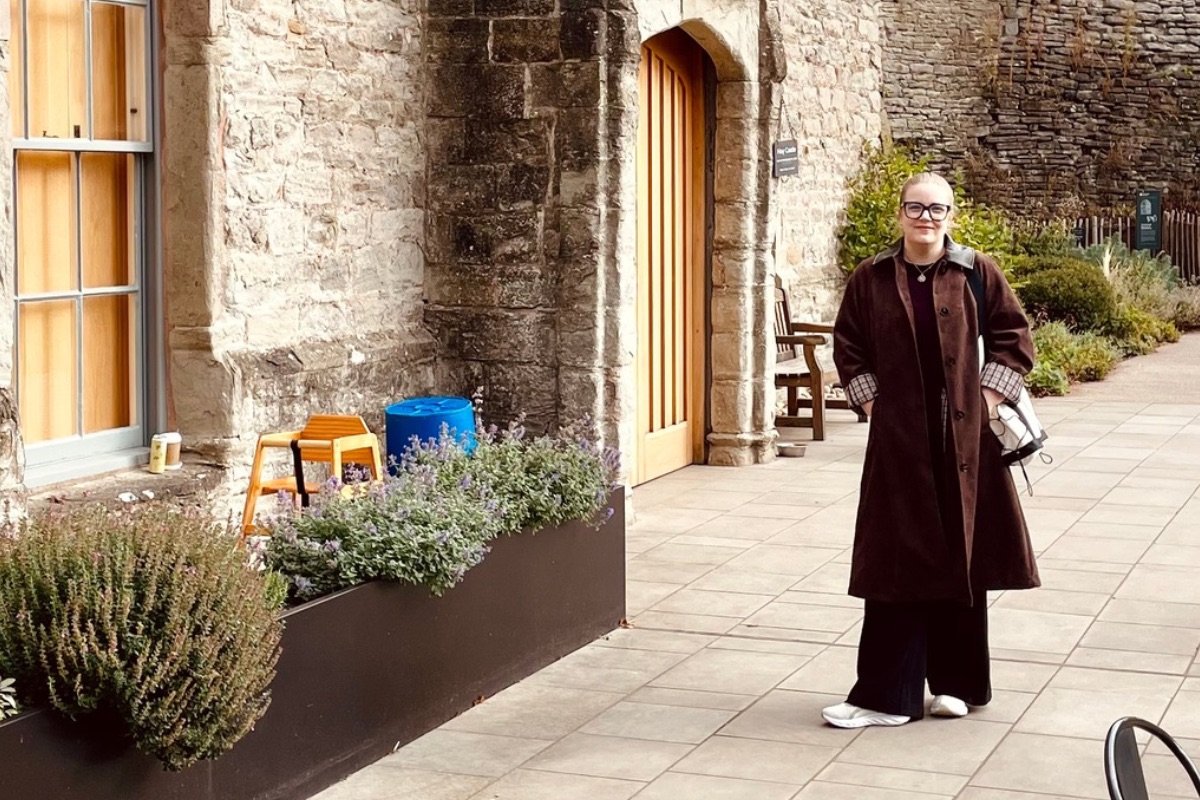
Emily Price
One of the most meaningful things about being diagnosed with autism as an adult is finally being able to understand yourself in a more forgiving way.
When I was officially diagnosed two weeks ago at the age of 37, the first emotion I felt was relief – I was able to put the pieces of the puzzle that represent who I am together in the correct order for the first time.
The things that had caused me confusion and shame for most of my life began to make sense and with my diagnosis came something I had spent much of my life desperately searching for – a little compassion for myself.
But I had to wait three and half years for an autism assessment in Wales – and this wait was devastating.
Since I was around 10-years-old I believed there was something fundamentally wrong with me, and that this made it difficult for others to love me.
As I grew up, I became overly critical of my own behaviour and would replay conversations in my head, agonising over interactions that other people seemed to navigate with ease.
I was bullied at school. I didn’t fit in. Other children didn’t seem to care about my interests which to me were everything. I could probably name almost every British bird, but I wasn’t clued up on the latest cool kids gadget or game.
As a teenager I began watching chick flick movies to help me write lists with pointers on how I could be accepted.
Some of the directions I would give myself sadly included learning to smoke, and bunking off lessons with girls I thought were popular – though looking back now, I can see they were just troubled.
But no matter how hard I tried to be “normal”, this new cool crowd turned to bullying me too, pointing out that I was “weird”.
I struggled to understand why people misunderstood my intentions and I often completely failed to recognise the intentions of neurotypical people.
When I became a journalist, I masked my autistic traits so intensely that it would have undoubtedly had a huge impact on my mental health.
I was desperate to fit in. I wanted politicians to take me seriously and colleagues to accept me.
I had told myself that no matter what professional industry I attached myself to, people like me would not be accepted.
The people branded “awkward’ and “strange”. The people who say the wrong things at the wrong time. The people with intense interests who can talk endlessly about their hyperfixations. The people who need to self-soothe, to stim. The people who miss unspoken social rules or fail to pick up on subtle cues.
But these are also the people who see the world differently. Who feel deeply. Who have an instinctive sensitivity to injustice – an autistic trait I’ve come to recognise as not just valuable in journalism, but fundamental to being a good journalist.
Before I was diagnosed, I became very good at presenting a version of myself that I thought the world would find acceptable.
But masking comes at a cost and after almost four decades, that cost had become enormous, both psychologically and physically.
Exhausted
Constantly monitoring how I interacted with others left me completely exhausted and disconnected from my own identity.
I was so busy trying to work out how to be the person I thought everyone else expected that I never stopped to consider what I actually needed.
Looking back, I should have been diagnosed much younger.
The signs were there. When I think about my childhood and teenage years, there are so many things that make sense now but were missed by others.
I was repeatedly misdiagnosed with mental health problems and unnecessarily prescribed antidepressants which didn’t change who I was.
I only began thinking I may be autistic after my own daughter was diagnosed.
I cannot help wondering how different my life might have been had somebody recognised my autism earlier.
I believe I would have spent less time trapped in cycles of self-harm, chronic shame and frustration, endlessly turning over what I perceived to be personal flaws and failures.
Had I understood how my sensory needs and social differences worked, I might have avoided a lifetime of anxiety and overwhelm.
My autism diagnosis will not magically make my life easier. It won’t undo the painful experiences of the past or make a younger Emily Price feel any better.
But it does give me a framework through which to understand myself better – and that framework will be life changing.
One of the hardest things about going undiagnosed as an adult is that I could not see that my differences were ok.
I always measured myself against neurotypical standards and would inevitably conclude that I was not good enough.
This would cause me to mask my autistic traits more, hiding that I couldn’t cope with certain environments, all the while believing that I was somehow failing at life.
I would criticise myself so much that eventually I became accustomed to ignoring my own needs.
I experienced this even in the moments when I should have been celebrating my achievements.
In the five years I have worked as Nation.Cymru’s news editor, I was twice shortlisted for the highly coveted Political Journalist of the Year award at the Wales Media Awards.
These were moments I should have been able to enjoy. Moments of recognition from other writers that I so badly wanted to prove myself to.
But the thought of attending the awards ceremony filled me with dread.
While others might have looked forward to an evening of conversation and celebration, I saw an overwhelming social event filled with awkward pleasantries, unfamiliar faces and unwritten social rules.
How would I hide my nervous rocking? Could I constantly measure my tone? How would I cope with the crowd and loud music?
I was terrified of it. And didn’t even attend the event when I made the top three best political journalists in Wales category the second time.
That is the contradiction and cost of being an undiagnosed autistic adult. You can build a career and appear outwardly successful while privately struggling.
Autism assessment
Thousands of people in Wales are currently waiting for an autism assessment.
The process from referral to the final five hour assessment with a panel of specialists takes years.
During that time, undiagnosed autistic adults will be inevitably pinging around mental health waiting lists while they struggle to understand why they feel they don’t fit in.
Having recently gone through the diagnostic process myself, I know how dark and depressing that road can be.
Waiting for an answer when you have spent decades questioning who you are is brutal.
There are undiagnosed people drifting through adulthood in Wales right now, unaware that their difficulties may be connected to autism.
I believe autism assessment waiting lists are growing because the Welsh Government is having to confront the consequences of generations of autism under-diagnosis among adults – particularly women – who were overlooked when they were children.
Before writing this article I asked the Welsh Government why there wasn’t a national waiting list target for autism assessments for adults.
I asked if ministers were concerned that undiagnosed autistic adults could be cycling through mental health pathways – such as counselling or medication – that fail to account for their needs.
I also asked if ministers were concerned this could be making mental health waiting lists even longer and questioned what support is on offer for autistic adults left waiting years for a diagnosis.
‘Too long’
A spokesperson for the Welsh Government acknowledged that the waiting lists for autism assessments are “too long” in parts of Wales.
They said the government is working to improve the consistency and quality of waiting time data and that ministers want to develop “sustainable services with timely assessments and support” for people before, during and after their assessment.
Thankfully for me, the waiting is finally over and I now understand that many of the things I spent my life trying to fix about myself were never flaws in the first place.
I wasn’t failing at being a person.
I was autistic.
But my diagnosis doesn’t stop me feeling deeply sad for the thousands of undiagnosed autistic adults in Wales who are still waiting for answers about themselves and an explanation for the challenges they face.
Support our Nation today
For the price of a cup of coffee a month you can help us create an independent, not-for-profit, national news service for the people of Wales, by the people of Wales.
Get more trusted Welsh news
Choose Nation.Cymru as a preferred source in Google News to see more of our journalism.