

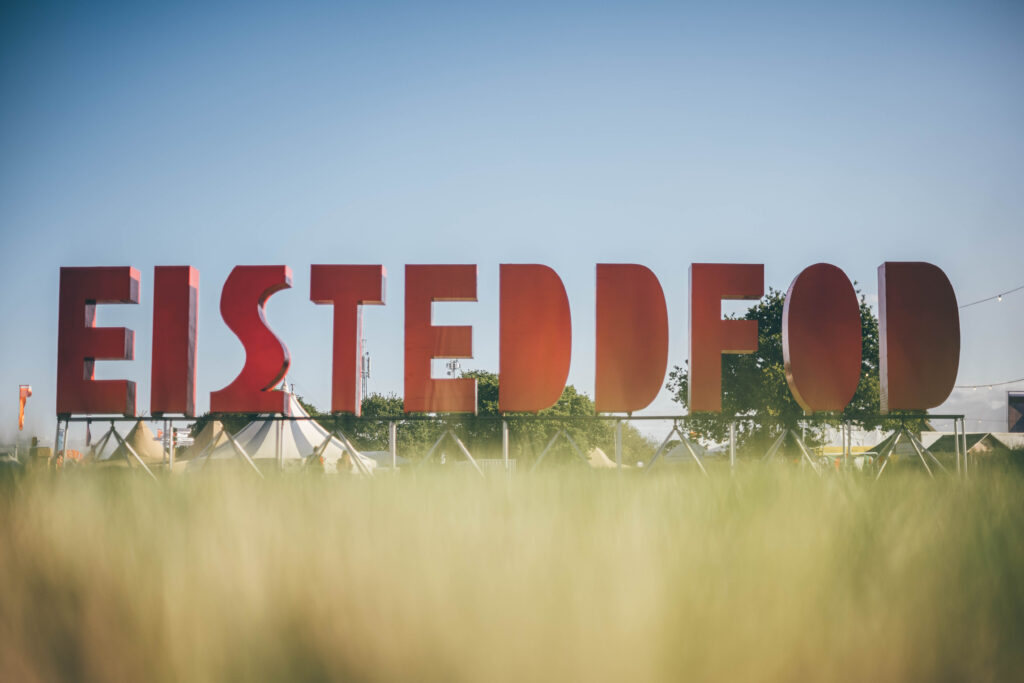
The Eisteddfod at 850: Rooted in community, looking to the future
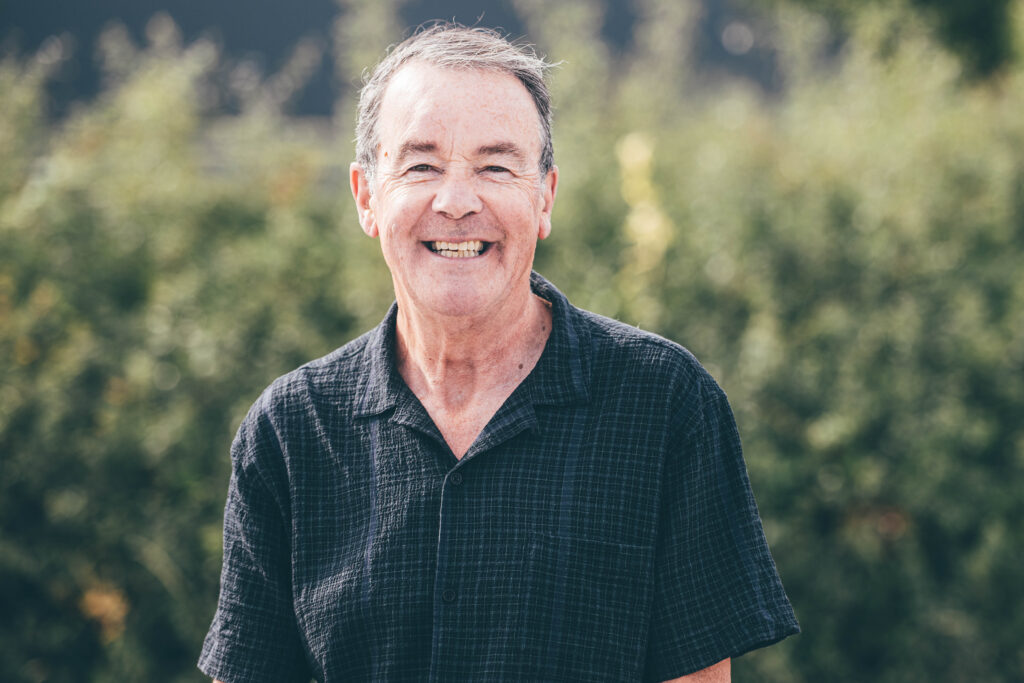
Nic Parry
When the Eisteddfod travels around Wales, it does far more than arrive in a field for a week in August. It enters a community, listens to its stories, draws on its people and leaves behind relationships, confidence and a renewed sense of pride.
When I became Chair of the Eisteddfod Board just under twelve months ago, I knew I was taking on a role which carries with it significant responsibility and expectation – but also one bound to history. The National Eisteddfod belongs to Wales, but it also belongs very personally to the thousands of people who compete, volunteer, visit, fundraise, perform, organise and return to the Maes year after year.
That’s why I believe the conversations taking place through our Maes Chi events this month matter so much.
Before we gather at Eisteddfod y Garreg Las in Llantwd this August, we are taking the Eisteddfod out to communities across Wales. We want to listen, to share ideas and to talk openly about the future of the festival.
It would be easy to assume that, because the Eisteddfod has been part of our national life for so long, its future will take care of itself. But no cultural institution has that luxury. If we want the Eisteddfod to thrive and remain relevant for the next generation, we have to keep asking what it is for, who it reaches, and how it can continue to reflect an evolving Wales.
For me, the answer begins with community. The Eisteddfod is far more than a week-long festival in August. It arrives at a place years in advance. It brings people together through local fundraising, volunteering, artistic activity and commitment from across communities. By the time the Maes opens, the Eisteddfod has already made its mark.
The festival has changed enormously over the years, and today’s Maes contains far more than the traditional stage. But at its heart, remains the competitions. They launch careers, nurture confidence and give writers, performers, musicians and artists a platform like no other.
Some take part with professional ambitions, others do so for pleasure and a sense of belonging. Both are equally important.
This year brings an added sense of history. We are marking 850 years since the first recorded Eisteddfod was held at Cardigan Castle in 1176, hosted by Lord Rhys ap Gruffudd.
To trace a living cultural tradition across eight and a half centuries is extraordinary. To see it still evolving and thriving, still attracting new people and still speaking to contemporary Wales is even more striking.
That conversation is not only about the past of course. As the Eisteddfod begins work on its strategy for the next five years, we need to hear from the people who care about it most.
What should the Eisteddfod do better? How can it reach more people? How can it support the Welsh language, creativity and community life in a way that feels ambitious, relevant and open?
Maes Chi is part of that process. It’s an invitation to ask questions and to challenge as we shape the priorities that will guide the organisation to 2031.
The sessions are open to all, and simultaneous translation will be available, because this discussion belongs to everyone who feels a connection to the Eisteddfod – whether that connection is lifelong or just beginning.
The tour begins in Cardiff on 16 June, followed by Swansea on 18 June, Bethesda on 23 June and Ruthin on 25 June. A further session will take place on the Maes during Eisteddfod y Garreg Las on 7 August. Each event is a chance to talk about where we have come from and, more importantly, where we go next.
The challenge is to honour what makes the Eisteddfod unique while allowing it to keep evolving. That has always been its strength. It belongs to us all, but every year it takes on the character of the place that hosts it.
After 850 years, the Eisteddfod is still here. Its future will depend, as its past always has, on people turning up to compete, to volunteer to celebrate and to make the Welsh language visible in all its creative forms and expression.
Support our Nation today
For the price of a cup of coffee a month you can help us create an independent, not-for-profit, national news service for the people of Wales, by the people of Wales.
Get more trusted Welsh news
Choose Nation.Cymru as a preferred source in Google News to see more of our journalism.


