
The forgotten Welsh origins behind a Christmas classic
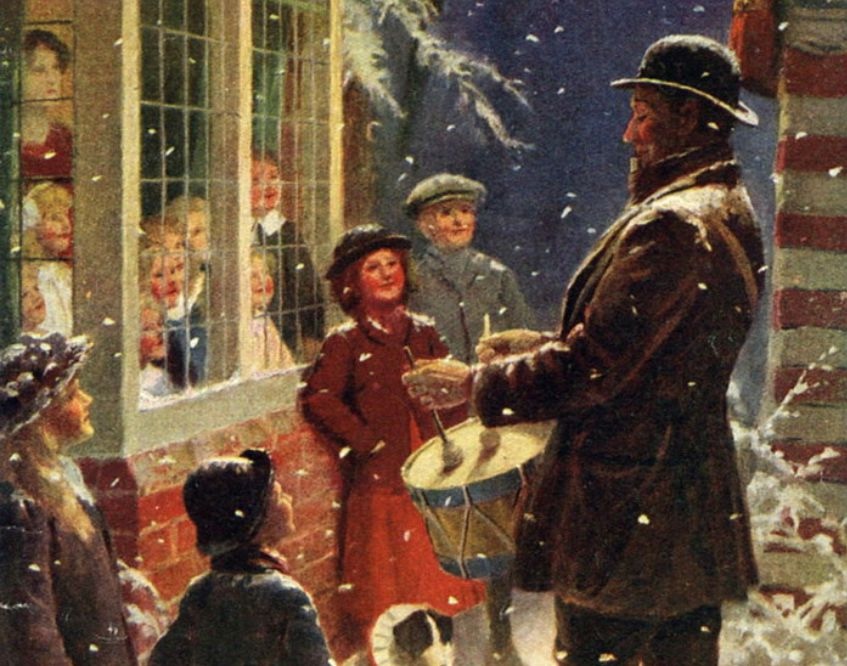
Whether you love them or hate them, carols are an essential part of the festive season. But did you know that one of the all time classic carol choices is actually a traditional Welsh song?
Mhara Starling – The Welsh Witch, a social media content creator, posted a video explaining that Deck the Halls actually has its origins in Welsh New Year celebrations.
“Yes, it’s true,” Mhara says. “The tune that we now know of as Deck the Halls was originally from a Welsh song, but it wasn’t about decking the halls and it wasn’t even a Christmas song.
“You see, in Wales, for the longest time, Christmas was not the main event of the Yuletide/winter/December holidays. It was New Year, or Nos Galan. Christmas was a rest day, but it was a day to go to church and sing, whereas New Year was the time for fun and frivolity.
Hen Galan (old New Year) was traditionally celebrated on 13 January. But after 1752, Britain began using the Gregorian calendar rather than the Roman Empire’s Julian calendar, and Nos Galan slowly became the norm.
However, many Welsh communities continued to celebrate Christmas and New Year ‘late’ in line with the old calendar. Even today, in the Gwaun Valley, children still get an unofficial day off from school to enjoy Hen Galan.
As Mhara mentions, Hen Galan was usually a bigger celebration than Christmas, with ‘Calennig’ (New Year gifts) handed out to children and, of course, the mischievous Mari Lwyd paraded through towns and villages.
Mhara continues: “With [Nos Galan and Hen Galan] being such a big thing within Welsh culture, there are a variety of traditions and customs surrounding that time, and also songs and poems and lovely things like that.”
The enduring song’s Welsh version, popularly known as Nos Galan, features the lyrics:
Oer yw’r gŵr sy’n methu caru,
Fa la la la la, la la la la.
Hen fynyddoedd anwyl Cymru,
Fa la la la la, la la la la.
Iddo ef a’u câr gynhesaf,
Fa la la la la, la la la la.
Gwyliau llawen flwyddyn nesaf,
Fa la la la la, la la la la.
Mhara helpfully translates them to mean “cold is the man who cannot love. The dear mountains of Wales. To him and his nearest and dearest. Pleasant and joyful holidays over the next year.”
Mhara also explains that “There’s another verse all about how you should never spend more than you make. That’s not what the holidays are for. Now you know!”
Support our Nation today
For the price of a cup of coffee a month you can help us create an independent, not-for-profit, national news service for the people of Wales, by the people of Wales.



Christmas isn’t Christmas its PAGAN YULE Christians placed their fakemas and their no evidence birth of Jesus Christ over the top of the PAGAN festivals it was done to suppress paganism and call anyone who didn’t follow christianity a heretic/sinner etc hence the witch trials of the 1600’s, YULE 19th Dec – Jan 1st see the wheel of the year for the other Pagan festivals. Yule log, Evergreen tree indoors, candles to ward off evil spirits, pentagram star on top of tree, holly on door all decorated by witches.