

The lost Welsh language of food
Carwyn Graves
Words can be portals into entire worlds of fascination – and also flavour. Blenheim Orange, Brith Mawr and Bramley’s Seedling; apples aren’t just apples.
Sirloin, Shank and brisket; beef isn’t just beef either. In Wales, many of these terms have faded somewhat from everyday use in both the Welsh and English languages – though recent times have seen something of a resurgence of interest.
Riches
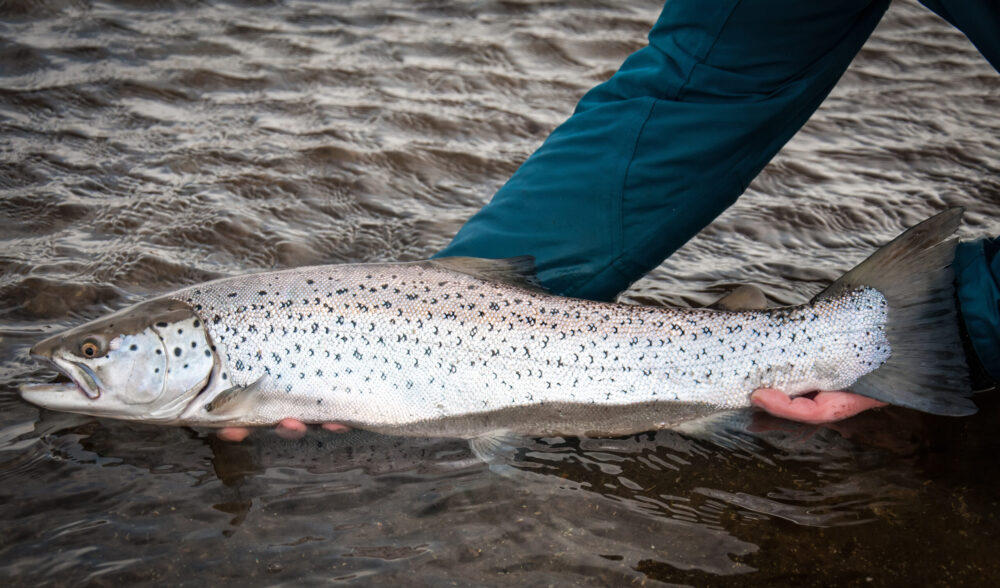
The directory of regional Welsh foods with protected status has grown to over 20 since its establishment in 2009. Discussing any of these traditional foodstuffs immediately open the door onto specialized and evocative vocabulary, whether that’s the world of sewin (sea-trout) fishing from coracles, the traditional draft boats (called ‘dorys’) used for mussel-fishing in the Conwy estuary or the herb forage of thrift, sea-lavender and samphire that gives salt-marsh lamb its unique taste.
But this terminology is only the tip of the iceberg when it comes to Welsh words for food. Specific terms for particular ingredients, dishes, preparation methods and even utensils dot our food landscape, and I have had the pleasure of learning many new ones while talking to local groups the length and breadth of the country.
‘Croglins’
In South Pembrokeshire, with its own historic dialect of English, I was introduced to the term ‘apple flap’ for an apple turnover. Intriguingly, given the historic links between the area’s anglicisation in the Middle Ages and Flemish settlers, ‘appelflappen’ also turns out to be the Dutch word for this autumn pudding.
Small potatoes? When below the Landsker line, these are ‘croglins’.
Yn Gymraeg, traditional words for foods and cooking seem to have no limit, with huge regional variation – but paradoxically, are often much less used among younger speakers, even if Welsh first language. ‘Lost’ terms for kitchen implements are often endearingly anthropomorphic; ‘clust jwg’ (or ‘jug’s ear’) for the handle of a jug, ‘dwylo menyn’ (‘butter hands’) for traditional clappers used in buttermaking.
‘Hogen’, they told me in Lampeter, was the name for a rich, buttery and flat cake that used to be baked as a treat for children (interestingly, ‘hoggan’ is also the name in Cornwall for a flat cake).
In the Teifi valley, I’ve lost count of the number of locals telling me about ‘Afal Wern’ – a local name for the apple variety known elsewhere as ‘Scotch Bridget’. Near Kidwelly, a traditional past-time was known as ‘fflwca’ or ‘fflwcsa’ – a dialect verb in that area with the specific meaning of ‘catching flatfish’.
Rediscovery
These terms and many more have been shared with me over recent years without my even going to look for them – people are keen to share these riches of culinary language. But interest in getting reacquainted with the specifics of food, not least through words, seems to be growing. Places like recent success The Jackdaw in Conwy and much-debated Irish ‘peasant’ restaurant Yellow Bittern in London betray a wider cultural interest in the rediscovery of ingredients and recipes from these islands.
On a policy level, calls have been made in recent months for food literacy for all school leavers to be embedded into the new Curriculum for Wales – in recognition perhaps of the fact that simply telling people to eat their 5 a day doesn’t have much impact on actual behaviour. And at the high-profile Abergavenny Food Festival this year, an entire session on stage is being dedicated to exactly this topic (yn Gymraeg, with translation).
If we don’t know what something is called – be that bits of offal in a chicken or a cooking apple tree in the back garden – we’re much less likely to be confident to do something with it, to give it a go. With TV food shows dropping off a cliff over the past year, perhaps attention is shifting to what’s around us, what we can actually do with it – and maybe even what it’s all called.
This is part of a monthly series on Nation.Cymru on the diversity of Welsh food culture by Carwyn Graves. You can read the other installments of the series here.
Support our Nation today
For the price of a cup of coffee a month you can help us create an independent, not-for-profit, national news service for the people of Wales, by the people of Wales.



On the Dee flatfish are know as flukes. Though I have always believed that it is an English word