


The unhealthiest high streets in Wales revealed in new report
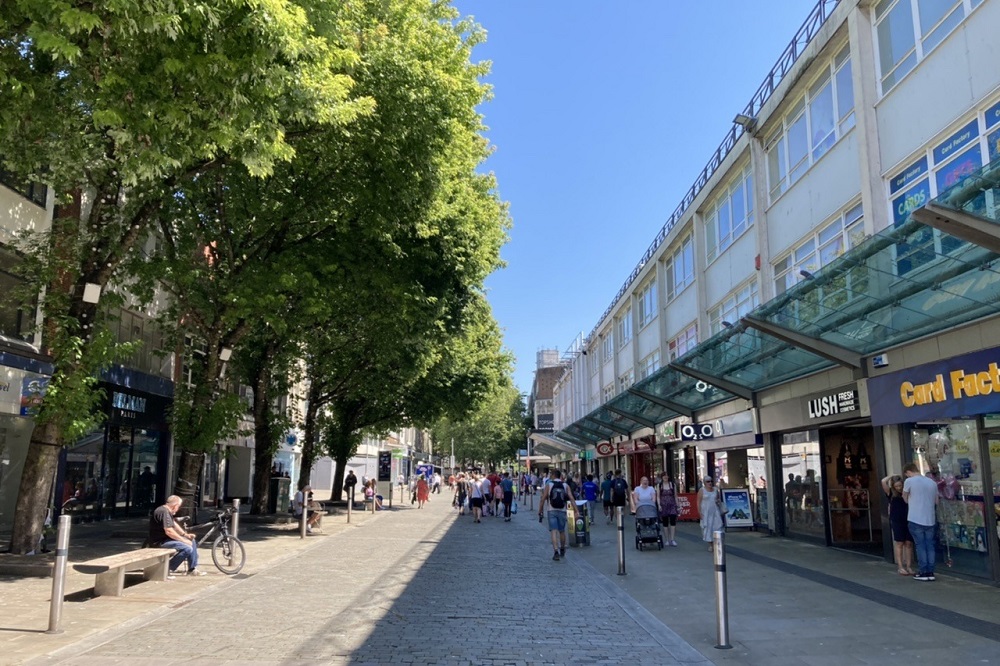
Wales’ most unhealthy high streets have been revealed in an extensive new health report.
The study examined more than 400 high streets, each over 700 metres long, ranking streets on the concentration of takeaways, pubs, sweet shops, vape stores, and gyms, alongside air quality data.
The new data-led report from The Independent Pharmacy has revealed Wales’ unhealthiest high streets, exposing how local environments are shaping the nation’s health.
Researchers analysed 419 UK high streets using Ordnance Survey data to create a unique ‘High Street Health Index’.
Below are the results solely from Welsh locations, with high streets in Skewen, Cardiff and Newport ranking high for the concentration of unhealthy establishments, including pubs, vape shops and takeaways.
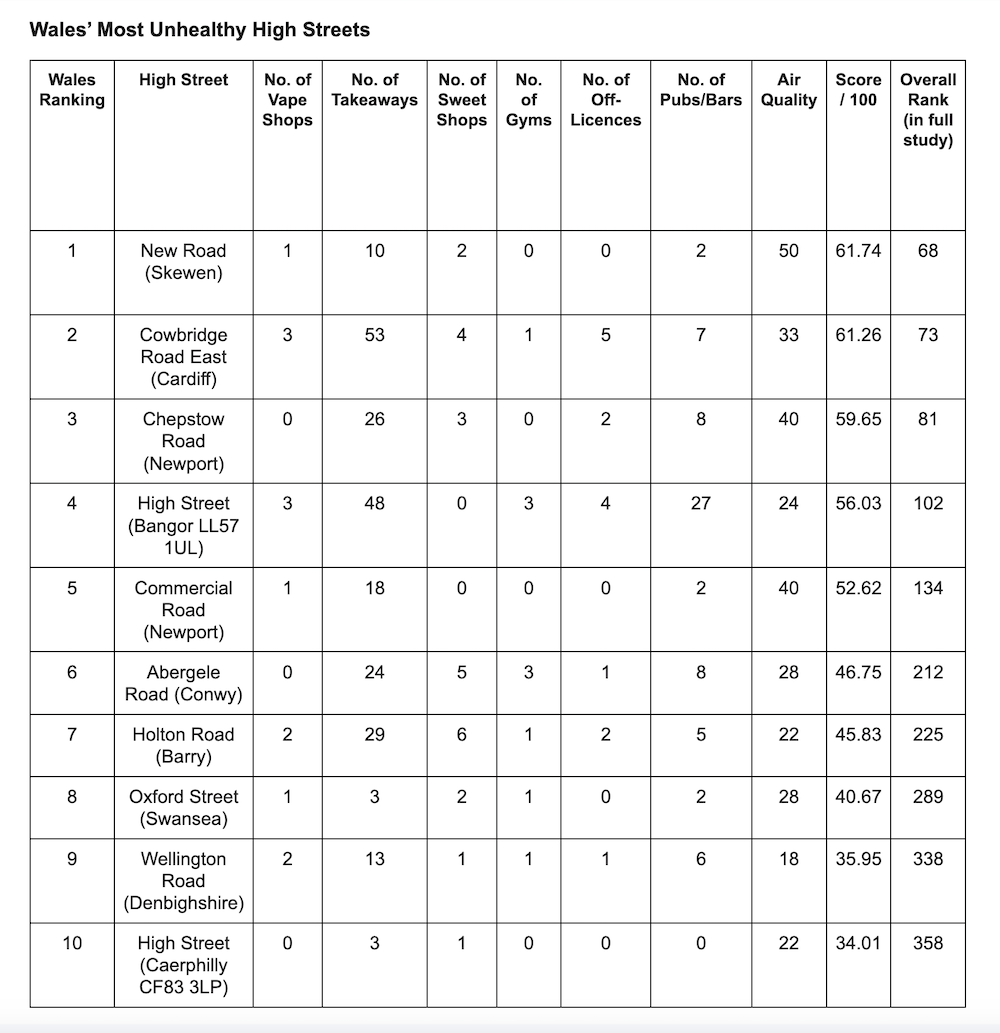
Wales performed relatively well as a region, with the most unhealthy high street in the country finishing in 68th place overall.
New Road in Skewen tops the Welsh list. In total, this high street offers 10 takeaways, two pubs, but no gyms. The lack of healthy alternatives means this area ranks as Wales’ unhealthiest high street.
Cardiff’s Cowbridge Road East ranks second in the country and 73rd overall. A high number of takeaways (53) and pubs (seven) make it one of Wales’s least healthy high streets.
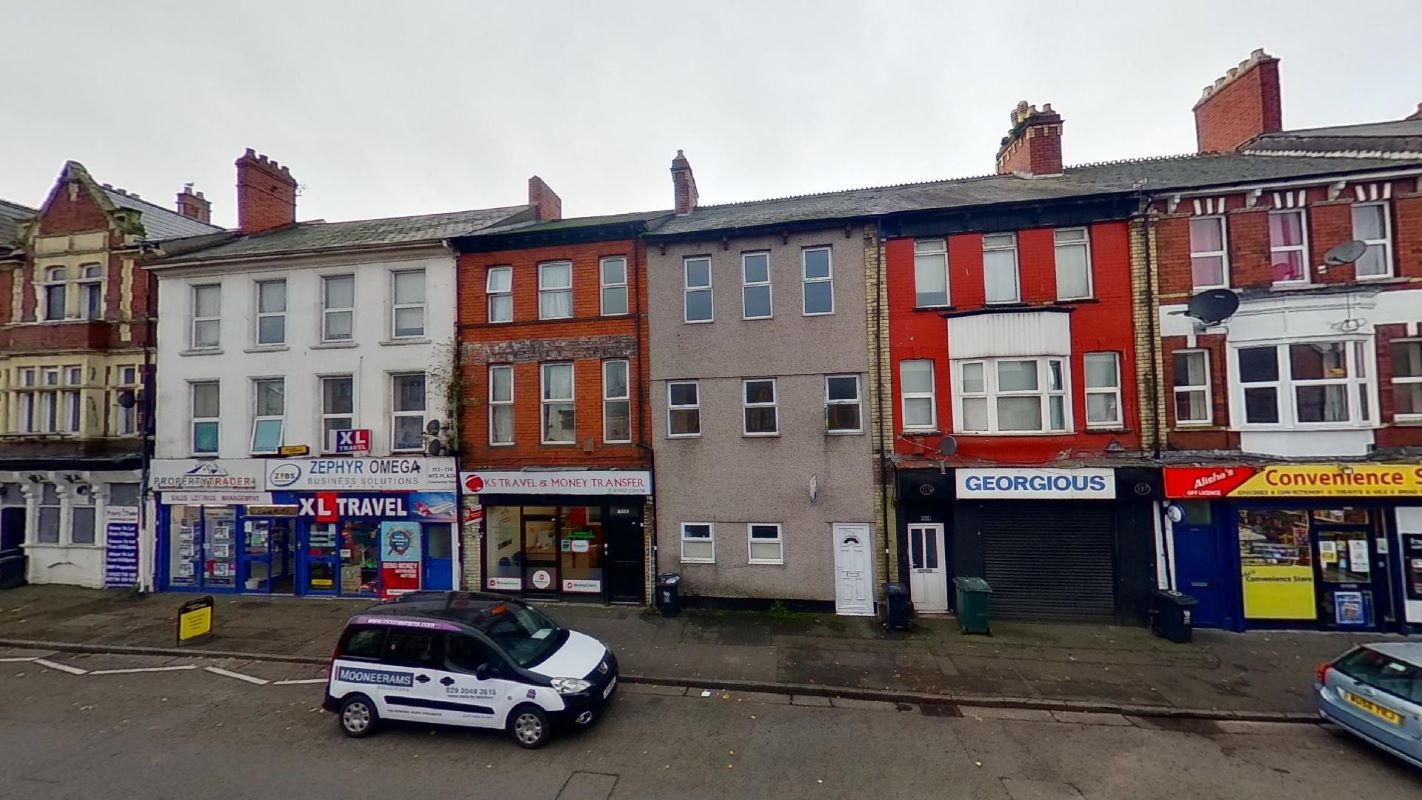
Both Chepstow Road and Commercial Road in Newport appear in the top five. Each high street features plenty of fast-food outlets, but neither location offers any gyms, which keeps it high on the unhealthiest list.
Bangor’s High Street (LL57 1UL) ranks fourth, with an especially high number of pubs (27) and takeaways (48) crowding out healthier options. Meanwhile, in Swansea, Oxford Street follows a similar trend.
Elsewhere, Holton Road in Barry records several sweet shops (six) and takeaways (29) with limited healthy outlets and a poor air quality rating (22), earning it a low health score.
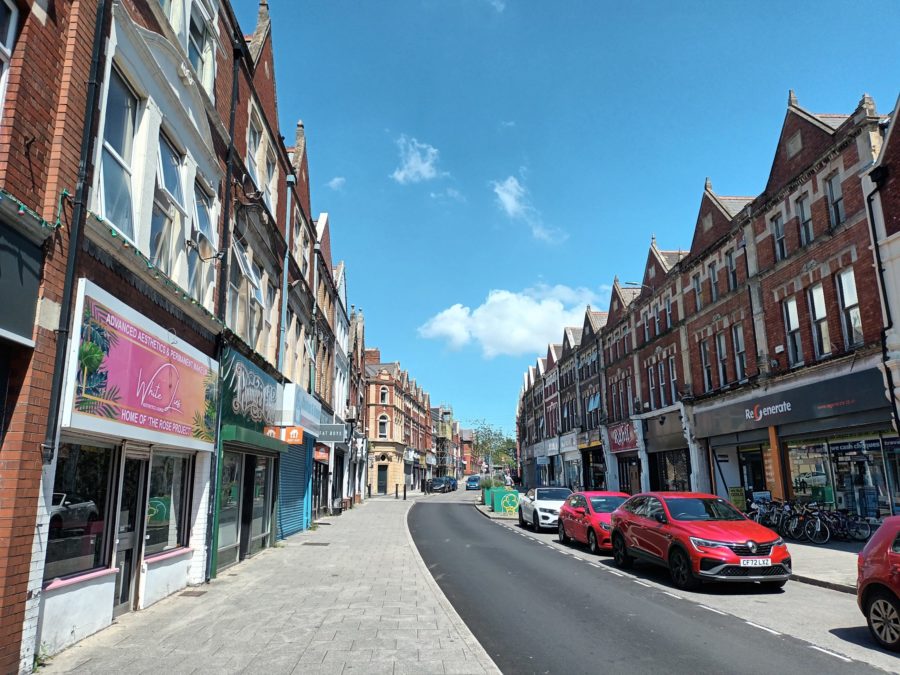
Abergele Road, in Conwy, is one of North Wales’s least healthy high streets. It has numerous takeaways and sweet shops, but few gyms or healthier alternatives. Despite this, it only placed 212th out of all UK high streets.
Finally, Wellington Road in Denbighshire and High Street (CF83 3LP) in Caerphilly are revealed as the ninth and tenth most unhealthy high streets in Wales.
The full study, including the UK’s 50 unhealthiest high streets, is available to view HERE
Why the health of high streets matters
High streets aren’t just shopping areas, they’re where daily life happens. When the default options on your doorstep are fried chicken, off-licenses, and vape shops, making healthier choices becomes an uphill struggle.
Dr Donald Grant, Clinical Advisor at The Independent Pharmacy, said: “Where we live often defines how we live. High streets should support healthy decisions, not make them harder. When fast food outlets outnumber gyms twenty to one, we’re setting people up to fail.
“In many towns, the unhealthy option isn’t just available, it’s unavoidable. Communities dominated by takeaways and alcohol outlets face higher risks of obesity, diabetes, and heart disease. It’s not that people don’t understand the risks; it’s that their surroundings make the healthy choice the hardest one to make.
“With almost two in three Welsh residents overweight or obese (60%), these high streets are feeding a growing public health crisis. If nothing changes, we’ll see shorter lives, poorer quality of life, and widening health inequalities. Britain’s health is being shaped not only in hospitals or GP surgeries, but on the pavements of its high streets.”
What can be done
According to Dr Grant, there’s no single fix.
“Improving the health of Britain’s high streets isn’t something one group can fix alone. It’s going to take coordinated action from local councils, urban planners, and public health teams.
“We need to see fewer takeaway outlets near schools, better access to affordable, fresh food, and more investment in green spaces and active travel. Those changes can reshape the environment to make the healthy choice the easy choice.
“On an individual level, even small shifts make a difference, eating more balanced meals, moving a little more each day, and using community or pharmacy-led support when needed. And for some people, responsible use of medical treatments such as weight loss injections can help tip the balance when combined with lifestyle changes.”
Read the full Unhealthy High Street Report HERE
Methodology
The Independent Pharmacy sourced the address, length, and number of buildings for over 4,000 high streets across the UK from Ordnance Survey. From this dataset, they selected only high streets measuring 700m or longer for their analysis. This threshold was chosen based on urban studies and retail planning classifications of typical high street lengths:
Small town high streets: 300–700m
Medium town or city high streets: 700–1,500m
Major city high streets: 1.5–3km (for example, Oxford Street is ~1.9km)
By focusing on high streets of 700m or more, they ensured that only medium to major high streets were included, making the comparisons fairer and more representative of significant retail and community hubs.
To assess the healthiness of these high streets, they analysed metrics including the number of pubs, bars, vape shops, sweet shops, off-licences, and gyms, which were gathered using Google Maps and Yell, while air quality statistics were sourced from WAQI.
Following data collection, each high street was given a score out of 100, with higher scores representing less healthy environments compared to those with lower scores.
Data analysis correct as of September 2025.
Data is available to view HERE
Support our Nation today
For the price of a cup of coffee a month you can help us create an independent, not-for-profit, national news service for the people of Wales, by the people of Wales.



Correct me if I’m wrong, but charity shops pay less taxes than other shops. If healthy food shops pay less taxes than junk food takeaways then there may be more?
There are different schools of thought https://www.rsph.org.uk/news/tax-online-retailers-and-invest-in-uks-declining-highstreets-says-leading-public-health-charity/ over online retailers.
Surely if a town such as Port Talbot had four food take-aways then the town planners could stop any further ones opening – would need a law change.
Research looks a bit lacking,
There doesn’t seem to be a figure for total number of retail outlets on a street.
Nor any count of the number of shops that could be classified as selling healthy products.
Maybe New road Sgiwen also has four green grocers and a couple of health food shops. Maybe unlikely but some relative values for unhealthy shops are also needed.
I know Bangor has a long high street, but 48 takeaways? What is wrong with the council that they grant licences for this? Even if every other shop was a wholefood shop or vegan cafe, it would not alter the fact that there are far too many unhealthy outlets. There should be a planning rule that determines a distance of, say, 300 mtrs between takeaways; at least you could walk a few calories off before that doner kebab.