


Three small steps to dramatically increase the wildlife around us
Jon Conradi, Wild Mosaic
A recent government report identified biodiversity loss as a strategic security concern for the UK. Creating risks to food, health and livelihoods.
We can see this all around us. Polluted water, more floods and droughts, the fading away of variety and abundance in the wildlife we grew up with.
There is work to be done to restore biodiversity. This includes implementing initiatives such as more nature friendly farming and rewilding.
Some people are concerned that interventions such as rewilding have gone too far. But a recent UN report shows that for every £1 that is spent on nature recovery, £30 is being spent on its destruction. We have a long way to go in both increasing the recovery and reducing the destruction.
Engaging people with restoring biodiversity can be a challenge. The term biodiversity can seem too technical. Whereas the word rewilding can be polarising.
This can be a challenge. How do you engage people and communities in work that many associate with taking people off the land?
Here are three interlinked approaches that will be critical in how we tackle the biodiversity crisis. I have seen these work in practice in my role as a founder of a rewilding business [www.wildmosaic.eco] and in our partnership with Radnorshire Wildlife Trust.
These steps are often smaller and easier than you might think. None of them involve releasing wolves on townsfolk, or even abandoning land.
Myths, Preconceptions and Online Disconnection
Headlines fight for our attention. They often need to have quick appeal and create a strong emotion to get us to click. This lends itself to exaggeration and extreme examples.
So, rewilding in the news tends to focus on charismatic animals, controversial topics and large-scale plans. Wolves and beavers; huge expanses of land; dramatic changes; emotional stories of hope and tragedy.
The reality is usually much more prosaic, but in many ways more interesting because of it. It’s the less aggressive hedge cutting that helps bring back butterflies. It’s wilder gardens that reduce the decline in pollinators. It’s small shifts in farming practices that bring multiple benefits.
These smaller examples are more practical and accessible for most of us, especially if we don’t happen to own hundreds of acres! They also show the power we have when we come together, creating transformative change, by looking to the small and everyday steps.
The online world creates a misleading picture of wildness. We regularly see the spectacular on our screens – a stalking lion, blue whales diving, birds of paradise courting. Then we look outside and it can feel underwhelming. But once you step out and start to engage in the work going on around us, and the signs of wildness returning, it becomes more real and accessible.
Building Connection to Wildness
Making it possible to get people closer to wildness is powerful. Some great work is probably happening near you, in your local wildlife trust. The wildlife trusts are a network that cover the UK. There are five in Wales and there is likely to be an area they manage near you.
Radnorshire Wildlife Trust is one example. They are exploring nature-friendly farming. The Pentwyn site is both a showcase and an experiment.
The aim is to use nature restoration as a way to re-engage people rather than as an excuse to exclude them from the land. An old public right of way is being restored and runs through the site. This includes rest stops and information points.
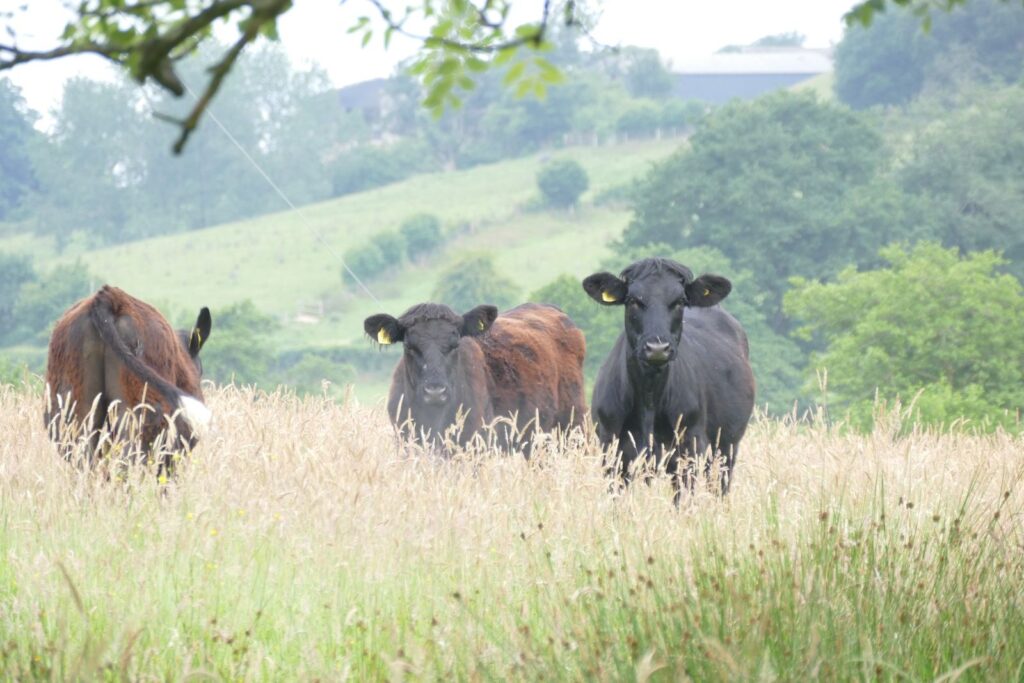
Visits are regularly arranged for schoolchildren and farmers curious about new nature friendly approaches. Livestock are actively used in the restoration process. The site has had Welsh hill ponies, Tamworth pigs, Belted Galloways and Welsh black cattle grazing and helping enhance biodiversity.
A network of local volunteers are actively involved in helping identify and record the wildlife that returns.
The partnership with my rewilding business means that more people can follow the progress of the site. I share how these interventions work and the wildlife that returns. Subscribers choose their own 3 metre by 3 metre tile of land to follow. This allows the land to reach people who want to do something to tackle the biodiversity crises and learn more about the process of rewilding in practice.
There are also reintroductions here but not those you might expect if you only follow rewilding in the news.
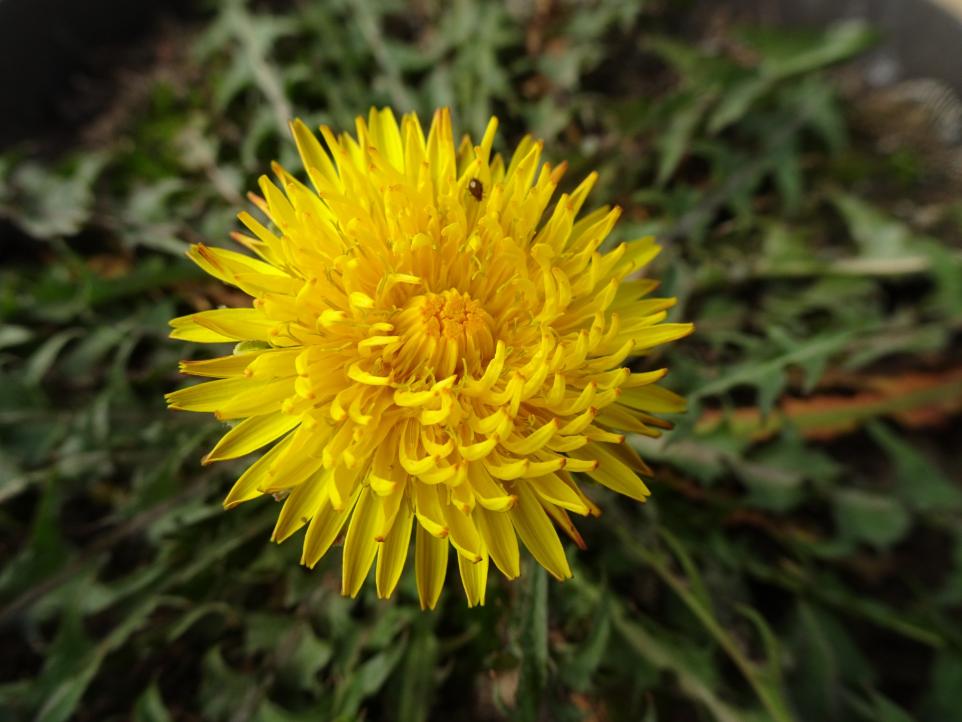
An example is the rare Brecon Dandelion that currently only has a tiny population spread over a few sites in Wales, it doesn’t exist anywhere else in the world.
Many gardeners may lament the introduction of dandelions, let alone a whole new species of them! But all species, especially rare local variants, tell us something about the land, our history and ourselves. They are each a result of millions of years of evolution. Intricate and subtle small changes over unimaginable time. No species stands alone, they co-evolve, and so helping re-establish one species is helping re-establish a missing strand in a web of life.
These are small changes. Each tile is a small amount of land. Each record and observation made by volunteers is small in the context of the huge scale of biodiversity loss. But these small steps, made together are how we can bring about significant change.
The Power of Partnerships
Many examples of successful restoration are partnerships. These can be like those between Wild Mosaic and Radnorshire Wildlife Trust. Or between the livestock farmers that are able to use Pentwyn to graze their cattle, whilst providing benefits to the Wildlife Trust.
It can also be partnerships of purpose. We often see a push for efficiency, a single-minded focus on short term profit. Arguably this has led to ecological destruction. The race to extract everything possible from the land, to try to serve markets that only see its value in terms of revenue.
One of the benefits of nature-friendly farming is to relax this pressure and find a new way. This often has echoes of older practices and looks across disciplines. Whilst it won’t work in every context, it shows how we don’t need to think about our land in terms of either farming or wildlife.
Achieving multiple benefits shows up regularly in the research on restoring biodiversity. It shows how nature based solutions can help reduce flood risk, secure food supply, improve wellbeing and reduce cost to the NHS.
Caring for nature is sometimes seen as a nice-to-have rather than a necessity. Increasingly we are learning that this is not true. Fortunately, ways to restore it bring multiple benefits, are on your doorstep and are at your fingertips.
***
Jon Conradi, launched Wild Mosaic, in partnership with Radnor Wildlife Trust, a pioneering and innovative subscription-based rewilding platform that makes rewilding a practical pursuit and affordable to all. It enables rewilders to sponsor and follow their own 3x3m patch of land at Wilder Pentwyn Farm, Radnorshire, supporting its transformation from depleted farmland into flourishing wildlife habitat. Visit Wild Mosaic to find out more.
Support our Nation today
For the price of a cup of coffee a month you can help us create an independent, not-for-profit, national news service for the people of Wales, by the people of Wales.



Only ONE step is required. If the Wildlife Trusts are to play any role in bio-diversity enhancement in Wales then an all-Wales trust needs to be established for this to work alongside the Welsh government. Starting in May of this year. Like Scotland. Especially important as both agriculture and local government is a devolved responsibility. It cannot be managed by a Royal Society in Nottinghamshire, as is the current set-up. Has to be indigenous, integrated and at the heart of policy initiatives within Wales. To reflect our unique landscape, culture and climate.