
Time Out shares ’18 most bucket-list-worthy things to do in Wales’
From countless castles to secret festivals and unorthodox dining – Time Out Magazine has shared their list of “some of the absolute best things do in Cymru right now”.
In an updated article from Bannau Brycheiniog native, Amy Houghton, Time Out say that :”It’s hard not to fall in love with Wales.”
Amy writes: “This nation may be small but best believe it is crammed with irresistible Celtic charm, spectacular wilderness and vibrant culture.
“Even after growing up in Bannau Brycheiniog and spending family holidays up north and along the coast, I still cannot get enough.
“It’s the perfect place to rejuvenate, to give your mind a rest and to bathe in the warm hospitality of Welsh people.
“It’s also a hugely overlooked arts and music hub. From Michelin-star establishments, to gorgeous hikes, an official book town and several critically acclaimed festivals, whatever kind of getaway you’re after, this is the very best of Cymru.”
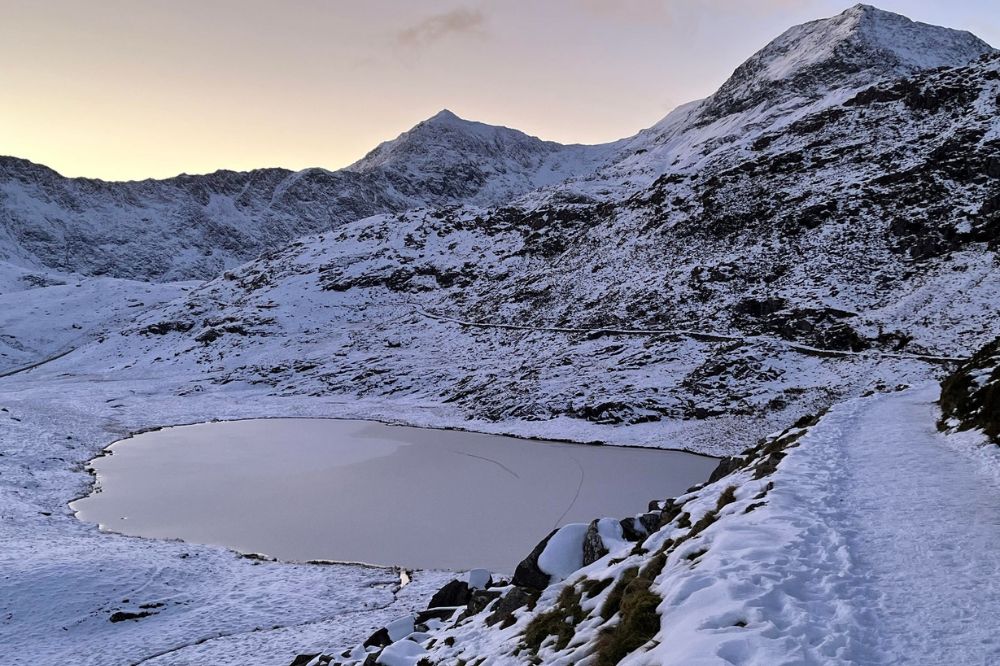
Amy’s list begins with her ultimate bucket-list activity – a “Climb to the top of Wales” at Yr Wyddfa, Eryri – the highest mountain in Wales and the busiest in the UK.
She writes: “Climbing Yr Wyddfa takes anywhere between five and seven hours depending on the route taken, but the 1,085-metre peak offers the most magnificent views in all of Wales.
“Heading this way in winter is a no-no, but the mountain gets plenty busy through spring, summer and autumn, with more than half a million hikers dragging themselves up to the top every year.
“Those worried about fitness issues can take the quaint train – an hour-long ride to the top that offers plenty of gorgeous views along the way.”
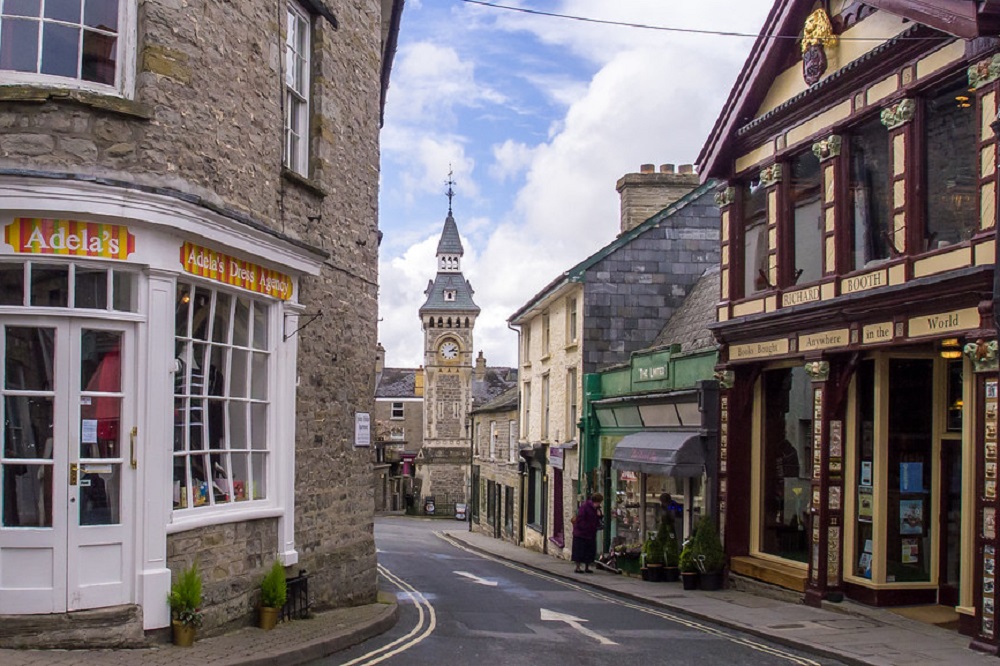
Number two on the list: Get lost in the world’s first ever ‘booktown’ – Hay-on-Wye, Powys
Amy writes: “There are few things more comforting than the dusty atmosphere of an old bookshop, and the small town of Hay-on-Wye is famous for the things.
“Known colloquially as the ‘town of books’, Hay has more than two dozen bookshops dotted around its streets plus the world-famous Hay Book Festival in May and June.
“When it comes to literary tourism in the UK, Hay-on-Wye is a real bucket-list spot.”
Third on her list is “a dining experience like no other at Ynyshir” – Ynyshir Restaurant and Rooms, Machynlleth

What is it? Ynyshir constantly ranks next to (if not above) the big guns of the UK’s culinary world. It’s the only venue in Wales to boast two Michelin stars and is considered one of the UK’s best restaurants.
Why go, according to Time Out? Amy shares: “This is not a dining experience for the faint of heart, or anyone on a budget. From £365, guests are served around 30 Welsh/Japanese inspired courses across five hours, accompanied by pumping techno music.
“A warning: this place is categorically ’not suitable for those with food allergies, intolerances, and dislikes’.”
At number four: Explore the Mediterranean village of Portmeirion, Gwynedd
Houghton shares: “There’s nowhere quite like Portmeirion. Designed and constructed by Sir Clough Williams-Ellis between 1925 and 1975, this small village is as cute as it gets, with gorgeous architecture and movie-set style waiting around every corner.
“Williams-Ellis made it clear that his desire was to bring the atmosphere of the Mediterranean to North Wales, and most will agree that he succeeded. The village is best visited by car, although Minffordd railway station is just over a mile away.”
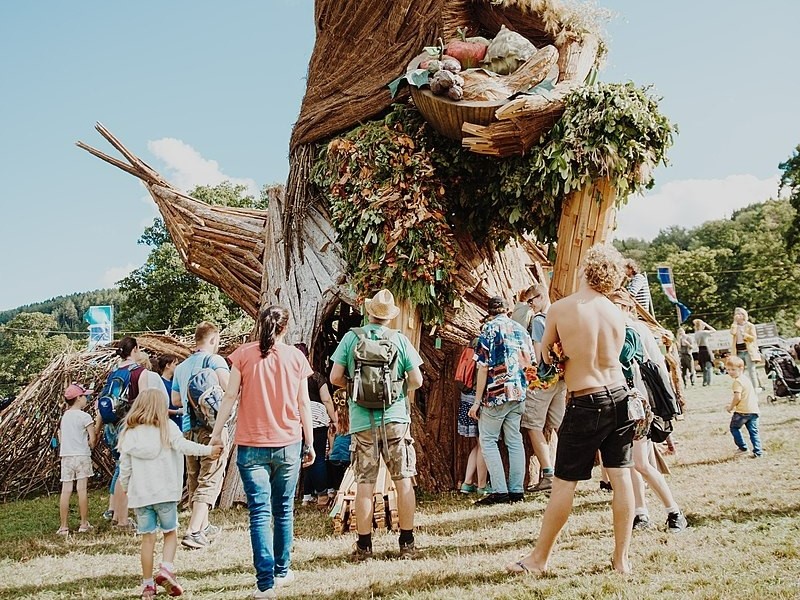
At number 5, party in the wildnerness at Green Man and Gottwood – two world renowned and critically acclaimed music festivals on Welsh country estates.
Why go, according to Time Out? “Dance until dawn underneath breathtaking scenery. Green Man Festival at Glasusk Estate in the south is considered a mini-Glastonbury and an undderrated jewel in the UK’s festival calendar.
“Gottwood Festival in Gottwood Estate in the north of the country is a more intimate affair championing electronic music and underground artists.
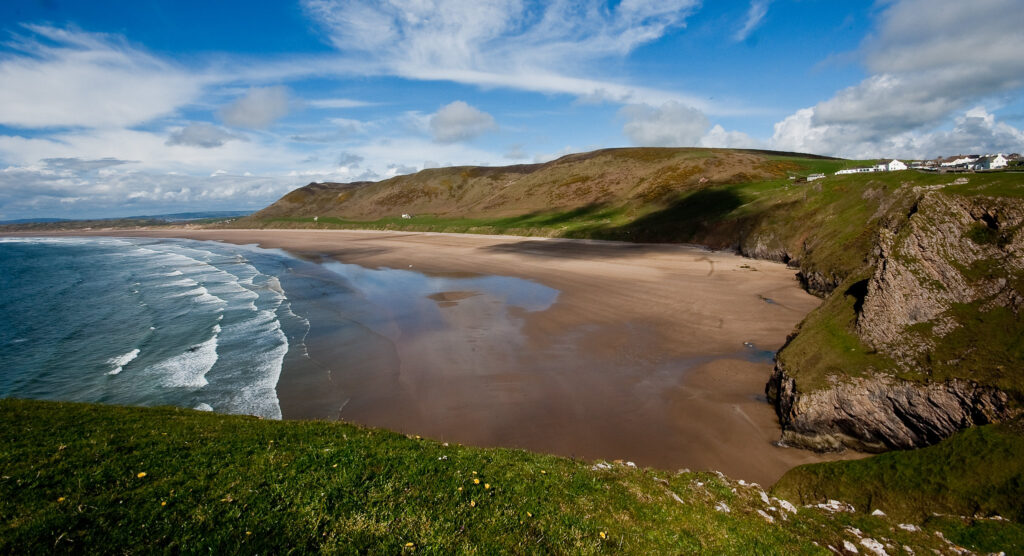
At number six, soak up the rays on Rhossili Bay, Gower, Swansea – ‘a three-mile stretch of golden sand and coastline that runs as far as the eye can see, pun possibly intended’.
Amy writes: “Rhossili Bay is a constant contender when judging the best beach in Wales, as well as perpetually featuring in the top ten UK-wide.
“Besides its award-winning beauty, nearby pubs like The King’s Head and Worm’s Head offer some of the best pub grub around – with a side of beautiful beer-garden views.
“It’s also a fave among surfers. The best thing? It’s dog-friendly, so your furry friends can join in the sandy fun too.”
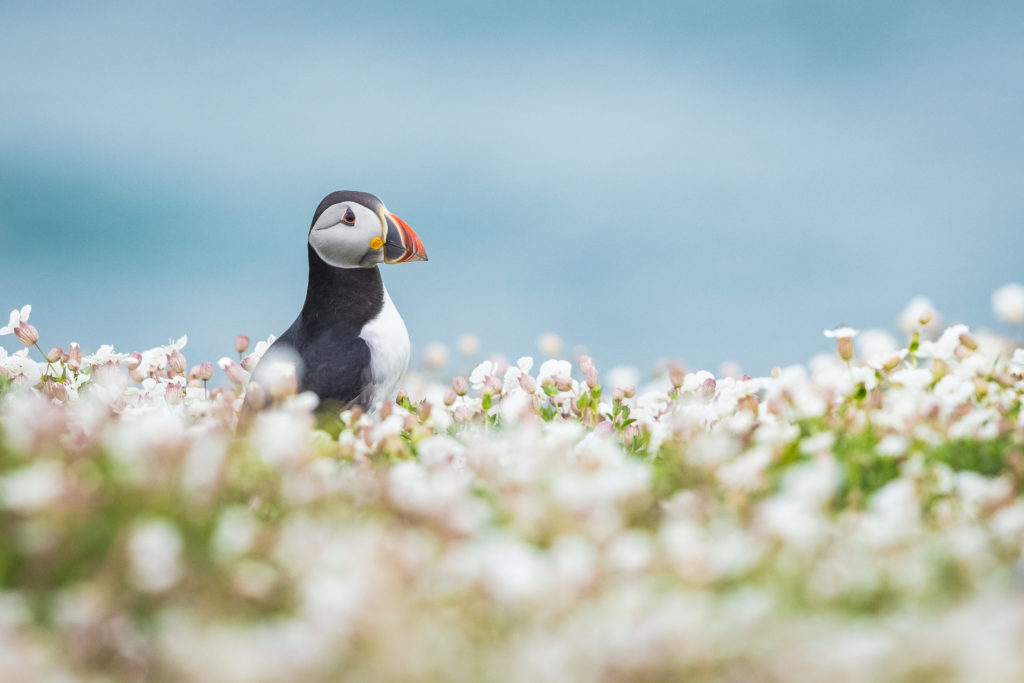
At number seven – ‘look out for puffins on Puffin Island – Puffin Island, Anglesey
Time Out shares: “Puffin Island (Ynys Seiriol in Welsh) is an uninhabited chunk of land off the eastern tip of Anglesey that is home to a huge variety of fauna, most famously the cute little birds that give it its name.
“The masses of puffins aren’t the only birds worth spotting, however, as the island is also home to one of the largest great cormorant colonies in the British Isles, as well as guillemots, razorbills and others. Tours of the island are available but don’t forget the camera and the binoculars.”
They add: “If you’re staying further south down the coastline, Skomer Island in Pembrokeshire is also bursting with puffins during springtime.”

And for something different, at number eight: “Cheer on the national sport at Principality Stadium, Cardiff
Why go? “There may be more important things when it comes to history and tradition, but it doesn’t get much more thrilling than visiting the capital on a major rugby occasion.
“The passion of a Welsh crown is unmatched and Cardiff is at its best when the Dragons are doing battle at the Principality Stadium or the neighbouring Cardiff City Stadium. If you can’t get inside the stadium itself, the energy across the city’s pubs is equally as buzzing.
Then to something gentler at number nine – wander St David’s, Britain’s smallest city, St David’s, Pembrokeshire.
The tiniest city in the UK thanks to its spectacular cathedral, one of the ‘great historic shrines of Christendom’.
Amy shares: “No bigger than your average village, St David’s was granted city status in 1995. It was where the Welsh patron saint, St David, built his monastery, so there’s plenty of holy significance there.
“Beyond the huge cathedral, this city has a thriving arts scene and is a stones-throw from the stunning coastline at Whitesands Bay.
“For posh foodies there’s Michelin star restaurant Blas or for experimental foodies, there’s Grub Kitchen, the UK’s first full-time edible insect eatery. If you just want some really good, unfussy food, the pizza at Grain is your best bet.”
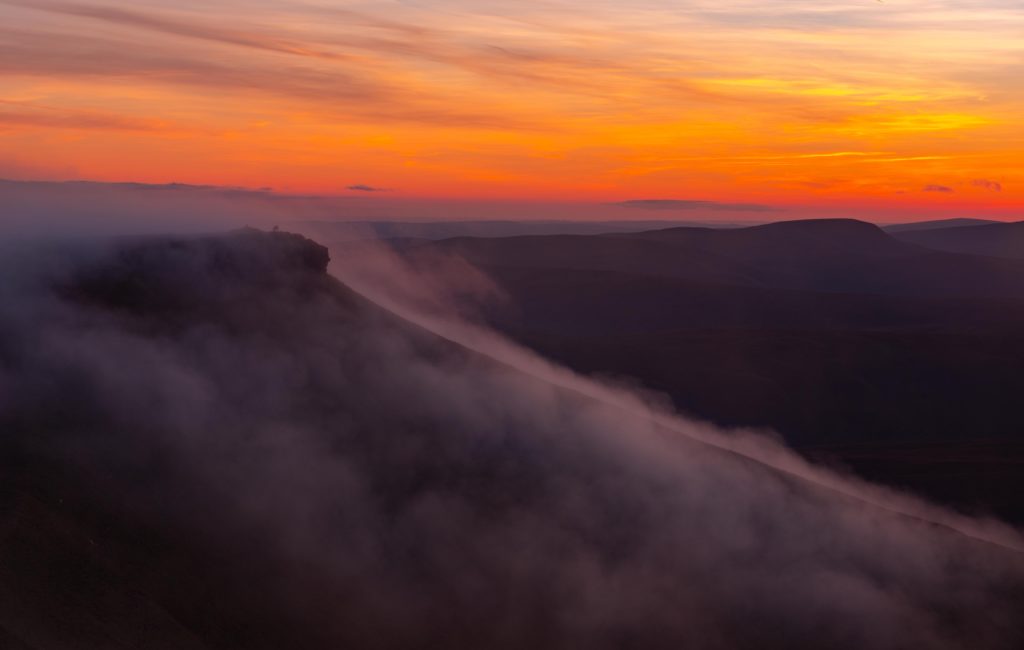
At number ten, “be at one with nature in the Bannau Brycheiniog national park” which Time Out describe as a “breathtaking mountain range with the highest peak in south Wales”.
They ask: “Why go? Stretching from near Llandeilo in the west to the English border in the east, Bannau Brycheniog National Park covers more than 500 square miles of natural beauty.
“Head for the hills towards the mighty Pen Y Fan, at 886 metres above sea level; it’s the highest peak in south Wales. The Bannau are also known as Waterfall Country, so you’d be a fool to bypass the Four Waterfalls Walk.”
Although Amy advises: “Avoid the Pen y Fan crowds by driving past the main Storey Arms car park (the ‘Motorway’ of the mountain) and instead starting from Cwm Llwch and taking a pitstop by the lake.”
At number 11: Walk through Welsh history at St Fagans – St Fagans National Museum of History, Cardiff, an award-winning living museum and Wales’ most popular open-air attraction.
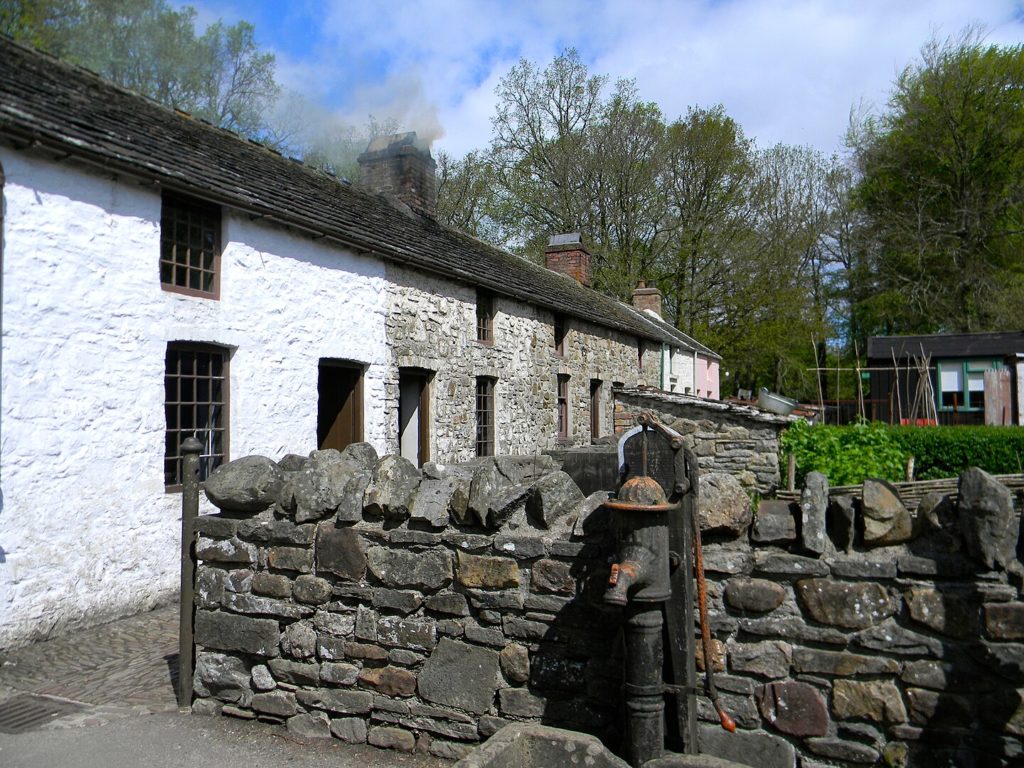
Why go, asks Amy: “To really imagine everyday life for Welsh people through the centuries. There are over 50 historic buildings for you to weave your way through, including Iron Age roundhouses; a Victorian school complete with the Welsh Not, which was used to basically force Welsh children to speak English; 20th century ‘Gwalia Stores’, a common name for Welsh grocery shops and the Elizabethan St Fagans Castle and grounds.
“It’s also got a working farm, and two working mills making bread that you can buy at the on-site bakery. Did we mention that you can see all this completely for free?”
At number 12, tickle your funny bone at Mach Comedy Fest, Machynlleth, Powys
What is it? One of UK’s best comedy festivals in the former Welsh capital.
Amy shares: “Machynlleth’s annual fest, Machynlleth Comedy Festival, is at once world-renowned and the best kept secret in Britain’s comedy calendar.
“Held in the spring, the event regularly welcomes established comics like James Acaster, Rose Matafeo, Nish Kumar and Cymru’s own Rhod Gilbert, plus a host of rising stars.”
Next on the list, at number 13: storm the world-famous Caernarfon Castle, Caernarfon, Gwynedd.
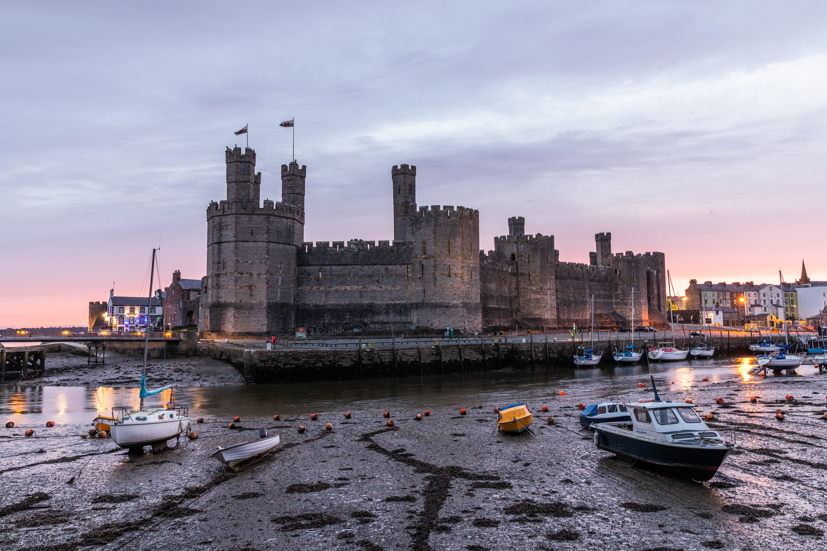
What is it? Arguably the most aesthetically impressive of the many castles of Wales according to Time Out. They share: “Home to the more per square mile than any other country in Europe, Wales has a curious relationship with its castles.
“Some are beautiful examples of medieval architecture and a major pull for tourists, while others like the so-called Ring of Iron as a painful reminder of King Edward I’s conquest of Wales in the twelfth century.
“Of all the castles, Caernarfon’s is possibly the most arresting. It’s a Unesco World Heritage site said to be designed on the famous walls of Constantinople (today’s Istanbul).”
At number 14: Learn to pronounce the longest town name in the UK, Llanfairpwllgwyngyllgogerychwyrndrobwllllantysiliogogogoch – a small village with a famously tongue-twisting name
Amy says: “Originally called Llanfair Pwllgwyngll, the name of this village in Anglesey was extended in the nineteenth century in the hope of luring tourists to its town. In that regard, it has been a major success.
“There isn’t much to do here beyond sitting in a couple of pubs or wandering the aisles of the station shop, but taking a photograph of the famous train station sign is one of the great tourist rites of passage when visiting Wales.”
Perhaps the most challenging of the bucket list goals, at number 15: Walk the length of the country through Offa’s Dyke and the Wales Coastal Path
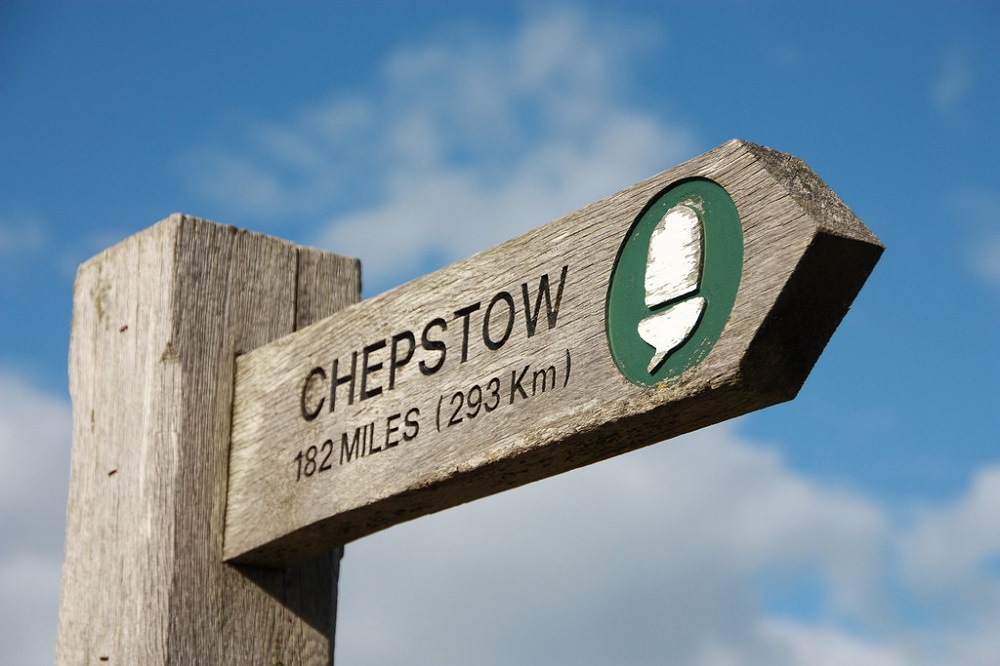
What is it? One is a ninth-century border turned into a walking route, while the latter is a path that covers the entirety of the Welsh coast.
Amy shares: “Wales is unique in that it is the only country in the world with an official walking path covering the entirety of its borders. Well, that should be two paths, but the point stands.
“This is a land that offers an accessible yet difficult walking challenge. The Wales Coastal Path is a footpath stretching 870 miles from Chester to Chepstow, while the Offa’s Dyke Path roughly covers the inland stretch between those two spots.
“Walking the whole thing might be a little excessive, but there are plenty of stretches that can be enjoyed over a day or two. There’s no better way to experience the natural beauty of Wales.”
At number 16, ride the rails in the Welsh highlands – West Highland Railway, Gwynedd
The railway is a narrow-gauge railway running from Caernarfon to Porthmadog via a host of fascinating and fabulous sights
Amy writes: “This award-winning heritage railway is a charming way to explore the many isolated marvels of this stretch of the country.
“The vibrant port town of Porthmadog is a delightful starting point, while adorable Beddgelert is another to add to the list of beautiful Welsh villages with compelling stories to tell.”
At number 17, “go underground” at Dan-yr-Ogof Caves – a show-stopping series of caves to explore… and a life-sized dinosaur park
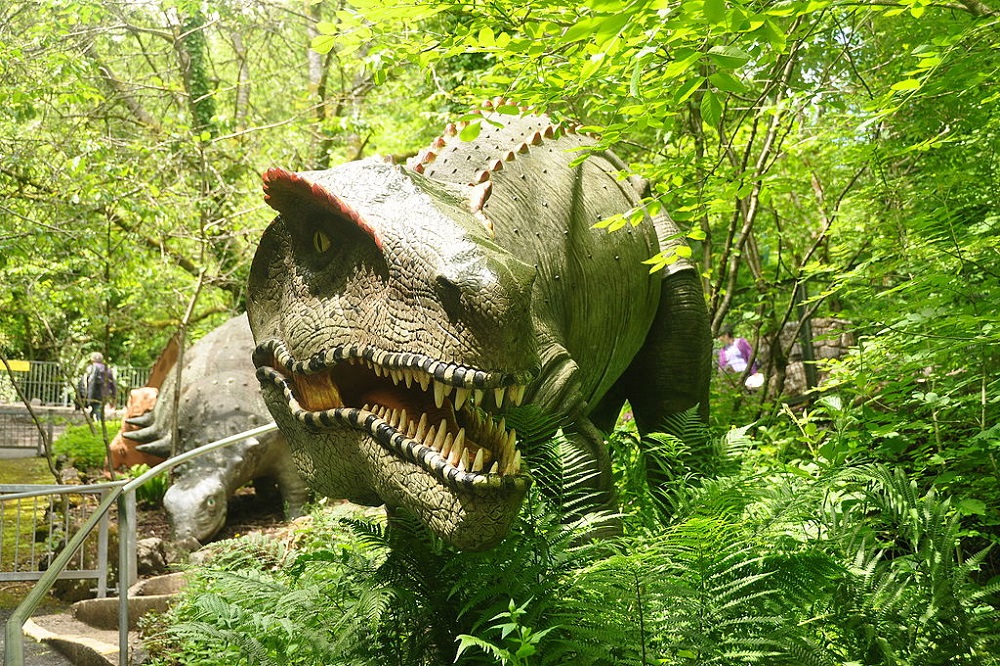
Amy shares: “Go deeper underground and explore a 17km cave system that’ll rock your world. You’ll notice a few familiar reptilian faces poking through the foliage and rock formations along the way, as more than 200 life-sized dinosaur models are living here too.
“There isn’t a reality where dinosaurs aren’t super-awesome, making Dan-yr-Ogof a must-visit in the southern half of Wales.”
And finally, at number 18: Visit the smallest house in Great Britain in Conwy, Gwynedd – a bright red miniature house that was once home to an extremely tall fisherman.
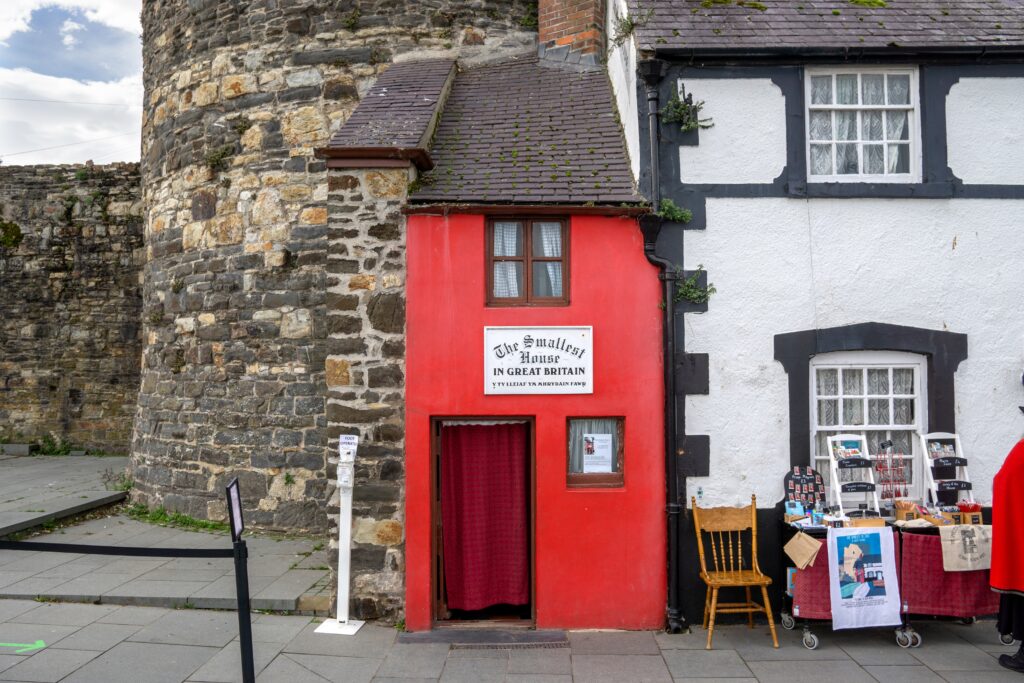
Time Out say: “Conwy is one of the most beautiful towns in Wales, famous for its castle and its defiant commitment to independent businesses.
“In amongst it all stands a vibrant red house that is the smallest in Great Britain. A woman in traditional Welsh clothing waits outside the house to provide information for visitors, and tours of the tiny house cost just £1.
“The red colour of the house means that, ironically enough, you can’t miss it.”
Support our Nation today
For the price of a cup of coffee a month you can help us create an independent, not-for-profit, national news service for the people of Wales, by the people of Wales.


