


Two young Welsh teachers set to share a once-in-a-lifetime adventure in Patagonia

Two young teachers from Wales are preparing to travel over 7,000 miles to the windswept valleys of Patagonia, Argentina, to teach Welsh — and to share their passion for a language that transformed their lives.
Megan Elias, who is from Old Colwyn in north Wales, and Angharad Davies from Pontyclun, Rhondda Cynon Taf, in the south, will spend the next ten months as part of the British Council’s Welsh Language Project, supporting Welsh-speaking communities in Chubut, where over 6,000 people still speak the language, more than 150 years after the first Welsh settlers arrived.
The pair, who have yet to meet, coincidentally both fell in love with the Welsh language while studying at Bangor University, and both are driven by a desire to share that passion with others.
And for both women, their exposure to Welsh was limited growing up.
Angharad said: “I spoke Welsh in school and with my dad and his side of the family, but mostly spoke English socially, even though I went to a Welsh-medium school. That was very much shaped by the area I grew up in.
“When I went to Bangor University, people were speaking Welsh naturally with their friends, using it every day. That really opened my eyes – Welsh wasn’t just something for school or work, it was a living community language. That experience had a huge impact on me.”
For Megan meanwhile, going to her first Eisteddfod at school completely changed her path and led to her passion for the language.
She said: “In Year 13, in my last week, there was a trip to the Urdd Eisteddfod in Bala. It was meant for Year 9 pupils, but there were spare seats, and my Welsh teacher asked if I wanted to go. I’d never been to an Eisteddfod before.
“I’d never seen so many people speaking Welsh and part of such a special culture – I didn’t even realise that world existed.
“That day, I decided I wanted to speak Welsh fluently. I changed my plans to study Finance at Lancaster University, rang Bangor University last minute and asked if I could study Welsh – and I did. It completely changed my life.
“Everything I’ve achieved since is because I learned Welsh.”
Now both qualified teachers, Angharad and Megan are eager to bring their passion for Welsh to the schools and communities of Patagonia.
Angharad can’t wait to bring music, drama and cultural experiences into Patagonia’s classrooms
Angharard said: “I know Welsh is spoken there by fewer people than in Wales, but I wanted to contribute, and also to prove to myself that I could make a difference. I’d experienced firsthand how difficult it can be to sustain the language in largely English-speaking areas, and that really motivated me to apply for the programme,”
“It’s about more than just teaching – it’s about inspiring people to enjoy the Welsh language, to use it in everyday life, and to connect with the culture and community. I’m excited to bring music, drawing on my experience with violin, piano, and harp, as well as drama and other cultural activities into the classroom, and to support the Welsh-speaking community in Patagonia however I can.”
Meanwhile, for Megan, the journey has already taken her far from home: after graduating, she spent time travelling and then teaching in Australia, an experience that strengthened her confidence and adaptability in new classrooms and cultures.
She said: “Three years ago after Covid, I went to Australia. I got back into teaching there, casually, though not teaching Welsh.
“After three years, my visa was coming to an end and I didn’t really know what I was doing next. I saw the Patagonia opportunity and thought – having travelled on my own for three years – this is perfect. It had also been my dream since learning Welsh in school to visit or teach in Patagonia. It felt like a full-circle moment.”
From traveling the world to living in Australia, Megan is now gearing up for her next adventure: Patagonia.
The Welsh Language Project, which began in 1997, supports Welsh-speaking communities in Patagonia, where descendants of 19th-century settlers continue to maintain the language. Over the course of the programme, teachers work in schools and with local adults to promote Welsh both inside and outside the classroom, combining formal lessons with cultural activities, music, and community engagement.
Angharad will be working across several locations in the region, teaching primary school pupils during the day and adult learners in the evenings in Trelew, Gaiman and Dolavon, with monthly visits to Puerto Madryn. Megan, meanwhile, will be based in the town of Trevelin, where she will mainly work at a local school, alongside travelling to Esquel to teach adults at the language centre.
Alongside their classroom work, they will take part in community events and plan to document their experiences through vlogs and online updates, giving schools and communities back in Wales a window into life in the Chubut Valley.
Angharad said: “I’m really interested in the idea of helping to build or adapt a curriculum in a completely different context. That’s a skill I want to develop. I do plan to return to teaching when I come back to Wales, but I can also see this experience opening other doors within education and Welsh-language development.
“It’s a once-in-a-lifetime opportunity. At this point in my life, if I didn’t go now, I don’t know when I would.
Being part of a project like this means you’re genuinely making an impact, which is why I became a teacher in the first place. To be able to do that through the Welsh language, halfway across the world, is incredibly special. Whatever happens, I know it will change me and broaden my horizons.”
Megan added: “Welsh will always be my passion. Hopefully I can keep promoting it, whether that’s abroad, digitally, or somewhere else. This feels like an incredible opportunity – to grow, to learn languages, to develop as a teacher and to experience a completely new culture.”
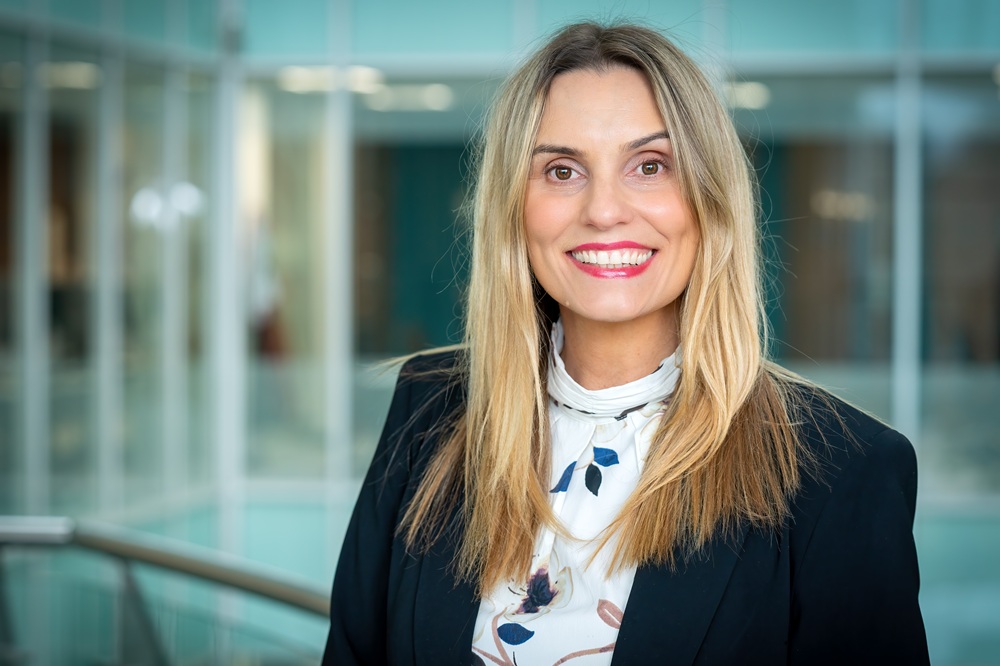
Also speaking about the opportunity, Ruth Cocks, Director, British Council Wales, said: “The Welsh Language Project is something truly special, connecting Welsh speakers in Wales with communities in Patagonia through language, education and culture.
“Megan and Angharad’s passion for the Welsh language, and their enthusiasm for sharing it with others, makes them fantastic ambassadors for the programme.
“As they head to Patagonia, they become part of a proud and longstanding tradition of Welsh speakers building friendships and strengthening cultural ties with communities half a world away who share a deep love of Welsh language and heritage. We wish them every success on this exciting journey.”
Applications for the Welsh Language Project open later this year for teachers wishing to visit Patagonia in 2027. For more information on the programme visit: https://wales.britishcouncil.org/en/programmes/education/welsh-language-project
The Welsh Language Project continues the British Council’s work, building connection, understanding and trust between people in the UK and overseas through arts, education and language teaching.
Support our Nation today
For the price of a cup of coffee a month you can help us create an independent, not-for-profit, national news service for the people of Wales, by the people of Wales.



I fully support the initiative and thoroughly enjoyed 5 days in Puerto Madryn in 2008. Wales has lots of museums / cultural events, yet has no clear museum / exhibition linked to Patagonia. Maybe it is time for an S4C documentary / University of Wales book on the voyage and settling?
Is anyone offering package holidays?