


Wales could lead the way in tackling paediatric type 1 diabetes and disordered eating

Jules Millward
Children with Type one diabetes have to focus on food constantly. Every meal needs calculation, insulin adjustment, monitoring, and that can create a complicated relationship with both the food they eat, and the insulin they take.
Around 40% of people with Type 1 diabetes experience an eating disorder or disordered eating behaviours, and there is a six times greater risk of death when the two co-exist.
It is not just a lifestyle issue, it’s a health risk affecting almost half of people with Type 1 Diabetes, and when it comes to paediatric care, it becomes even more complex, because children with type 1 diabetes face complicated relationships with food from a very young age.
Aleema Irshad’s daughter Isla, 8, was diagnosed with Type 1 Diabetes in 2022. She said: “For children with type 1 diabetes, food isn’t just food for them, it’s carb counting, the worry of how certain foods will raise their glucose, monitoring and checking glucose levels, having to take insulin – for every single thing they eat.”
She added that whilst Isla has great support, she knows that she is different to her friends, and having Type 1 Diabetes also affects aspects of Isla’s school life.
When other children sit down to eat, Isla has to have her glucose levels checked before snack and lunch, carb count her meals, and dose insulin, treat low glucose levels during school, and having to sit down for periods of time for her levels to become stable.
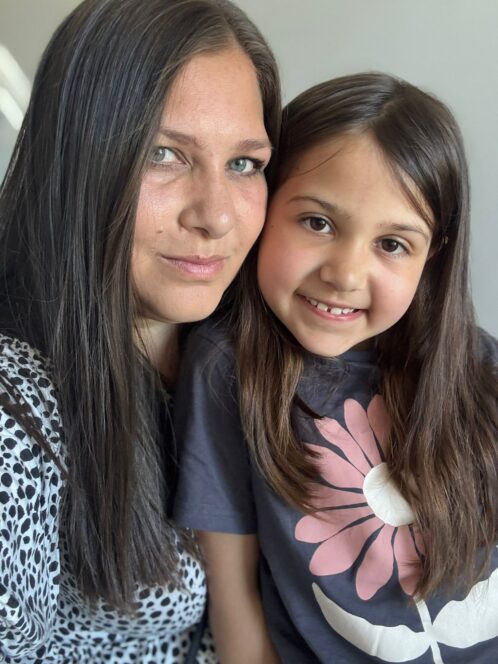
Aleema makes sure Isla knows that she can eat anything she wants, as long as her insulin levels are managed, but she said she wishes that she had been told she could eat anything.
She added: “I think if we don’t teach children to have that healthy relationship with food, it can be detrimental to them as they get older; causing food anxiety, feeling they need to restrict their food intake, feeling pressure and guilt for eating “treats” or certain food, missing insulin dosages, self-blaming if levels spike.
“Children with Type 1 Diabetes grow up seeing that what they eat affects their levels. They’re constantly monitored and to talk about having a healthy relationship can hopefully prevent all of the above.”
While Aleema is able to manage Isla’s diabetes well, the constant worry remains for families of children with type 1 diabetes that the complex relationship with food can develop into something much worse. But Wales may be able to change that, and have a chance to become a leader in recognising and tackling disordered eating within paediatric diabetes care.
Missed warning signs
Aisling Pigott is a Registered Dietitian and has spent the past 11 years specialising in paediatric diabetes in Cardiff, supporting children and young people with both type 1 and type 2 diabetes to manage their condition and to learn about the impact of the food on their body.
For children with the condition, that risk does not always present as dramatic weigh loss. It can look like deliberately reducing or skipping insulin doses, disengagement from self-care and clinical appointments, a drive for ‘perfect’ diabetes management, distress about weight and shape, and secrecy around food or diabetes management.
Crucially, these children might not appear underweight, because their weight might remain stable or even higher, meaning the warning signs can often be missed.
Pigott said: “Children and young people who take insulin, or use diabetes technologies may experience complicated relationships with both the food that they eat and the insulin they consume that have detrimental impacts on their health but are not always reflected in severity of weight loss or low body weight that we would see in a population without diabetes.”
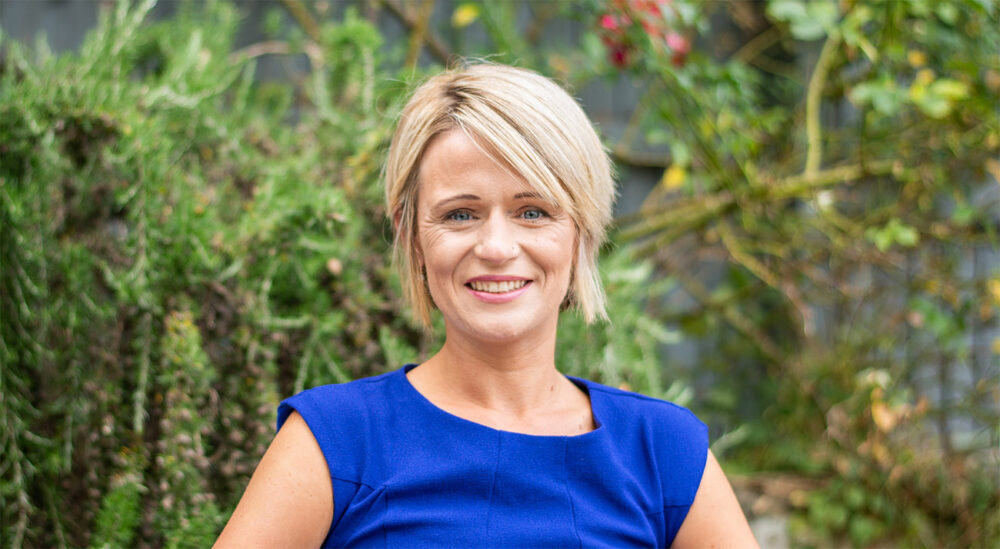
For almost five years, she has been undertaking a PhD with Cardiff Metropolitan University. It is funded by Health and Care Research Wales, and explores eating disorders in type 1 diabetes and why there is such a high incidence and what prevention programmes can be implemented and embedded within paediatric diabetes care.
She said: “We’ve known for about 40 years that there is a much higher incidence of eating disorders and disordered eating in people with type 1 diabetes.
“Someone who lives with type 1 diabetes and an eating disorder will have a six times greater risk of death than their peers. So, prevention is not just a nice to have, this research offers an opportunity to save lives if we understand it more. it’s not just a nice to have prevention this research can save lives if we understand it more.
“We’ve almost accepted that a complicated relationship with food is part and parcel of having diabetes, but it doesn’t have to be.
“As part of the research process, I have spent a lot of time working with people who live with diabetes, clinicians and clinical psychologists in clinical practice to adapt an existing programme to make it appropriate and fit for purpose within clinical care.”
She added: “We’ve used that understanding to adapt an eating disorder prevention intervention from the United States to embed within paediatric diabetes services.
“At the moment we’ve got recommendations that children and young people should be screened for eating disorders, but we don’t really have a clear pathway about what that would look like within clinical practice.”
Currently, an eating disorder with type 1 diabetes has got proposed diagnostic criteria through the Royal College of Psychiatrists, however it’s not a recognised condition.
Postcode lottery
In 2018, there was a report into eating disorder services in Wales commissioned by the Welsh Government. Seven years after that review, Pigott said “I would argue that very little of the recommendations have actually been implemented.”
Despite the report’s recommendations, screening for eating disorders in children with type 1 diabetes is still inconsistent across Wales. There is no standardised pathway, no national lead for eating disorders and diabetes, and services vary depending on the health board, leaving many children without timely support.
She added: “It’s a postcode lottery at the moment. Children with type 1 diabetes need a whole-team approach, it can’t just fall on one clinician. Everyone working with them should be aware of the signs and know how to respond.”
Wales can become world class leaders
While screening is recommended, it is not standardised, and there is no clear mandatory pathway across Welsh health boards, but Pigott thinks that the way clinicians work together in Wales gives us an opportunity to become world class leaders in terms of diabetes prevention.
She said: “At the moment we’ve got recommendations that children and young people should be screened for eating disorders, but we don’t really have a clear pathway about what that would look like within clinical practice.”
She is passionate about making sure that everybody working with children and young people with diabetes should be aware of to watch out for signs that might be concerning.
As part of her PhD, Pigott has worked with researchers in Stanford University and Oslo University to adapt an eating disorder prevention intervention, which is group sessions delivered to children and young people aged 11-13. With additional input from people with diabetes and Dr Jess Broughton, a paediatric clinical psychologist, they have tried to support young people to create a psychological flexibility around their thinking about perfectionism around perfect diabetes management, perfect body image, and being perfect for everyone around them.
The programme has also created some healthcare professional training around supporting young people and having conversations about weight and body image, along with information for parents and carers around building healthy relationships with food at home.
She says that all of those messages can be embedded within clinical care and could actually benefit young people. Whilst there’s a lot of appetite for that within the clinical staff that she’s worked with to co-produce it, it’s about it being widely available.”
She said: “We’ve seen some amazing work come out of a European adaptation of this programme called the Diabetes Body Project which is delivered to young adults so age 14-25 but what we haven’t yet seen is an adaptation of the Diabetes Body Project to a younger population.”
She added: “The way that clinicians work together in Wales, and see things clearly gives us a really good opportunity for us to be world class leaders in terms of diabetes prevention.”
Complications in diabetes costs the NHS around £6 billion a year, but untreated type 1 diabetes, and untreated type 1 diabetes with an eating disorder result in complications, so focusing on prevention in childhood is key. But because someone with type one diabetes disordered eating’s weight is usually not low enough to aceess traditional eating disordered services, they don’t always understand the complexity of their disease.
Blueprint for a new approach
Pigott’s research is not just essential to identifying, managing, and preventing paediatric type one diabetes disordered eating, but it is setting the blueprint for a new approach.
Emma Catling, Chair of the Bwrdd Cymru For British Dietetic Association said of Pigott’s research: “The key focused work that Aisling has been doing as a result of her PHD highlights how important dietetic-led research is.
“She is leading the way as a great role model for dietitian’s to see the importance of research for us as a profession, and the ultimate benefits completing this serves our wider population by strengthening the evidence-based out there”
By building on the way clinicians already work together in Wales, and embedding these innovative interventions, the country can not only improve local outcomes, but set an international standard and lead the way in paediatric type 1 diabetes disordered eating.
Support our Nation today
For the price of a cup of coffee a month you can help us create an independent, not-for-profit, national news service for the people of Wales, by the people of Wales.


