


Walk in Owain Glyndŵr’s footsteps along Glyndŵr’s Way
Nation Cymru staff
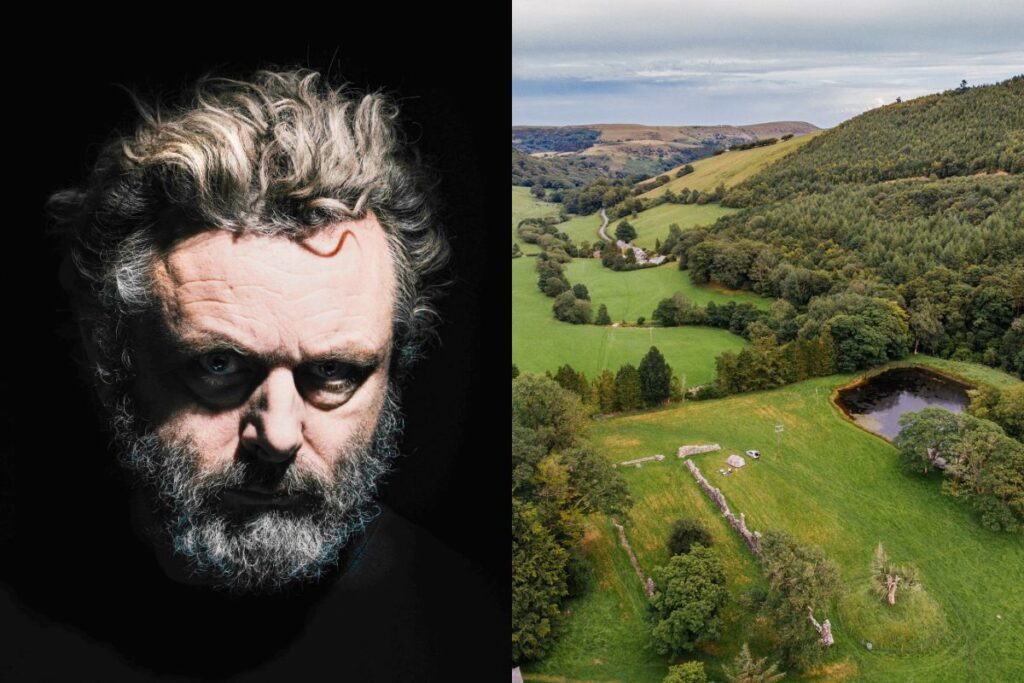
With Michael Sheen imminently set to portray Owain Glyndŵr on the stage in the new production of Owain & Henry at Wales Millennium Centre in Cardiff this November (5th – 28th), it’s the perfect time to experience the real-life locations and landscapes associated with Wales’ last native prince.
The 135-mile Glyndŵr’s Way National Trail winds through the heart of mid Wales, taking in places connected to Glyndŵr’s rebellion, from Machynlleth, where he convened a Welsh parliament in 1404, to the borderlands around Knighton, close to the site of one of his greatest military victories.
For anyone planning on covering the production, or exploring Glyndŵr’s story more widely, we’ve pulled together some historical facts, key locations and walking highlights that may be useful for any forthcoming features or articles.
Glyndŵr’s Way: The real-life landscapes behind Owain & Henry
The trail at a glance
- 135 miles / 217km: Glyndŵr’s Way National Trail runs from Knighton to Welshpool via Machynlleth, through the hills and valleys of mid Wales.
- Named after Owain Glyndŵr: The last native Welshman to hold the title Prince of Wales, who led a rebellion against English rule beginning in 1400.
- A landscape shaped by history: The trail passes through historic settlements and remote uplands associated with the rebellion, offering a glimpse of the terrain that helped Glyndŵr’s forces resist English armies.
- Accessible in shorter sections: While the full route typically takes around nine days, several sections can be explored as day walks, including routes accessible by train.
Key locations and their connections to Owain Glyndŵr:
Machynlleth – The birthplace of a Welsh parliament
In 1404, Glyndŵr convened a parliament in Machynlleth, outlining his ambitions for an independent Wales with its own government, universities and church.
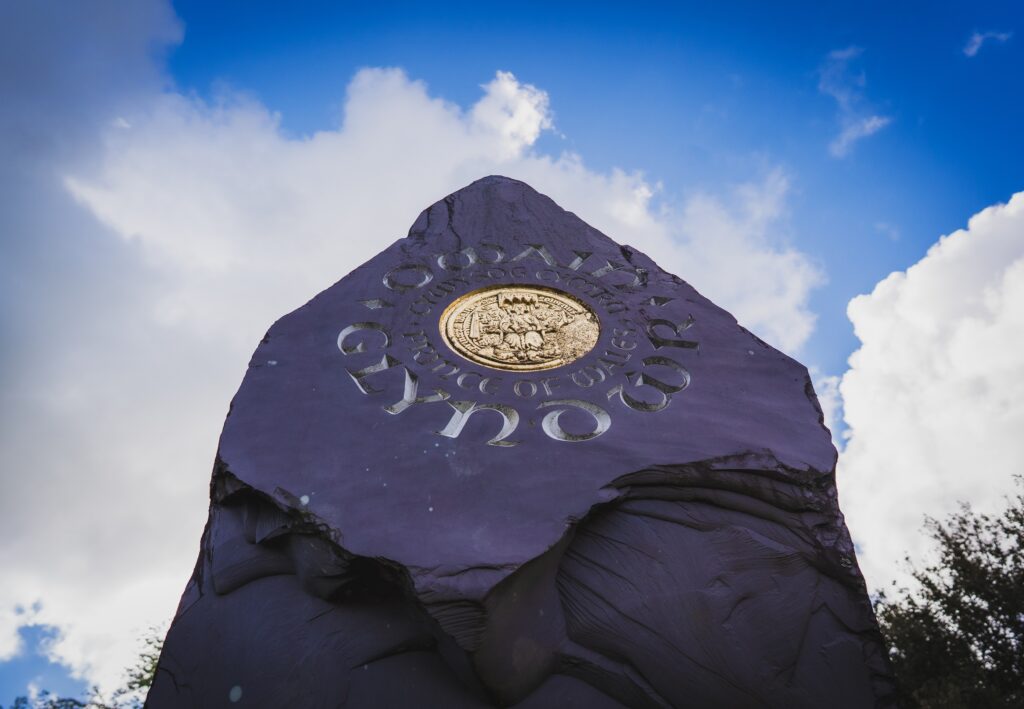
The historic Parliament House, traditionally associated with the gathering, remains an important symbol of his political vision. Machynlleth sits directly on Glyndŵr’s Way and has its own railway station, making it one of the easiest locations to visit.
Abbeycwmhir – A reminder of the rebellion’s destruction
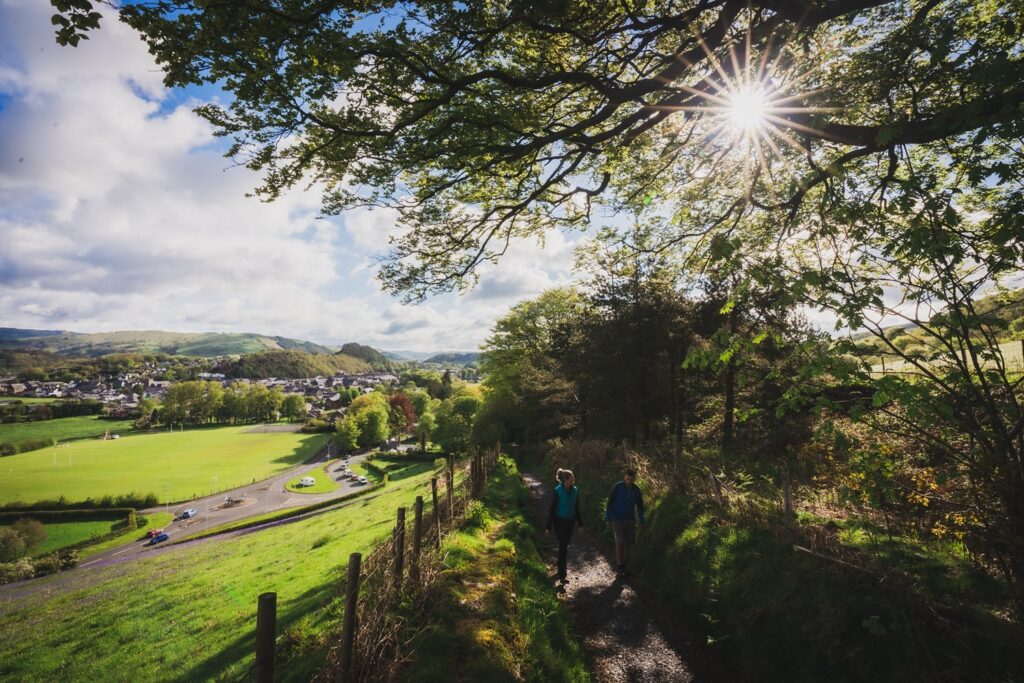
The ruins of Cwmhir Abbey, a 12th-century Cistercian monastery, are associated with the upheaval of the uprising. Historical accounts attribute damage to Glyndŵr’s forces in the early 1400s.
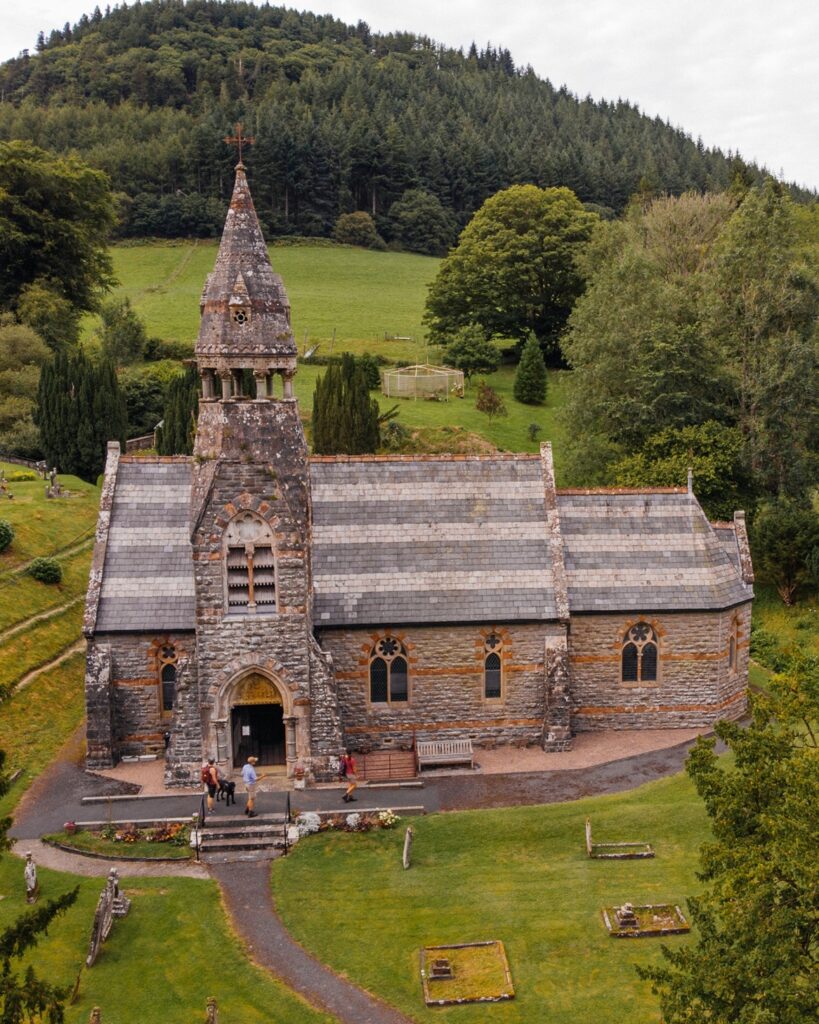
The National Trail passes through Abbeycwmhir, with a 15.5-mile section from Felindre taking walkers across remote moorland and past the ancient earthworks of Castell y Blaidd.
Knighton and Bryn Glas – The landscape of a military victory
Knighton marks the starting point of Glyndŵr’s Way. Nearby Bryn Glas, close to Pilleth, was the scene of a decisive victory for Glyndŵr’s forces against an English army led by Sir Edmund Mortimer in June 1402.
Although the battlefield is not directly on the trail, the surrounding borderland hills evoke the difficult terrain that helped Glyndŵr wage his rebellion.
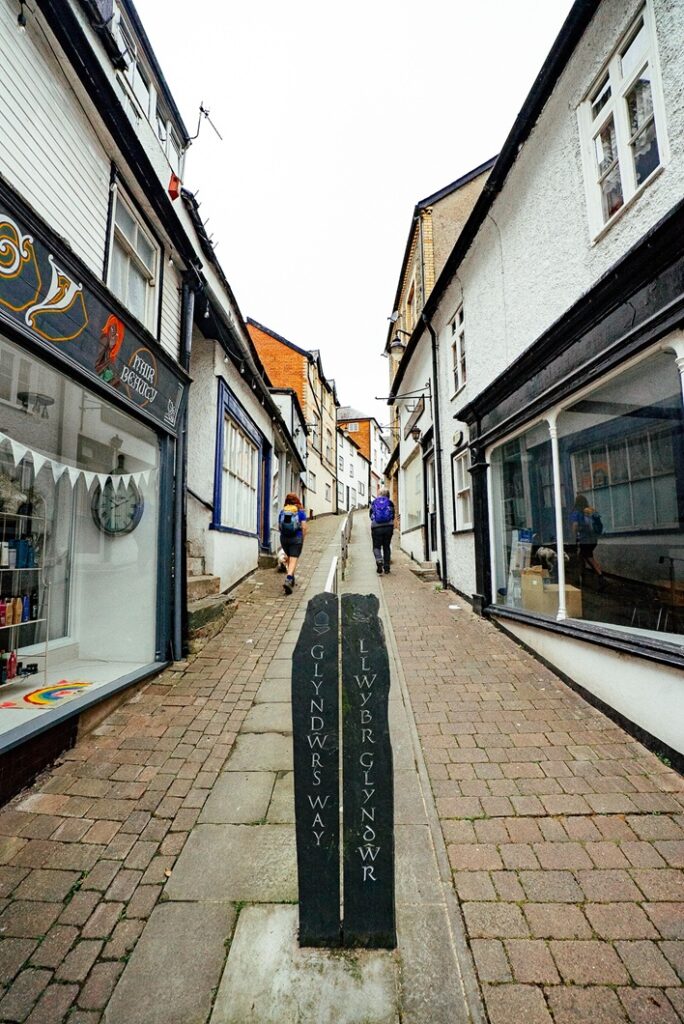
Knighton is accessible via the Heart of Wales railway line, and a 7.5-mile walk from Llangunllo to Knighton offers a practical introduction to the trail, with railway stations at both ends.
Dylife and Foel Fadian – The wild landscapes behind the rebellion
Beyond specific historic sites, Glyndŵr’s Way offers a sense of the remote landscape that played such a significant role in the uprising.
The high moorlands around Dylife and Foel Fadian, with their sweeping views towards Cadair Idris, illustrate the natural advantages offered by the region’s steep valleys and difficult terrain.
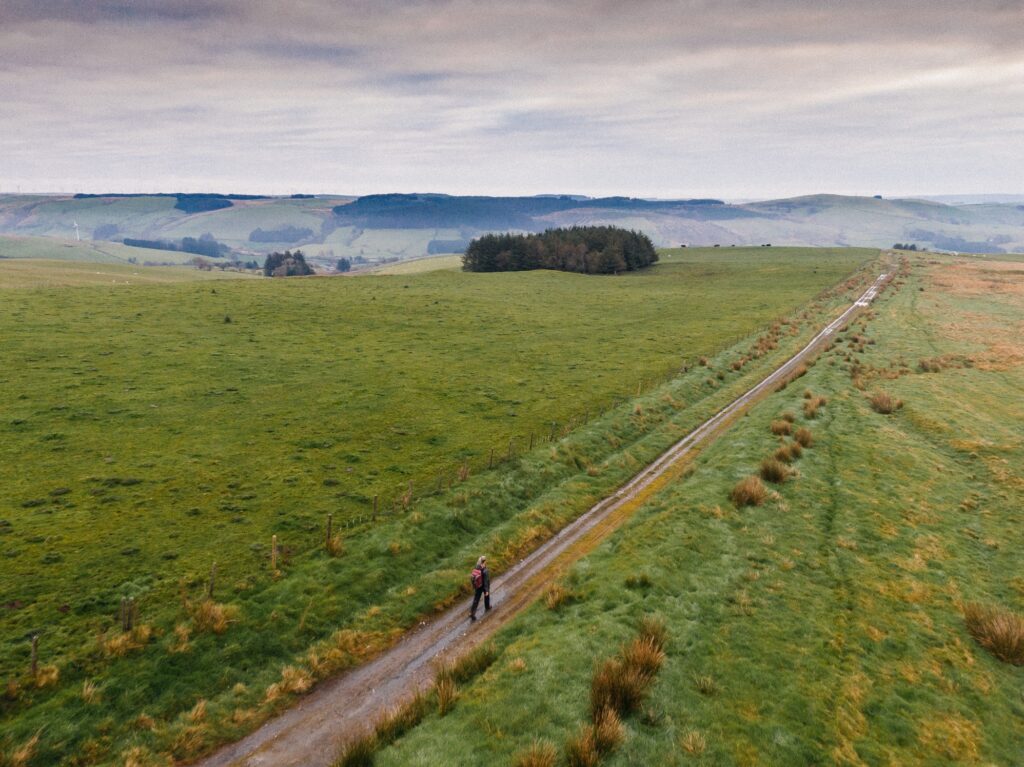
For experienced walkers, the 14.5-mile section from Dylife to Machynlleth captures some of the trail’s most dramatic scenery, although the exposed terrain and limited public transport connections require careful planning.
Useful information and links:
Glyndŵr’s Way National Trail: Route information, maps and shorter walks
Rail-accessible walk: Llangunllo to Knighton, 7.5 miles
Owain & Henry
Written by Gary Owen and starring Michael Sheen as Owain Glyndŵr, Owain & Henry is a brand new Welsh National Theatre and Wales Millennium Centre co-production, exploring the conflict between Glyndŵr and King Henry IV.
Dates: 5 – 28 November 2026
Venue: Wales Millennium Centre, Cardiff
Tickets: www.wmc.org.uk/en/whats-on/2026/owain-and-henry
Support our Nation today
For the price of a cup of coffee a month you can help us create an independent, not-for-profit, national news service for the people of Wales, by the people of Wales.
Get more trusted Welsh news
Choose Nation.Cymru as a preferred source in Google News to see more of our journalism.


