
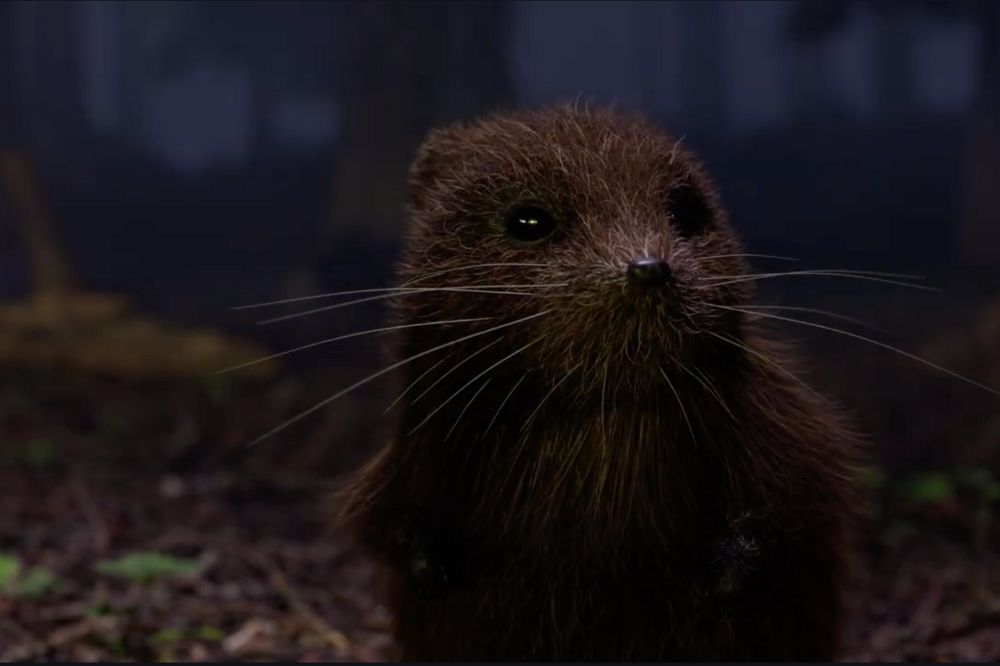
Welsh charity shares powerful animation highlighting plight of Wales’ native water vole
Stephen Price
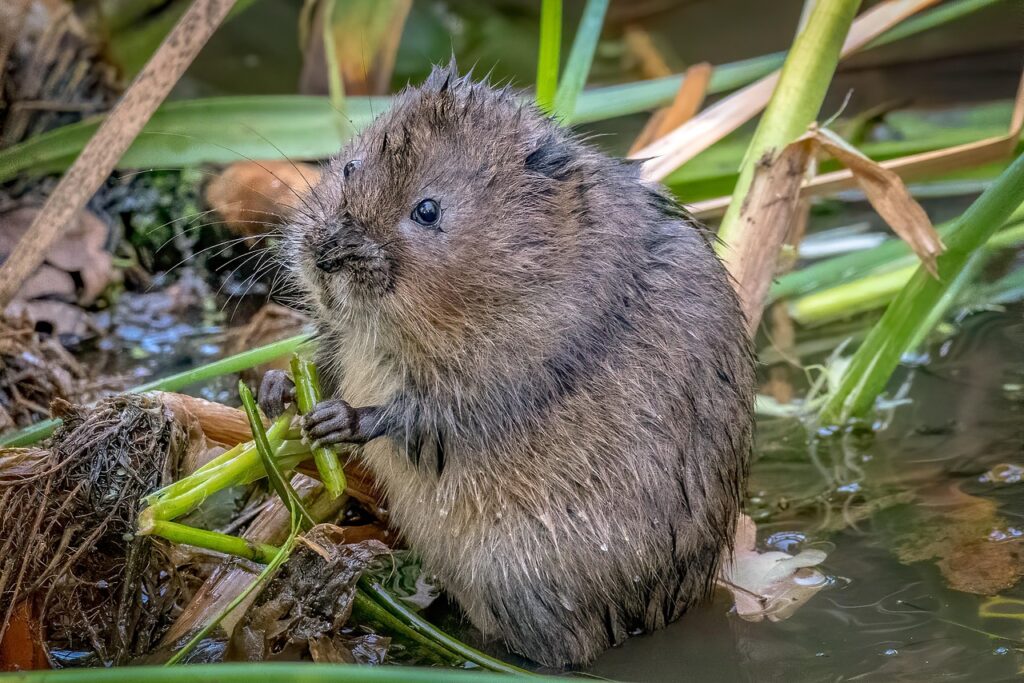
Water voles are now one of the rarest mammal species in the whole of Wales. They were once a common sight along our rivers and wetland habitats, but in just 70 years they have disappeared from over 90% of their former range.
According to wildlife charity, Initiative for Nature Conservation Cymru (INCC) If we don’t do anything to help our water voles, then it is very likely that the entire species will go extinct in Wales soon.
Water vole populations have suffered greatly in recent decades due to loss of their habitat.
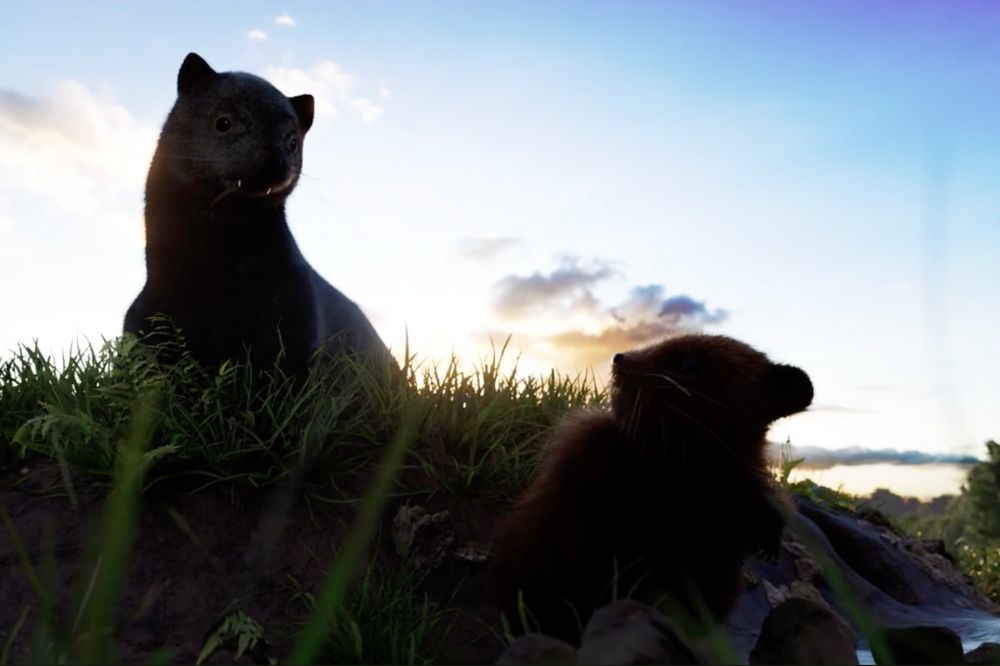
However, the biggest threat to their survival is the presence of the non-native American mink, which can consume entire colonies of water voles in just a few days.
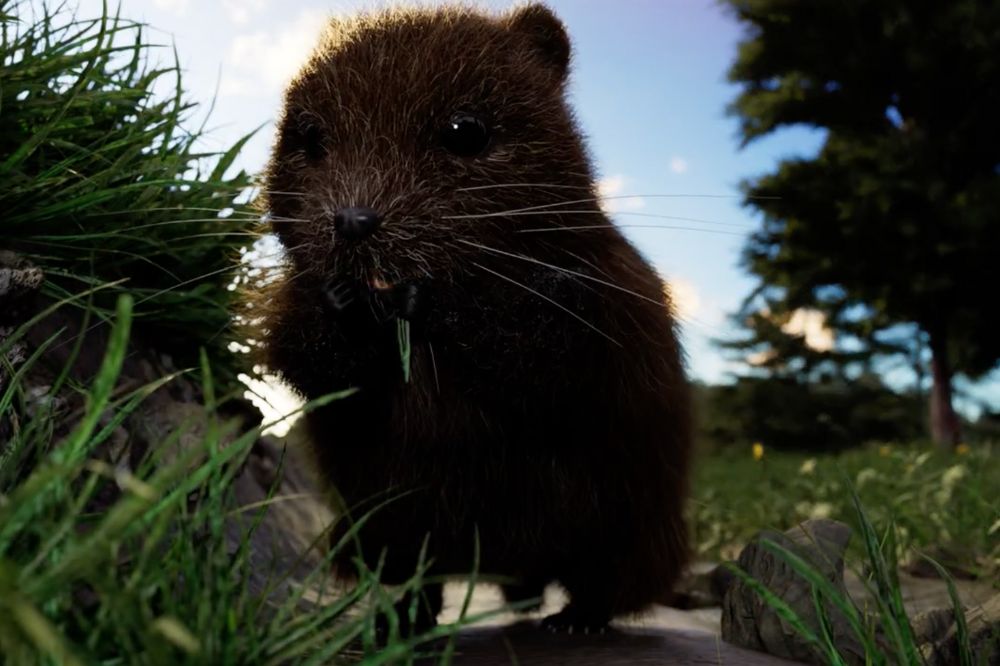
And to help raise awareness of the native voles’ plight, the charity has teamed up with Cardiff-based digital creators, Cloth Cat Studio, to produce an animation as part of a campaign to help save Wales’ upland water voles.
Last chance
Until recently it was believed that water voles were already extinct in the south Wales valleys.
However, surveys undertaken in the last few years have found Water Voles in our upland habitats, particularly around Glyncorrwg, Blaencwm, Treherbert and Maerdy.
These upland habitats such as bogs, moorland and wet heathland are harsh environments for water voles and their survival rate is low.
The good news is that American mink tend to stay away from our uplands. These landscapes may hold the key to the water voles’ long-term survival in Wales.
What’s being done?
The Initiative for Nature Conservation Cymru (INCC) is a wildlife charity dedicated to nature in Wales.
Thanks to funding from the Pen y Cymoedd Community Fund, they have been working with partners and local volunteers to find out more about our upland water voles.
The more we know about water voles in upland Wales, the more we can do to safeguard them and their habitat in future.
The charity’s findings have already shown that the uplands of the Rhondda and Neath Port Talbot can now be recognised as one of the most significant regions for water voles in Wales.
View this post on Instagram
Next Steps
INCC has already discovered 20 additional water vole colonies in the upland valleys, but there is still more work to be done in this three-year project.
The next stage will be to see whether all these different colonies are connected to each other as one big metapopulation, or if they are small, isolated colonies which are more vulnerable and prone to local extinction.
Once they have undertaken all the research and evaluated the results, they can put together a clear guide on how to protect water voles in our upland habitats and save them from extinction.
Robert Parry, INCC’s Chief Executive, shared: “We have lost so many of our water voles in Wales over the past fifty years or so.
“If we don’t do something urgently, we may end up losing this wonderful animal for good.
“Projects like this, that bring together conservationists, and local communities give us hope that we can save the water vole and lots of other species and their habitats as well”.
Human inaction
Jon Rennie from Cloth Cat, the team behind the striking animation, shared how it came about, saying: “It all came about thanks to a message from Rob Parry to our general email.
“He was keen to get some animation for a charity project and wanted to talk further. Most of our work is on children’s animation series or games for the mobile and console market, so we’re always on the lookout for interesting smaller projects that spark our curiosity.
“Rob was so passionate about nature conservation and we all knew about the threat to nature that is posed by human inaction. It seemed an ideal opportunity to make a tight dramatic short film and support a cause that was dear to our hearts.
Jon added: “In all it took about three months, on and off. We fitted the work around other projects, with each of the team members passing on their work to the next.
“The majority of the work was done by our in-house team, using the technical challenges to expand their knowledge of Blender, the software used to animate and render the short.”
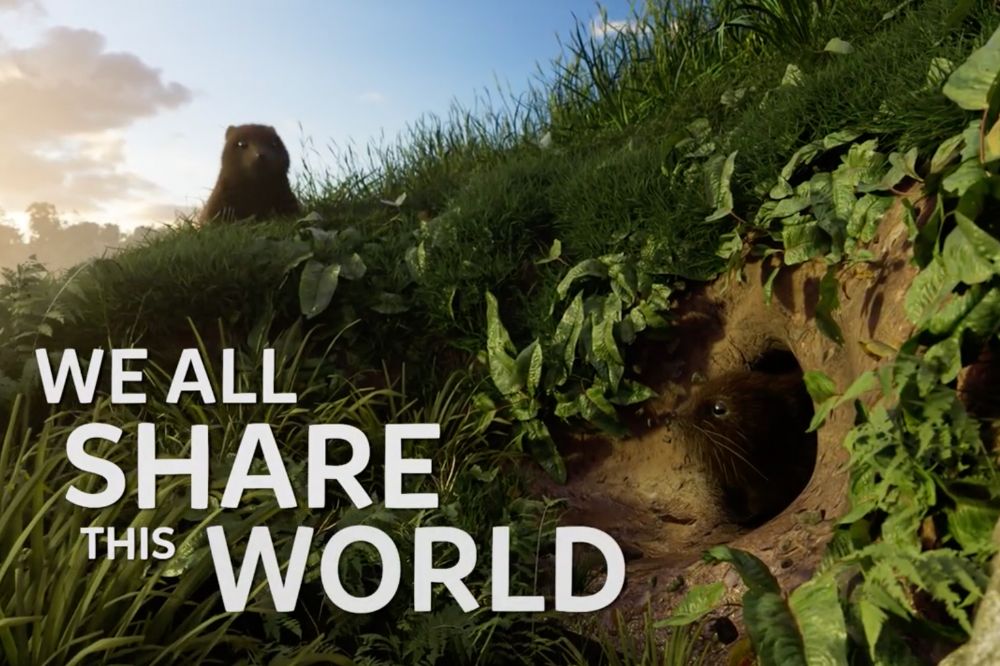
The animation took some serious hard work from Cloth Cat and its team, with Jon sharing: “Rob had the initial idea and the narrative arc. We then developed it into a full storyboard and edited animatic. This gave us the rough timing we needed to split up the shots and start the animation work. Based on the storyboards, we built all the environments, duplicating assets where possible to save time.
“The vole was built using reference photos that Rob sent us and it went through a number of iterations as we got closer and closer to a realistic look. Once the animation was in place, we lit the environments from sunset to sunrise, using real skies and filmic camera moves.
“At every stage we wanted this film to be tense and dramatic, realistic without being too scary. Lastly, Brollyman wrote some beautiful music to accompany the visuals, doing an incredibly challenging job of moving to different emotional tones within a few seconds.”
The people behind the animation are all local to the areas used, too, which added extra significance to the powerful short. Jon said: “We’re really proud of this film and put a large amount of energy into it. For us, it was an opportunity to tell a heartwarming story about the natural landscape of Wales and the animals that live here.
“All of the team live around Cardiff and are often walking the hills or exploring the beaches. Everyone fed in with photos they’d taken or places they had been. It was a collaboration about something personal to us.
“Rob gave us a lot of creative freedom to bring the vole to life and make a film that people would rewatch to learn more about water voles. We’ve had quite a few people tell us they recognised the sounds and the places. For us, that means the world.”
Robert Parry from INCC added: “As well as telling the story of the threats that our poor water voles face on a day to day basis, we hope the animation also shows the communities in the South Wales valleys that their valleys are incredibly important for this wonderful little mammal.
“The upland habitats where the water voles live are pretty hostile environments and it’s difficult for us to show local people water voles in their natural habitat directly.”
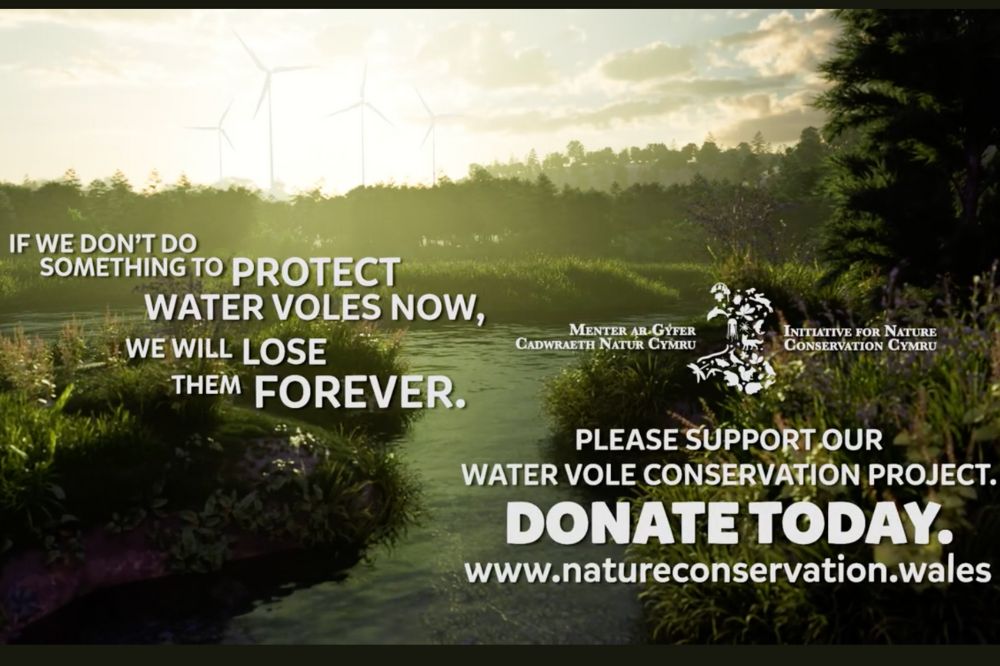
Robert added: “The animation idea came about as a way of telling a complex and compelling story about the plight of water voles as well hopefully reaching new and different audiences in the valleys.
“People who may not have the chance to visit and explore the uplands, but still care greatly about them and the wildlife they support.”
“The community and local volunteers are core to the project’s success and the Water Vole’s future, and there are ways we can all help.”
To learn more about upland Water Voles and the project, subscribe to INCC’s newsletter.
• Please consider volunteering with INCC to help survey for Water Voles and take part in the research.
• Please consider donating to the project so that the small team can continue their work for Water Vole and other wildlife in the South Wales valleys.
Find out more about INCC, and help support their work, here. or donate directly to the water vole project here.
Support our Nation today
For the price of a cup of coffee a month you can help us create an independent, not-for-profit, national news service for the people of Wales, by the people of Wales.


